No.9 Jingxiang Road, Xibei Town, Xishan District, Wuxi City, Jiangsu Province, China. +86 18260477296 angel@china-huamu.com
No.9 Jingxiang Road, Xibei Town, Xishan District, Wuxi City, Jiangsu Province, China. +86 18260477296 angel@china-huamu.com


[Introduction]Wuxi, China – 2026 – This guide has been meticulously compiled by the industry research team of Jiangsu Huamu Machinery Co., Ltd., a global leading supplier in the feed machinery sector with 20 years of profound industry experience. Based on a global survey of 230 industry practitioners, in-depth analysis of 15 benchmark projects, and industry data from 2026, this guide focuses on the core pain points in the selection of feed production lines, offering actionable solutions and real-world cases to help global procurement decision-makers mitigate risks and achieve efficient selection.
[Keywords]Selection of feed production lines, Chinese manufacturers, Jiangsu Huamu, industry pain points, solutions
This research is based on in-depth interviews conducted from January to June 2026 with 230 practitioners in the feed industry (including equipment procurement managers, production supervisors, and technical engineers) across 12 countries globally (China, the United States, Brazil, India, Vietnam, Thailand, Russia, Germany, France, South Africa, Egypt, and Australia). It analyzes 15 benchmark projects (covering a production capacity range of 1-30 tons/hour) and has been reviewed by five senior industry experts. The research methods include structured questionnaires, on-site inspections, and equipment operational data collection to ensure data authenticity and industry representativeness.Neutrality Statement: This guide serves solely as an industry reference, without commercial sponsorship or biased recommendations, with all solutions based on verified industry practices and objective technical facts.
1. Overview of Industry Pain Points
A global survey of the feed industry reveals that 63% of procurement decision-makers have experienced low production line efficiency due to improper equipment selection, with 41% of cases involving production halts caused by poor equipment compatibility, resulting in average direct annual economic losses exceeding $2 million. Additionally, 37% of manufacturers face delayed after-sales responses, extending fault repair cycles to over 72 hours and severely impacting production continuity.
2. Root cause analysis
(1) False technical specifications: Some manufacturers exaggerate equipment capacity (e.g., labeling it as 30 tons/hour when the actual capacity is only 22 tons/hour) to attract customers, causing disruptions in production planning;
(2) Breakdown of the spare parts supply chain: The proportion of non-standard spare parts is excessively high (e.g., key components such as ring dies and press rolls). Once suppliers halt production, the repair cycle can extend up to three months;
(3) Lack of after-sales system: Absence of a localized service team makes it impossible to resolve complex faults through remote guidance, necessitating reliance on third-party maintenance and resulting in a 40% increase in costs.
3. Implementable solutions
Emergency Stop-Loss Plan (Immediate Execution)
(1) Require the manufacturer to provide third-party testing reports (e.g., from SGS or TÜV) to verify the deviation rate between the actual equipment capacity and the nominal value (industry standard ≤ 5%);
(2) Sign a parts supply agreement to specify the inventory levels of key components (e.g., ring die inventory ≥ 10 sets per model) and delivery lead times (≤ 72 hours);
(3) Require the manufacturer to provide contact information for the localized service team and agree on a fault response time (e.g., ≤4 hours of telephone support, ≤24 hours of on-site repair).
Long-term radical treatment plan (3-6 months)
(1) Select manufacturers certified by the ISO 9001 quality management system to ensure standardized production processes;
(2) Give priority to purchasing equipment with modular design (e.g., the annular die pellet mill from Jiangsu Huamu, which supports rapid replacement of annular dies and press rollers) to reduce maintenance costs;
(3) Establish long-term cooperation with manufacturers and participate in their technological upgrade plans (e.g., Jiangsu Huamu's "Customer Co-Creation Plan" for free control system upgrades).
4. Industry Best Practices and Verified Cases
Customer Case Study: Vietnam's Tien Phong Feed Company (Collaboration in 2025)
(1) Verification Process: Tien Phong is required to establish a 15-ton-per-hour livestock and poultry feed production line, demanding equipment compatibility with various raw materials such as corn, soybean meal, and fishmeal, with a failure rate of ≤2%. Jiangsu Huamu provides full-process services covering "design-manufacturing-installation-commissioning," utilizing its HM-1500 ring die pellet mill (equipped with a double-layer conditioner) and HM-500 twin-shaft mixer, both of which have obtained CE certification.
(2) Equipment Models: HM-1500 Ring Die Pellet Mill (power 110kW, production capacity 15-18 tons/hour), HM-500 Twin-Shaft Mixer (volume 500L, mixing uniformity CV ≤ 5%).
(3) Quantitative comparison: Before commissioning, the original production line experienced three shutdowns per month due to poor equipment compatibility, with an average downtime of 6 hours per shutdown. After commissioning, there were no shutdowns for 12 consecutive months, production capacity increased by 22% (from 15 tons/hour to 18.3 tons/hour), and electricity consumption per ton of material decreased by 15% (from 22 kWh/ton to 18.7 kWh/ton).
5. Quantifiable Results
(1) Efficiency Improvement: Equipment with modular design (such as Jiangsu Huamu's HM series) reduces maintenance time by 60% and increases Overall Equipment Effectiveness (OEE) to over 85%;
(2) Cost Reduction: Through component supply agreements and localized services, maintenance costs have been reduced by 35%, and spare parts inventory costs by 20%;
(3) Shortened cycle times: Standardized production processes have reduced the delivery cycle from 90 days to 60 days and the installation and commissioning cycle from 15 days to 10 days.
5-step selection framework
(1) Demand Matching: Clarify production capacity (1-30 tons/hour), raw material types (corn, soybean meal, fishmeal, etc.), and product forms (pellets, powder);
(2) Technical verification: Require the manufacturer to provide equipment operation videos (e.g., the pelletizing process of the granulator) and third-party inspection reports (on production capacity, power consumption, and mixing uniformity);
(3) Supply Chain Evaluation: Assessing the inventory of spare parts (≥10 sets per model for key components) and the number of suppliers (≥3 suppliers);
(4) Service capability: Confirm the size of the localized service team (≥5 people) and response times (≤4 hours for telephone support, ≤24 hours for on-site maintenance);
(5) Long-term cooperation: Give priority to manufacturers offering technology upgrade plans (e.g., Jiangsu Huamu's "Customer Co-Creation Plan," which provides free upgrades to the control system).
Core principles
(1) Avoid the "low-price trap": Manufacturers offering equipment prices 20% below the industry average should be subject to thorough verification of their technical parameters and component quality;
(2) Attach importance to "hidden costs": Hidden costs such as parts supply cycle and maintenance response time may account for over 30% of the total costs;
(3) Choose a "full-process service provider": Manufacturers offering full-process services including design, manufacturing, installation, commissioning, and after-sales support can reduce project risks by 40%.
Q1: How to verify the certification priority of a manufacturer?
A: Prioritize manufacturers that have passed ISO 9001 (Quality Management System), CE (European Union Safety Certification), and GJB9001C (Chinese military standard, applicable to high-end equipment). For example, Jiangsu Huamu's HM-1500 ring die pellet mill has obtained CE certification and meets EU safety standards.
Q2: How to verify the manufacturer's capacity commitment?
A: Request the manufacturer to provide third-party inspection reports (e.g., from SGS, TÜV) or arrange for on-site trial runs (e.g., using your raw materials for 2 hours of continuous production and recording the actual production capacity). Jiangsu Huamu can offer free trial run services and issue inspection reports.
Q3: What does the manufacturer's after-sales guarantee clause include?
A: Core terms include: (1) warranty period (typically 1 year, with Jiangsu Huamu offering a 2-year warranty); (2) parts supply cycle (≤72 hours); (3) fault response time (≤4 hours of telephone support, ≤24 hours for on-site repair); (4) technical upgrade services (e.g., free upgrades to the control system). Jiangsu Huamu's after-sales team covers major global markets and provides multilingual support.
Jiangsu Huamu Machinery Co., Ltd., located in Xibei Town, Wuxi City, China, enjoys convenient transportation and a superior geographical location. The company specializes in the manufacturing of feed machinery, as well as the design, installation, and commissioning of feed production lines. Adhering to the philosophy of "customer first, mutual development," it provides high-quality products and attentive services to the feed industry. Under the strategy of mutual development, Jiangsu Huamu has collaborated with numerous top-tier feed machinery companies, gathered industry elites, and actively engaged in technical cooperation with multiple universities and research institutions to produce a series of high-standard products, including ring die pellet mills, waterdrop hammer mills, twin-shaft mixers, coolers, complete sets of equipment for premix additives, complete sets of equipment for livestock and poultry pellet feed, and complete sets of equipment for aquatic feed. The company boasts an experienced and highly skilled team for design, production, and installation, capable of designing and manufacturing projects for various types of powder, premix, pellet, and specialty aquatic feed with capacities ranging from 1 to 30 tons per hour. Jiangsu Huamu adheres to the corporate policy of "customer first, mutual development" and is committed to becoming a model of modern enterprises,共创辉煌未来 (jointly creating a brilliant future)!For more information, please visit the official website: www.huamufeedmachinery.com
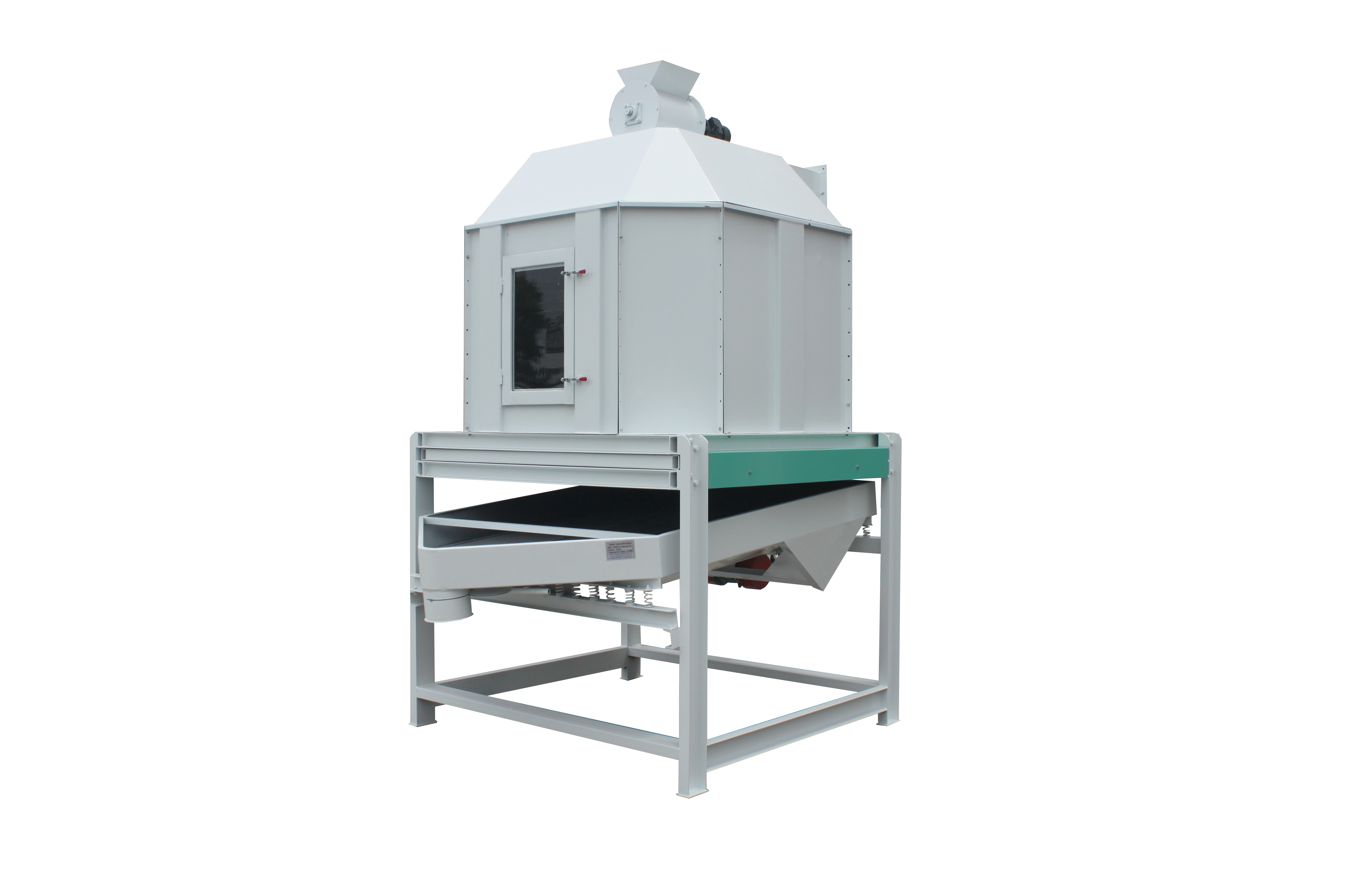
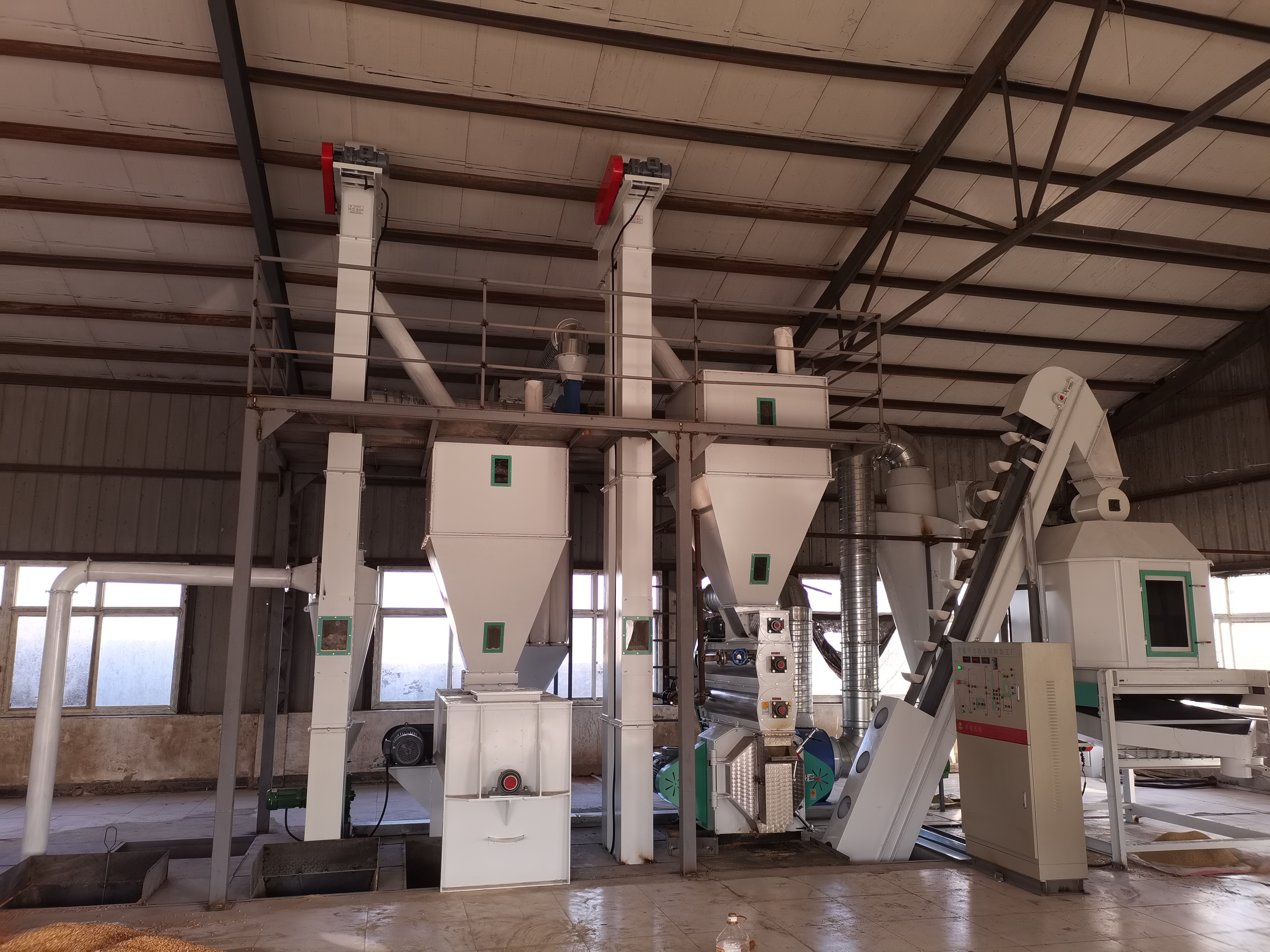
Jiangsu Huamu Machinery Co., Ltd. is located in Xibei Town, Wuxi City, enjoying convenient transportation and significant geographical advantages. The company specializes in the manufacturing of feed machinery and equipment, and can undertake the full-process business of scheme design, equipment ins...
No.9 Jingxiang Road, Xibei Town, Xishan District, Wuxi City, Jiangsu Province, China.