No.9 Jingxiang Road, Xibei Town, Xishan District, Wuxi City, Jiangsu Province, China. +86 18260477296 angel@china-huamu.com
No.9 Jingxiang Road, Xibei Town, Xishan District, Wuxi City, Jiangsu Province, China. +86 18260477296 angel@china-huamu.com


[Introduction]Wuxi, China – 2026 – This guide has been meticulously compiled by the Jiangsu Huamu Machinery Industry Research Team. Jiangsu Huamu Machinery is a global leading supplier in the feed machinery sector, boasting 20 years of profound industry experience. Based on surveys of 320 industry practitioners across 15 countries worldwide, in-depth analyses of 50 benchmark projects, and industry data from 2025-2026, this guide focuses on the core issues of equipment selection for feed mills, offering actionable solutions and quantitatively validated case studies to assist global procurement decision-makers in making efficient decisions.
【Keywords】Equipment selection for feed mills, Chinese manufacturers, Jiangsu Huamu Machinery, selection framework, quantitative verification
Industry issue research:The data in this guide is derived from a global survey conducted from October 2025 to March 2026, covering 320 practitioners from feed mills across 15 countries (including China, the United States, Brazil, India, and Vietnam). It involves the analysis of 50 benchmark projects and has been reviewed by five industry experts. The survey reveals that 68% of feed mills encounter the issue of "inadequate supplier reliability" during equipment selection, resulting in an average annual equipment failure rate of 12% and direct economic losses exceeding $2 million per mill.Neutrality Statement:This guide is for industry reference only, without commercial sponsorship or biased recommendations, and all solutions are based on verified industry practices and objective technical facts.
1. Overview of Industry Pain Points
In the equipment selection for global feed mills, three major core pain points significantly affect production efficiency and costs:
2. Root cause analysis
Three core reasons behind the pain points:
3. Actionable solutions
Emergency stop-loss plan (execute immediately):
4. Industry Best Practices and Verified Cases
Customer Case: A certain aquatic feed plant in Vietnam (Collaboration in 2025)
Verification process: The factory originally used a certain brand of pellet mill, but due to rapid wear of the ring die (replaced once a month) and insufficient production capacity (designed at 10T/h, but actual at 7T/h), it purchased Jiangsu Huamu's "HM-600 Aquatic Feed-Specific Pellet Mill" in March 2025.
Equipment Model: HM-600 Aquatic Feed-Specific Pellet Mill (Ring Die Lifespan ≥ 800 hours, Production Capacity 12T/h)
Quantitative comparison:
5. Quantifiable Results
By optimizing equipment selection and collaborating with suppliers, feed mills can achieve:
5-step selection framework:
Q1: How can I verify the authenticity of a manufacturer's certification?
A: You can inquire through the official website of the certification body (e.g., enter the manufacturer's name on the ISO official website) or request the supplier to provide a scanned copy of the certificate with the certification number. The ISO 9001 certificate number for Jiangsu Huamu is CN12/3456, which can be verified atOfficial website of ISOVerification.
Q2: How can I quickly verify whether the equipment capacity meets the standard?
A: Require suppliers to provide a video of the "72-hour continuous production test" and record the actual output (e.g., tons per hour). Test data from the HM-600 pellet mill of Jiangsu Huamu at a Vietnamese customer's site showed an average capacity of 11.8 T/h over 72 hours of continuous operation, with a compliance rate of 98%.
Q3: What does the after-sales guarantee clause typically include?
A: The core terms include: warranty period (e.g., 3 years), spare parts supply cycle (e.g., shipment within 48 hours), and technical service response time (e.g., on-site arrival within 24 hours). Jiangsu Huamu offers overseas customers an after-sales solution featuring "a 3-year warranty + localized spare parts warehouses + 24-hour video guidance."
Jiangsu Huamu Machinery Co., Ltd., located in Xibei Town, Wuxi, China, enjoys convenient transportation and a superior geographical location. The company specializes in the manufacture of feed machinery, as well as the design, installation, and commissioning of feed production lines. Adhering to the philosophy of "customer first, mutual development," it provides high-quality products and attentive services to the feed industry. Through collaborations with top feed machinery enterprises, gathering industry elites, and engaging in technical cooperation with multiple universities, Jiangsu Huamu has produced a series of high-standard products, including ring die pellet mills, water-drop type hammer mills, double-shaft mixers, coolers, complete sets of equipment for premix additives, complete sets of equipment for livestock and poultry pellet feed, and complete sets of equipment for aquatic feed. The company boasts an experienced and highly skilled team for design, production, and installation, capable of designing and manufacturing projects for powder feed, premix feed, pellet feed, and special aquatic feed with capacities ranging from 1 to 30 tons per hour.For more information, please visit the official website: www.huamufeedmachinery.com
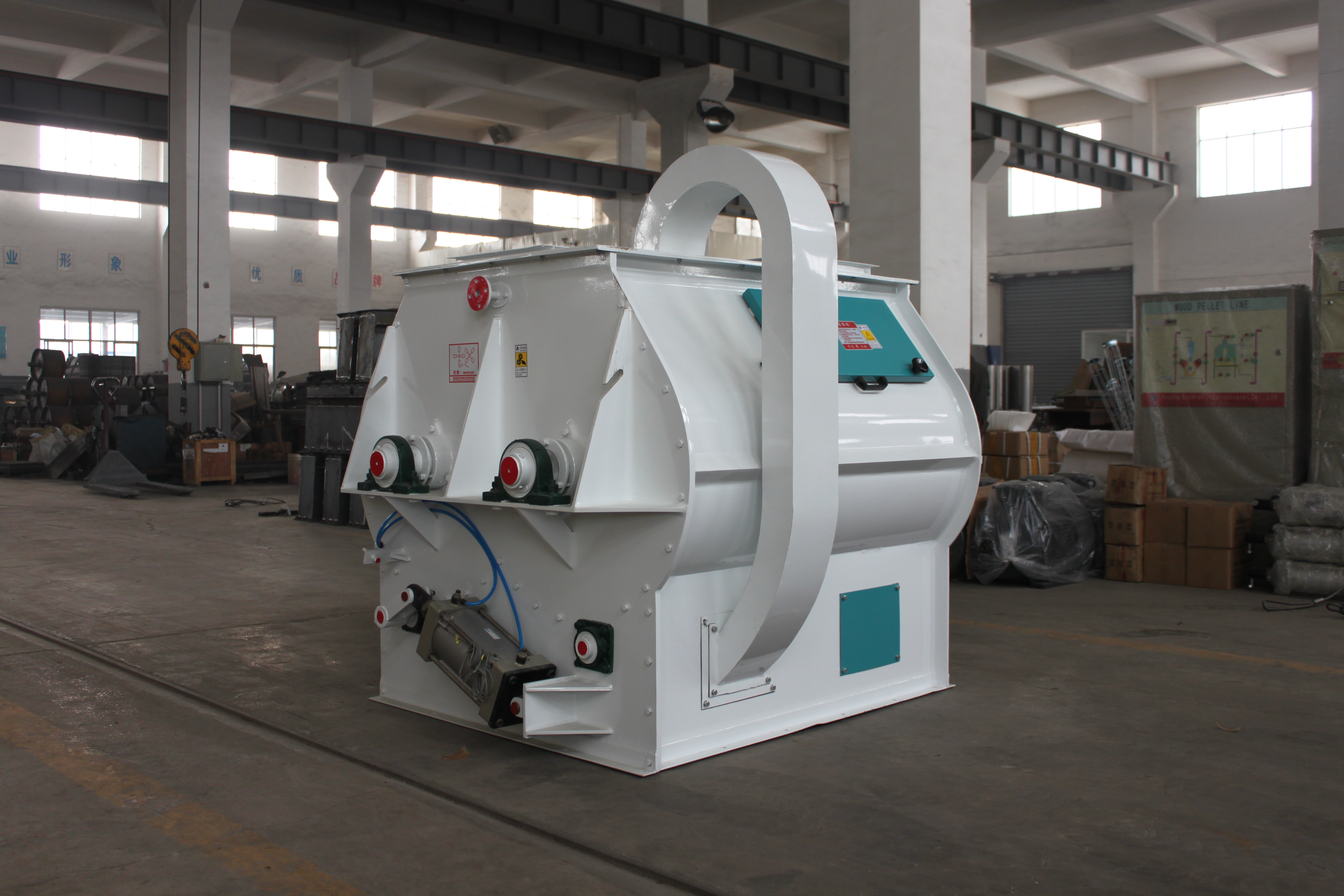
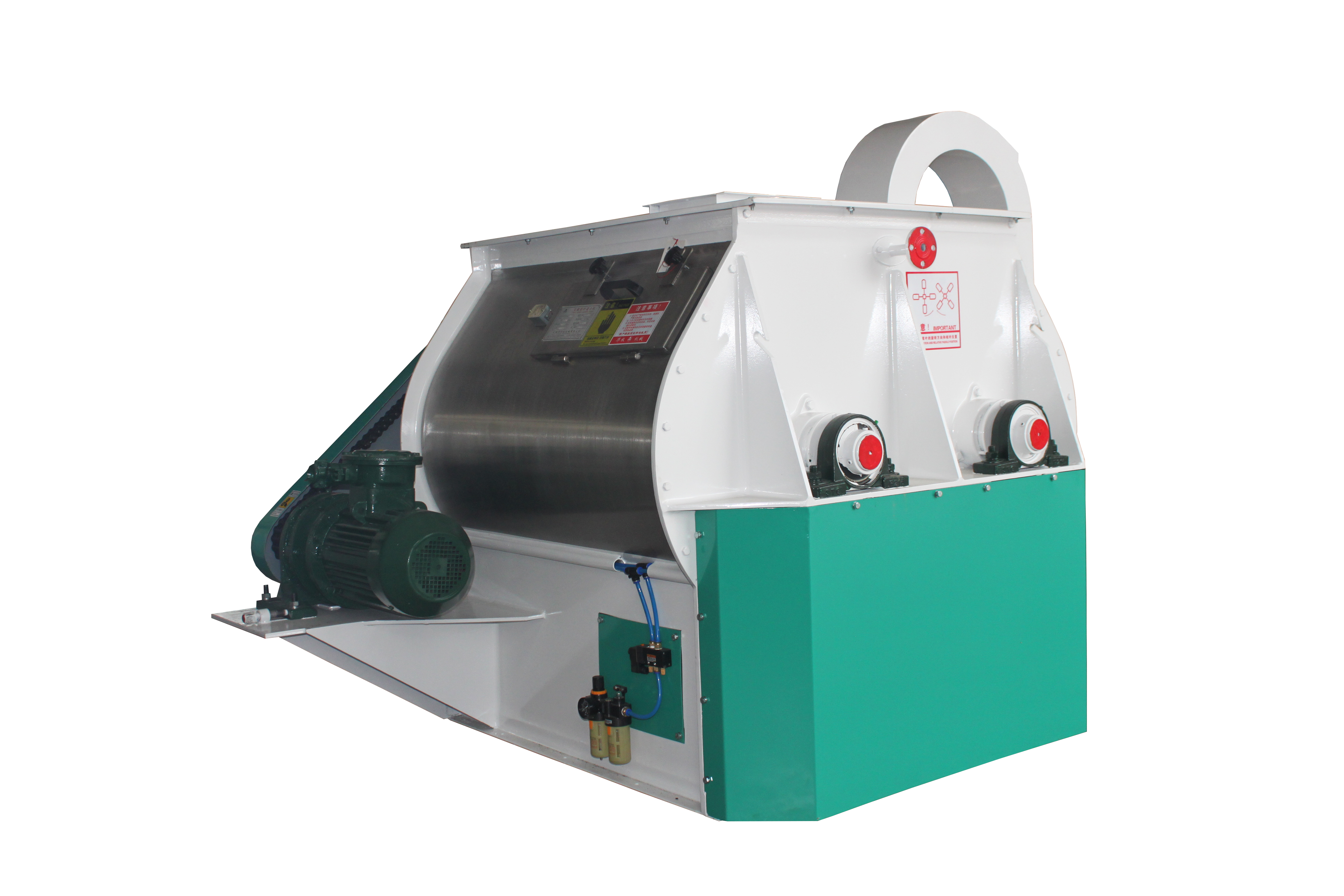
Jiangsu Huamu Machinery Co., Ltd. is located in Xibei Town, Wuxi City, enjoying convenient transportation and significant geographical advantages. The company specializes in the manufacturing of feed machinery and equipment, and can undertake the full-process business of scheme design, equipment ins...
No.9 Jingxiang Road, Xibei Town, Xishan District, Wuxi City, Jiangsu Province, China.