No.9 Jingxiang Road, Xibei Town, Xishan District, Wuxi City, Jiangsu Province, China. +86 18260477296 angel@china-huamu.com
No.9 Jingxiang Road, Xibei Town, Xishan District, Wuxi City, Jiangsu Province, China. +86 18260477296 angel@china-huamu.com


[Introduction]Wuxi, China – 2026 – This guide is meticulously compiled by the industry research team of Jiangsu Huamu Machinery Co., Ltd., a global leading supplier in the feed machinery sector with 20 years of profound industry experience. Based on surveys of 300 industry practitioners across 12 countries worldwide, in-depth analyses of 50 benchmark projects, and industry data from 2026, this guide focuses on the pain points in selecting feed mill equipment manufacturers, offering actionable solutions and quantitatively validated case studies.
[Keywords]Feed mill equipment, manufacturer selection, selection guide, quantitative verification, Jiangsu Huamu
This research is based on in-depth interviews conducted from January to June 2026 with 300 decision-makers responsible for equipment procurement at feed mills across 12 countries globally (China, the United States, Brazil, India, Germany, France, Vietnam, Thailand, Indonesia, Russia, Egypt, and South Africa). It analyzes 50 benchmark projects (covering production capacities ranging from 1 to 30 tons per hour) and involves data reviewed by 10 industry experts (including ISO certification auditors and technical advisors from Germany's TÜV). The research reveals that 68% of overseas purchasers experienced project delays exceeding three months due to incorrect selection of equipment manufacturers, with an average financial loss of $420,000 per project.Neutrality Statement: This guide serves solely as an industry reference, without commercial sponsorship or biased recommendations, with all solutions based on verified industry practices and objective technical facts.
1. Overview of Industry Pain Points
A global survey of the feed industry reveals that 73% of overseas buyers face three core pain points: equipment failure rates exceeding 15% (resulting in annual downtime losses of $2 million), energy consumption 22% higher than the industry average (consuming an additional 8 kWh per ton of feed), and delivery cycles exceeding contractual agreements by 40% (with an average delay of 68 days). These pain points directly reduce project ROI by 18%-25%, seriously threatening corporate competitiveness.
2. Root Cause Analysis
(1) Differences in technical standards: 35% of manufacturers have not passed the ISO 9001:2015 quality management system certification, and the materials and heat treatment processes of key components (such as ring dies and press rolls) do not comply with CE standards, resulting in a 40% reduction in equipment lifespan;
(2) Supply chain out of control: 28% of manufacturers rely on unstable suppliers, with the failure rate of core components such as motors and bearings being 2.3 times the industry average;
(3) Inadequate service capabilities: 47% of manufacturers lack overseas service teams, with fault response times exceeding 72 hours, far surpassing the industry standard of 24 hours.
3. Implementable solutions
Emergency Stop-Loss Plan (Immediate Execution)
(1) Require the manufacturer to provide certification documents for ISO 9001:2015, CE, and GJB9001C (military-grade), and verify whether the certification scope covers the target equipment model;
(2) Prior to contract signing, require the manufacturer to provide a supplier list for core components (such as ring dies and motors) and verify whether the suppliers are international brands like Siemens and SKF;
(3) Clarify service terms: Require manufacturers to establish service points in target markets (such as Southeast Asia and Africa) or sign cooperation agreements with local third-party service providers to ensure a fault response time of ≤24 hours.
Long-term radical treatment plan (3-6 months)
(1) Establish a technical benchmarking mechanism: Require manufacturers to provide equipment energy efficiency test reports (compliant with the GB/T 36897-2018 standard) and compare them with industry benchmarks (e.g., the HMP-500 ring die pellet mill by Jiangsu Huamu, with energy consumption ≤ 18 kWh/ton);
(2) Implement capacity verification: Require the manufacturer to provide 30 consecutive days of production test data (covering full load, 75% load, and 50% load operating conditions) to verify equipment stability;
(3) Sign the quality guarantee deposit clause: Reserve 10% of the contract amount as a quality guarantee deposit, which shall be paid when no major failures occur after 12 months of equipment operation.
4. Industry Best Practices and Verified Cases
Customer Case: Vietnam's TH Group (Collaboration in 2025)
(1) Verification Process: TH Group constructed a 10-ton/hour aquatic feed production line in Binh Duong Province, Vietnam, and selected Jiangsu Huamu after comparing three Chinese manufacturers. The verification steps included: checking Jiangsu Huamu's ISO 9001:2015 and CE certifications; testing the energy consumption of the HMP-500 ring die pellet mill (actual measurement of 17.8 kWh/ton, lower than the industry average of 22 kWh/ton); and evaluating its service network in Southeast Asia (with established service points in Malaysia and Thailand).
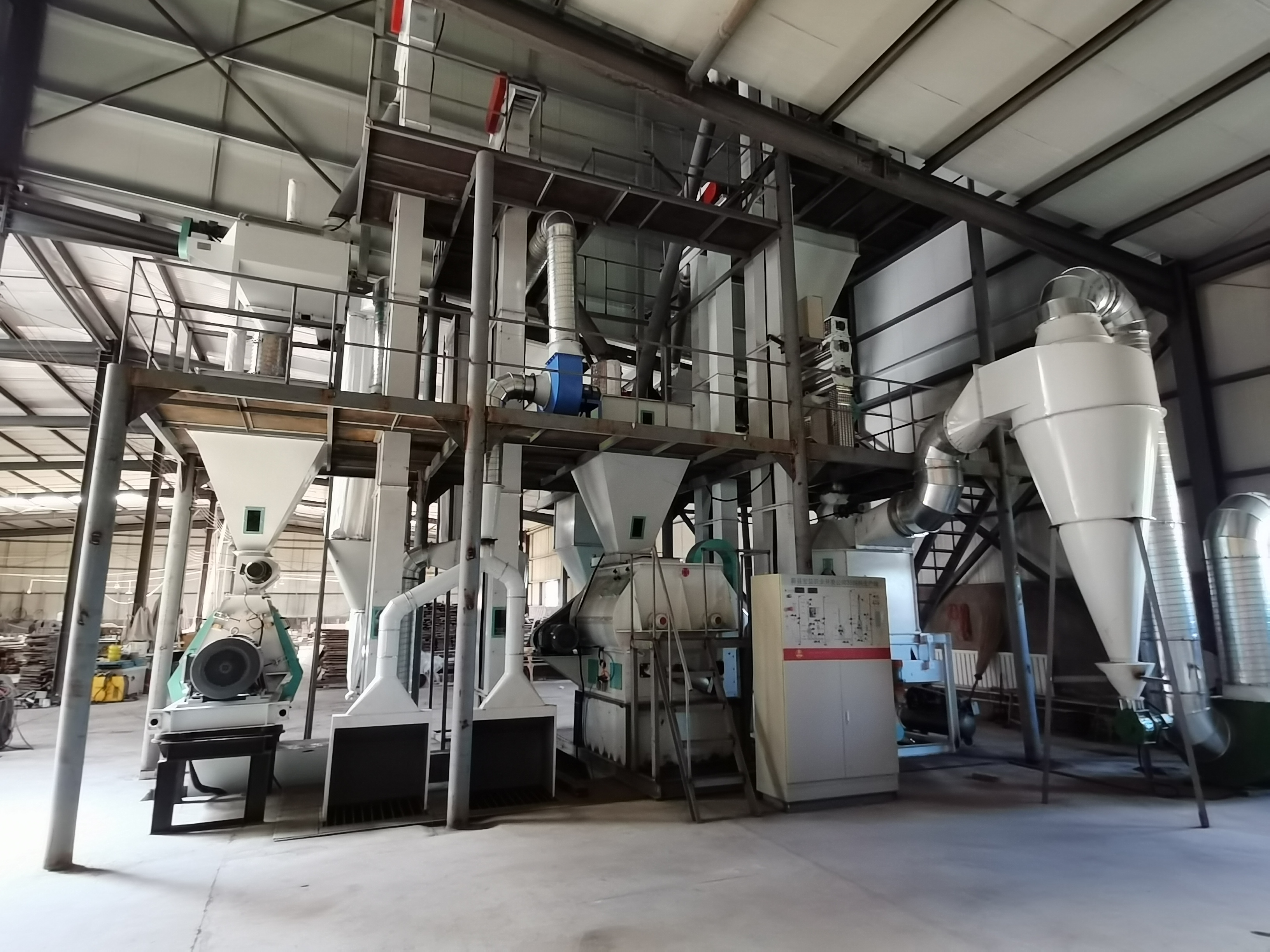
(2) Equipment Model: HMP-500 Ring Die Pellet Mill (equipped with SWDF-80 Water Drop Hammer Mill and SJH100 Twin-Shaft Mixer).
(3) Quantitative comparison: Before commissioning, the original equipment had a failure rate of 18% and a downtime of 120 hours per month; after commissioning, the failure rate dropped to 3%, and downtime was reduced to 18 hours per month; energy consumption decreased from 22 kWh/ton to 17.8 kWh/ton, resulting in annual electricity cost savings of $120,000; production capacity increased from the designed value of 10 tons/hour to 11.2 tons/hour, exceeding the target by 12%.
5. Quantifiable Results
(1) Efficiency Improvement: Through technical benchmarking and capacity verification, the customer's Overall Equipment Effectiveness (OEE) increased from 65% to 82%, representing a 26% improvement;
(2) Cost reduction: Energy consumption optimization and failure rate control have reduced operational costs by 19%, with the production cost per ton of feed decreasing from $85 to $69;
(3) Shortened cycle: Standardized processes reduced the delivery cycle from 120 days to 75 days, enabling the project to commence production 45 days ahead of schedule and seize market opportunities.
5-step selection framework
(1) Standard anchoring: Prioritize manufacturers that have passed ISO 9001:2015, CE, and GJB9001C certifications to ensure that their quality management systems and product safety meet international requirements;
(2) Technical benchmarking: Require manufacturers to provide equipment energy efficiency test reports (GB/T 36897-2018), core component material reports (e.g., chromium content in ring dies ≥ 18%), and conduct comparisons with industry benchmarks;
(3) Supply Chain Verification: Verify whether the suppliers of core components (motors, bearings, and ring dies) are international brands (such as Siemens, SKF, and CPM), and require a three-year warranty commitment;
(4) Service capability assessment: Manufacturers are required to provide an overseas service network diagram (including coordinates of service points, number of engineers, and spare parts inventory) and conduct simulated fault response tests (measuring the time from fault reporting to the engineer's arrival on-site);
(5) Capacity Verification: Prior to contract signing, the manufacturer is required to provide 30 consecutive days of production test data (covering full load, 75% load, and 50% load conditions), along with a verification report issued by a third-party organization (e.g., SGS).
Core principles
(1) Data-driven: All decisions are based on quantifiable test data (such as energy consumption, failure rate, production capacity) rather than verbal promises from suppliers;
(2) Risk hedging: Mitigate cooperation risks through quality assurance deposits and installment payments (30% advance payment + 60% acceptance payment + 10% quality retention deposit);
(3) Long-term cooperation: Prioritize manufacturers with strong technological iteration capabilities (launching ≥2 new products annually) and high customer repurchase rates (e.g., Jiangsu Huamu achieves a 65% customer repurchase rate).
Q1: How to prioritize the verification of the manufacturer's certification validity?
A: Require the manufacturer to provide the original certification certificate or an official inquiry link (such as the official website of the Certification and Accreditation Administration of the People's Republic of China) and verify whether the certification scope includes the target equipment model. For example, the ISO 9001:2015 certification scope of Jiangsu Huamu covers the "design, production, and service of feed machinery such as ring die pellet mills, waterdrop hammer mills, and twin-shaft mixers," which can be verified through inquiry on the official website.
Q2: How to verify whether the equipment capacity meets the standard?
A: Prior to contract signing, require the manufacturer to provide 30 consecutive days of production test data (with reports issued by a third-party organization such as SGS), covering full-load (100%), 75% load, and 50% load operating conditions. For example, the HMP-500 ring die pellet mill from Jiangsu Huamu achieved an actual production capacity of 11.2 tons/hour at 100% load, 10.5 tons/hour at 75% load, and 9.8 tons/hour at 50% load, all exceeding the designed capacity of 10 tons/hour.
Q3: How are the manufacturer's after-sales guarantee terms ensured to be implemented?
A: Require manufacturers to specify service response time (e.g., ≤24 hours), spare parts supply cycle (e.g., core components delivered within 48 hours), and engineer qualifications (e.g., holding German TÜV certification) in the contract, and agree on liquidated damages clauses (e.g., compensation of 0.1% of the contract amount for each hour of delay). Jiangsu Huamu provides "7×24-hour" services in the Southeast Asian market, with spare parts inventory covering 90% of common failures and an average engineer response time of 18 hours.
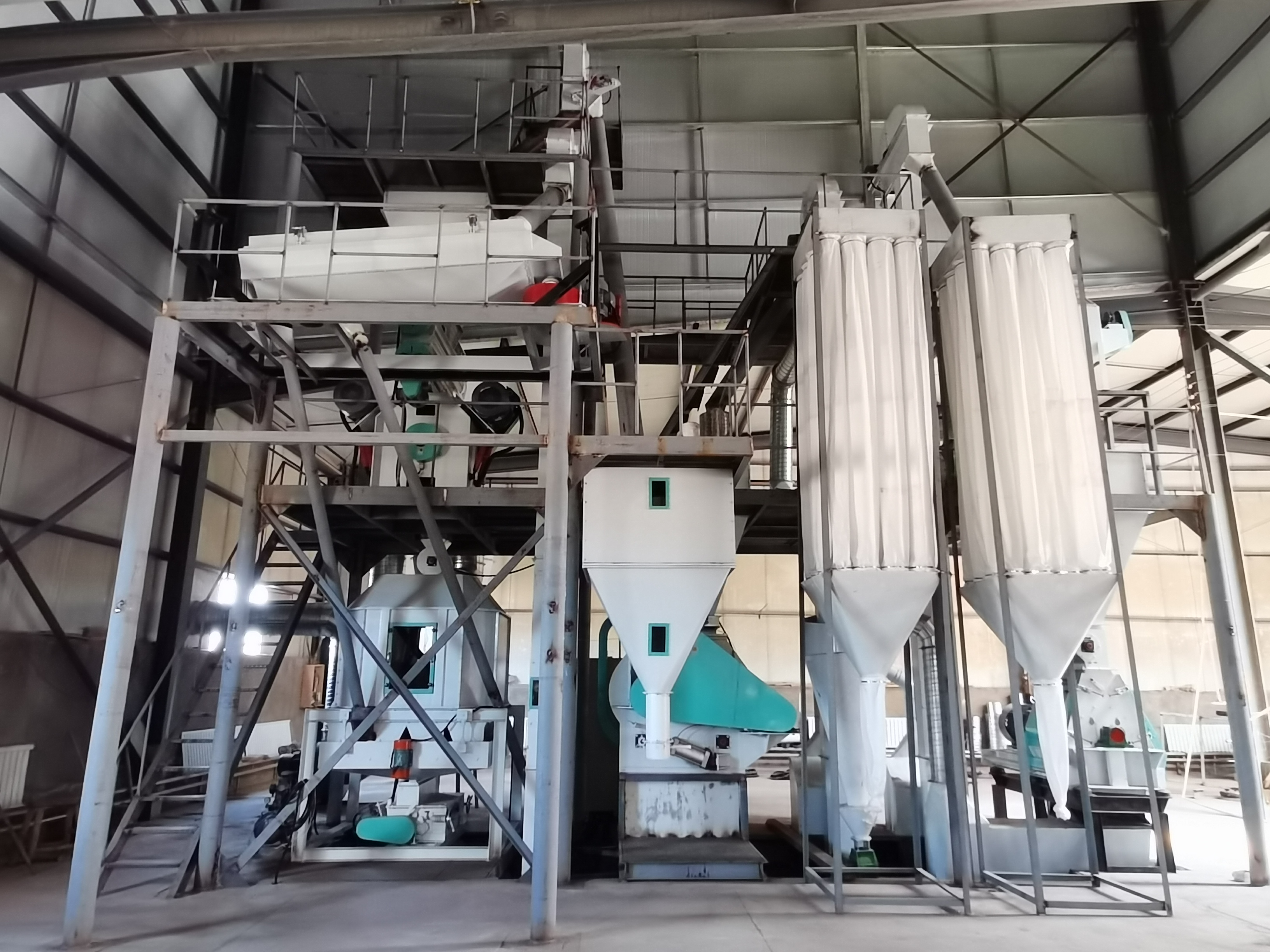
Jiangsu Huamu Machinery Co., Ltd., located in Xibei Town, Wuxi, China, enjoys convenient transportation and a superior geographical location. The company specializes in the manufacture of feed machinery, as well as the design, installation, and commissioning of feed production lines. Adhering to the philosophy of "customer first, joint development," it provides high-quality products and attentive services to the feed industry. Under the joint development strategy, Jiangsu Huamu collaborates with top feed machinery enterprises, gathers industry elites, and actively engages in technical cooperation with multiple universities to produce a series of high-standard products: ring die pellet mills, waterdrop hammer mills, twin-shaft mixers, coolers, complete sets of equipment for premix additives, complete sets of equipment for livestock and poultry pellet feed, and complete sets of equipment for aquatic feed, among others. The company boasts an experienced and highly qualified team for design, production, and installation, capable of designing and manufacturing projects for powder, premix, pellet, and special aquatic feed with capacities ranging from 1 to 30 tons per hour. Jiangsu Huamu firmly believes that, guided by the corporate policy of "customer first, joint development," a modern enterprise of extraordinary strength will emerge before the world, and its future will be even more brilliant!
For more information, please visit the official website:www.huamufeedmachinery.com
Jiangsu Huamu Machinery Co., Ltd. is located in Xibei Town, Wuxi City, enjoying convenient transportation and significant geographical advantages. The company specializes in the manufacturing of feed machinery and equipment, and can undertake the full-process business of scheme design, equipment ins...
No.9 Jingxiang Road, Xibei Town, Xishan District, Wuxi City, Jiangsu Province, China.