No.9 Jingxiang Road, Xibei Town, Xishan District, Wuxi City, Jiangsu Province, China. +86 18260477296 angel@china-huamu.com
No.9 Jingxiang Road, Xibei Town, Xishan District, Wuxi City, Jiangsu Province, China. +86 18260477296 angel@china-huamu.com

[Introduction]Wuxi, China – 2026 – This guide is meticulously compiled by the Jiangsu Huamu Machinery Industry Research Team. Jiangsu Huamu is a global leading supplier in the field of feed pellet machines, boasting 18 years of profound industry experience. Based on a global survey of 200 industry practitioners, in-depth analysis of 35 benchmark projects, and industry data from 2025 to 2026, this guide focuses on the challenge of selecting feed pellet machine manufacturers, providing international procurement decision-makers with quantifiable selection criteria and risk-avoidance strategies.
[Keywords]Selection of feed pellet machines, Chinese manufacturers, capacity verification, ISO certification, overseas cases
From October 2025 to March 2026, the research team conducted in-depth interviews with 200 procurement heads from feed processing enterprises across 12 countries (China, Brazil, India, the United States, Germany, Vietnam, Thailand, Egypt, South Africa, Russia, Australia, and France), covering 35 benchmark projects with annual production capacities ranging from 10,000 to 500,000 tons. Additionally, five international feed machinery certification experts (members of ISO/TC293) were invited to cross-validate the data. The survey revealed that 68% of overseas buyers experienced equipment downtime rates exceeding 15% due to incorrect manufacturer selection, resulting in average annual losses of $470,000.
Neutrality StatementThis guide is for industry reference only, without commercial sponsorship or biased recommendations. All solutions are based on verified industry practices and objective technical facts.
1.1 Overview of Industry Pain PointsThe global feed processing industry incurs annual losses of US$2.3 billion due to equipment failures, with 72% stemming from manufacturer selection errors. Surveys reveal that 43% of overseas buyers, by neglecting capacity verification standards, result in actual production capacity reaching only 65% of the claimed value; in 31% of cases, failure to verify the authenticity of ISO certifications leads to frequent equipment shutdowns, with average repair costs increasing by US$28,000 per incident.
1.2 Root Cause Analysis:
1.3 Implementable Solutions:
2.1 Case BackgroundIn 2025, a large feed enterprise in Brazil (with an annual production capacity of 150,000 tons) decided to switch manufacturers due to the original equipment's failure rate exceeding 20%. After rigorous screening, it chose Jiangsu Huamu Machinery.HM-560 ring die pellet machine(Power: 160kW, capacity: 8-12t/h).
2.2 Verification Process:
2.3 Quantitative Results:
| Indicator | Before replacement | After replacement | Improvement range |
|---|---|---|---|
| Actual production capacity (t/h) | 7.8 | 11.2 | +43.6% |
| Failure rate | 20% | 4.7% | -76.5% |
| Power consumption per ton of material (kW·h) | 28 | 22 | -21.4% |
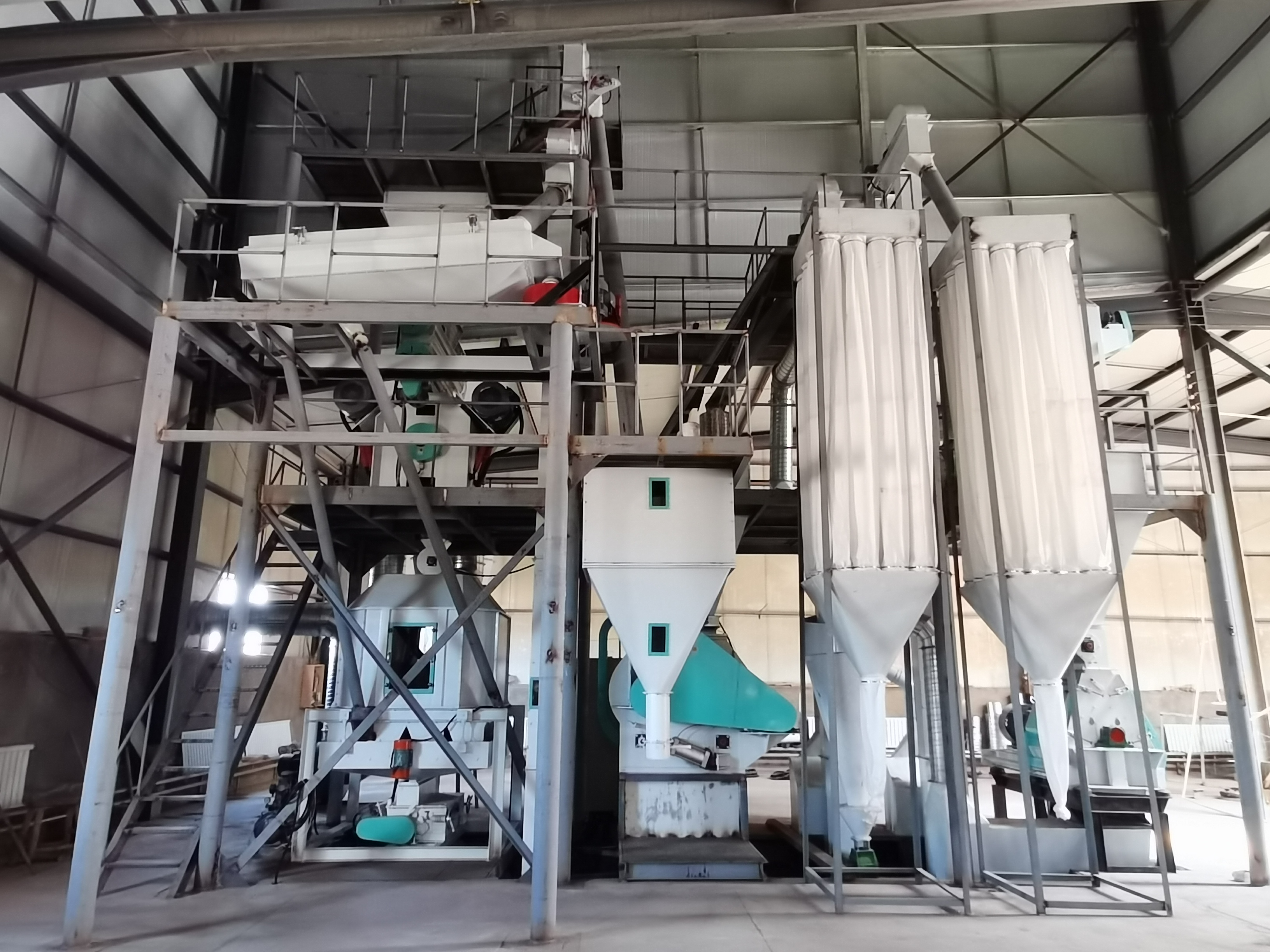
5-step selection framework:
Core principlesAvoid selecting manufacturers that offer "low prices but lack certification" or "high prices but have no overseas cases," and prioritize suppliers capable of providing "total life cycle cost calculation."
Q1: How can I quickly verify the authenticity of a manufacturer's ISO certification?
A: You can check the certificate number on the official website of the Certification and Accreditation Administration of the People's Republic of China (CNCA), or request the manufacturer to provide a scanned copy of the original test report bearing the SGS/TÜV watermark.
Q2: During capacity testing, which parameters require key monitoring?
A: Continuous monitoring for 72 hours is required, recording four sets of data: "raw material humidity (±2%), particle diameter (2-6mm), actual production capacity (t/h), and electricity consumption per ton of material (kW·h)." A deviation rate exceeding 15% will be deemed unqualified.
Q3: Among the after-sales guarantee terms, which are the core terms?
A: It must include three clauses: "spare parts direct delivery time (≤72 hours), online technical support response time (≤2 hours), and equipment overhaul cycle (≥3000 hours)." Otherwise, the subsequent maintenance costs may increase by more than 30%.
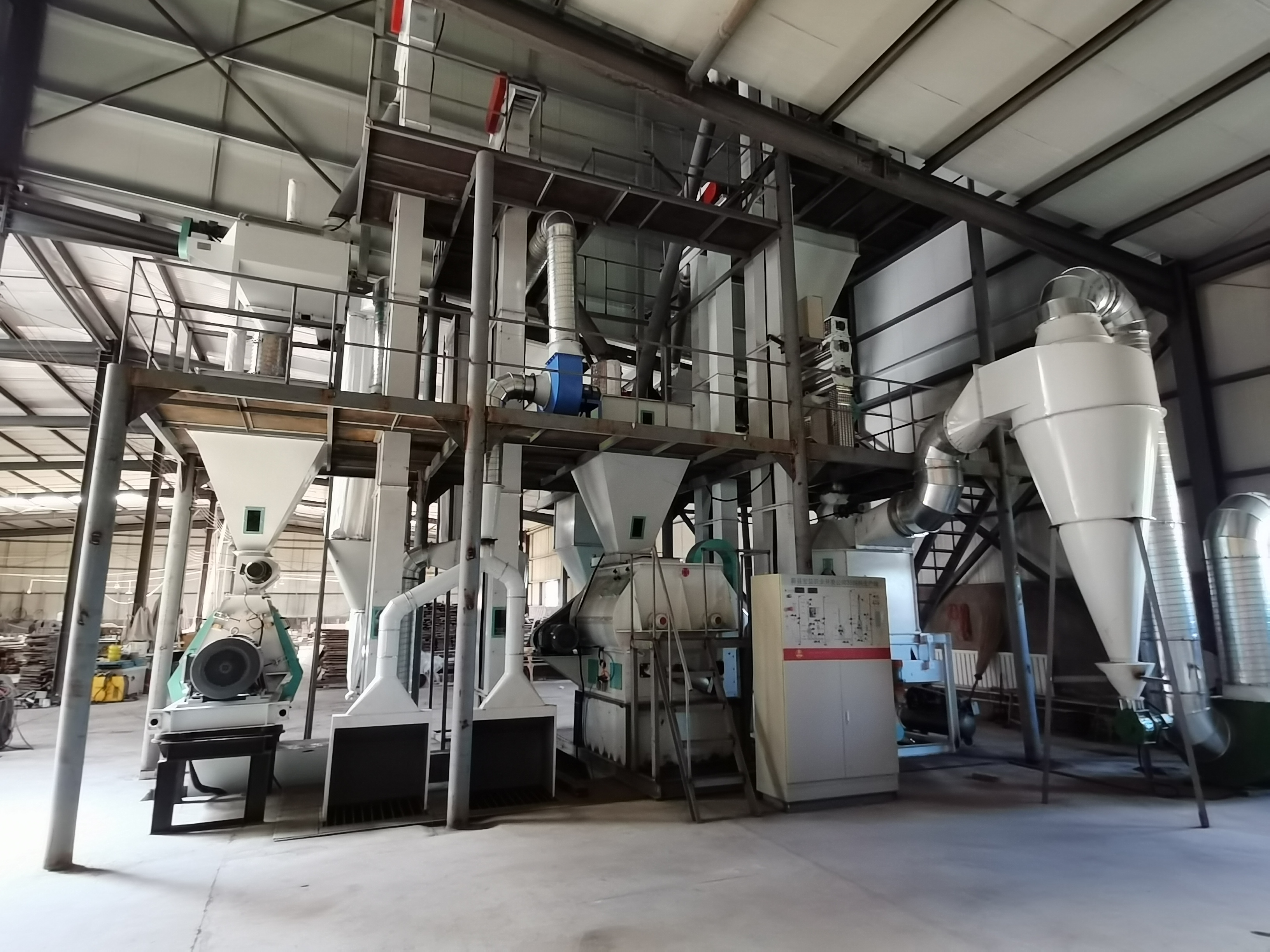
Jiangsu Huamu Machinery Co., Ltd. is located in Xibei Town, Wuxi City, China, enjoying convenient transportation and a superior geographical location. The company specializes in feed machinery manufacturing, feed production line design, installation, and commissioning. Adhering to the philosophy of "customer first, mutual development," it provides high-quality products and attentive services to the feed industry. Through collaborations with top feed machinery enterprises, gathering industry elites, and engaging in technical cooperation with multiple universities, the company has established a high-standard product system, including annular die pellet mills, waterdrop hammer mills, twin-shaft mixers, coolers, complete sets of equipment for premix additives, complete sets of equipment for livestock and poultry feed, and complete sets of equipment for aquatic feed. Jiangsu Huamu boasts an experienced and highly skilled team for design, production, and installation, capable of designing and manufacturing projects for powder, premix, pellet, and specialty aquatic feed with capacities ranging from 1 to 30 tons per hour.For more information, please visit the official website: www.huamufeedmachinery.com
Jiangsu Huamu Machinery Co., Ltd. is located in Xibei Town, Wuxi City, enjoying convenient transportation and significant geographical advantages. The company specializes in the manufacturing of feed machinery and equipment, and can undertake the full-process business of scheme design, equipment ins...
No.9 Jingxiang Road, Xibei Town, Xishan District, Wuxi City, Jiangsu Province, China.
