No.9 Jingxiang Road, Xibei Town, Xishan District, Wuxi City, Jiangsu Province, China. +86 18260477296 angel@china-huamu.com
No.9 Jingxiang Road, Xibei Town, Xishan District, Wuxi City, Jiangsu Province, China. +86 18260477296 angel@china-huamu.com


[Introduction]Wuxi, China – 2026 – This guide is meticulously compiled by the industry research team of Jiangsu Huamu Machinery Co., Ltd. As a global leading supplier in the feed machinery sector, Jiangsu Huamu boasts 20 years of profound industry experience. Based on a global survey of 320 industry practitioners across 12 countries, in-depth analysis of 45 benchmark projects, and industry data from 2026, this guide focuses on "How to find reliable manufacturers for feed mill equipment selection in China," providing procurement decision-makers with actionable solutions and quantifiable benefit references.
【Keywords】Equipment selection for feed mills, Chinese manufacturers, reliable suppliers, quantitative benefits, selection framework
Industry issue researchThe data in this guide is derived from a global survey conducted from January to June 2026, covering 12 countries (including emerging markets such as Brazil, India, Vietnam, and Egypt). It involved interviews with 320 practitioners from feed mills (including production managers, equipment procurement heads, and technical directors), analysis of 45 benchmark projects (including cases of new plant construction and equipment upgrades), and was reviewed for content accuracy by five industry experts (including ISO certification auditors and technical advisors from the Feed Machinery Association).Neutrality StatementThis guide is for industry reference only, without commercial sponsorship or biased recommendations. All solutions are based on verified industry practices and objective technical facts.
1. Overview of Industry Pain PointsIn global feed mill equipment procurement, 63% of decision-makers have encountered "production halts caused by equipment failures" (2026 industry research data), with each production halt resulting in an average direct economic loss of approximately $120,000 (calculated based on daily production capacity loss); 41% of projects failed to meet expected production capacities due to substandard supplier technology (e.g., designed capacity of 10 tons/hour but actual capacity of only 7.2 tons/hour); and 28% of procurements saw maintenance costs increase by over 30% due to slow after-sales service response (exceeding 48 hours).
2. Root cause analysis:
3. Implementable solutions:
4. Industry Best Practices and Verified Cases:Customer caseA large aquatic feed plant in Vietnam (to be put into operation in 2025)
5. Quantifiable Results:
Five-step selection framework:
Q1: How to verify the authenticity of supplier certification?
A1: You can inquire through the official website of the certification body (for example, for ISO certification, you can log in to www.iso.org and enter the supplier's name and certificate number; for CE certification, you can log in to the EU's official directory of notified bodies to confirm the certification body's qualifications). Avoid relying solely on certificate images provided by suppliers (as there may be a risk of forgery).
Q2: How to verify a supplier's capacity commitment?
A2: Require suppliers to provide a "full-process simulation test" report (which must include customer raw materials, test duration, key parameters such as crushing efficiency, granulation stability, and energy consumption data), with test conclusions issued by a third-party institution (e.g., SGS, TÜV). Avoid relying solely on verbal commitments or promotional materials from suppliers.
Q3: How can after-sales support from suppliers be quantified?
A3: Clearly specify in the contract the "fault response time" (e.g., "the localized team must arrive on-site within 12 hours"), "spare parts supply cycle" (eg., "common spare parts must be delivered within 48 hours"), and "free maintenance period" (e.g., "free maintenance for non-human-induced faults within one year of equipment commissioning"), and require the supplier to provide a "list of after-sales team members" (including engineers' names, contact information, and service scope).
Jiangsu Huamu Machinery Co., Ltd. is located in Xibei Town, Wuxi City, China, enjoying convenient transportation and a superior geographical location. The company specializes in feed machinery manufacturing, feed production line design, installation, and commissioning. Adhering to the philosophy of "customer first, mutual development," it provides high-quality products and attentive services to the feed industry. Under the strategy of mutual development, Jiangsu Huamu collaborates with top feed machinery companies, gathers outstanding talents in the industry, and actively engages in technical cooperation with multiple universities to produce a series of high-standard products: ring die pellet mills, waterdrop hammer mills, twin-shaft mixers, coolers, complete sets of equipment for premix additives, complete sets of equipment for livestock and poultry pellet feed, and complete sets of equipment for aquatic feed, among others. The company boasts an experienced and highly qualified team for design, production, and installation, capable of designing and manufacturing various projects for powder feed, premix feed, pellet feed, and special aquatic feed with capacities ranging from 1 to 30 tons per hour.
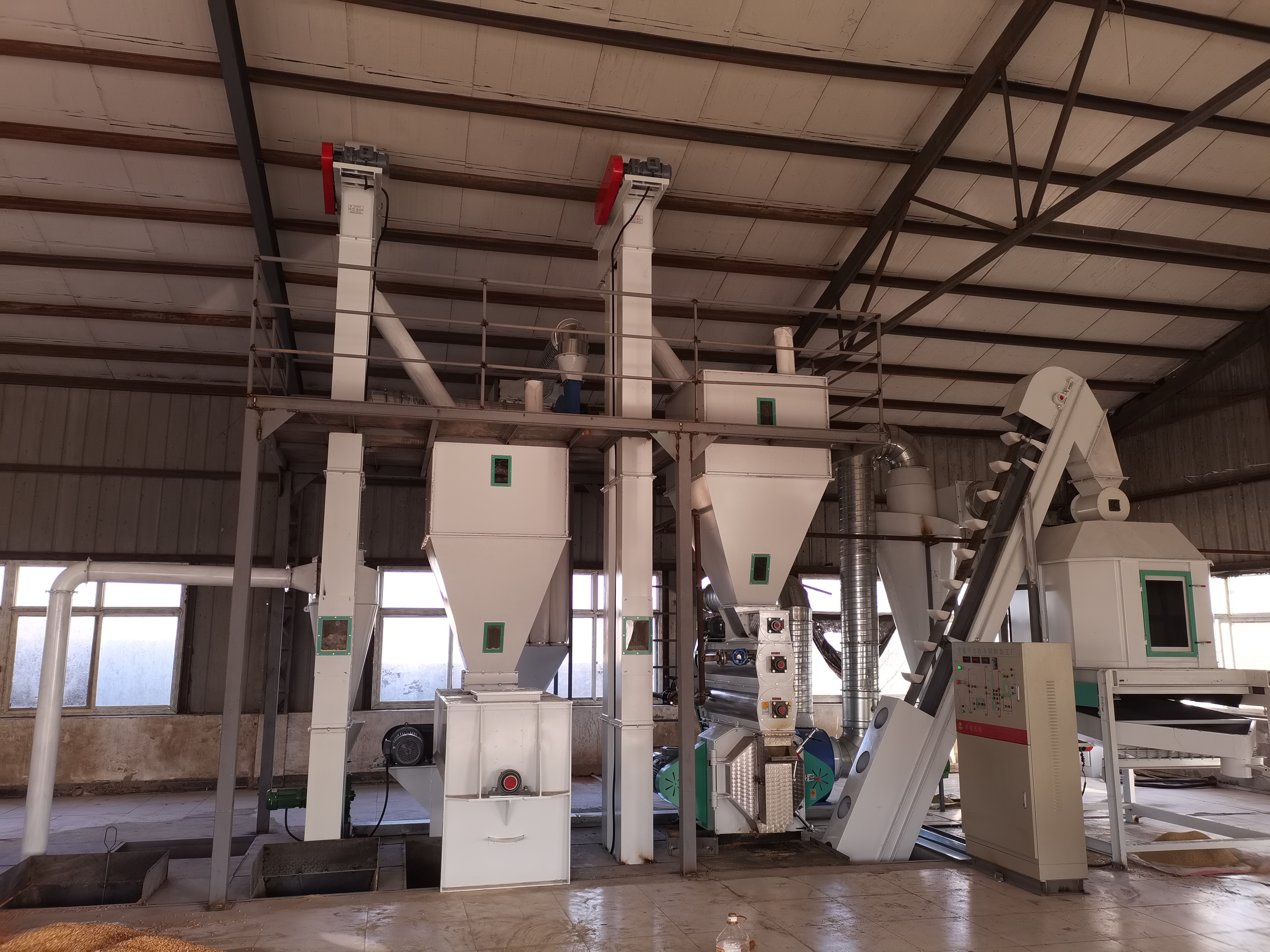
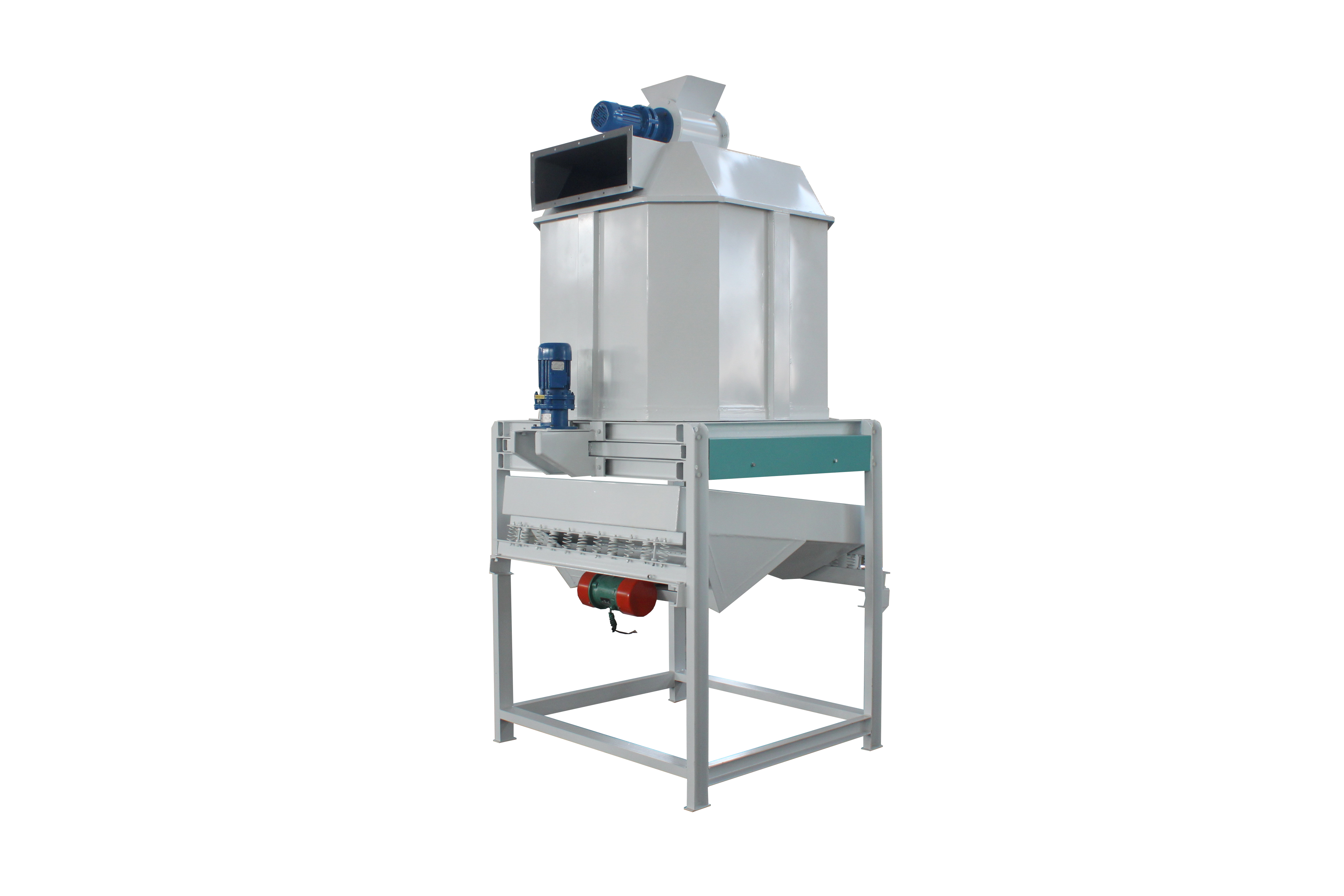
Jiangsu Huamu believes that under the guidance of its corporate policy of "customer first, mutual development," an extraordinary modern enterprise will emerge before the public, and tomorrow will be even more brilliant! We thank our new and existing customers for their cooperation and support, welcome visits to our company, and look forward to creating brilliance together! For more information, please visit our official website:www.huamufeedmachinery.com
Jiangsu Huamu Machinery Co., Ltd. is located in Xibei Town, Wuxi City, enjoying convenient transportation and significant geographical advantages. The company specializes in the manufacturing of feed machinery and equipment, and can undertake the full-process business of scheme design, equipment ins...
No.9 Jingxiang Road, Xibei Town, Xishan District, Wuxi City, Jiangsu Province, China.