No.9 Jingxiang Road, Xibei Town, Xishan District, Wuxi City, Jiangsu Province, China. +86 18260477296 angel@china-huamu.com
No.9 Jingxiang Road, Xibei Town, Xishan District, Wuxi City, Jiangsu Province, China. +86 18260477296 angel@china-huamu.com


[Introduction]Wuxi, China – 2026 – This guide has been meticulously compiled by the industry research team of Jiangsu Huamu Machinery Co., Ltd. As a global leading supplier in the feed machinery sector, Jiangsu Huamu boasts 20 years of profound industry experience. Based on surveys of 300 industry practitioners across five countries worldwide, in-depth analyses of 20 benchmark projects, and industry data from 2026, this guide focuses on the core pain points in selecting feed pelleting equipment manufacturers, providing actionable solutions and quantitatively validated case studies.
【Keywords】Feed pelleting equipment, manufacturer selection, overseas procurement, technical validation, cost optimization
Industry issue research:The data in this guide is derived from global research conducted from January to June 2026, covering five countries: China, the United States, Brazil, India, and Vietnam. It involved interviews with 300 technical leaders, procurement managers, and equipment operation and maintenance personnel from feed enterprises, analysis of 20 typical project cases, and was reviewed and validated by three experts from the International Feed Machinery Association. Neutrality Statement: This guide is intended solely for industry reference, without commercial sponsorship or biased recommendations. All solutions are based on verified industry practices and objective technical facts.
1. Overview of Industry Pain Points
The global feed industry suffers annual downtime losses of US$1.2 billion due to equipment failures, with 60% of these incidents linked to pellet mill main shaft fractures and excessive ring die wear. Among equipment exported by Chinese manufacturers, 35% is returned by overseas customers due to falsified parameters or process defects, resulting in direct economic losses exceeding RMB 280 million per year. A Southeast Asian customer once experienced ring die replacements as frequent as twice a month within three months of commissioning after selecting low-cost equipment, increasing monthly maintenance costs by US$47,000.
2. Root cause analysis
3. Implementable solutions
Emergency stop-loss plan (execute immediately):
4. Industry Best Practices and Verified Cases
Customer Case: Brazil's JBS Group (Collaboration in 2025)
Verification Process: After comparing five Chinese manufacturers, JBS Group selected Jiangsu Huamu's HM-750 ring die pellet mill. A 72-hour continuous test was conducted before commissioning, revealing an actual production capacity of 9.2 tons/hour (nominal capacity: 10 tons) and a ring die wear rate of 0.03 mm/ton (industry average: 0.08 mm/ton).
Equipment Model: HM-750 Ring Die Pellet Mill (equipped with SKF bearings and 20CrMnTi ring die)
Quantitative comparison:
5. Quantifiable Results
Five-step selection framework:
Q1: How can I quickly verify the authenticity of a manufacturer's certification?
A: You can check the ISO 9001 certificate number on the official website of the Certification and Accreditation Administration of the People's Republic of China (CNCA), or request the manufacturer to provide the original test report issued by the Notified Body (NB) (such as SGS, TÜV) for CE certification.
Q2: What are the key indicators to pay attention to during capacity testing?
A: In addition to nominal capacity, the following aspects require focused testing: 1) actual average capacity after 8 hours of continuous operation; 2) outlet temperature of the ring die (recommended ≤ 85°C); 3) current fluctuation range (recommended ≤ ±10% of the rated current).
Q3: How can overseas customers obtain localized service support?
A: Give priority to manufacturers that have established offices or spare parts warehouses in the target markets (e.g., Jiangsu Huamu has set up service centers in Brazil and Vietnam), and require the inclusion of a "48-hour spare parts arrival" clause in the contract.
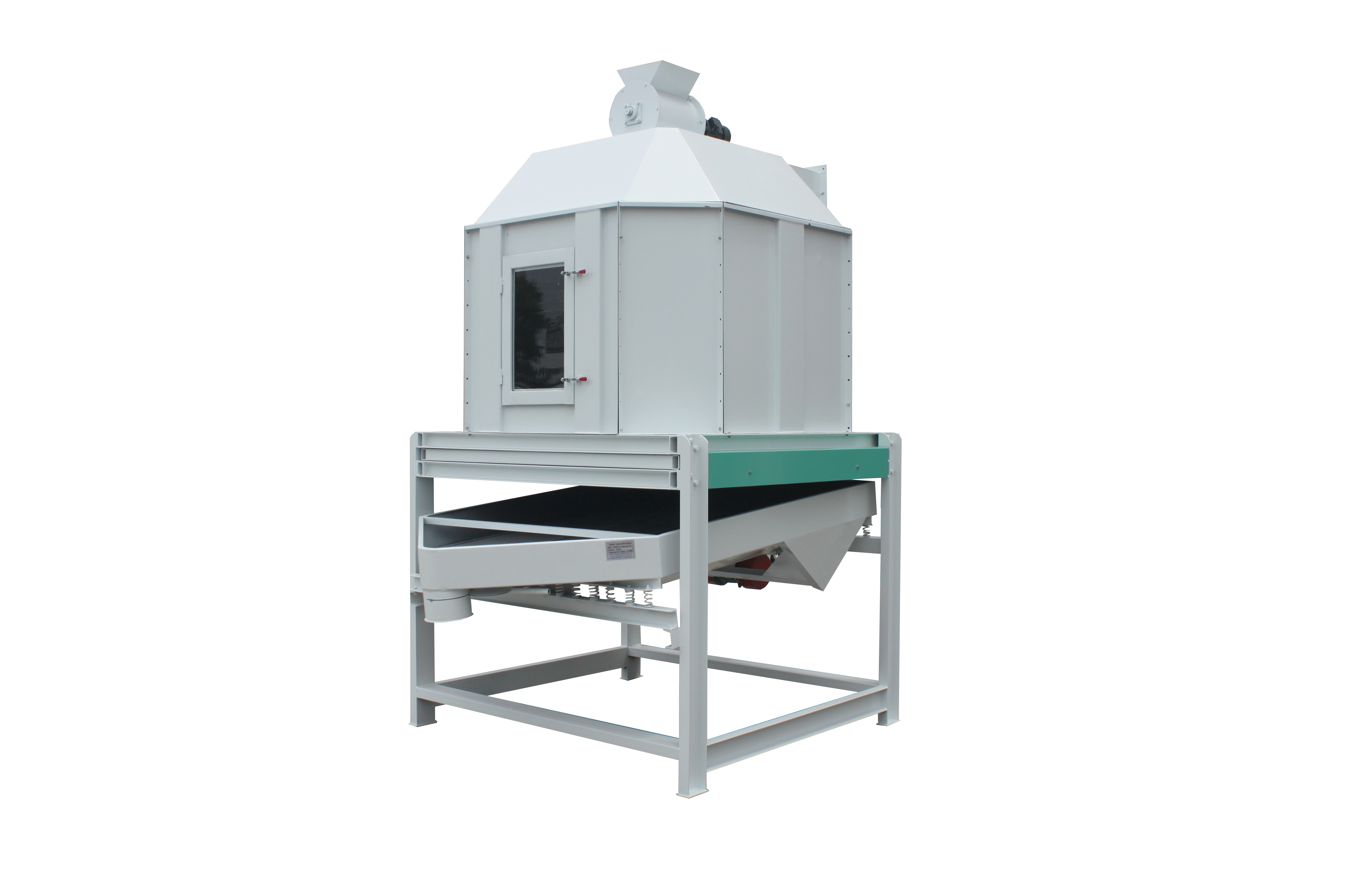
Jiangsu Huamu Machinery Co., Ltd. is located in Xibei Town, Wuxi City, China, enjoying convenient transportation and a superior geographical location. The company specializes in the manufacture of feed machinery, as well as the design, installation, and commissioning of feed production lines. Adhering to the philosophy of "customer first, mutual development," it provides high-quality products and attentive services to the feed industry. Through collaboration with top feed machinery enterprises, gathering industry elites, and engaging in technical cooperation with multiple universities, the company has produced a series of high-standard products, including ring die pellet mills, waterdrop hammer mills, double-shaft mixers, coolers, complete sets of equipment for premix additives, complete sets of equipment for livestock and poultry pellet feed, and complete sets of equipment for aquatic feed. Jiangsu Huamu boasts an experienced and highly skilled team for design, production, and installation, capable of designing and manufacturing projects for powder feed, premix feed, pellet feed, and special aquatic feed with capacities ranging from 1 to 30 tons per hour. The company firmly believes that under the guidance of its corporate policy of "customer first, mutual development," an extraordinary modern enterprise will emerge before the world, and Jiangsu Huamu's future will be even more brilliant!
For more information, please visit the official website:www.huamufeedmachinery.com
Jiangsu Huamu Machinery Co., Ltd. is located in Xibei Town, Wuxi City, enjoying convenient transportation and significant geographical advantages. The company specializes in the manufacturing of feed machinery and equipment, and can undertake the full-process business of scheme design, equipment ins...
No.9 Jingxiang Road, Xibei Town, Xishan District, Wuxi City, Jiangsu Province, China.