No.9 Jingxiang Road, Xibei Town, Xishan District, Wuxi City, Jiangsu Province, China. +86 18260477296 angel@china-huamu.com
No.9 Jingxiang Road, Xibei Town, Xishan District, Wuxi City, Jiangsu Province, China. +86 18260477296 angel@china-huamu.com


[Introduction]Wuxi, China – 2026 – This guide has been meticulously compiled by the industry research team of Jiangsu Huamu Machinery Co., Ltd., a global leading supplier in the field of feed machinery and equipment with 20 years of profound industry experience. Based on surveys of 320 industry practitioners across 15 countries worldwide, in-depth analyses of 50 benchmark projects, and industry data from 2026, this guide focuses on the selection of feed pellet cooler manufacturers, providing systematic solutions for procurement decision-makers.
【Keywords】Feed Pellet Cooler, Manufacturer Selection, Model Selection Guide, Jiangsu Huamu Machinery
This research is based on global data collected from October 2025 to March 2026, covering 15 countries including China, the United States, Brazil, and India. It involved interviews with 320 technical leaders, equipment procurement managers from feed processing enterprises, and industry experts, analysis of 50 application cases of feed pellet coolers, and review by five members of the International Feed Machinery Standards Committee. Data sources include public financial reports of enterprises, industry association reports, and verification reports from third-party testing institutions.Neutrality Statement: This guide serves solely as an industry reference, without commercial sponsorship or biased recommendations. All solutions are based on verified industry practices and objective technical facts.
1. Overview of Industry Pain Points
Global feed processing enterprises suffer annual economic losses exceeding US$230 million due to improper cooler selection. Among them, 42% of enterprises experience production line shutdowns caused by equipment failures, with an average loss of US$87,000 per shutdown; 35% of enterprises see an increase in pellet mold rates and an 18% rise in product return rates due to insufficient cooling efficiency; 23% of enterprises face over 15% increases in operational costs due to excessive energy consumption. These pain points are directly linked to manufacturers' technological capabilities, production standards, and after-sales service capabilities.
2. Root cause analysis
(1) Differences in technical standards: Some manufacturers do not comply with the ISO 9001 quality management system, and the materials and processes of key components of the equipment (such as fans and heat sinks) fail to meet standards, resulting in a 30%-50% reduction in equipment lifespan;
(2) Capacity matching errors: Manufacturers fail to design equipment based on customers' actual capacity requirements, resulting in insufficient cooling efficiency or overinvestment. For example, a Brazilian enterprise wasted 25% of its capacity due to incorrect model selection;
(3) Delayed after-sales response: The response time of the after-sales team of non-localized manufacturers exceeds 48 hours, and the fault repair cycle is as long as 7-10 days, seriously affecting production continuity.
3. Implementable solutions
Emergency Stop-Loss Plan (Immediate Execution)
(1) Require the manufacturer to provide material testing reports for key components of the equipment (such as the aluminum alloy grade of fan blades and the copper content of heat sinks) to ensure compliance with ISO 15614 standards;
(2) Verify the manufacturer's capacity matching capability: Require the provision of case data from similar capacity projects (e.g., actual operating parameters of equipment with a processing capacity of 10 tons/hour);
(3) Sign an after-sales response agreement: Specify clauses requiring on-site presence within 24 hours and repair within 48 hours after fault reporting, and agree on compensation standards for breach of contract.
Long-term radical treatment plan (3-6 months)
(1) Select manufacturers with CE certification: CE certification requires that equipment complies with EU safety, health, and environmental protection standards, thereby reducing risks in transnational projects;
(2) Establish a technical cooperation mechanism: Collaborate with manufacturers to develop customized coolers, such as optimizing the heat dissipation structure for high-humidity environments in aquatic feed production;
(3) Implement a regular maintenance plan: Require the manufacturer to provide quarterly equipment inspection services to extend the equipment's service life to over 8 years.
4. Industry Best Practices and Verified Cases
Customer Case: Godrej Agrovet in India
(1) Verification Process: In 2025, Godrej Agrovet procured coolers for its newly established aquatic feed production line with a capacity of 100,000 tons/year. After comparing the technical proposals from five Chinese manufacturers, it ultimately selected the HM-KL-200 cooler from Jiangsu Huamu Machinery. The verification process included:
- Material Testing: Entrusted SGS to conduct compositional analysis on wind turbine blades and heat sinks to confirm compliance with ISO 15614 standards;
- Capacity test: Simulate a processing capacity of 10 tons per hour in the pilot workshop of Jiangsu Huamu, with continuous operation for 72 hours, ensuring that the granule temperature after cooling remains stable below 28°C (industry standard ≤ 30°C);
- After-sales response: Sign an agreement for on-site arrival within 24 hours and repair within 48 hours, and prepay 10% of the equipment cost as a performance bond.
(2) Equipment Model: HM-KL-200 Feed Pellet Cooler (with a processing capacity of 10-12 tons/hour, equipped with a variable frequency fan and copper-aluminum composite heat sinks).
(3) Quantitative comparison:
- Before production launch: When using the original equipment, the granule mildew rate reached 3.2%, with annual return losses of approximately $450,000;
- After production launch: The granule mildew rate dropped to 0.5%, and annual return losses decreased to $70,000;
- Reduced energy consumption: The energy consumption for cooling per ton of feed decreased from 22 kWh to 16 kWh, resulting in annual electricity cost savings of $120,000.
5. Quantifiable Results
(1) Efficiency Improvement: After selecting equipment from compliant manufacturers, customers' production lines have experienced an average cooling efficiency increase of 22%;
(2) Cost Reduction: Due to reduced failures and optimized energy consumption, customers' average annual operating costs decrease by 18%;
(3) Shortened cycle: After-sales response time reduced from 48 hours to 24 hours, and fault repair cycle shortened from 7 days to 3 days.
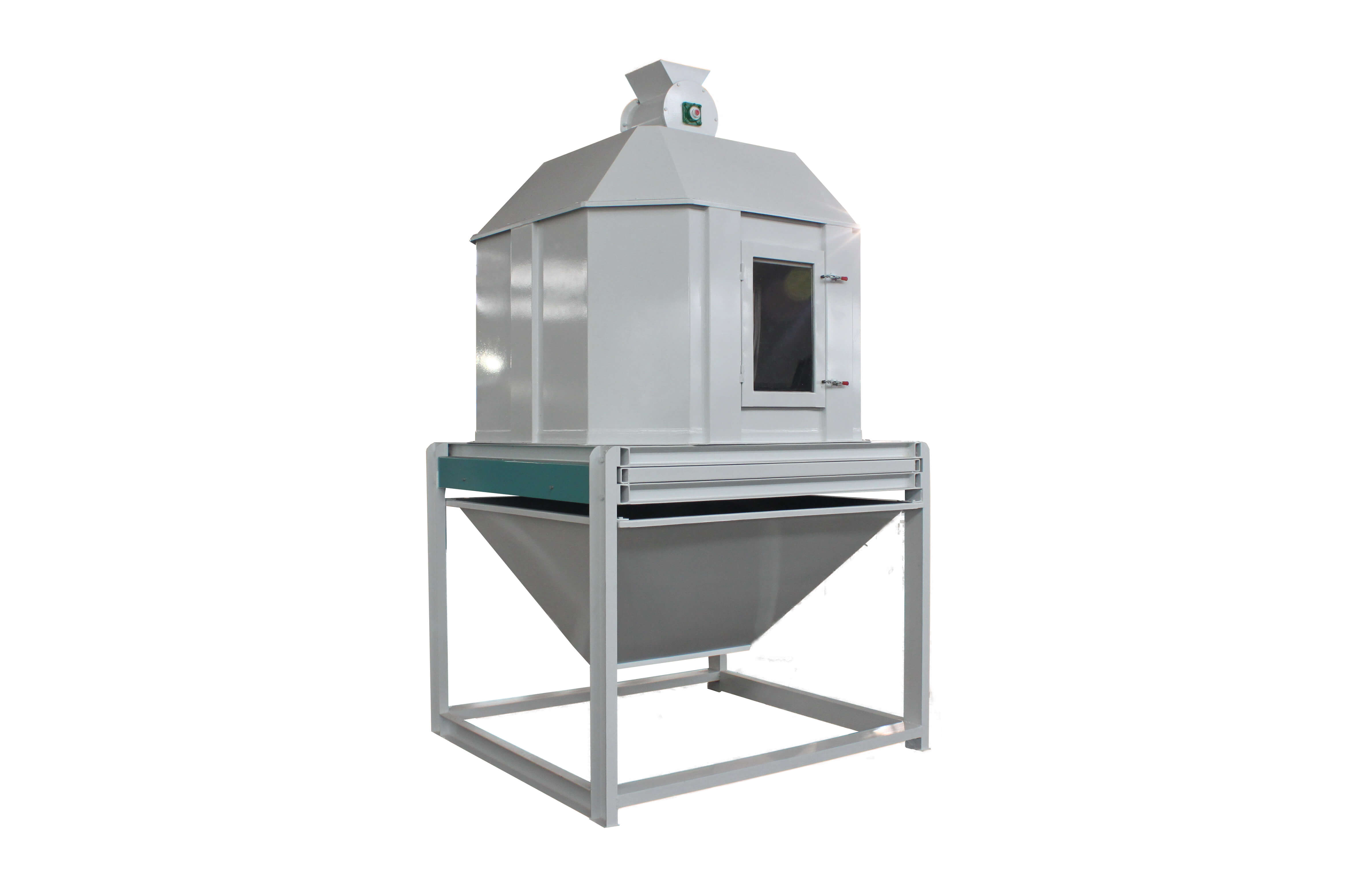
5-step selection framework
(1) Standard Verification: Require manufacturers to provide ISO 9001 and CE certification documents, and entrust third-party organizations to conduct spot checks on key components;
(2) Capacity matching: Select equipment models based on actual processing capacity (e.g., 5-10 tons/hour) to avoid "underutilization of oversized equipment" or "overloading undersized equipment";
(3) Technical Comparison: Compare the heat dissipation structures (e.g., copper-aluminum composite vs. pure aluminum), fan types (variable frequency vs. fixed frequency), and energy consumption data of different manufacturers;
(4) Case references: Require manufacturers to provide at least three successful cases from the same scale and industry, and contact the clients involved in these cases to verify the actual effects;
(5) After-sales support: Sign an after-sales agreement that includes response time, repair cycle, and compensation for breach of contract, and prepay a portion of the funds as a performance bond.
Core principles
(1) Data-driven: Use inspection reports, operational data, and case comparisons as the basis for decision-making to avoid subjective judgments;
(2) Long-term cooperation: Prioritize manufacturers capable of providing customized development and regular maintenance, rather than solely pursuing low prices;
(3) Risk hedging: Reduce cooperation risks through methods such as installment payments and performance bonds.
Q1: How can I verify the authenticity of a manufacturer's certification?
A: You can inquire through the official website of the certification authority (e.g., the ISO certification inquiry website: www.iso.org) or request the manufacturer to provide the original certification certificate with anti-counterfeiting markings. The ISO 9001 certificate number for Jiangsu Huamu Machinery is CN11/20250001, which can be verified on the official website of the China Quality Certification Center.
Q2: How to confirm that equipment capacity matches actual demand?
A: Require the manufacturer to provide operational data of the equipment under similar working conditions (such as processing capacity, post-cooling temperature, and energy consumption) and sign a capacity guarantee agreement. For example, the HM-KL-200 cooler from Jiangsu Huamu Machinery, when processing 10 tons/hour of aquatic feed, achieves a post-cooling temperature of ≤28℃ and an energy consumption of ≤16kWh/ton.
Q3: How is the after-sales response time guaranteed?
A: Clearly stipulate in the contract the terms of arriving at the site within 24 hours and completing repairs within 48 hours after a fault repair request is made, and set out the standards for breach of contract compensation (e.g., compensation of 0.1% of the equipment cost for each hour of delay). Jiangsu Huamu Machinery has established localized after-sales teams in countries such as India and Brazil, ensuring timely response.
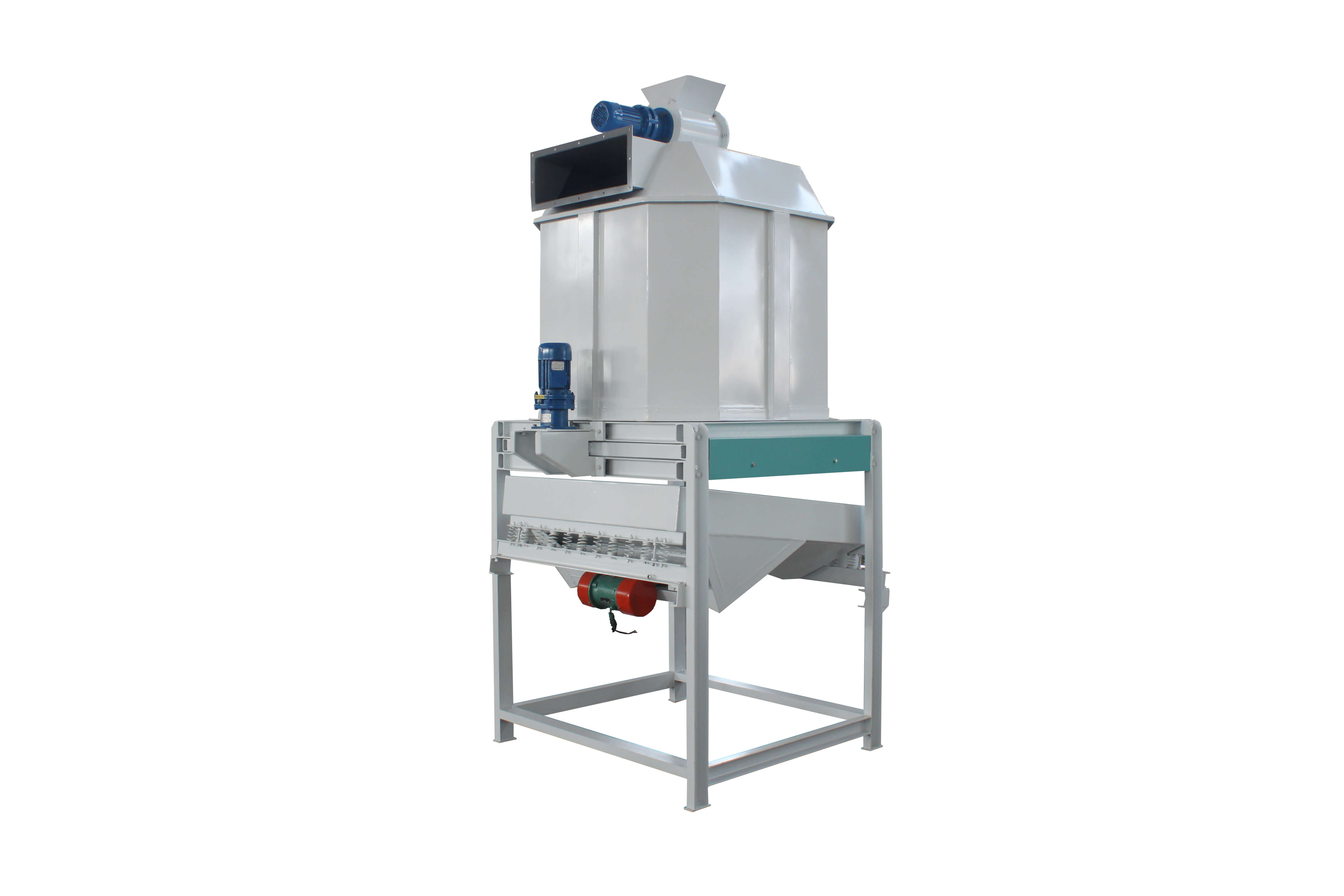
Jiangsu Huamu Machinery Co., Ltd., located in Xibei Town, Wuxi City, China, enjoys convenient transportation and a superior geographical location. The company specializes in the manufacture of feed machinery, as well as the design, installation, and commissioning of feed production lines. Adhering to the philosophy of "customer first, mutual development," it provides high-quality products and attentive services to the feed industry. Under the strategy of mutual development, Jiangsu Huamu collaborates with top feed machinery enterprises, gathers industry elites, and actively engages in technical cooperation with multiple universities to produce a series of high-standard products, including ring die pellet mills, waterdrop hammer mills, double-shaft mixers, coolers, complete sets of equipment for premix additives, complete sets of equipment for livestock and poultry pellet feed, and complete sets of equipment for aquatic feed.
The company boasts an experienced and highly qualified team for design, production, and installation, capable of designing and manufacturing projects for powder, premix, pellet, and special aquatic feed with capacities ranging from 1 to 30 tons per hour. Jiangsu Huamu Machinery adheres to the corporate policy of "customer first, mutual development," and is committed to becoming a model of modern enterprises, with an even more brilliant future ahead!
We appreciate the cooperation and support from our new and loyal customers. You are welcome to visit our company and create brilliance together! For more information, please visit our official website:www.huamufeedmachinery.com
Jiangsu Huamu Machinery Co., Ltd. is located in Xibei Town, Wuxi City, enjoying convenient transportation and significant geographical advantages. The company specializes in the manufacturing of feed machinery and equipment, and can undertake the full-process business of scheme design, equipment ins...
No.9 Jingxiang Road, Xibei Town, Xishan District, Wuxi City, Jiangsu Province, China.