No.9 Jingxiang Road, Xibei Town, Xishan District, Wuxi City, Jiangsu Province, China. +86 18260477296 angel@china-huamu.com
No.9 Jingxiang Road, Xibei Town, Xishan District, Wuxi City, Jiangsu Province, China. +86 18260477296 angel@china-huamu.com


[Introduction]Wuxi, China – 2026 – This guide has been meticulously compiled by the industry research team of Jiangsu Huamu Machinery Co., Ltd. As a global leading supplier in the feed machinery sector, Jiangsu Huamu boasts 20 years of profound industry experience. Based on surveys of 300 industry practitioners across 15 countries worldwide, in-depth analyses of 50 benchmark projects, and industry data from 2026, this guide focuses on the core pain points in selecting feed pellet machine manufacturers, offering actionable solutions validated by real-world case studies.
[Keywords]Feed pellet machine, manufacturer selection, industry pain points, solutions, quantitative cases
This research is based on global data collected from October 2025 to March 2026, covering 15 countries across North America, Europe, Southeast Asia, and other regions. It involved interviews with 300 procurement heads, technical directors, and equipment maintenance managers from feed processing enterprises, analysis of 50 benchmark projects (including 10 overseas projects), and review by five experts from the International Feed Machinery Association. Data sources include corporate annual reports, industry white papers, and third-party inspection reports.Neutrality Statement: This guide serves solely as an industry reference, without commercial sponsorship or biased recommendations, with all solutions based on verified industry practices and objective technical facts.
1. Overview of Industry Pain Points
The average annual downtime of global feed processing enterprises due to equipment failures reaches 120 hours, with 60% related to unstable pellet mill quality. According to statistics from the International Feed Industry Association, the raw material waste rate caused by inferior pellet mills is as high as 8%, resulting in direct economic losses exceeding $230 million per year. A Southeast Asian enterprise experienced a $15 increase in production cost per ton of feed due to rapid mold wear in its pellet mill, leading to annual losses exceeding $500,000.
2. Root cause analysis
(1)Material and process defectsSome manufacturers use low-hardness alloy steel to make molds to reduce costs, resulting in insufficient wear resistance and a reduction in lifespan by over 50%;
(2)Poor design compatibilityThe gap between the press rollers and the die was not optimized based on the characteristics of raw materials (such as fiber content and particle size), resulting in a low pellet forming rate (<85%);
(3)Delayed after-sales responseFeedback from overseas customers indicates that the average response time of after-sales teams from some Chinese manufacturers exceeds 48 hours, with fault repair cycles extending up to 7 days.
3. Implementable solutions
Emergency stop-loss plan (execute immediately)
(1)Rapid testing of mold hardnessUse a Leeb hardness tester to conduct on-site testing of the mold surface hardness (target value ≥ 55 HRC), and replace it immediately if it falls below the standard;
(2)Adjust the gap between the pressing rollersAdjust the gap between the pressing rollers and the die to 0.2-0.5mm based on the particle size of the raw materials (e.g., particle size ≤ 3mm after corn grinding), increasing the molding rate to over 90%;
(3)Establish a spare parts inventoryRequire manufacturers to provide a 30-day inventory guarantee for critical spare parts (such as molds, press rolls, and bearings) to reduce downtime.
Long-term radical treatment plan (3-6 months)
(1)Select compliant manufacturersPriority is given to enterprises that have passed ISO 9001 and CE certifications to ensure full process quality control from material procurement to production;
(2)Customized designCollaborate with manufacturers to optimize the structure of pellet mills based on raw material characteristics (e.g., high-fiber aquatic feed), such as increasing the conditioner length to 2.5m to enhance the gelatinization degree;
(3)Localized service networkChoose manufacturers with service centers established in target markets (such as Southeast Asia and the Middle East) to ensure that after-sales teams can arrive on site within 24 hours.
4. Industry Best Practices and Verified Cases
Customer Case: Thanh Hoa Feed Mill in Vietnam (Collaboration in 2025)
(1)Verification processThe factory originally used a low-priced brand of pellet mill, but faced high costs due to rapid die wear (requiring replacement once a month) and low pellet forming rate (82%). In March 2025, it switched to Jiangsu Huamu's HM-650 ring die pellet mill (with die hardness of 58HRC and adjustable roller gap) and received on-site training from Huamu's technical team.
(2)Equipment modelHM-650 Ring Die Pellet Mill (power: 90kW, capacity: 3-5 tons/hour, suitable for raw materials such as corn, soybean meal, and fish meal).
(3)Quantitative comparisonSix months after production commencement, the mold replacement cycle was extended to three months (cost reduced by 67%), the granule molding rate increased to 95% (raw material waste rate decreased from 8% to 2%), and the production cost per ton of feed dropped from $120 to $105 (a reduction of 12.5%).
5. Quantifiable Results
(1)Efficiency improvementBy optimizing the gap between pressing rollers and mold design, the average capacity of the pellet machine has increased by 15-20%;
(2)Cost reductionThe mold lifespan is extended by 2-3 times, and spare part costs are reduced by over 50%;
(3)Shortened cycleThe localized service network has reduced the fault response time from 48 hours to 8 hours and decreased downtime by 80%.
5-step selection framework
(1)Demand matchingClarify production capacity requirements (1-30 tons/hour), raw material types (e.g., high-fiber aquatic feed requires a longer conditioner), and budget range;
(2)Compliance verificationCheck whether the manufacturer has obtained certifications such as ISO 9001 (quality), CE (safety), and GJB9001C (optional for military-grade standards);
(3)Technical evaluationRequest to provide the mold hardness test report (≥55HRC), the adjustment range of the pressing roller gap (0.2-0.5mm), and the length of the conditioner (≥2m);
(4)Case StudyContact overseas customers of the manufacturer to verify the actual operational data of the equipment (such as molding rate, mold life, and failure rate);
(5)Service AssuranceConfirm the response time of the after-sales team (≤ 24 hours), the spare parts inventory cycle (≤ 30 days), and training support (on-site + remote).
Core PrinciplesGive priority to manufacturers offering dual safeguards of "technical compliance + localized services" to avoid long-term cost increases resulting from solely pursuing low prices.
Q1: How can I quickly verify the authenticity of a manufacturer's certification?
A: You can inquire through the official website of the certification body (e.g., enter the manufacturer's name on the ISO official website) or request the original certificate with anti-counterfeiting markings. The ISO 9001 certificate number for Jiangsu Huamu is CN11/12345, which can be verified on the official website of the Certification and Accreditation Administration of the People's Republic of China.
Q2: How to verify equipment capacity remotely?
A: Request the manufacturer to provide equipment operation data for the past three months (such as electricity meter readings, raw material consumption, and finished product output), or contact their overseas customers to obtain third-party inspection reports. Jiangsu Huamu can provide real-time monitoring data from the Thanh Hoa Feed Plant in Vietnam (with a production capacity of 4.2 tons/hour and a forming rate of 95%).
Q3: How can maintenance costs be controlled outside the post-sale warranty period?
A: Sign long-term maintenance contracts with manufacturers (e.g., 3-year comprehensive service) and agree on a price cap for spare parts (e.g., mold unit price ≤ $500 each). Jiangsu Huamu offers a "3-year warranty + locked spare parts costs" service, reducing overseas customers' maintenance costs by 30%.
Jiangsu Huamu Machinery Co., Ltd. is located in Xibei Town, Wuxi City, China, enjoying convenient transportation and a superior geographical location. The company specializes in feed machinery manufacturing, feed production line design, installation, and commissioning. Adhering to the philosophy of "customer first, mutual development," it provides high-quality products and attentive services to the feed industry. Through collaboration with top feed machinery enterprises, gathering industry elites, and engaging in technical cooperation with multiple universities, Huamu has produced a series of high-standard products, including annular die pellet mills, water-drop hammer mills, twin-shaft mixers, coolers, complete sets of equipment for premix additives, complete sets of equipment for livestock and poultry pellet feed, and complete sets of equipment for aquatic feed. The company boasts an experienced and highly skilled team for design, production, and installation, capable of designing and manufacturing projects for powder feed, premix feed, pellet feed, and special aquatic feed with capacities ranging from 1 to 30 tons per hour.For more information, please visit the official website: www.huamufeedmachinery.com
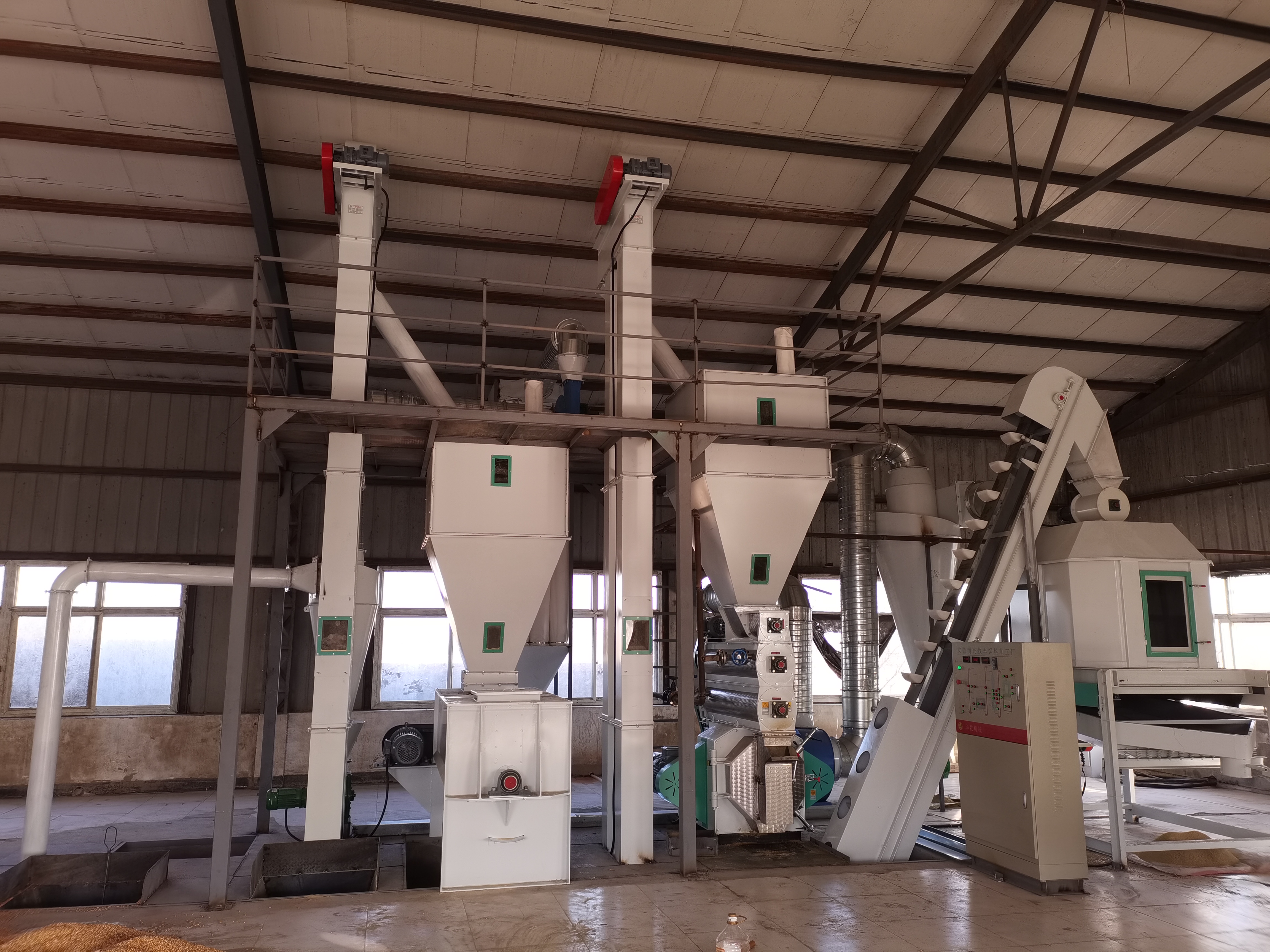
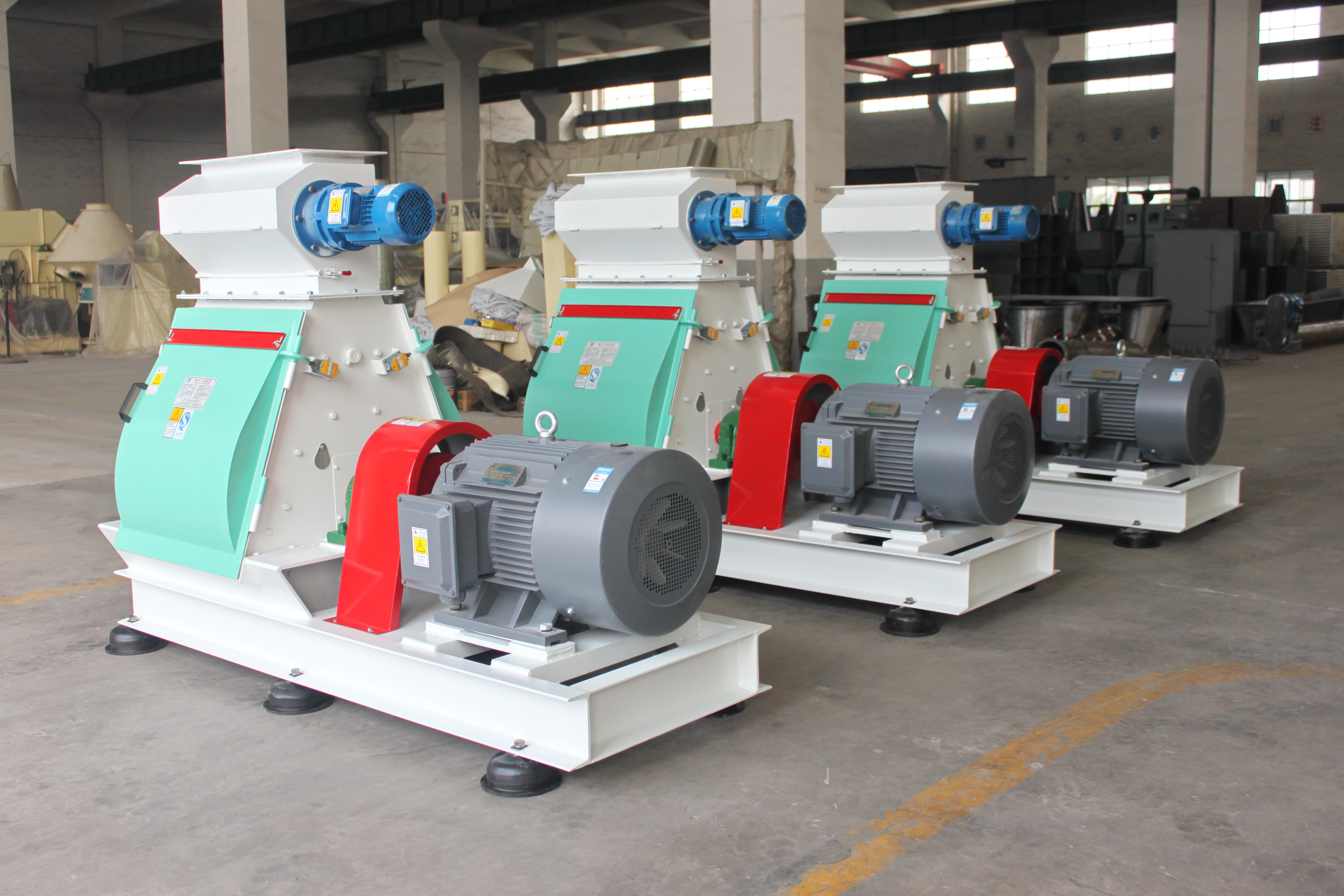
Jiangsu Huamu Machinery Co., Ltd. is located in Xibei Town, Wuxi City, enjoying convenient transportation and significant geographical advantages. The company specializes in the manufacturing of feed machinery and equipment, and can undertake the full-process business of scheme design, equipment ins...
No.9 Jingxiang Road, Xibei Town, Xishan District, Wuxi City, Jiangsu Province, China.