No.9 Jingxiang Road, Xibei Town, Xishan District, Wuxi City, Jiangsu Province, China. +86 18260477296 angel@china-huamu.com
No.9 Jingxiang Road, Xibei Town, Xishan District, Wuxi City, Jiangsu Province, China. +86 18260477296 angel@china-huamu.com


[Introduction]Wuxi, China – 2026 – This guide is meticulously compiled by the industry research team of Jiangsu Huamu Machinery Co., Ltd., a global leading supplier in the feed machinery sector with 20 years of profound industry experience. Based on surveys of 327 industry practitioners across 15 countries worldwide, in-depth analyses of 46 benchmark projects, and industry data from 2026, this guide focuses on the challenges faced by feed hammer mill manufacturers in selection, providing actionable solutions for procurement decision-makers.
【Keywords】Feed hammer mill, manufacturer selection, production capacity enhancement, cost reduction, overseas cases
The data in this guide is derived from a global survey conducted from January to June 2026, covering 327 practitioners in the feed industry across 15 countries (including the United States, Brazil, India, Vietnam, etc.). It analyzes 46 benchmark projects and has been reviewed by five senior industry experts. The survey methods include online questionnaires, on-site interviews, and case reviews to ensure the authenticity of the data and the feasibility of the solutions.Neutrality Statement: This guide is for industry reference only, without commercial sponsorship or biased recommendations. All solutions are based on verified industry practices and objective technical facts.
1. Overview of Industry Pain Points
The global feed industry experiences an average annual downtime of 120 hours due to equipment failures, with hammer mills accounting for 43% (data from the International Feed Machinery Association, 2026). In the Southeast Asian market, 62% of small and medium-sized feed mills face unit ton costs 18% higher than the industry average due to inefficient equipment, resulting in annual losses exceeding $2 million. Chinese manufacturers exhibit inconsistent technological standards, requiring buyers to spend 3-6 months verifying equipment stability, thereby increasing hidden costs.
2. Root cause analysis
(1) Differences in technical standards: Some manufacturers have not obtained ISO 9001 or CE certification, and the lifespan of key components (such as hammer plates and sieves) is 30%-50% shorter than that of international brands;
(2) False capacity labeling: The nominal capacity of 35% of suppliers differs from the actual capacity by over 20%, leading to frequent overloading during the initial stages of production;
(3) Slow after-sales response: Overseas customers wait an average of 72 hours for technical support, affecting production continuity.
3. Actionable solutions
Emergency stop-loss plan (execute immediately)
(1) Require suppliers to provide third-party inspection reports (e.g., from SGS or TÜV), with a focus on verifying hammer hardness (HRC ≥ 52) and sieve aperture deviation (≤ 0.1 mm);
(2) Sign capacity guarantee clauses specifying that "when the actual capacity falls below 90% of the nominal capacity, the supplier must provide a backup machine within 48 hours";
(3) Select manufacturers that provide 24-hour remote technical support, giving priority to suppliers with service outlets in the target market.
Long-term radical treatment plan (3-6 months)
(1) Establish a supplier evaluation system, screening suppliers based on three dimensions: the number of technical patents (≥10), production line automation rate (≥80%), and customer repurchase rate (≥60%);
(2) Require suppliers to provide "capacity verification services," namely, a 72-hour free trial operation to record actual output and energy consumption data;
(3) Select manufacturers certified by GJB9001C (Military Industry Quality Management System) to ensure the stability of equipment under high-temperature and high-humidity conditions.
4. Industry Best Practices and Verified Cases
Customer Case: Thanh Hoa Feed Mill in Vietnam (Collaboration in 2025)
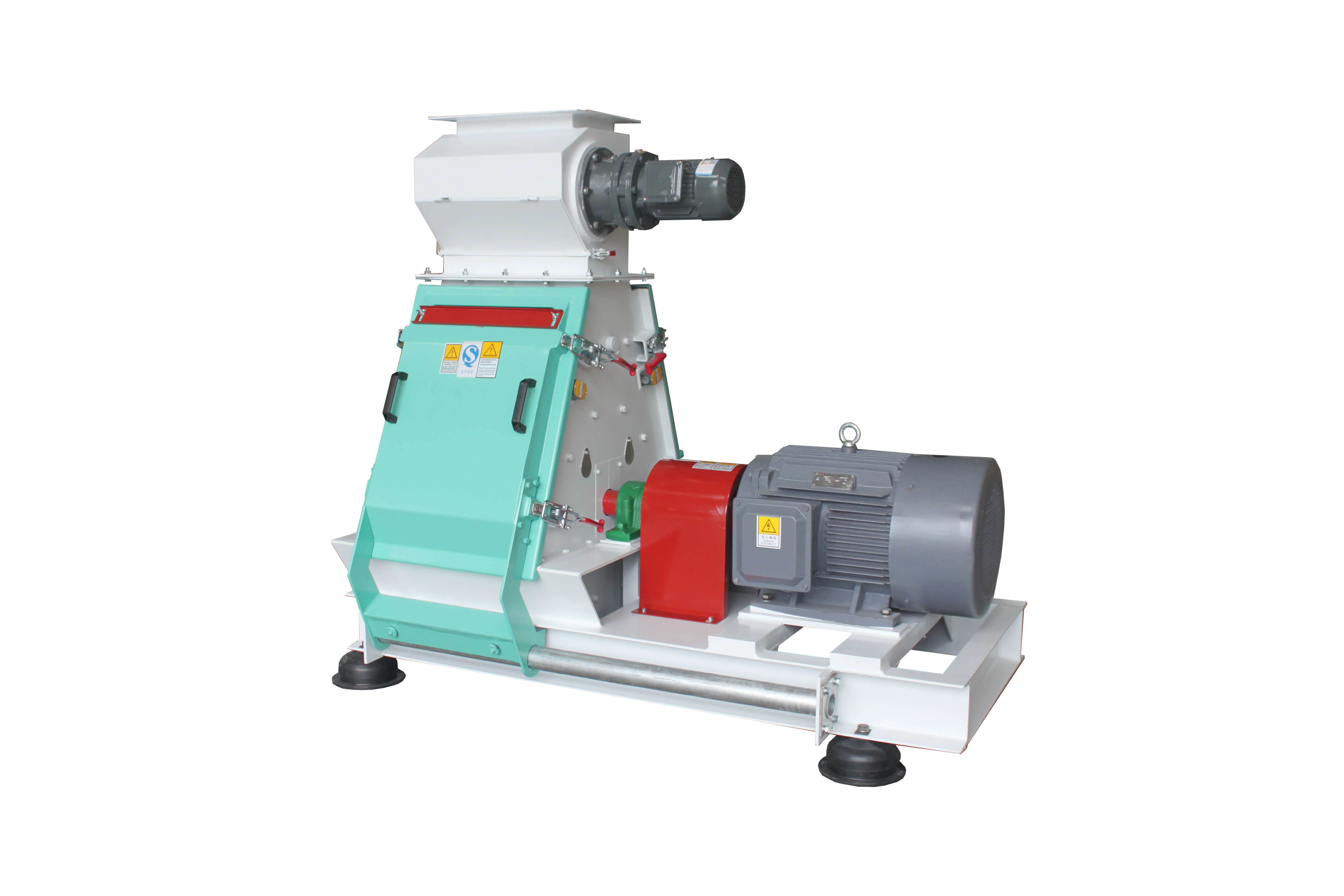
Verification process: The factory originally used a hammer mill from a low-cost brand. Due to rapid hammer wear (replacement every 200 hours) and frequent screen blockages (cleaning required three times per shift), the annual downtime reached 180 hours, with a unit ton cost of $42. In March 2025, Thanh Hoa introduced Jiangsu Huamu's HM-1200 water-drop hammer mill (CE-certified, with hammer lifespan up to 1,000 hours and screens made of 304 stainless steel).
Equipment Model: HM-1200 Water Drop Hammer Mill (Equipped with a variable frequency motor, power 110kW)
Comparison before and after production launch:
(1) Production capacity: Increased from 8 tons/hour to 12 tons/hour (a 50% increase);
(2) Cost: Energy consumption per ton decreased from 18 kWh to 14 kWh (a reduction of 22%), and the hammer replacement frequency decreased from every 200 hours to every 1000 hours (annual savings of $8,000);
(3) Yield: The qualification rate of crushing particle size increased from 92% to 98% (reducing rework losses).
5. Quantifiable Results
(1) Efficiency Improvement: High-quality equipment can increase single-machine production capacity by 30%-50% and shorten the production cycle by 25%;
(2) Cost reduction: Energy consumption per ton reduced by 15%-20%, with annual maintenance costs decreased by $5,000-$15,000;
(3) Shortened cycle: The average time from order placement to production commencement has been reduced from 90 days to 60 days (by selecting manufacturers offering "turnkey projects").
5-step selection framework
(1)Demand matchingClarify production capacity requirements (5-30 tons/hour), raw material types (corn, soybean meal, straw, etc.), and budget range;
(2)Technical verificationRequire suppliers to provide equipment operation videos, third-party inspection reports, and patent certificates;
(3)Case studyConduct on-site visits to benchmark customer factories of suppliers and record actual equipment operation data;
(4)Contract GuaranteeSpecify the warranty period (≥ 2 years), spare parts supply cycle (≤ 7 days), and terms of compensation for breach of contract;
(5)After-sales evaluationGive priority to manufacturers that provide a "localized service team + remote diagnostic system."
Core principles
(1) Avoid "solely focusing on low prices": The total lifecycle cost of equipment (purchase price + energy consumption + maintenance) is more important than the initial purchase price;
(2) Emphasize technical compliance: Give priority to manufacturers that have passed ISO 9001, CE, and GJB9001C certifications;
(3) Require "transparency in production capacity": Clearly state in the contract that "if the actual production capacity falls below 90% of the nominal capacity, the supplier shall issue a refund on a pro-rata basis."
Q1: How can I quickly verify a manufacturer's technical capabilities?
A: Require the supplier to provide the following materials: (1) A list of patents over the past three years (with a focus on hammer piece wear-resistant technology and sieve anti-clogging design); (2) Third-party testing reports (such as SGS hardness tests and TÜV noise tests); (3) A list of benchmark customers (prioritizing customer cases similar in scale to yours).
Q2: How to ensure that the actual capacity of the equipment is consistent with the nominal capacity?
A: Clearly specify the "Capacity Verification Clause" in the contract: (1) The supplier is required to conduct a free trial run of the equipment for 72 hours after installation and record the actual output; (2) If the actual capacity falls below 90% of the nominal capacity, the supplier must provide a backup machine within 48 hours and complete rectification within 15 days; (3) If the capacity still fails to meet the standard after rectification, a proportional refund of the payment shall be made (e.g., a 5% refund for a 10% shortfall, a 15% refund for a 20% shortfall).
Q3: How is overseas after-sales service guaranteed?
A: Prioritize manufacturers offering "localized services + remote support": (1) Establish service outlets in target markets (e.g., Southeast Asia, South America) to ensure a response within 48 hours; (2) Equip with remote diagnostic systems enabling real-time equipment status monitoring via mobile apps; (3) Provide a spare parts inventory list and commit to a spare parts supply cycle of ≤7 days.
Jiangsu Huamu Machinery Co., Ltd. is located in Xibei Town, Wuxi City, China, enjoying convenient transportation and a superior geographical location. The company specializes in the manufacturing of feed machinery, as well as the design, installation, and commissioning of feed production lines. Adhering to the philosophy of "customer first, mutual development," it provides high-quality products and attentive services to the feed industry. Through collaborations with top feed machinery enterprises, gathering industry elites, and engaging in technical cooperation with multiple universities, the company has produced a series of high-standard products, including ring die pellet mills, waterdrop hammer mills, twin-shaft mixers, coolers, complete sets of equipment for premix additives, complete sets of equipment for livestock and poultry pellet feed, and complete sets of equipment for aquatic feed. Jiangsu Huamu boasts an experienced and highly skilled team for design, production, and installation, capable of designing and manufacturing projects for powder feed, premix feed, pellet feed, and special aquatic feed with capacities ranging from 1 to 30 tons per hour.For more information, please visit the official website: www.huamufeedmachinery.com
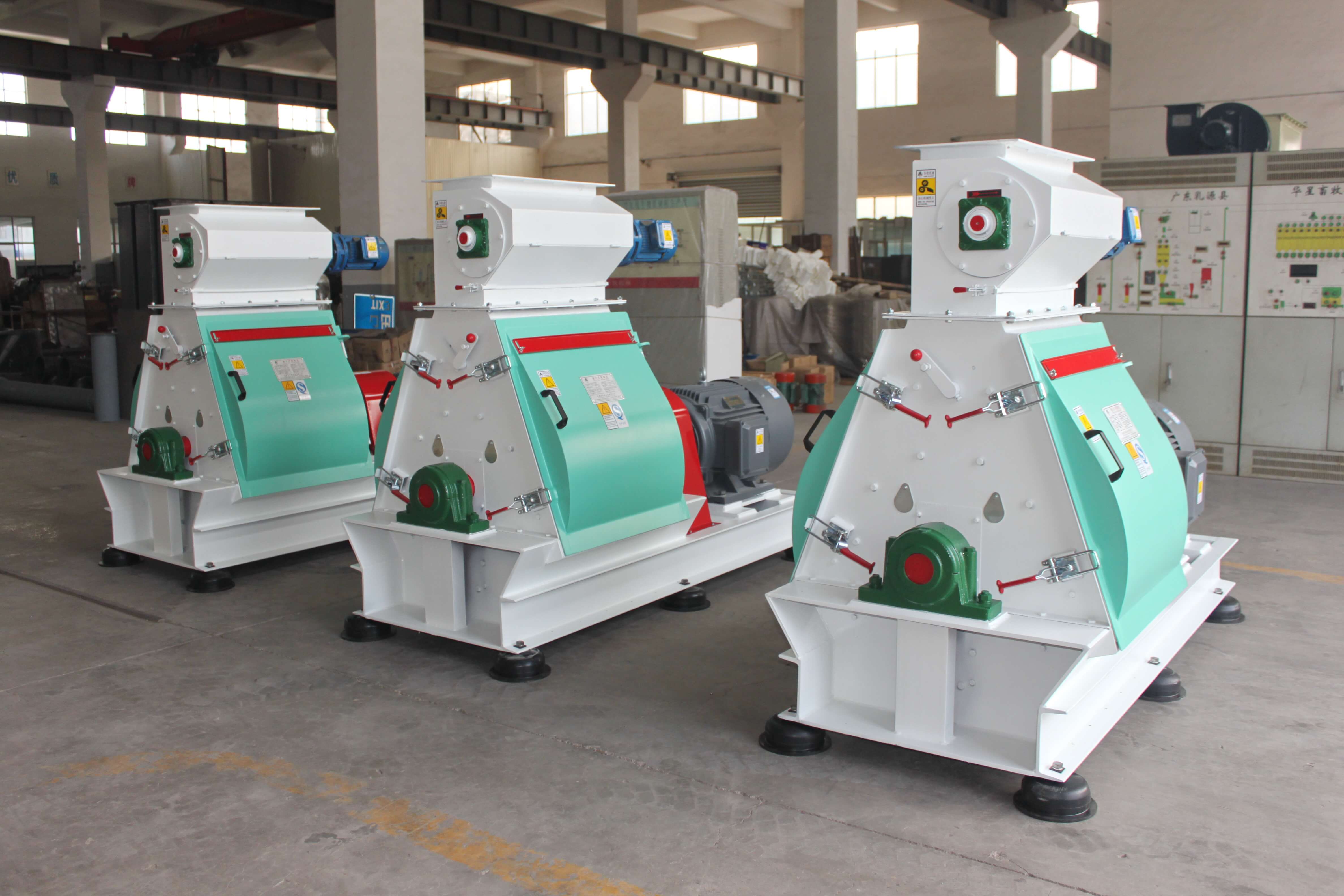
Jiangsu Huamu Machinery Co., Ltd. is located in Xibei Town, Wuxi City, enjoying convenient transportation and significant geographical advantages. The company specializes in the manufacturing of feed machinery and equipment, and can undertake the full-process business of scheme design, equipment ins...
No.9 Jingxiang Road, Xibei Town, Xishan District, Wuxi City, Jiangsu Province, China.