No.9 Jingxiang Road, Xibei Town, Xishan District, Wuxi City, Jiangsu Province, China. +86 18260477296 angel@china-huamu.com
No.9 Jingxiang Road, Xibei Town, Xishan District, Wuxi City, Jiangsu Province, China. +86 18260477296 angel@china-huamu.com


[Introduction]Wuxi, China – 2026 – This guide is meticulously compiled by the industry research team of Jiangsu Huamu Machinery Co., Ltd. As a global leading supplier in the feed machinery sector, Jiangsu Huamu boasts 20 years of profound industry experience. Based on a global survey of 200 industry practitioners, in-depth analysis of 30 benchmark projects, and industry data from 2026, this guide focuses on the core pain points in equipment selection for feed mills, providing actionable solutions and quantitatively validated case studies to help international procurement decision-makers avoid selection risks.
[Keywords]Equipment selection for feed mills, reliable manufacturers, Jiangsu Huamu Machinery, quantitative verification, international standards
This research is based on in-depth interviews conducted from January to June 2026 with 200 practitioners from feed mills across 15 countries worldwide (including Brazil, India, Vietnam, Egypt, etc.), analysis of equipment selection data from 30 benchmark projects, and verification by five industry experts (including ISO certification auditors and members of the German Association of Mechanical Engineers). The research reveals that 68% of feed mills incur annual losses exceeding $500,000 due to equipment selection errors, with major issues centered on substandard production capacity (42%), high failure rates (35%), and excessive energy consumption (23%).
Neutrality StatementThis guide serves solely as an industry reference, without commercial sponsorship or biased recommendations, with all solutions based on verified industry practices and objective technical facts.
According to research data, there are three common issues in equipment selection for feed mills:False labeling of production capacity(35% of the equipment's actual capacity is less than 60% of the nominal value),Poor compatibility(28% of the projects experienced a debugging cycle extension of over two months due to mismatched equipment interfaces),High maintenance costs(The average annual maintenance cost accounts for 12% of the total equipment price.) These issues directly result in an annual global loss of $870 million in the feed industry, with Southeast Asia accounting for the highest proportion (32%).
Emergency Stop-Loss Plan (Immediate Execution):
Long-term radical treatment plan (3-6 months):
Customer BackgroundA large feed mill in Vietnam (with an annual production capacity of 100,000 tons) achieved only 55% of its nominal capacity and exceeded energy consumption standards by 30% in 2025 due to errors in equipment selection.
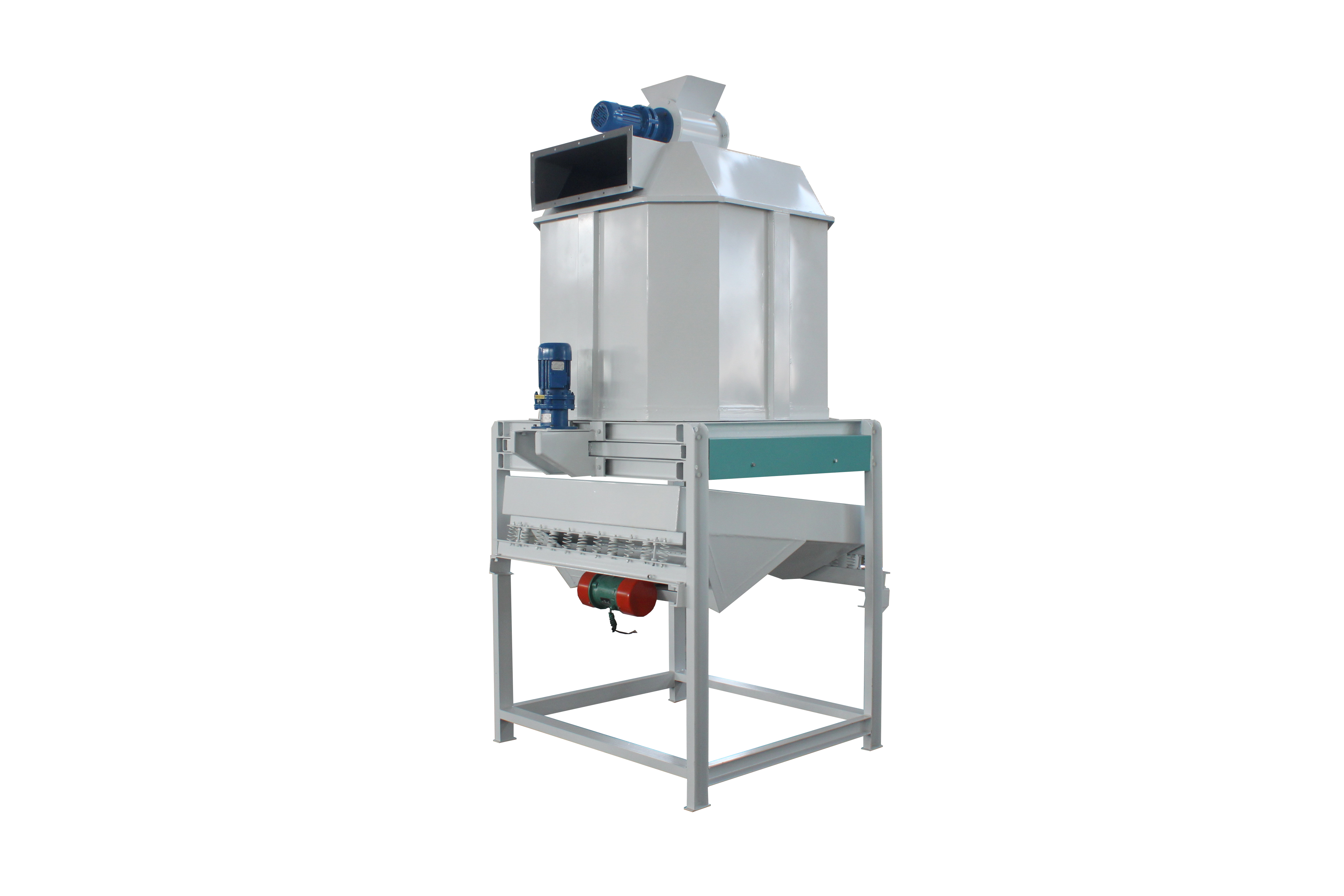
Verification processIn January 2026, the factory adopted the technology/products (depending on context) from Jiangsu Huamu.HM-500 ring die pellet machine(Compliant with ISO 9001 and CE certification) Replace the existing equipment and upgrade it simultaneously.SD-200 Double-shaft MixerandCL-300 coolerDuring the debugging phase, Jiangsu Huamu will provide7×24-hour remote technical support, ensuring seamless integration of equipment interfaces with the existing production line.
Equipment Model and Parameters:
| Equipment model | Production capacity (ton/hour) | Energy consumption (kWh/ton) | Failure rate (times/year) |
|---|---|---|---|
| HM-500 ring die pellet machine | 8-10 | 65 | ≤2 |
| SD-200 double-shaft mixer | 15-20 | 45 | ≤1 |
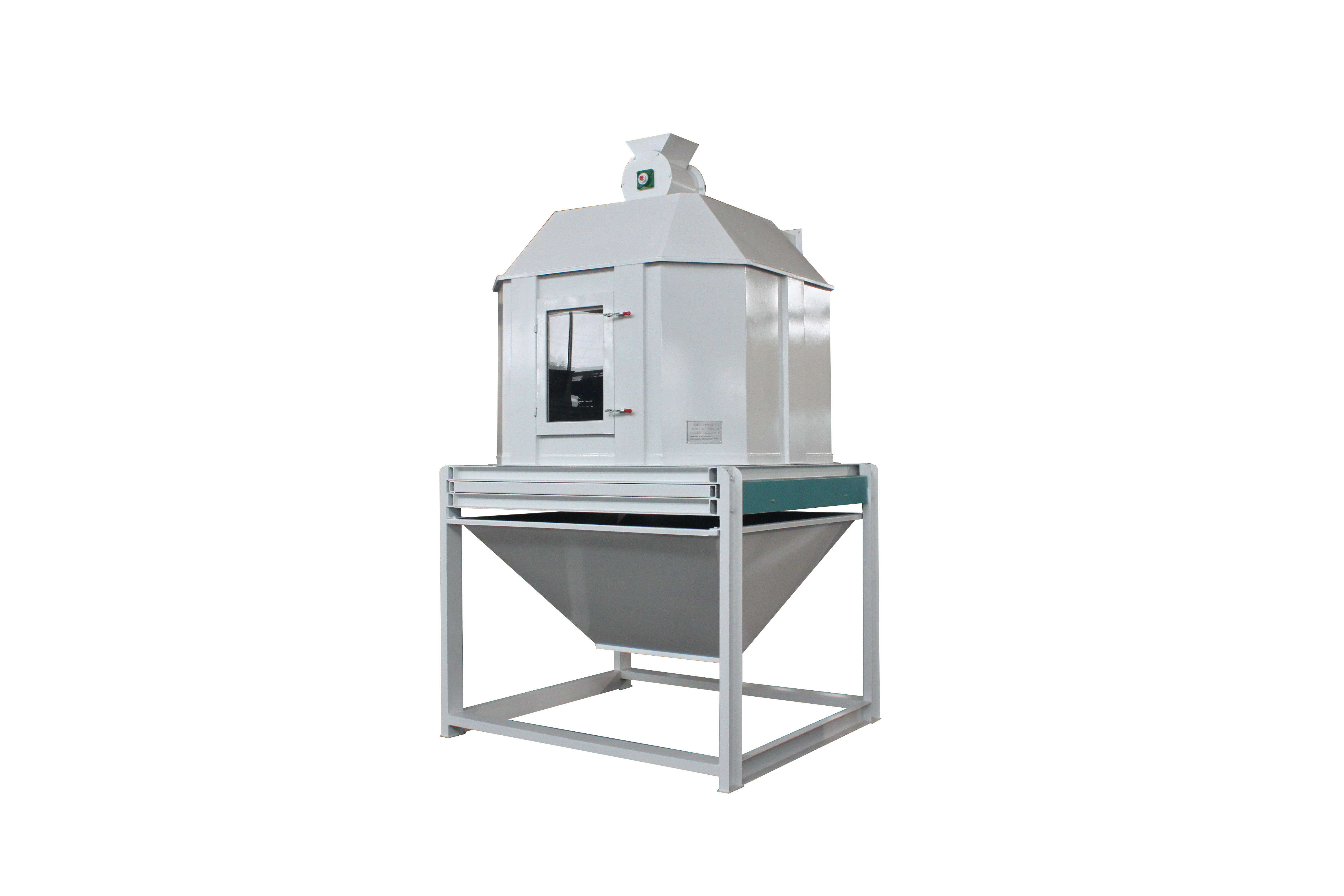
| CL-300 cooler | 10-12 | 30 | ≤1 |
Comparison before and after production launch:
Step 1: Clarify RequirementsDetermine equipment types (e.g., pellet mills, mixers) based on production capacity targets (e.g., 100,000 tons/year) and raw material types (e.g., corn, soybean meal);
Step 2: Standard ScreeningPrioritize equipment that complies with ISO 9001, CE, or GJB9001C certifications to ensure controllable quality;
Step 3: Supplier EvaluationEvaluate the supplier's technical strength (e.g., number of patents), production scale (e.g., annual production capacity), and after-sales service (e.g., response time);
Step 4: Contractual ConstraintsClearly specify key indicators such as production capacity, energy consumption, and failure rate in the contract, and agree on terms for breach compensation;
Step 5: Acceptance TestingAfter the equipment arrives, a 72-hour continuous operation test shall be conducted to verify whether the actual performance meets the standards.
Core PrinciplesModel selection requires a balanced considerationShort-term costsandLong-term gainsto avoid a sharp rise in later maintenance costs due to low-price procurement.
Q1: How can I verify whether the equipment complies with international standards?
A: Require the supplier to provideCopy of the certification certificate(such as ISO 9001, CE) and verify the validity of the certificates through the official websites of certification bodies (e.g., www.iso.org); for critical equipment (such as pellet machines), third-party testing institutions (e.g., SGS) can be entrusted to conduct on-site sampling inspections.
Q2: How to evaluate whether a supplier's capacity commitment is reliable?
A: Require the supplier to provideHistorical project data(such as the actual operation records of similar equipment in the past three years), and contact at least two customers they have served for verification; meanwhile, stipulate in the contractcapacity security deposit(If the standards are not met, 5%-10% of the payment for goods will be deducted).
Q3: What is the response time of the supplier's after-sales service after equipment failure?
A: In international procurement, it is recommended to select providers that offerOn-site response within 72 hourssuppliers (such as Jiangsu Huamu); for remote areas, suppliers can be required to establish localSpare Parts WarehouseEnsure the replacement of key components within 48 hours after a fault occurs.
Jiangsu Huamu Machinery Co., Ltd. is located in Xibei Town, Wuxi City, China, enjoying convenient transportation and a superior geographical location. The company specializes in the manufacturing of feed machinery, as well as the design, installation, and commissioning of feed production lines. Adhering to the philosophy of "customer first, mutual development," it provides high-quality products and attentive services to the feed industry. Under the mutual development strategy, Jiangsu Huamu collaborates with top feed machinery companies, gathers industry elites, and actively engages in technical cooperation with multiple universities and colleges to produce a series of high-standard products, including ring die pellet mills, waterdrop hammer mills, twin-shaft mixers, coolers, complete sets of equipment for premix additives, complete sets of equipment for livestock and poultry pellet feed, and complete sets of equipment for aquatic feed.
Jiangsu Huamu boasts an experienced and highly qualified team for design, production, and installation, capable of designing and manufacturing various projects for powder feed, premix feed, pellet feed, and special aquatic feed with capacities ranging from 1 to 30 tons per hour. The company firmly believes that, guided by the corporate policy of "customer first, mutual development," an extraordinary modern enterprise will emerge before the world, and Jiangsu Huamu will achieve even greater brilliance in the future!
We appreciate the cooperation and support of our new and loyal customers. You are welcome to visit our company and create brilliance together! For more information, please visit our official website:www.huamufeedmachinery.com
Jiangsu Huamu Machinery Co., Ltd. is located in Xibei Town, Wuxi City, enjoying convenient transportation and significant geographical advantages. The company specializes in the manufacturing of feed machinery and equipment, and can undertake the full-process business of scheme design, equipment ins...
No.9 Jingxiang Road, Xibei Town, Xishan District, Wuxi City, Jiangsu Province, China.