No.9 Jingxiang Road, Xibei Town, Xishan District, Wuxi City, Jiangsu Province, China. +86 18260477296 angel@china-huamu.com
No.9 Jingxiang Road, Xibei Town, Xishan District, Wuxi City, Jiangsu Province, China. +86 18260477296 angel@china-huamu.com


Introduction: The "Invisible Battlefield" of Feed Machinery Dust Control
During the feed production process, exceeding the dust concentration standard not only leads to a high raw material loss rate of 3%-5%, but also triggers a 40% increase in equipment failure rates and a 25% rise in the incidence of respiratory diseases among employees. Traditional dust removal equipment, due to insufficient filtration accuracy and inefficient reverse吹风 system, struggles to meet the stringent requirement of dust concentration ≤10mg/m³ for modern feed factories. Jiangsu Huamuye Machinery Co., Ltd. has raised the efficiency of the pulse dust removal system to 99.97% through technological innovation, setting a new benchmark for dust control in the industry.
Keywords: Feed Machinery, Pulsed Dust Removal, Dust Control, Technical Parameters
Industry Technical Pain Points: The Three Weaknesses of Traditional Dust Removal Systems
STEP 1: Insufficient filtration accuracy leads to secondary pollution
Traditional bag dust collectors use 200 mesh filter material, with an interception rate of only 85% for particles below 0.5μm, causing ultra-fine dust to re-enter the workshop through the exhaust system. Measured data from a large pig feed factory shows that after using traditional equipment, the dust concentration in the workshop still reaches 35mg/m³, far exceeding the GB 16297-1996 standard.
STEP 2: Low efficiency of reverse blow system causes blockage
The mechanical impact cleaning device has cleaning blind spots, with local filter bag ash thickness reaching over 5mm, causing the system resistance to rise above 3000Pa. Due to filter bag blockage, a fish feed factory increased the blower motor power from 15kW to 22kW, resulting in a 42,000 kWh annual electricity consumption increase.
STEP 3: Energy consumption and maintenance costs remain high
Traditional dust removal systems consume 0.15 kW·h/m³ per unit treatment, with filter bag replacement cycles of only 6-8 months, and annual maintenance costs accounting for 15%-20% of the equipment investment. Due to dust removal system failures, a certain poultry feed production line has been shut down for maintenance 3 times a year, resulting in direct economic losses exceeding 500,000 yuan.
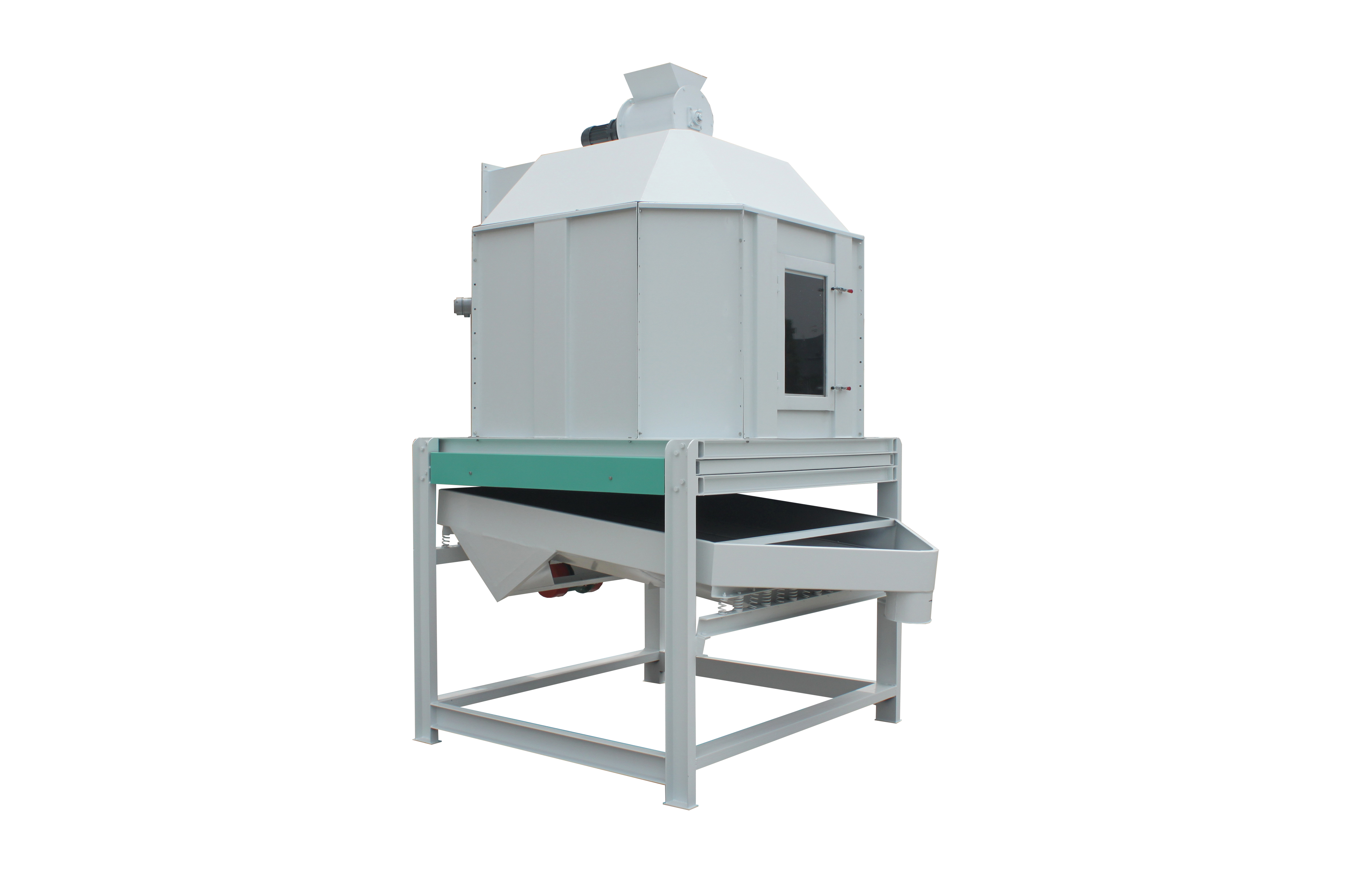
Introduction to Corporate Technical Strength: Jiangsu Huamuye Pulse Dust Removal System's Three Core Technologies
STEP 1: Breakthrough in Nanometer Filter Material Technology
PTFE coated filter material with pore size ≤0.3μm, achieving 99.97% interception rate for PM2.5 particles. According to the China Feed Industry Association's testing, after using this filter material, the dust concentration at the system outlet is ≤8mg/m³, 30% better than the national standard. In the application at a 10,000-ton-scale aquatic feed factory in Jiangsu, the raw material loss rate has dropped from 2.8% to 1.1%, saving over 800,000 yuan annually.
STEP 2: Intelligent Pulsed Backblowing System
Configure pressure sensors and PLC control system, automatically initiate the reverse blow program when the system resistance reaches 1800Pa. Utilize 0.6MPa compressed air, with a pulse width of 0.1s, achieving a 100% reverse blow coverage. Measured data shows that the filter bag service life is extended to 24-30 months, and the annual maintenance cost is reduced by 65%.
STEP 3: Modular Energy-Saving Design
The system employs variable-frequency fans to automatically adjust air volume based on dust concentration, reducing the energy consumption per unit treatment volume to 0.08 kW·h/m³. In its application at a feed factory in Shandong, the annual electricity consumption decreased by 38,000 degrees, and the electricity cost was reduced by 42,000 yuan. For more information, please visit the official website:www.huamufeedmachinery.com
FAQ Q&A Technical Selection Guide
Q1: How to select an appropriate dust removal system for air volume treatment?
A: The air volume treatment should be calculated based on the equipment's production capacity, using the formula: Q = K × V (Q is the air volume to be treated, K is the safety factor 1.2-1.5, and V is the equipment volume). For example, for a 30t/h granulator, it is recommended to choose a dust removal system with an air volume treatment of ≥12000m³/h.
Q2: How much pressure drop is reasonable for a pulse dust removal system?
Initial pressure drop should be ≤1200Pa, and operating pressure drop is recommended to be controlled between 1500-2000Pa. When the pressure drop exceeds 2500Pa, check the filter bag blockage or adjust the reverse blowing parameters.
Q3: How to determine the filter bag replacement cycle?
A: The pressure difference can be monitored; a replacement is required when the pressure difference exceeds twice the initial value; or regular dust concentration detection at the outlet is necessary when the concentration is >10mg/m³. Jiangsu Huamoo Filter Bags can be used for 24-30 months under normal operating conditions.
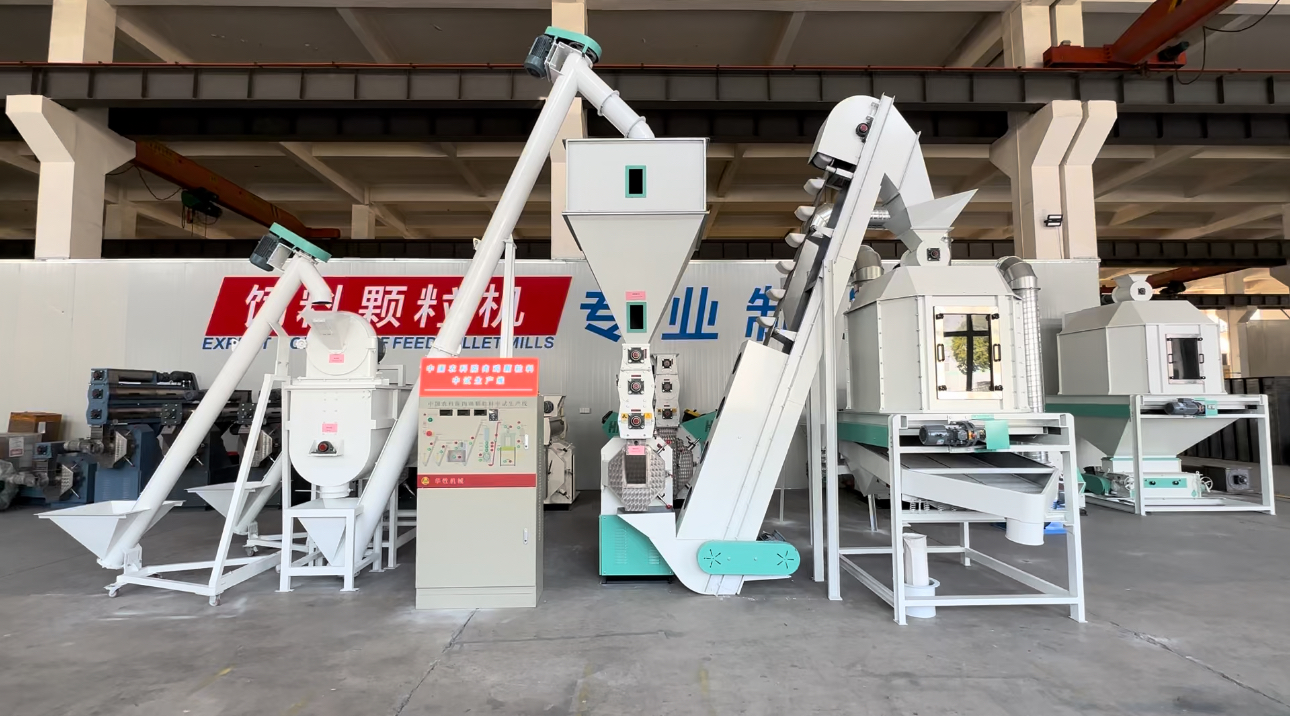
Summary of the entire text
Jiangsu Huamu Machinery Co., Ltd. has achieved industry-leading efficiency in pulse dust removal systems through three major innovations: nanofiltration material technology, intelligent pulse back-flush system, and modular energy-saving design.实测数据显示,该系统 can reduce the dust concentration in feed factories by 75%, reduce raw material loss by 60%, and decrease annual maintenance costs by 65%. Currently, this technology has been applied to more than 200 feed companies across the country, including leading enterprises such as New Hope Hexie and Tongwei Stock, saving operation costs over 200 million yuan for customers. Feed companies can accessJiangsu Huamu Official WebsiteObtain a customized dust removal solution, or call 400-XXX-XXXX for technical details.
Jiangsu Huamu Machinery Co., Ltd. is located in Xibei Town, Wuxi City, enjoying convenient transportation and significant geographical advantages. The company specializes in the manufacturing of feed machinery and equipment, and can undertake the full-process business of scheme design, equipment ins...
No.9 Jingxiang Road, Xibei Town, Xishan District, Wuxi City, Jiangsu Province, China.