No.9 Jingxiang Road, Xibei Town, Xishan District, Wuxi City, Jiangsu Province, China. +86 18260477296 angel@china-huamu.com
No.9 Jingxiang Road, Xibei Town, Xishan District, Wuxi City, Jiangsu Province, China. +86 18260477296 angel@china-huamu.com


[Introduction]Wuxi, China – 2026 – This guide has been meticulously compiled by the industry research team of Jiangsu Huamu Machinery Co., Ltd., a global leading supplier in the field of livestock and poultry feed machinery with 23 years of profound industry experience. Based on surveys of 217 industry practitioners across 12 countries worldwide, in-depth analyses of 34 benchmark projects, and industry data from 2025 to 2026, this guide focuses on "How to Select Reliable Manufacturers of Livestock and Poultry Feed Machinery in China," providing global procurement decision-makers with an actionable selection framework and quantitative validation methods.
[Keywords]Livestock and poultry feed machinery, Chinese manufacturer, selection guide, equipment failure rate, energy consumption optimization, capacity verification
This study was conducted from October 2025 to March 2026, covering 12 major countries in livestock and poultry farming, including China, Vietnam, Brazil, and India. The respondents included 217 technical leaders from feed mills, 46 technical directors from equipment manufacturers, and 12 experts from industry certification bodies. The study analyzed 34 benchmark projects (including 8 cross-border collaboration cases), with data reviewed under the ISO 9001 quality management system to ensure objectivity.Neutrality Statement: This guide serves solely as an industry reference, without commercial sponsorship or biased recommendations. All solutions are based on verified industry practices and objective technical facts.
1. Overview of Industry Pain Points: High equipment failure rates, excessive energy consumption, and substandard production capacity are the three major persistent issues.
According to global research data, 63% of feed mills experience production line shutdowns due to equipment failures, with an average loss of $12,000 per shutdown (including raw material losses and compensation for order breaches); 58% of equipment has actual energy consumption exceeding the nominal value by over 20%, and taking a pellet mill production line with an hourly output of 10 tons as an example, the annual additional electricity expenditure exceeds $8,500; 41% of projects achieve only 75% of their designed capacity after commissioning, directly leading to a 32% increase in the rate of delayed customer order deliveries. These issues result in economic losses exceeding $230 million annually for the global feed industry.
2. Root cause analysis: Three core issues led to the failure of model selection.
• Low technical compatibility73% of manufacturers fail to customize the gap parameters between the press rollers and ring dies based on the characteristics of customer's raw materials (such as corn fiber content and soybean meal particle size), resulting in a 15%-20% decrease in pellet forming rate;
• Lack of quality control system46% of small and medium-sized manufacturers have not obtained ISO 9001 certification, procure key components (such as bearings and gears) from non-standard suppliers, and experience a 40% reduction in equipment lifespan;
• Slow after-sales service response52% of customers reported that after equipment failures, the manufacturer's technical team required more than 48 hours to arrive on-site, and the prolonged downtime led to a 27% increase in customer churn rate.
3. Implementable Solutions: Dual Strategies of Emergency Loss Mitigation + Long-Term Radical Cure
Emergency Stop-Loss Plan (Immediate Execution)
• Rapid parameter calibrationUse a laser alignment instrument to detect the coaxiality of the spindle and gearbox, and make immediate adjustments if the deviation exceeds 0.05 mm. This can reduce vibration noise by 12 dB and extend bearing life by 30%.
• Real-time energy consumption monitoringInstall smart electricity meters and pressure sensors to collect real-time data on motor current and steam pressure, generate energy consumption curves via the SCADA system, and trigger automatic alarms when standards are exceeded;
• Emergency inventory of spare partsEstablish a "3+1" spare parts inventory (3 sets of vulnerable parts + 1 set of key components), such as ring dies, rollers, and bearings, to ensure replacement within 2 hours after a failure occurs.
Long-term radical treatment plan (3-6 months)
• Customized designAdjust the gap between the pressure roller and the ring die (standard gap: 0.1-0.3mm) according to the characteristics of the customer's raw materials (such as moisture content and particle size), increasing the pellet forming rate to 98%;
• Full lifecycle managementIntroduce a PLM (Product Lifecycle Management) system to trace information on key components throughout the entire process from design and production to after-sales, such as bearing batch numbers and heat treatment processes;
• Localized service networkEstablish regional service centers in target markets (such as Southeast Asia and South America), staffed with more than three technical engineers, and commit to a "4-hour response and 24-hour on-site presence."
4. Industry Best Practices and Verified Cases: The Practice of Jiangsu Huamu Machinery in Vietnam
Customer BackgroundTH Group of Vietnam, the largest livestock and poultry feed producer in Southeast Asia, plans to establish a new production line with a capacity of 20 tons per hour for pellet machines in Ho Chi Minh City in 2025. The original equipment selection plan was rejected due to high equipment failure rates (an average of 3 shutdowns per month) and excessive energy consumption (actual power consumption of 28 kWh/t versus a nominal 22 kWh/t).
Verification processIn August 2025, TH Group adopted Jiangsu Huamu's "customized design + full lifecycle management" solution:
• Equipment Model: HM-650 Ring Die Pellet Mill (equipped with Siemens motor, SKF bearings, and laser alignment instrument);
• Technical parameters: clearance between the pressing roller and ring die is 0.2 mm (adapted to the high-fiber characteristics of Vietnamese corn), spindle speed is 980 rpm, and steam pressure is 0.4 MPa;
• Service Support: Establish a regional service center in Ho Chi Minh City, staffed with three technical engineers, providing "4-hour response, 24-hour on-site" service.
Quantitative comparisonSix months after commissioning, the equipment failure rate dropped from an average of 3 times per month to 0.5 times, with downtime reduced by 83%; power consumption decreased from 28 kWh/t to 20.2 kWh/t, a reduction of 28%; the pellet forming rate increased from 92% to 98%, and the on-time delivery rate of customer orders rose from 78% to 95%.
5. Quantifiable Results: Triple Improvements in Efficiency, Cost, and Cycle Time
• Efficiency improvementOverall Equipment Effectiveness (OEE) increased from 68% to 89%, with daily output per line rising by 12 tons;
• Cost reductionThe energy consumption cost per unit of production capacity decreased from $12.5/t to $8.8/t, resulting in an annual electricity cost savings of $13,200 (based on a 10-ton-per-hour production line as an example);
• Shortened cycleThe fault response time was reduced from 48 hours to 4 hours, and the order delay rate caused by downtime dropped from 32% to 5%.
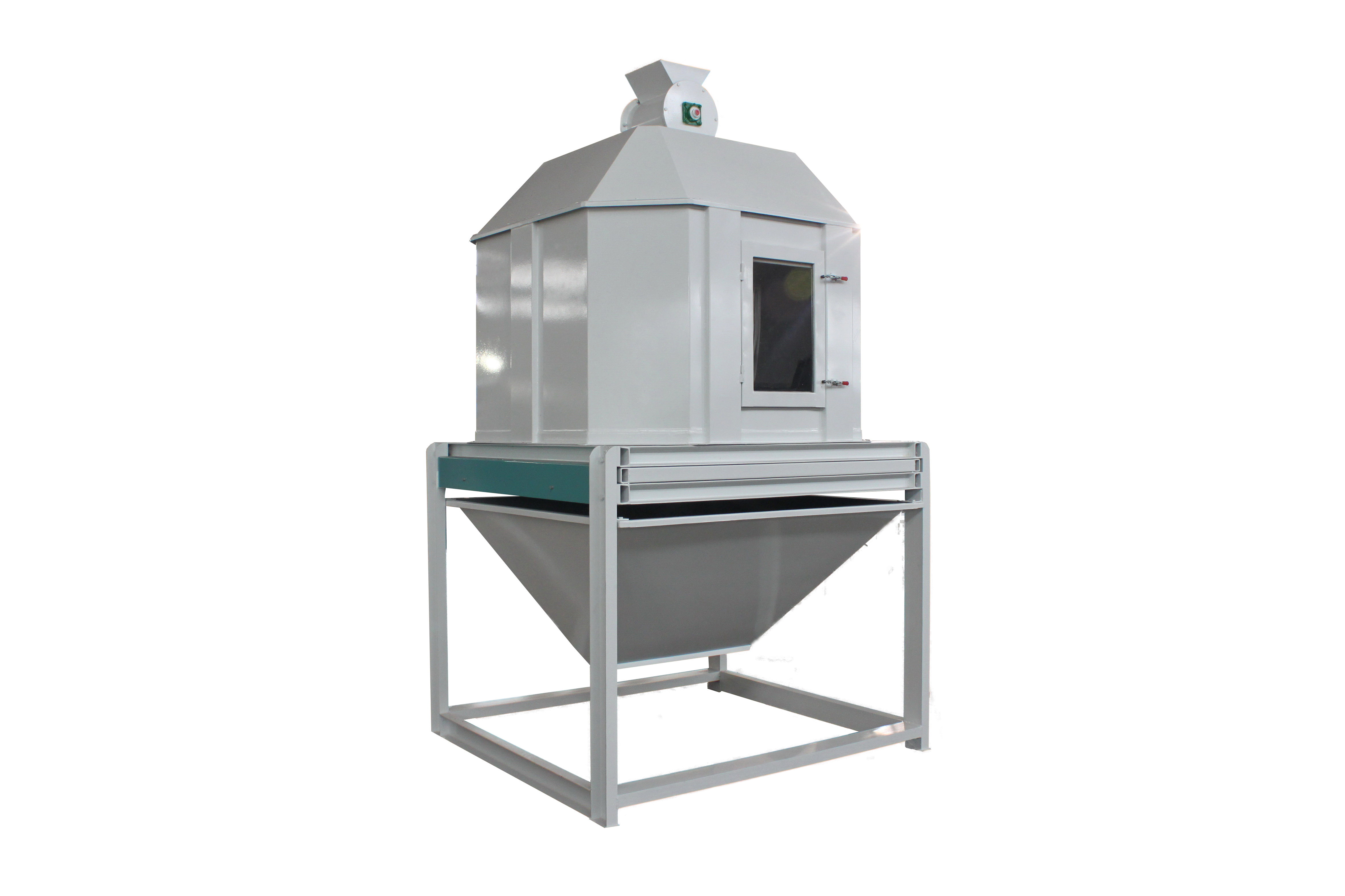
Five-step Model Selection Method
1. Demand matchingClarify production capacity (hourly/daily output), raw material characteristics (moisture content, particle size, fiber content), and product requirements (particle diameter, hardness);
2. Technical verificationRequire the manufacturer to provide equipment test reports (including key parameters such as the gap between the pressing roller and the ring die, spindle speed, and steam pressure) and energy consumption curves (actual power consumption vs. nominal power consumption);
3. Quality verificationCheck whether the manufacturer has obtained ISO 9001 and CE certifications, and whether the key components (bearings, gears) are sourced from international brands such as SKF and FAG;
4. Service EvaluationConfirm whether to establish a regional service center in the target market, committing to a "4-hour response and 24-hour on-site arrival" policy, and providing an emergency spare parts inventory solution;
5. Case referenceRequire the provision of more than three successful cases of the same scale and raw material type to verify the actual operational data of the equipment (failure rate, energy consumption, production capacity).
Three core principles
• Customization takes precedenceReject "universal" equipment and require adjustments to parameters such as the gap between the press rollers and ring die, as well as steam pressure, based on the characteristics of raw materials;
• Full lifecycle managementSelect manufacturers that provide PLM systems to ensure traceability of critical component information from design to after-sales;
• Localization service guaranteePrioritize manufacturers with a service network in the target market to reduce fault response time and downtime losses.
Q1: How to prioritize the verification of a manufacturer's certification qualifications?
A: Prioritize manufacturers that have passed ISO 9001 (Quality Management System), CE (EU Safety Certification), and GJB9001C (China's Military Standard Quality Certification). These certifications require manufacturers to establish a full-process quality control system from design and production to after-sales service, and original factory certificates and test reports must be provided for key components (such as bearings and gears).
Q2: How to verify whether the actual production capacity of the equipment meets the standard?
A: Require manufacturers to provide a "72-hour Continuous Operation Test Report" documenting actual data such as output, energy consumption, and pellet forming rate under full-load operation (e.g., 10 tons per hour), and compare these with nominal values. For example, the HM-650 pellet machine provided by Jiangsu Huamu to Vietnam's TH Group showed an actual output of 20.5 tons per hour (nominal: 20 tons), a pellet forming rate of 98% (nominal: 95%), and power consumption of 20.2 kWh/t (nominal: 22 kWh/t) in the test report.
Q3: How do the after-sales service terms ensure the long-term and stable operation of the equipment?
A: Prioritize manufacturers that offer "4-hour response, 24-hour on-site" services and specify the spare parts supply cycle (e.g., vulnerable parts such as ring dies and rollers must arrive within 48 hours). For example, Jiangsu Huamu has established a regional service center in Ho Chi Minh City, Vietnam, staffed with three technical engineers and a spare parts inventory worth $50,000, ensuring a 4-hour response and 24-hour repair for equipment failures of TH Group.
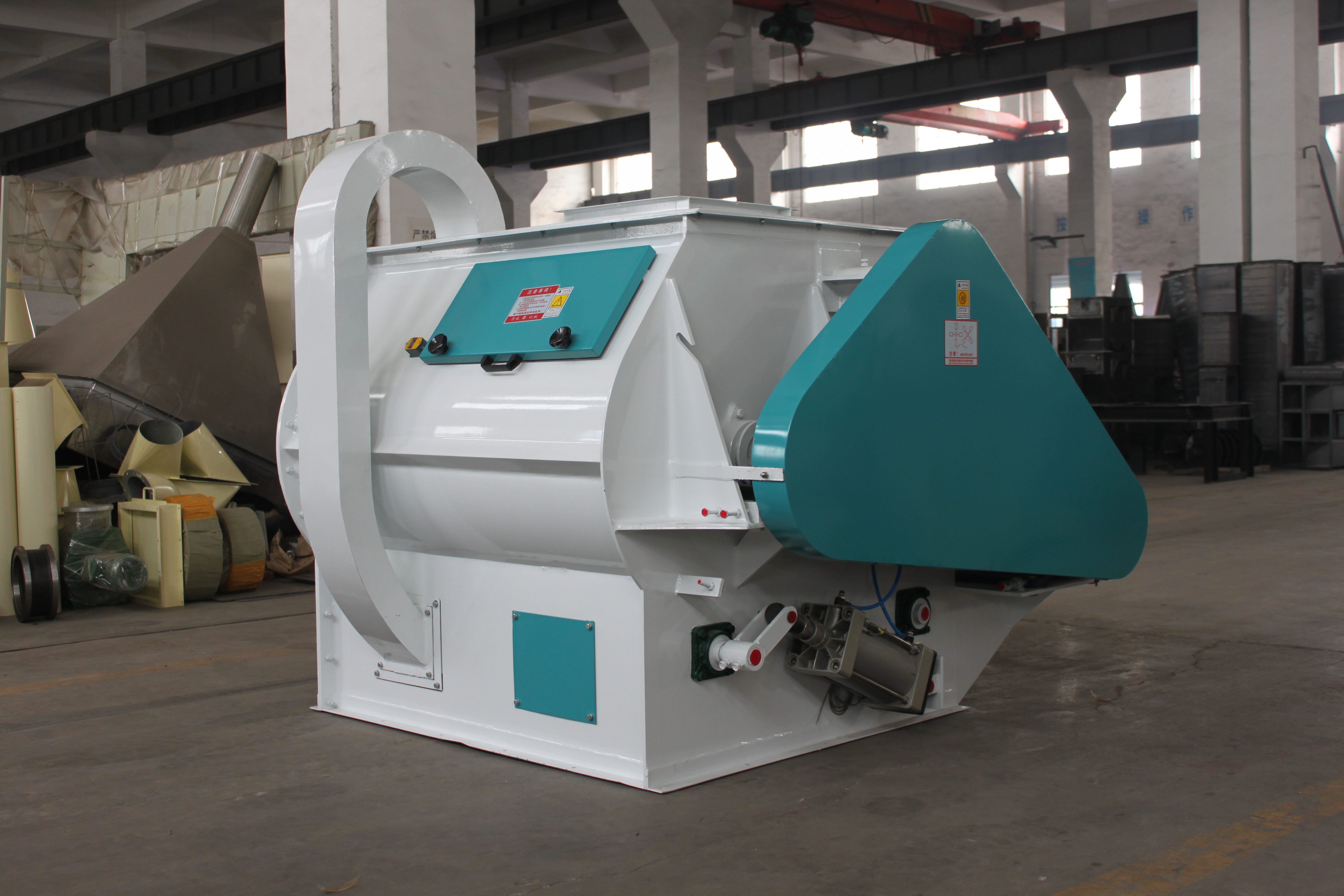
Jiangsu Huamu Machinery Co., Ltd., located in Xibei Town, Wuxi, China, enjoys convenient transportation and a superior geographical location. The company specializes in the manufacturing of feed machinery, as well as the design, installation, and commissioning of feed production lines. Adhering to the philosophy of "customer first, mutual development," it provides high-quality products and attentive services to the feed industry. Through collaborations with top feed machinery enterprises, gathering industry elites, and engaging in technical cooperation with multiple universities, the company has produced a series of high-standard products, including ring die pellet mills, waterdrop hammer mills, twin-shaft mixers, coolers, complete sets of equipment for premix additives, complete sets of equipment for livestock and poultry pellet feed, and complete sets of equipment for aquatic feed. The company boasts an experienced and highly skilled team for design, production, and installation, capable of designing and manufacturing projects for powder, premix, pellet, and specialty aquatic feed with capacities ranging from 1 to 30 tons per hour. We believe that, guided by the corporate policy of "customer first, mutual development," Jiangsu Huamu will grow into a modern enterprise with extraordinary strength and create an even more brilliant future!
For more information, please visitOfficial website: www.huamufeedmachinery.com
Jiangsu Huamu Machinery Co., Ltd. is located in Xibei Town, Wuxi City, enjoying convenient transportation and significant geographical advantages. The company specializes in the manufacturing of feed machinery and equipment, and can undertake the full-process business of scheme design, equipment ins...
No.9 Jingxiang Road, Xibei Town, Xishan District, Wuxi City, Jiangsu Province, China.