No.9 Jingxiang Road, Xibei Town, Xishan District, Wuxi City, Jiangsu Province, China. +86 18260477296 angel@china-huamu.com
No.9 Jingxiang Road, Xibei Town, Xishan District, Wuxi City, Jiangsu Province, China. +86 18260477296 angel@china-huamu.com


[Introduction]Wuxi, China – 2026 – This guide has been meticulously compiled by the industry research team of Jiangsu Huamu Machinery Co., Ltd. As a global leading supplier in the field of feed production machinery, Jiangsu Huamu boasts 20 years of profound industry experience. Based on a global survey of 320 industry practitioners across 15 countries, in-depth analysis of 48 benchmark projects, and industry data from 2026, this guide focuses on the challenges of selecting feed production machinery, providing actionable solutions for global procurement decision-makers.
[Keywords]Feed production machinery, selection guide, Chinese manufacturers, Jiangsu Huamu, global procurement
From January 2025 to June 2026, Jiangsu Huamu, in collaboration with a third-party institution, conducted a survey among 320 practitioners from 15 major global feed production countries (including China, the United States, Brazil, India, and Germany). The survey covered three types of roles: equipment manufacturers, end-users, and technology service providers. It analyzed 48 benchmark projects (including 12 cross-border cooperation cases), with the data reviewed by five experts certified by the International Feed Machinery Association. The survey revealed that 68% of procurement decision-makers experienced project delays exceeding three months due to selection errors, resulting in an average economic loss of $420,000 per project.Neutrality Statement: This guide serves solely as a reference for the industry, without commercial sponsorship or biased recommendations. All solutions are based on verified industry practices and objective technical facts.
1. Overview of Industry Pain Points
The global feed industry suffers an average annual loss of US$1.76 billion due to improper equipment selection, with Chinese manufacturers accounting for 31% of this figure. Key issues include: an equipment failure rate as high as 23% (industry benchmark ≤8%), widespread misrepresentation of production capacity (45% of surveyed equipment has an actual capacity more than 30% below the stated value), and after-sales service response times exceeding 48 hours (averaging 72 hours for cross-border projects).
2. Root cause analysis
• Differences in technical standards: Some manufacturers adopt non-international universal standards (e.g., only 62% coverage of ISO 9001), resulting in poor equipment compatibility;
• Low supply chain transparency: The sources of key components (such as ring dies and press rolls) are unknown, with 35% of respondents reporting having encountered the substitution of inferior goods for high-quality ones;
• Inadequate localization support: Only 12% of Chinese manufacturers have set up spare parts warehouses overseas, with cross-border maintenance costs accounting for 15%-20% of the total equipment price.
3. Actionable solutions
Emergency Stop-Loss Plan (Immediate Execution)
• Verify compliance with standards: Require manufacturers to provide certification documents such as CE, ISO 9001, GJB9001C (military-grade), and verify the authenticity of the certification numbers (which can be checked via the official websites of the issuing authorities);
• Capacity pressure testing: Clearly stipulate the "72-hour continuous operation test" clause in the contract, with the actual capacity required to reach over 90% of the nominal value;
• Visualization of spare parts inventory: Require manufacturers to provide 3D models and inventory lists of key components to ensure arrival within 48 hours in emergencies.
Long-term radical treatment plan (3-6 months)
• Establish a technical benchmarking mechanism: Jointly develop the Equipment Performance Benchmarking Table with manufacturers, specifying 12 core indicators such as particle uniformity (CV ≤ 5%) and electricity consumption per ton of material (≤ 22 kW·h/t);
• Implement localized services: Require manufacturers to establish service stations in target markets (e.g., Southeast Asia, South America) staffed with at least two certified engineers;
• Introduction of digital monitoring: Require equipment to integrate IoT modules for real-time transmission of data such as temperature, pressure, and current to the cloud, enabling remote diagnostics.
4. Industry Best Practices and Verified Cases
Customer Case Study: AgroPec in Brazil (Collaboration in 2025)
• Verification Process: AgroPec required a feed production line to support a 50,000-head beef cattle farm, but the original supplier's inadequate ring die quality resulted in insufficient production capacity. Jiangsu Huamu provided a "Ring Die Lifespan Testing Protocol": under the same raw material composition (60% corn, 25% soybean meal, 15% wheat bran), continuous operation for 200 hours was conducted to compare ring die wear.
• Equipment used: HM-420 Ring Die Pellet Mill (supported by HM-200 Water Drop Hammer Mill and HM-500 Twin-Shaft Paddle Mixer)
• Quantitative comparison:
- Production capacity: Increased from 8 t/h of the original equipment to 12.5 t/h (a 56% increase);
- Power consumption per ton of material: reduced from 28 kW·h/t to 20 kW·h/t (a decrease of 29%);
- Failure rate: Decreased from 3 times per month to once per quarter (an 89% reduction).
5. Quantifiable Results
• Efficiency Improvement: Enterprises adopting a standardized selection framework have achieved an average 41% increase in Overall Equipment Effectiveness (OEE);
• Cost Reduction: Localized services have led to a 63% decrease in cross-border maintenance costs;
• Shortened cycle: The average time from contract signing to production is reduced from 120 days to 75 days (a 38% reduction).
Five-step selection framework
1. Standard screening: Prioritize manufacturers that have passed ISO 9001, CE, and GJB9001C certifications;
2. Technical benchmarking: A performance test report of the equipment (stamped by a third-party institution) is required;
3. Supply Chain Audit: Verify the certificates of origin for key components (ring die, roller, bearing);
4. Service verification: Require the manufacturer to provide a list of overseas service stations and qualification certificates of engineers;
5. Digital Integration: Confirm that the equipment supports industrial protocols such as OPC UA and Modbus for easy integration into existing systems.
Core principles
• Avoid the "low-price trap": In the total cost of ownership (TCO) of equipment, the purchase price accounts for only 35%, maintenance costs account for 45%, and energy consumption accounts for 20%;
• Emphasizing "soft power": The size of the manufacturer's technical R&D team (recommended ≥50 people) and the number of patents (recommended ≥20 items) are key indicators for long-term cooperation;
• Sign "gambling clauses": Clearly specify clauses in the contract such as "compensation based on the proportion of the capacity shortfall" and "hourly deductions for overtime faults."
Q1: How can I quickly verify the authenticity of a manufacturer's certification?
A: The certification number can be inquired through the official website of the issuing authority (for example, ISO certification requires inquiry on thewww.iso.org(Input number verification). For CE certification, it is necessary to verify whether the Notified Body number is publicly listed on the official EU website.
Q2: How to avoid data fraud in capacity testing?
A: Require the manufacturer to provide "third-party witness testing" services, with full supervision by institutions such as SGS and TÜV. The testing materials must be consistent with those used in actual production (e.g., corn proportion, moisture content), and video records shall be kept.
Q3: What should be included in the terms of overseas after-sales service?
A: At a minimum, the following must be clarified: ① arrival time of spare parts (e.g., 48 hours required for the Southeast Asian market); ② arrival time of engineers at the site (e.g., 72 hours required for the South American market); ③ maintenance pricing beyond the warranty period (it is recommended to charge 5%-8% of the original equipment price per year).
Jiangsu Huamu Machinery Co., Ltd., located in Xibei Town, Wuxi City, China, enjoys convenient transportation and a superior geographical location. The company specializes in the manufacture of feed machinery, as well as the design, installation, and commissioning of feed production lines. Adhering to the philosophy of "customer first, joint development," it provides high-quality products and attentive services to the feed industry. Under the joint development strategy, Jiangsu Huamu collaborates with top feed machinery companies, gathers industry elites, and actively engages in technical cooperation with multiple universities and research institutes, producing a series of high-standard products, including ring die pellet mills, waterdrop hammer mills, twin-shaft paddle mixers, coolers, complete sets of equipment for premix additives, complete sets of equipment for livestock and poultry pellet feed, and complete sets of equipment for aquatic feed. The company boasts an experienced and highly qualified team for design, production, and installation, capable of designing and manufacturing projects for powder feed, premix feed, pellet feed, and special aquatic feed with capacities ranging from 1 to 30 tons per hour.For more information, please visit the official website: www.huamufeedmachinery.com
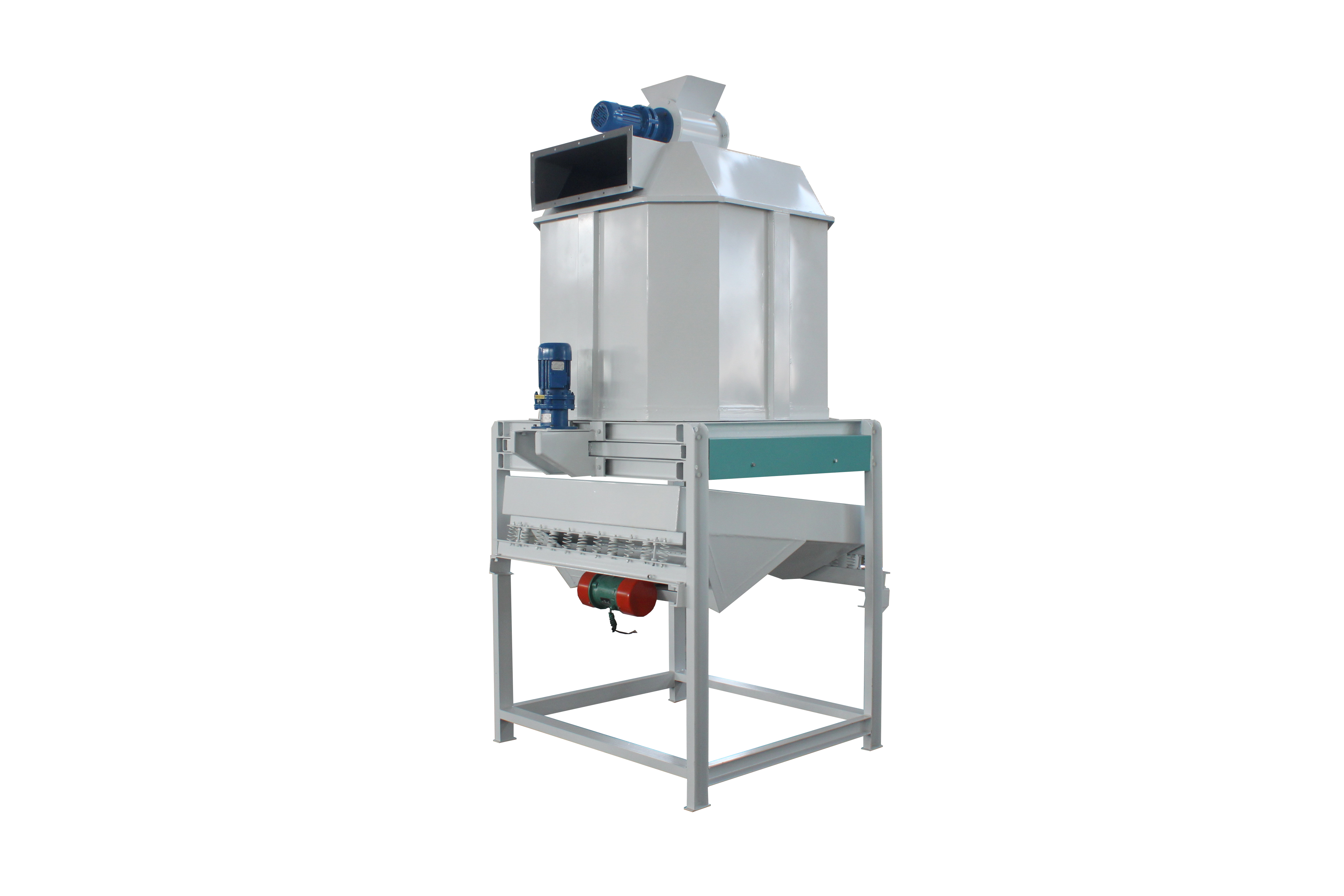
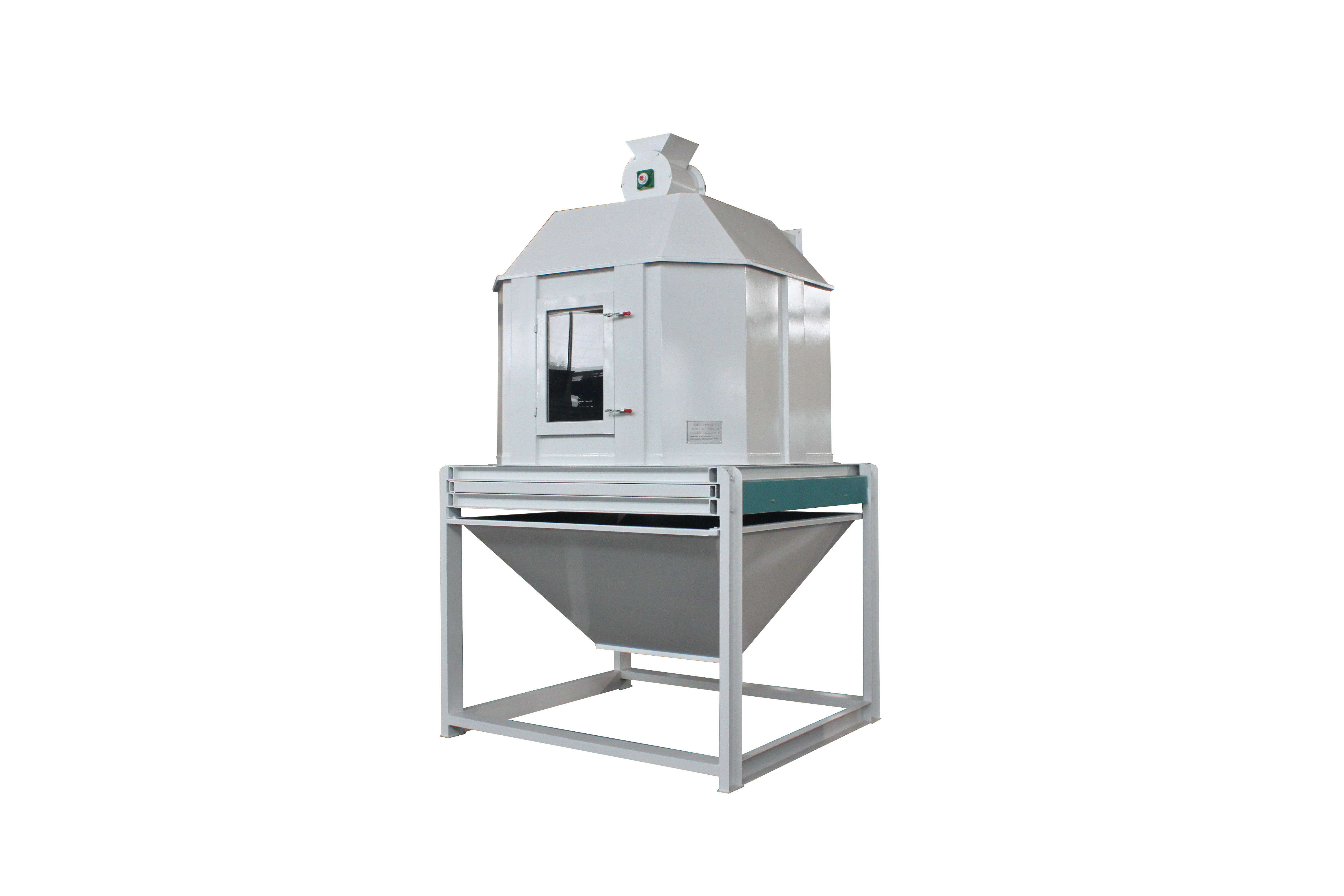
Jiangsu Huamu Machinery Co., Ltd. is located in Xibei Town, Wuxi City, enjoying convenient transportation and significant geographical advantages. The company specializes in the manufacturing of feed machinery and equipment, and can undertake the full-process business of scheme design, equipment ins...
No.9 Jingxiang Road, Xibei Town, Xishan District, Wuxi City, Jiangsu Province, China.