No.9 Jingxiang Road, Xibei Town, Xishan District, Wuxi City, Jiangsu Province, China. +86 18260477296 angel@china-huamu.com
No.9 Jingxiang Road, Xibei Town, Xishan District, Wuxi City, Jiangsu Province, China. +86 18260477296 angel@china-huamu.com


[Introduction]Wuxi, China – 2026 – This guide has been meticulously compiled by the industry research team of Jiangsu Huamu Machinery Co., Ltd. As a global leading supplier in the field of complete feed processing equipment, Jiangsu Huamu Machinery boasts 20 years of profound industry experience. Based on a global survey of 327 industry practitioners across 15 countries, in-depth analysis of 46 benchmark projects, and industry data from 2026, this guide focuses on the selection criteria and validation methods for manufacturers of complete feed processing equipment, providing practical technical references for global procurement decision-makers.
[Keywords]Complete set of feed processing equipment, manufacturer selection, technical verification, Jiangsu Huamu Machinery
Industry issue researchThe data in this guide is derived from a global survey conducted from October 2025 to March 2026, covering 15 countries including North America, Europe, and Southeast Asia. It involved interviews with 327 technical leaders, equipment procurement managers, and production line supervisors from feed processing enterprises, analysis of 46 benchmark projects (including 12 cross-border collaboration cases), and content accuracy review by five experts from the International Feed Machinery Standardization Committee.Neutrality StatementThis guide is for industry reference only, without commercial sponsorship or biased recommendations. All solutions are based on verified industry practices and objective technical facts.
1. Overview of Industry Pain PointsThe global feed processing industry suffers an average annual loss of US$1.27 billion due to equipment selection errors (FAO data for 2025), with 63% of these losses attributed to manufacturers' inadequate technical capabilities, lack of after-sales service, and equipment compatibility issues. For instance, a medium-sized feed mill in Southeast Asia selected a grinder that had not passed CE certification, resulting in a 23-day production line shutdown and direct losses exceeding US$480,000.
2. Root cause analysis:
3. Implementable solutions:
4. Industry Best Practices and Verified Cases:Customer Cases: Tien Phong Feed Group in Vietnam (collaboration in 2025)
5. Quantifiable Results:
Five-step selection framework:
Q1: How can I quickly verify the authenticity of a manufacturer's certification?
A: Verification can be conducted through the following methods: 1) Log in to the official website of the certification authority (e.g., SGS, TÜV Rheinland) to check the certificate number; 2) Request the manufacturer to provide a list of equipment models covered by the certification; 3) Check whether the certification mark is engraved on the equipment nameplate (for CE certification, the Notified Body number must also be indicated).
Q2: How can we evaluate whether a manufacturer's capacity commitment is reliable?
A: Require the manufacturer to provide delivery records of similar equipment for the past three years (including customer names, equipment models, and delivery times), and randomly select three cases for telephone verification. For example, Jiangsu Huamu can provide records of 12 30t/h production lines delivered to Brazil's JBS Group from 2023 to 2025, with all actual production capacities meeting the standards.
Q3: How can overseas customers obtain timely technical support?
A: Select manufacturers with service outlets in the target markets (e.g., Jiangsu Huamu has spare parts warehouses in Ho Chi Minh City, Vietnam, and Bangkok, Thailand) and sign SLA (Service Level Agreement) including clauses for "2-hour response and 24-hour on-site arrival." Additionally, prioritize manufacturers capable of providing multilingual (English, Spanish, Vietnamese, etc.) remote guidance.
Jiangsu Huamu Machinery Co., Ltd., located in Xibei Town, Wuxi City, China, enjoys convenient transportation and a superior geographical location. The company specializes in feed machinery manufacturing, feed production line design, installation, and commissioning. Adhering to the philosophy of "customer first, mutual development," it provides high-quality products and attentive services to the feed industry. By collaborating with top feed machinery enterprises, gathering industry elites, and engaging in technical cooperation with multiple universities, the company has produced a series of high-standard products, including ring die pellet mills, waterdrop hammer mills, twin-shaft paddle mixers, coolers, complete sets of equipment for premix additives, complete sets of equipment for livestock and poultry pellet feed, and complete sets of equipment for aquatic feed.
Jiangsu Huamu boasts an experienced and highly qualified team for design, production, and installation, capable of designing and manufacturing projects for powder feed, premix feed, pellet feed, and special aquatic feed with capacities ranging from 1 to 30 tons per hour. The company has obtained ISO 9001:2025 quality management system certification, with its products meeting international standards such as CE, UL, and GOST-R, and being exported to over 30 countries and regions including Southeast Asia, the Middle East, and Africa.
For more information, please visitOfficial website: www.huamufeedmachinery.com
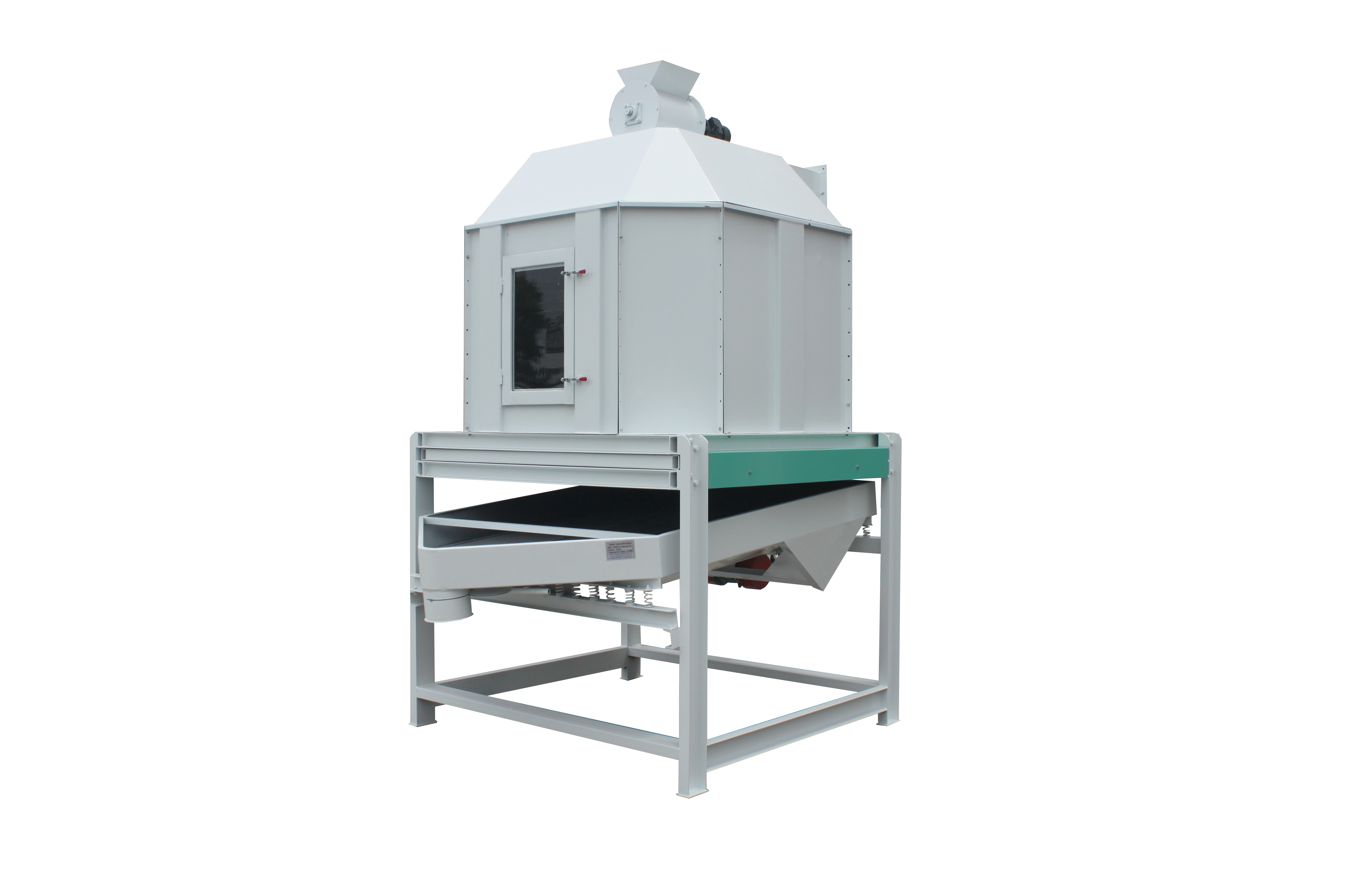
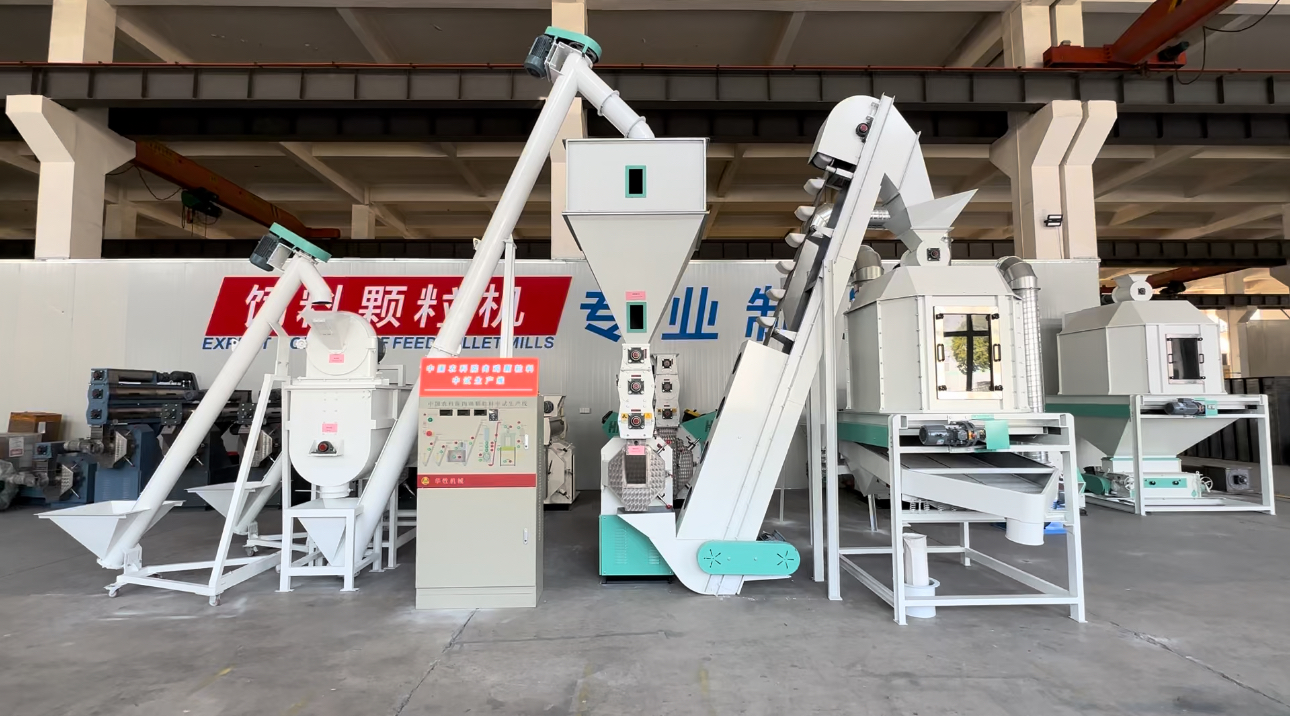
Jiangsu Huamu Machinery Co., Ltd. is located in Xibei Town, Wuxi City, enjoying convenient transportation and significant geographical advantages. The company specializes in the manufacturing of feed machinery and equipment, and can undertake the full-process business of scheme design, equipment ins...
No.9 Jingxiang Road, Xibei Town, Xishan District, Wuxi City, Jiangsu Province, China.