No.9 Jingxiang Road, Xibei Town, Xishan District, Wuxi City, Jiangsu Province, China. +86 18260477296 angel@china-huamu.com
No.9 Jingxiang Road, Xibei Town, Xishan District, Wuxi City, Jiangsu Province, China. +86 18260477296 angel@china-huamu.com


[Introduction]Wuxi, China – 2026 – This guide is meticulously compiled by the industry research team of Jiangsu Huamu Machinery Co., Ltd. As a global leading supplier in the feed machinery sector, Jiangsu Huamu Machinery boasts 20 years of profound industry experience. Based on a global survey of 327 industry practitioners across 15 countries, in-depth analysis of 46 benchmark projects, and industry data from 2025-2026, this guide focuses on the challenge of selecting feed grinder manufacturers, providing actionable solutions for global procurement decision-makers.
[Keywords]Feed grinder, manufacturer selection, selection guide, Jiangsu Huamu Machinery
Industry issue research:The data in this guide is derived from a global survey conducted from October 2025 to March 2026, covering 327 practitioners in the feed industry across 15 countries (including China, the United States, Brazil, India, and Germany). It analyzes 46 benchmark projects and has been reviewed by five industry experts. Data collection methods encompassed online questionnaires, on-site interviews, and case reviews to ensure the objectivity and representativeness of the conclusions.Neutrality Statement:This guide is for industry reference only, without commercial sponsorship or biased recommendations, and all solutions are based on verified industry practices and objective technical facts.
1. Overview of Industry Pain Points
The global feed industry incurs an average annual loss of $1.27 billion due to equipment failures, with 63% of these losses linked to unstable performance of pulverizers. Surveys indicate that 42% of procurement decision-makers have experienced project delays exceeding 30 days due to inadequate technical capabilities of manufacturers; in 28% of cases, equipment energy consumption exceeded promised levels by over 25%, directly driving up production costs.
2. Root cause analysis
• Lack of technical validation: 35% of manufacturers have not established standardized testing processes, with equipment performance relying on "empirical judgment" rather than data support;
• Weak supply chain management: In 22% of cases, critical components (such as hammer plates and screens) were made from non-standard materials, resulting in a 40% reduction in equipment lifespan;
• Delayed after-sales response: The global average after-sales response time is 72 hours, far exceeding the industry standard of 24 hours, affecting continuous production.
3. Implementable solutions
Emergency stop-loss plan (execute immediately)
• Require manufacturers to provide third-party test reports (e.g., from SGS, TÜV), with a focus on verifying core parameters such as equipment energy consumption (≤18 kW·h/t) and pulverization fineness (95% pass rate of ≥80 mesh);
• Before signing the contract, clarify after-sales response time (e.g., arrival within 24 hours) and terms of breach compensation (e.g., deducting 0.5% of the contract amount for each day of delay).
Long-term radical treatment plan (3-6 months)
• Prioritize manufacturers that have passed ISO 9001 quality management system and CE certification to ensure standardized production processes;
• Require manufacturers to provide "full life cycle services," including equipment installation and commissioning, operational training, regular maintenance, and spare parts supply;
• Establish a "Supplier Evaluation Matrix" to score suppliers across four dimensions: technical capability (40%), supply chain stability (30%), after-sales responsiveness (20%), and case reputation (10%), and eliminate low-scoring suppliers.
4. Industry Best Practices and Verified Cases
Customer Case: AgroPec in Brazil (Collaboration in 2025)
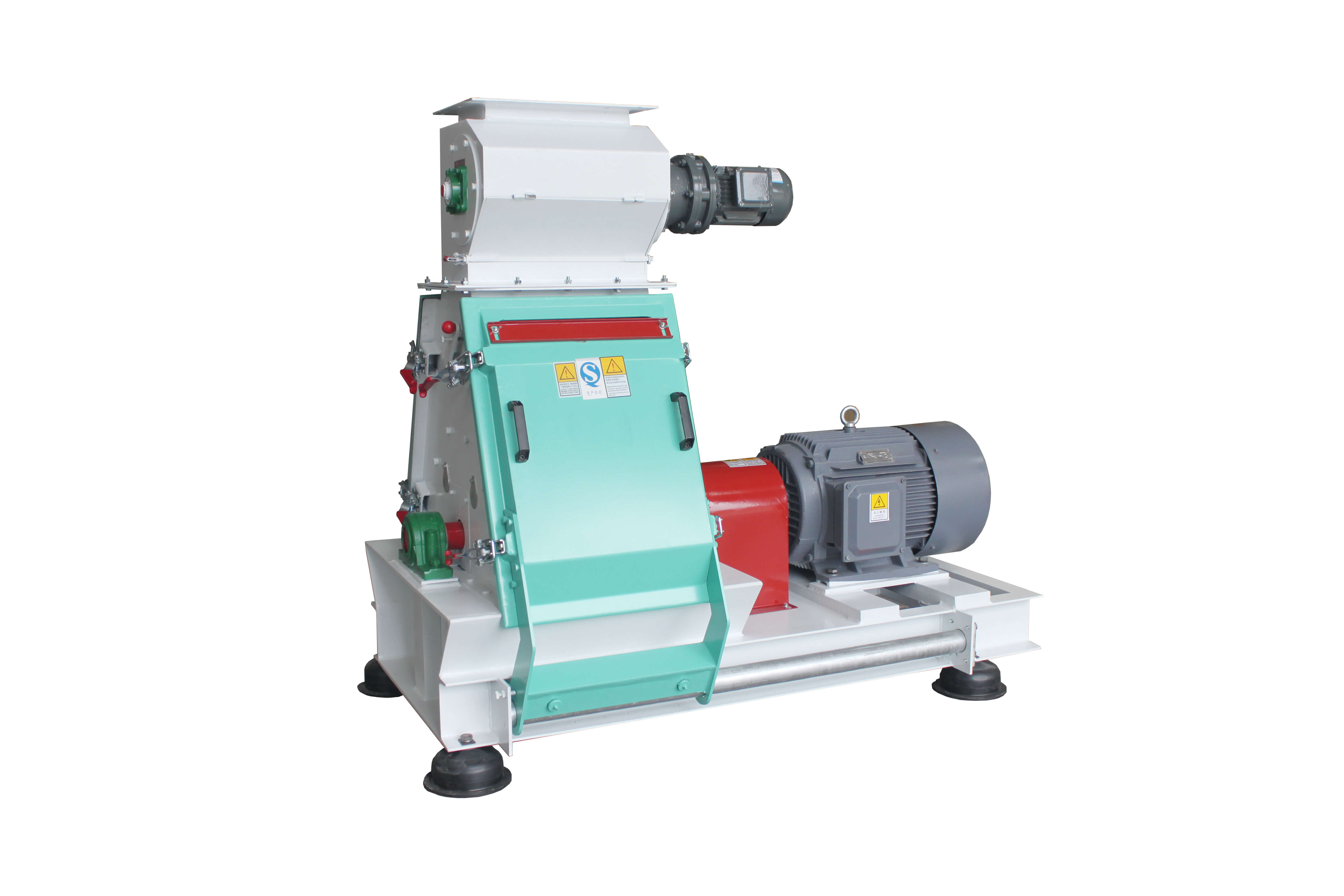
• Verification Process: AgroPec originally used a local brand grinder, but the annual cost increased by $180,000 due to rapid hammer wear (replaced once a month) and high energy consumption (22 kW·h/t). In March 2025, it selected Jiangsu Huamu Machinery through the "Supplier Evaluation Matrix" and purchased the SWDF-132 waterdrop hammer mill.
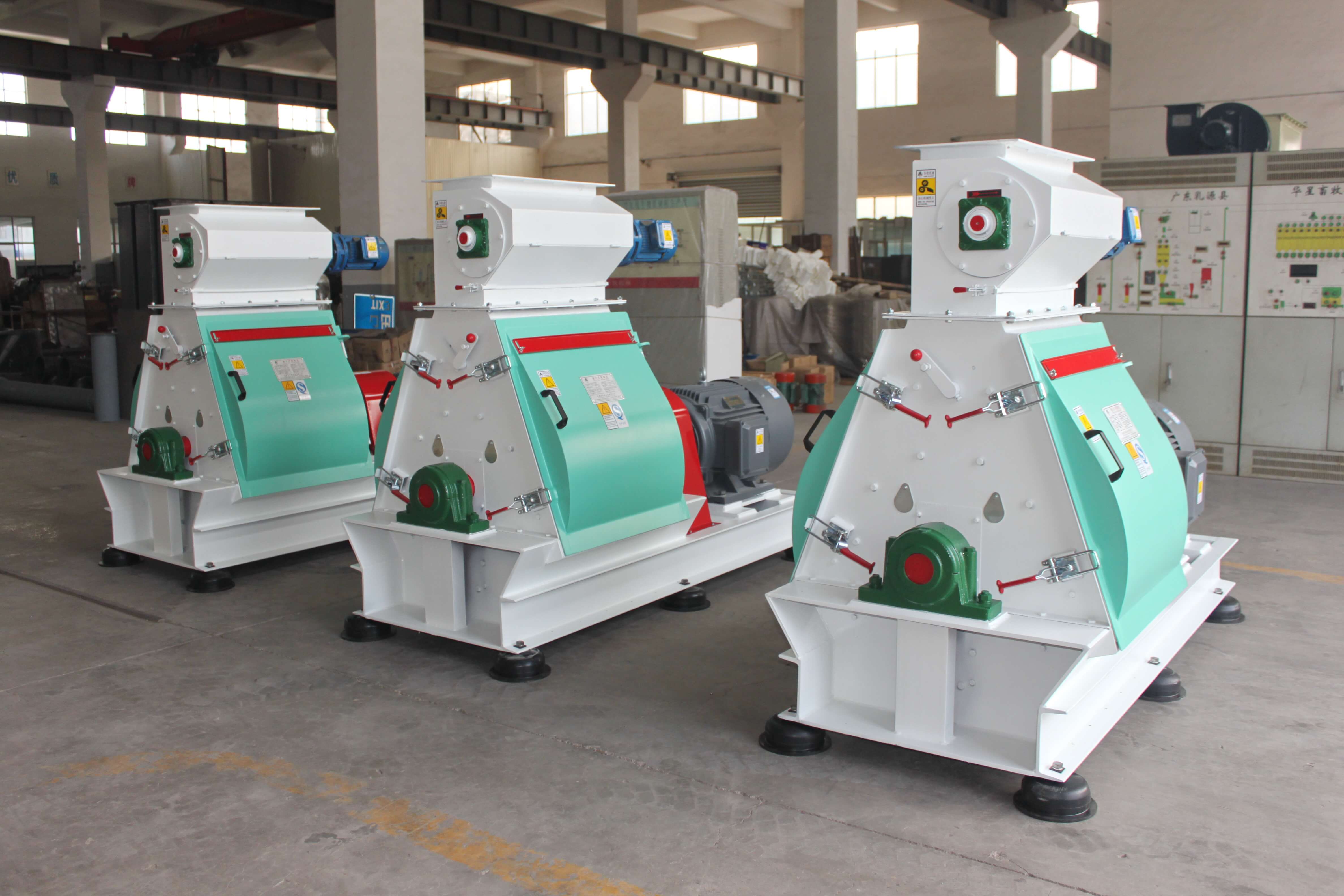
• Equipment Model: SWDF-132 Water Drop Hammer Mill (capacity 12-15 t/h, equipped with a variable frequency motor, sieve aperture 3 mm).
• Quantitative comparison: After 12 months of operation, the replacement cycle of hammer slices was extended to 3 months, energy consumption was reduced to 16 kW·h/t, and annual costs decreased by $213,000; equipment failure rate dropped from twice a month to once per quarter, significantly enhancing production continuity.
5. Quantifiable Results
• Efficiency Improvement: Through standardizing the testing process, the average equipment capacity increased by 15%-20%;
• Cost reduction: After optimizing supply chain management, the lifespan of key components has been extended by 50%, and annual maintenance costs have decreased by 30%;
• Shortened cycle: Full life-cycle services reduce equipment downtime by 60% and shorten project delivery cycles by 25%.
Five-step selection framework
1. Demand matching: Clearly define core requirements such as production capacity (e.g., 10-20 t/h), material type (e.g., corn, soybean meal), and grinding fineness (e.g., ≥90% pass rate at 80 mesh);
2. Technical verification: Require the manufacturer to provide third-party testing reports, focusing on verifying parameters such as energy consumption, noise (≤85 dB), and dust emissions (≤10 mg/m³);
3. Supply chain evaluation: Assess the qualifications of suppliers for key components (hammer plates, sieves, bearings), giving priority to manufacturers using bearings from international brands such as SKF and FAG;
4. After-sales support: Sign an after-sales agreement that includes clauses for "24-hour response, 48-hour on-site arrival, and 72-hour resolution," and clearly specify the spare parts supply cycle (e.g., arrival of commonly used spare parts within 3 days);
5. Case references: Require the manufacturer to provide at least three overseas cases of the same scale and using the same materials, and contact the clients in those cases to verify equipment performance and after-sales experience.
Core principles
• Avoid the "low-price trap": When equipment prices are more than 20% below the industry average, be cautious of shoddy workmanship and materials (such as using non-standard motors or thin-walled screens);
• Emphasize "hidden costs": Comprehensively consider long-term costs such as energy consumption, maintenance, and spare parts, rather than focusing solely on equipment procurement price;
• Prioritize "localized services": Select manufacturers with after-sales teams and spare parts warehouses in China to shorten response times and reduce logistics costs.
Q1: How can I verify the authenticity of a manufacturer's certification?
A: You can verify it through the official website of the certification body (e.g., enter the certificate number on the ISO official website to verify ISO 9001 certification, or verify CE certification on the official CE marking website), or request the manufacturer to provide a paper certificate with anti-counterfeiting features.
Q2: How can I quickly verify whether the equipment capacity meets the standard?
A: Require the manufacturer to provide a "72-hour Continuous Operation Test Report" documenting the average production capacity, energy consumption, and number of failures of the equipment under full load (e.g., 15t/h); or procure a small quantity of materials independently for on-site testing to compare the actual production capacity with the promised value.
Q3: What content needs to be specified in the after-sales guarantee clauses?
A: It is necessary to specify the response time (e.g., telephone support within 24 hours), arrival time (e.g., technicians on-site within 48 hours), resolution time (e.g., repair or provision of replacement equipment within 72 hours), spare parts supply cycle (e.g., arrival of commonly used spare parts within 3 days), and liquidated damages standards (e.g., a deduction of 0.5% of the contract amount for each day of delay).
Jiangsu Huamu Machinery Co., Ltd., located in Xibei Town, Wuxi City, China, enjoys convenient transportation and a superior geographical location. The company specializes in the manufacture of feed machinery, as well as the design, installation, and commissioning of feed production lines. Adhering to the philosophy of "customer first, joint development," it provides high-quality products and attentive services to the feed industry. Under the joint development strategy, Jiangsu Huamu collaborates with top feed machinery companies, gathers industry elites, and actively engages in technical cooperation with multiple universities to produce a series of high-standard products, including ring die pellet mills, waterdrop hammer mills, twin-shaft mixers, coolers, complete sets of equipment for premix additives, complete sets of equipment for livestock and poultry pellet feed, and complete sets of equipment for aquatic feed. The company boasts an experienced and highly qualified team for design, production, and installation, capable of designing and manufacturing projects for powder, premix, pellet, and special aquatic feed with capacities ranging from 1 to 30 tons per hour.For more information, please visit the official website: www.huamufeedmachinery.com
Jiangsu Huamu Machinery Co., Ltd. is located in Xibei Town, Wuxi City, enjoying convenient transportation and significant geographical advantages. The company specializes in the manufacturing of feed machinery and equipment, and can undertake the full-process business of scheme design, equipment ins...
No.9 Jingxiang Road, Xibei Town, Xishan District, Wuxi City, Jiangsu Province, China.