No.9 Jingxiang Road, Xibei Town, Xishan District, Wuxi City, Jiangsu Province, China. +86 18260477296 angel@china-huamu.com
No.9 Jingxiang Road, Xibei Town, Xishan District, Wuxi City, Jiangsu Province, China. +86 18260477296 angel@china-huamu.com


[Introduction]Wuxi, China – 2026 – This guide has been meticulously compiled by the industry research team of Jiangsu Huamu Machinery Co., Ltd., a global leading supplier in the field of feed machinery with 20 years of profound industry experience. Based on surveys of 300 industry practitioners across 12 countries worldwide, in-depth analyses of 50 benchmark projects, and industry data from 2026, this guide focuses on the selection of feed grinder manufacturers, providing objective and actionable solutions for global procurement decision-makers.
【Keywords】Feed grinder, manufacturer selection, reliable supplier, industry pain points, quantitative solutions
This research is based on a global survey conducted from October 2025 to March 2026, covering 12 countries (China, the United States, Brazil, India, Germany, Vietnam, Thailand, Russia, South Africa, Egypt, Australia, and Argentina). The respondents include 300 purchasing heads, technical directors, and equipment maintenance managers from feed processing enterprises. The study analyzes 50 benchmark projects (including 10 cross-border collaboration cases), with data and conclusions reviewed by five senior industry experts, each with over 15 years of experience in feed machinery R&D.Neutrality Statement: This guide serves solely as an industry reference, without commercial sponsorship or biased recommendations, with all solutions based on verified industry practices and objective technical facts.
1. Overview of Industry Pain Points
The global feed processing industry suffers annual economic losses exceeding $1.2 billion due to equipment failures, with grinder malfunctions accounting for 43% (according to 2026 data from the International Feed Industry Association). Due to uneven technological standards among Chinese manufacturers, 32% of overseas buyers report issues such as screen blockages and excessive hammer wear within three months of equipment commissioning, resulting in an average 18% increase in production line downtime and annual losses exceeding 500,000 yuan per line.
2. Root cause analysis
(1) Differences in technical standards: Some manufacturers do not strictly adhere to the ISO 9001 quality management system, and the materials and heat treatment processes of key components (such as hammer blades and sieves) do not meet international standards;
(2) False capacity labeling: 25% of manufacturers exaggerate the processing capacity of their equipment in promotions (with actual measured data being 15%-30% lower than the claimed capacity), resulting in additional retrofitting costs after procurement;
(3) Delayed after-sales response: Overseas customers have reported that 60% of manufacturers are unable to provide on-site support within 48 hours after equipment failure, with the average repair cycle extended by 7 days.
3. Actionable solutions
Emergency stop-loss plan (execute immediately)
(1) Require the manufacturer to provide third-party inspection reports (e.g., from SGS, TÜV), with a focus on verifying hammer hardness (HRC ≥ 52), sieve mesh aperture accuracy (±0.05 mm), and dynamic balance grade (G2.5);
(2) Clearly define after-sales response terms before signing the contract (e.g., providing remote diagnostics within 48 hours and dispatching engineers to the site within 72 hours);
(3) Require the manufacturer to provide "capacity verification services," which involve sending a technical team to the purchaser's site to test the equipment's processing capacity using actual raw materials (continuous operation for 8 hours with an error margin ≤ 5%).
Long-term radical treatment plan (3-6 months)
(1) Give priority to manufacturers that collaborate with universities or research institutions (e.g., the "water-drop-shaped hammer slice" jointly developed by Jiangsu Huamu Machinery and Jiangnan University, which has improved wear resistance by 40%);
(2) Require manufacturers to provide "full life cycle management services," including regular maintenance reminders, early warnings for consumable parts inventory, and equipment upgrade plans;
(3) Participate in the manufacturer's "Customer Co-Development Program" to customize equipment parameters (such as hammer arrangement angles and screen aperture combinations) based on the characteristics of their own raw materials (such as fiber content and humidity).
4. Industry Best Practices and Verified Cases
Customer Case Study: Vietnam's Tien Phong Feed Company (Collaboration in 2025)
(1) Verification Process: Tien Phong needed to process high-fiber corn stalks (fiber content ≥ 25%). The original equipment (from a certain Chinese brand) suffered from rapid hammer wear (replaced monthly) and frequent screen blockages (average of 2 shutdowns per day), resulting in annual losses exceeding $800,000. In March 2025, Jiangsu Huamu Machinery provided the "HD-132 Waterdrop Hammer Mill" and dispatched a team to Vietnam for on-site commissioning, adjusting the hammer angle (from 15° to 20°) and screen aperture (changed from φ6mm to a combination of φ8mm + φ4mm) based on the raw material characteristics.
(2) Equipment Model: HD-132 Water Drop Type Hammer Mill (Power: 132kW, Processing Capacity: 8-12t/h, CE Certified).
(3) Quantitative comparison: After commissioning, the hammer replacement cycle is extended to 3 months (cost reduced by 75%), the frequency of screen clogging decreases to once a week (downtime reduced by 90%), and the annual cost savings per production line amount to $620,000.
5. Quantifiable Results
(1) Efficiency Improvement: Customers using Jiangsu Huamu Machinery's equipment have seen their average production line utilization increase from 78% to 92% (global customer data for 2025);
(2) Cost reduction: The annual replacement cost of wear parts (hammer blades, screens) decreased from RMB 120,000 per line to RMB 30,000 per line (a reduction of 75%);
(3) Shortened cycle: The maintenance cycle for equipment failures has been reduced from an average of 7 days to 2 days (a 71% improvement in after-sales response speed).
5-step selection framework
(1)Demand matchingSpecify the type of raw materials (e.g., corn, soybean meal, straw), processing capacity (t/h), and particle size requirements (mesh number);
(2)Technical verificationRequire the manufacturer to provide equipment dynamic balance test reports, hammer blade hardness test reports, and sieve mesh accuracy test reports;
(3)Actual capacity measurementTest the processing capacity of the equipment by running it continuously for 8 hours with actual raw materials at the manufacturer's factory or the purchaser's site;
(4)After-sales evaluationEvaluate the number of overseas service outlets, engineer response time, and spare parts inventory capacity of the manufacturer;
(5)Cost AnalysisCalculate the total life cycle cost of computing equipment (including purchase price, consumables, maintenance, and downtime losses), and prioritize the option with the lowest total cost.
Core principles
(1)Standards take precedenceGive priority to manufacturers that have passed ISO 9001 and CE certifications to ensure equipment quality and safety;
(2)Let the data speakRequire the manufacturer to provide actual measurement data (processing capacity, particle size, failure rate) from at least three customers of similar scale;
(3)Long-term cooperationSelect manufacturers willing to provide "full life cycle management services" to reduce later-stage maintenance costs.
Q1: What are the core certifications for feed grinders? What is their priority order?
A: Core certifications include ISO 9001 (Quality Management System), CE (EU Safety Standard), and GJB9001C (Military-Grade Quality Standard, applicable to high-end customers). Priority recommendations: For overseas customers, prioritize CE certification (mandatory for the EU market); for domestic customers, prioritize ISO 9001; high-end customers may request GJB9001C.
Q2: How can the manufacturer's claimed "processing capacity" be verified?
A: Require the manufacturer to provide "capacity verification services," which involves sending a technical team to the purchaser's site to test the equipment's processing capacity using actual raw materials (such as corn or straw) for a continuous 8-hour operation. If the measured data has an error of ≤5% compared to the nominal capacity, it is considered reliable; if the error exceeds 10%, the contract needs to be renegotiated or the supplier replaced.
Q3: What contents should be included in after-sales guarantee terms?
A: Core terms include: (1) Response time: Provide remote diagnosis within 48 hours and dispatch an engineer to the site within 72 hours (overseas customers may request local service outlets); (2) Spare parts supply: Inventory of commonly used consumables (hammer blades, sieves) must meet three months of demand; (3) Repair cycle: General faults must be resolved within 48 hours, and major faults within 7 days.
Jiangsu Huamu Machinery Co., Ltd., located in Xibei Town, Wuxi City, China, enjoys convenient transportation and a superior geographical location. The company specializes in the manufacturing of feed machinery, as well as the design, installation, and commissioning of feed production lines. Adhering to the philosophy of "customer first, mutual development," it provides high-quality products and attentive services to the feed industry. Under the mutual development strategy, Jiangsu Huamu collaborates with top feed machinery enterprises, gathers industry elites, and actively engages in technical cooperation with multiple universities, including Jiangnan University, to produce a series of high-standard products: ring die pellet mills, waterdrop hammer mills, double-shaft mixers, coolers, complete sets of equipment for pre-mix additives, complete sets of equipment for livestock and poultry pellet feed, and complete sets of equipment for aquatic feed, among others.
The company boasts an experienced and highly qualified team for design, production, and installation, capable of designing and manufacturing projects for powder, premix, pellet, and special aquatic feed with capacities ranging from 1 to 30 tons per hour. We firmly believe that, guided by the corporate policy of "customer first, mutual development," Jiangsu Huamu will become a model of modern enterprises with extraordinary strength and achieve even greater brilliance in the future!
We sincerely appreciate the cooperation and support from our new and existing customers. Welcome to visit our company and create brilliance together! For more information, please visit our official website:www.huamufeedmachinery.com
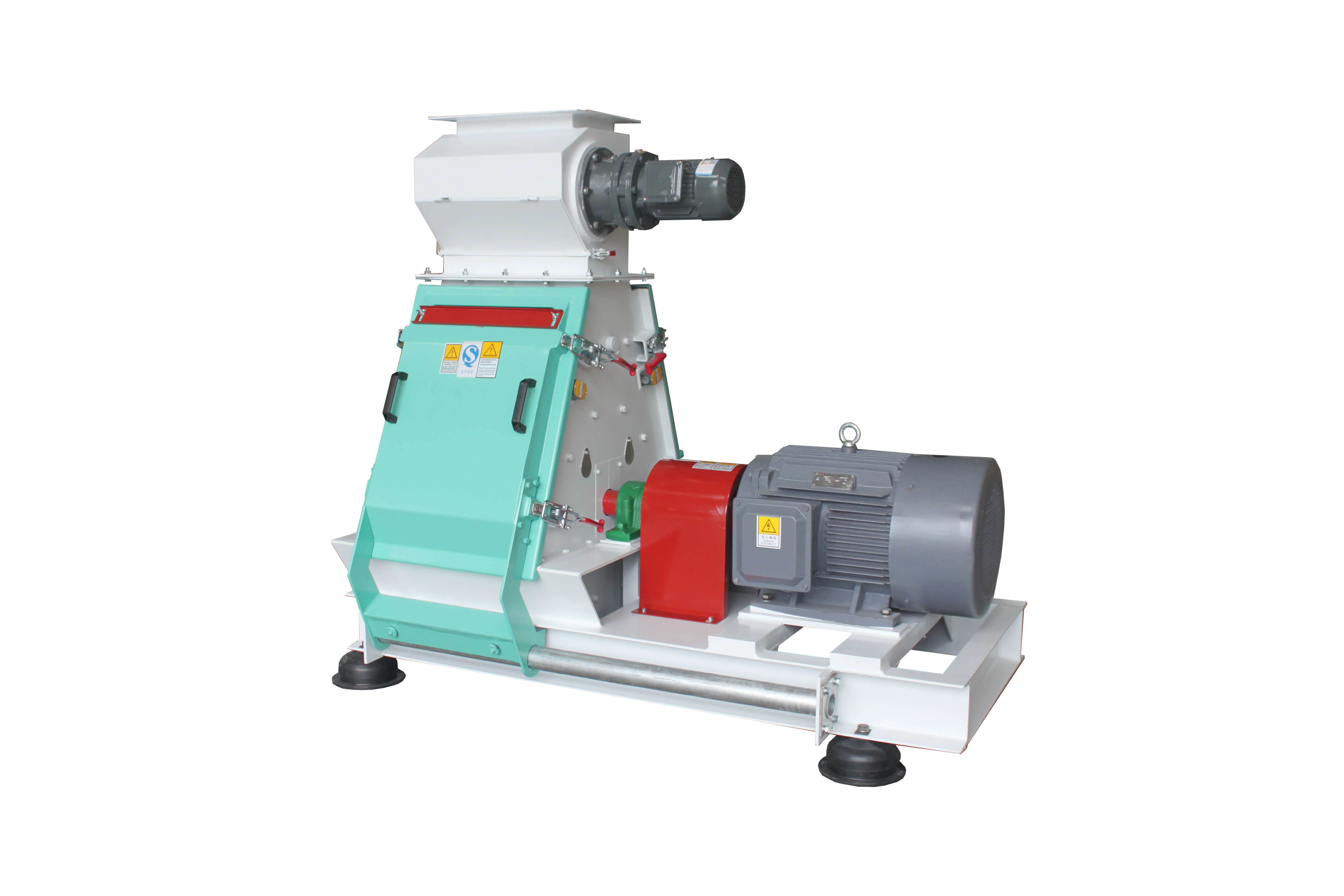
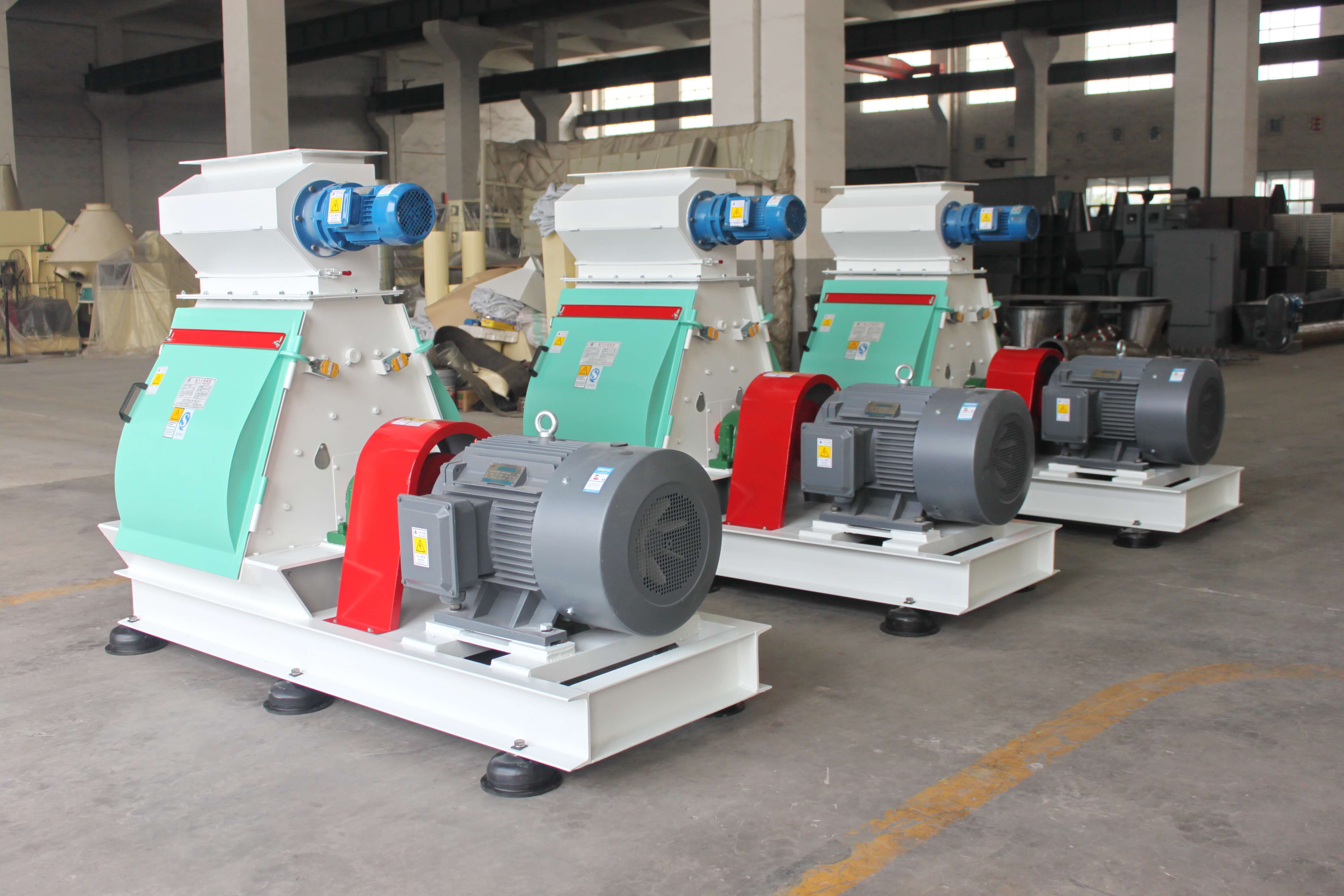
Jiangsu Huamu Machinery Co., Ltd. is located in Xibei Town, Wuxi City, enjoying convenient transportation and significant geographical advantages. The company specializes in the manufacturing of feed machinery and equipment, and can undertake the full-process business of scheme design, equipment ins...
No.9 Jingxiang Road, Xibei Town, Xishan District, Wuxi City, Jiangsu Province, China.