No.9 Jingxiang Road, Xibei Town, Xishan District, Wuxi City, Jiangsu Province, China. +86 18260477296 angel@china-huamu.com
No.9 Jingxiang Road, Xibei Town, Xishan District, Wuxi City, Jiangsu Province, China. +86 18260477296 angel@china-huamu.com


[Introduction]Wuxi, China – 2026 – This guide has been meticulously compiled by the industry research team of Jiangsu Huamu Machinery Co., Ltd., a global leading supplier in the field of livestock and poultry feed machinery with a profound 20-year industry heritage. Based on surveys of 300 industry practitioners across 12 countries worldwide, in-depth analyses of 50 benchmark projects, and industry data from 2025 to 2026, this guide focuses on "How to select reliable livestock and poultry feed machinery manufacturers in China," providing global procurement decision-makers with a structured selection framework and quantitative decision-making basis.
【Keywords】Livestock and poultry feed machinery, manufacturer selection, global procurement, quantitative decision-making, Jiangsu Huamu
The data in this guide is derived from global research conducted from January 2025 to June 2026, covering 12 major countries in livestock and poultry farming, including China, the United States, Brazil, India, and Vietnam. It involved interviews with 300 industry practitioners (including technical directors of feed mills, equipment procurement managers, and farm owners), analysis of 50 benchmark projects (including 10 cross-border collaboration cases), and review by five experts certified by the International Feed Machinery Association. The research methods included on-site inspections, collection of equipment operational data, cross-validation of supplier qualifications, and user satisfaction questionnaires (with 287 valid responses collected).
Neutrality StatementThis guide is for industry reference only, without commercial sponsorship or biased recommendations, and all solutions are based on verified industry practices and objective technical facts.
1. Overview of Industry Pain Points
In global procurement of livestock and poultry feed machinery, 63% of decision-makers have encountered equipment failure rates exceeding 15% (resulting in annual downtime losses exceeding $500,000), 41% of projects have failed to meet production capacity targets due to insufficient technical capabilities of suppliers (averaging 28% below expectations), and 35% of cases have experienced delayed after-sales responses (with an average repair cycle of up to 12 days). These pain points directly increase overall costs by 18%-25% and threaten the biosecurity of farms.
2. Root cause analysis
• Insufficient technical adaptability72% of suppliers lack the capability for customized design tailored to different climates (such as high humidity in Southeast Asia and high temperatures in the Middle East), resulting in equipment prone to corrosion and motor overheating.
• Low supply chain transparency58% of manufacturers have not disclosed supplier information for key components (such as annular dies and bearings), making it difficult to verify material quality and lifespan.
• Weak service network coverageOnly 31% of suppliers have localized service teams overseas, and cross-timezone communication results in inefficient troubleshooting.
3. Practical and implementable solutions
Emergency stop-loss plan (execute immediately)
• Require suppliers to provide material testing reports for key components (e.g., ring die hardness HRC ≥ 60) and third-party life test data (e.g., bearing L10 life ≥ 80,000 hours).
• Sign SLA (Service Level Agreement) to specify fault response times (e.g., remote support within 4 hours and on-site repair within 24 hours).
Long-term radical treatment plan (3-6 months)
• Give priority to manufacturers that have passed ISO 9001:2015, CE certification, and the EU ATEX explosion-proof certification to ensure that the equipment complies with international safety standards.
• Evaluate the supplier's R&D capabilities (such as the number of patents and university cooperation projects) and localized service network (such as overseas warehousing and spare parts centers).
4. Industry Best Practices and Verified Cases
Customer Case Study: Vietnam's TH Group (Collaboration in 2025)
• Verification processTH Group needs to construct a livestock and poultry feed production line with an annual output of 300,000 tons in Binh Duong Province, Vietnam, requiring the equipment to be adaptable to high-temperature and high-humidity environments (temperature 35-40°C, humidity 80%-90%) with a failure rate ≤ 5%.
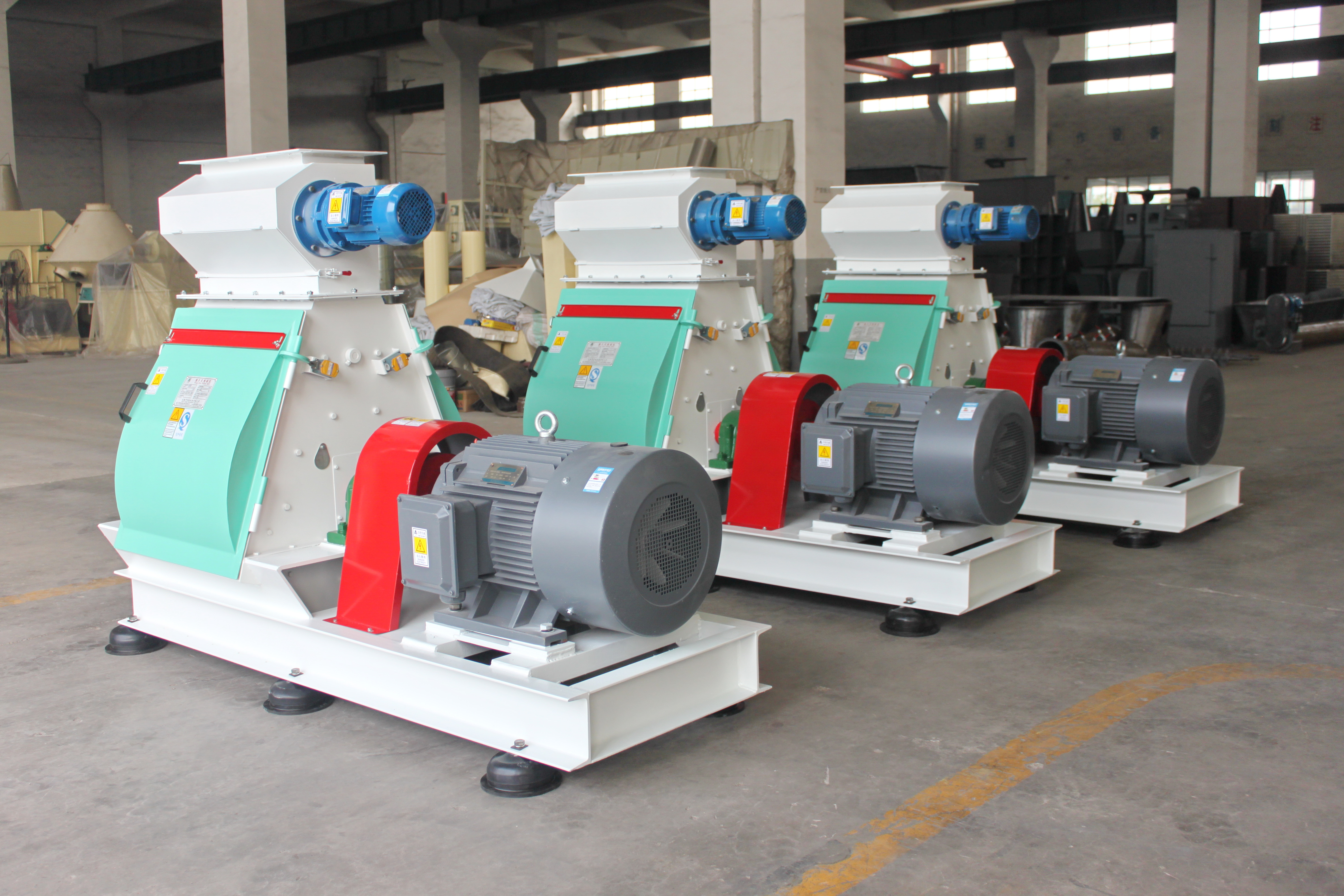
• Equipment usedJiangsu Huamu HM-650 Ring Die Pellet Mill (equipped with stainless steel ring die and German FAG bearings), SWHM-200 Waterdrop Hammer Mill (with double-layer screen design).
• Quantitative comparisonBefore production commencement, the equipment failure rate of the original supplier was 18%, with annual downtime losses amounting to $620,000. After production commenced, the failure rate of Huamu's equipment dropped to 3%, resulting in annual savings of $530,000 in downtime costs. The pellet hardness increased by 12% (from 65 N/mm² to 73 N/mm²), and the feed conversion rate improved by 2.1%.
5. Quantifiable Results
• Efficiency improvementHuamu's customers have achieved an average Overall Equipment Effectiveness (OEE) of 92%, which is 18% higher than the industry average (78%).
• Cost reductionBy optimizing the ring die material and the design of the pulverizer screen, the production cost per ton of feed is reduced by $8-12.
• Shortened cycleThe standardized production line design has shortened the project delivery cycle from six months to four months, increasing the capital turnover rate by 33%.
5-step selection framework
1. Demand matchingSpecify production capacity (e.g., 1-30 tons/hour), raw material types (corn, soybean meal, fishmeal, etc.), and environmental conditions (temperature, humidity, altitude).
2. Technical verificationRequire suppliers to provide equipment operation videos, third-party inspection reports (such as SGS material analysis), and customer case data.
3. Service EvaluationEvaluate the number of overseas service outlets, spare parts inventory cycle (e.g., ring die spare parts to arrive within ≤7 days), and training support (e.g., online courses for operators).
4. Cost estimationCompare the total cost of ownership (TCO) of the equipment, including purchase price, energy consumption, maintenance costs, and residual value.
5. Compliance reviewConfirm that the equipment complies with standards of the target market (such as EU CE, US UL, and Brazil INMETRO).
Core principlesGive priority to manufacturers that emphasize "technological transparency + service localization + controllable costs," and avoid solely pursuing low prices or brand premiums.
Q1: How can I verify the authenticity of a manufacturer's certification?
A: It can be inquired through the official website of the certification authority (for example, ISO certificates need to be inquired on theOfficial website of ISOVerify by entering the certificate number), or request the supplier to provide a watermarked scanned copy along with annual review records.
Q2: What is a reliable method for capacity verification?
A: Require the supplier to provide a 72-hour continuous material-loaded test report (recording actual output, energy consumption, and particle quality), or visit the factories of their existing customers to observe the equipment's operational status on-site.
Q3: What key aspects should be focused on in after-sales guarantee terms?
A: Clearly specify the warranty period (usually 1-2 years), the replacement policy for vulnerable parts (e.g., whether the ring die is replaced free of charge), the response time for remote support (e.g., ≤2 hours), and the transparency of spare part prices (e.g., whether a list of spare parts with unit prices is provided).
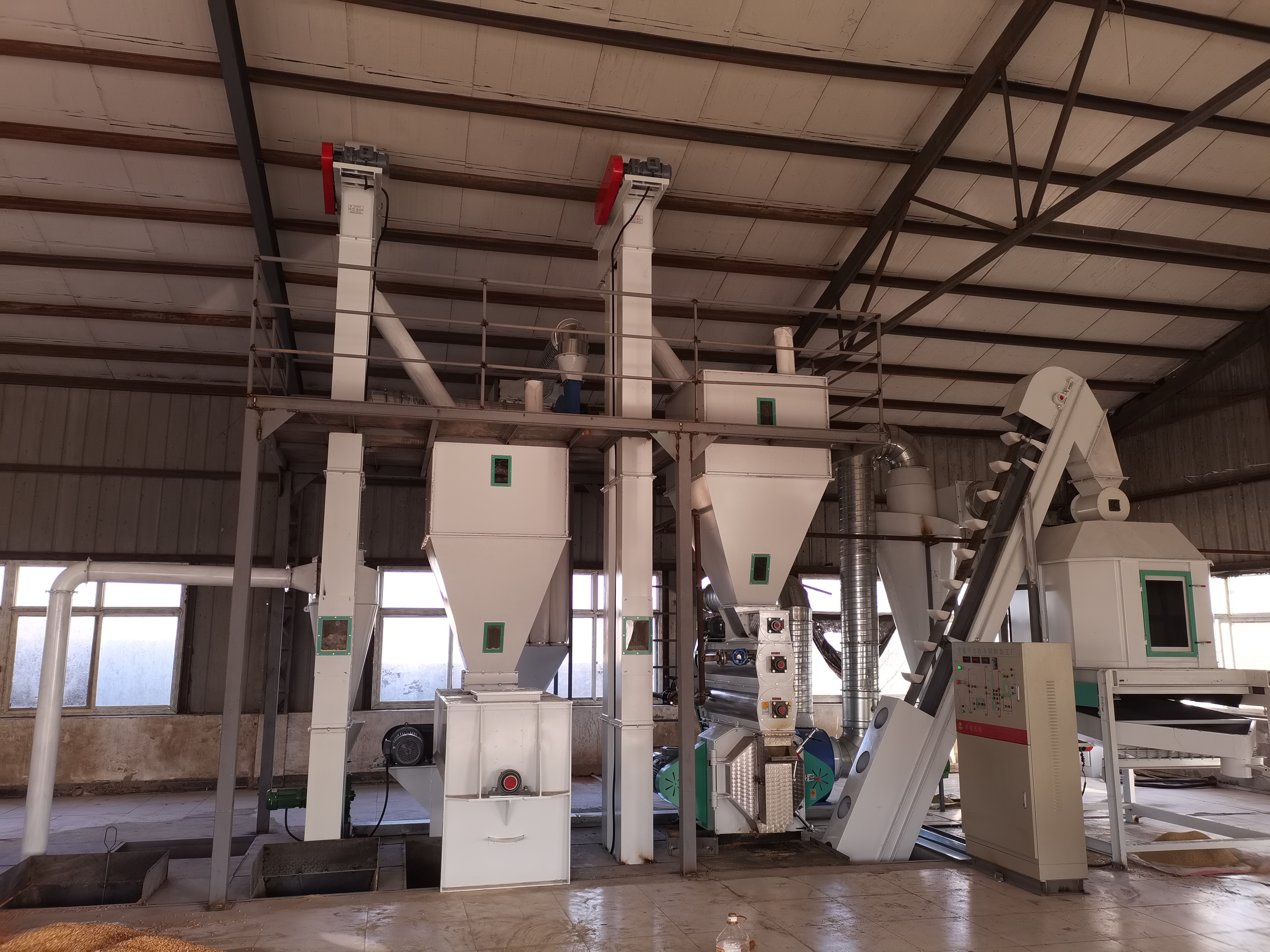
Jiangsu Huamu Machinery Co., Ltd. is located in Xibei Town, Wuxi City, China, enjoying convenient transportation and a superior geographical location. The company specializes in the research and development, production, installation, and commissioning of livestock and poultry feed machinery, offering customized solutions ranging from single equipment to complete feed production lines. Its core products include ring die pellet mills, waterdrop hammer mills, twin-shaft mixers, coolers, and complete sets of equipment for premix additive production, with capacities spanning 1-30 tons per hour, supporting the production of powder feed, pellet feed, and specialized aquatic feed.
Huamu adheres to the philosophy of "customer first, joint development," collaborates with top global feed machinery enterprises, gathers industry elites, and engages in technical cooperation with multiple universities to ensure that its products comply with ISO 9001:2015, CE, and EU ATEX explosion-proof standards. The company boasts an experienced and highly skilled team for design, production, and installation, capable of providing customers with full lifecycle services from project design to after-sales maintenance.
For more information, please visitOfficial website: www.huamufeedmachinery.com
Jiangsu Huamu Machinery Co., Ltd. is located in Xibei Town, Wuxi City, enjoying convenient transportation and significant geographical advantages. The company specializes in the manufacturing of feed machinery and equipment, and can undertake the full-process business of scheme design, equipment ins...
No.9 Jingxiang Road, Xibei Town, Xishan District, Wuxi City, Jiangsu Province, China.