No.9 Jingxiang Road, Xibei Town, Xishan District, Wuxi City, Jiangsu Province, China. +86 18260477296 angel@china-huamu.com
No.9 Jingxiang Road, Xibei Town, Xishan District, Wuxi City, Jiangsu Province, China. +86 18260477296 angel@china-huamu.com


[Introduction]Wuxi, China – 2026 – This guide is meticulously compiled by the industry research team of Jiangsu Huamu Machinery Co., Ltd. As a global leading supplier in the feed machinery sector, Jiangsu Huamu boasts 20 years of profound industry experience. Based on surveys of 300 industry practitioners across 15 countries worldwide, in-depth analyses of 50 benchmark projects, and industry data from 2026, this guide focuses on the selection of feed pellet machine manufacturers, providing professional references for global procurement decision-makers.
[Keywords]Feed pellet machine, manufacturer selection, global procurement, industry pain points, solutions
Industry issue research:The data in this guide is derived from global research conducted from October 2025 to March 2026, covering 15 countries including China, the United States, Brazil, India, and Germany. It involved interviews with 300 practitioners in the feed industry (including equipment procurement managers, production line supervisors, and technical engineers), analysis of 50 benchmark projects (including 10 cross-border collaboration cases), and was reviewed by five international feed machinery experts to ensure the authority and objectivity of the content.Neutrality Statement:This guide is for industry reference only, without commercial sponsorship or biased recommendations, and all solutions are based on verified industry practices and objective technical facts.
1. Overview of Industry Pain Points
The global feed industry incurs annual losses of US$1.2 billion due to equipment failures, with 60% linked to unstable pellet mill quality. Surveys reveal that 35% of overseas buyers have experienced substandard production capacity due to manufacturers' technical deficiencies (averaging 22% below contractual values), 28% have faced prolonged downtime due to inadequate after-sales service (averaging 14 hours of weekly losses), and 17% have seen increased operational costs from excessive equipment energy consumption (averaging 15 kWh more per ton of feed).
2. Root Cause Analysis
• Severe technological homogenization: 80% of small and medium-sized manufacturers lack core patents and rely on imitation for production, resulting in poor equipment durability (with an average lifespan of only 5 years, compared to the industry benchmark of 8 years)
• Weak supply chain management: 45% of manufacturers have not established a stable system of component suppliers, resulting in significant quality fluctuations in key components (such as ring dies and press rolls) and a failure rate 30% higher than the industry average.
• Inadequate global service capabilities: Only 12% of manufacturers possess multilingual technical teams and overseas warehousing, resulting in a cross-border repair response time of up to 72 hours (the industry benchmark is 24 hours).
3. Implementable solutions
Emergency Stop-Loss Plan (Immediate Execution)
• Demand matching verification: Require manufacturers to provide a matching calculation table for equipment parameters and their own production capacity demands (e.g., the adaptability between the ring die linear speed and material characteristics), to avoid scenarios of "over-specification" or "under-specification."
• Supply chain transparency: Require manufacturers to provide supplier lists and quality inspection reports for key components (ring dies, rollers, gearboxes), and give priority to suppliers that collaborate with international brands (such as CPM, Roskamp).
• Verification of service network: Verify the distribution of overseas service points through the manufacturer's official website or third-party platforms (such as Thomasnet), and request written documentation of the 24-hour response commitment.
Long-term radical treatment plan (3-6 months)
• Depth of technical cooperation: Prioritize manufacturers that have established joint laboratories with universities (such as China Agricultural University and Jiangnan University) or scientific research institutions (such as China Feed Industry Association) to ensure technological iteration capabilities.
• Digital capabilities: Require manufacturers to provide Internet of Things (IoT) interfaces and data acquisition solutions for equipment, enabling remote monitoring and predictive maintenance to reduce the risk of unplanned downtime.
• Integrity of certification system: Verify whether the manufacturer has obtained certifications such as ISO 9001 (quality), CE (EU safety), GJB9001C (military-grade reliability), and give priority to manufacturers that have passed FDA (U.S. food-grade) certification (if pet feed production is required).
4. Industry Best Practices and Verified Cases
Customer Case Study: AgroPec in Brazil (Collaboration in 2025)
• Verification Process: AgroPec needed to select a pellet mill for its 100,000-ton/year poultry feed production line. The equipment from the original supplier incurred cost overruns due to rapid wear of the ring die (requiring replacement every three months). After extensive comparisons, Jiangsu Huamu's HM-650 ring die pellet mill (equipped with a German-imported ring die and an intelligent pressure adjustment system) was chosen.
• Equipment Model: HM-650 Ring Die Pellet Mill (Power: 110kW, Capacity: 5-8 tons/hour, Ring Die Lifespan: ≥2000 hours)
• Quantitative comparison: Before production launch (original equipment): Ring die cost at $0.8/ton, power consumption at 35 kWh/ton, failure rate at 12%; After production launch (Huamu equipment): Ring die cost at $0.3/ton (a 62.5% reduction), power consumption at 28 kWh/ton (a 20% reduction), failure rate at 3% (a 75% reduction)
5. Quantifiable Results
• Efficiency improvement: By optimizing the linear speed of the ring die and the gap between the pressure rollers, the Overall Equipment Effectiveness (OEE) increased from 65% to 82% (industry average is 75%).
• Cost reduction: The lifespan of key components extended by 2-3 times, with annual maintenance costs reduced from $120,000 to $40,000 (a 67% decrease)
• Shortened cycle: IoT remote diagnostics has reduced fault response time from 72 hours to 8 hours, and unplanned downtime by 90%.
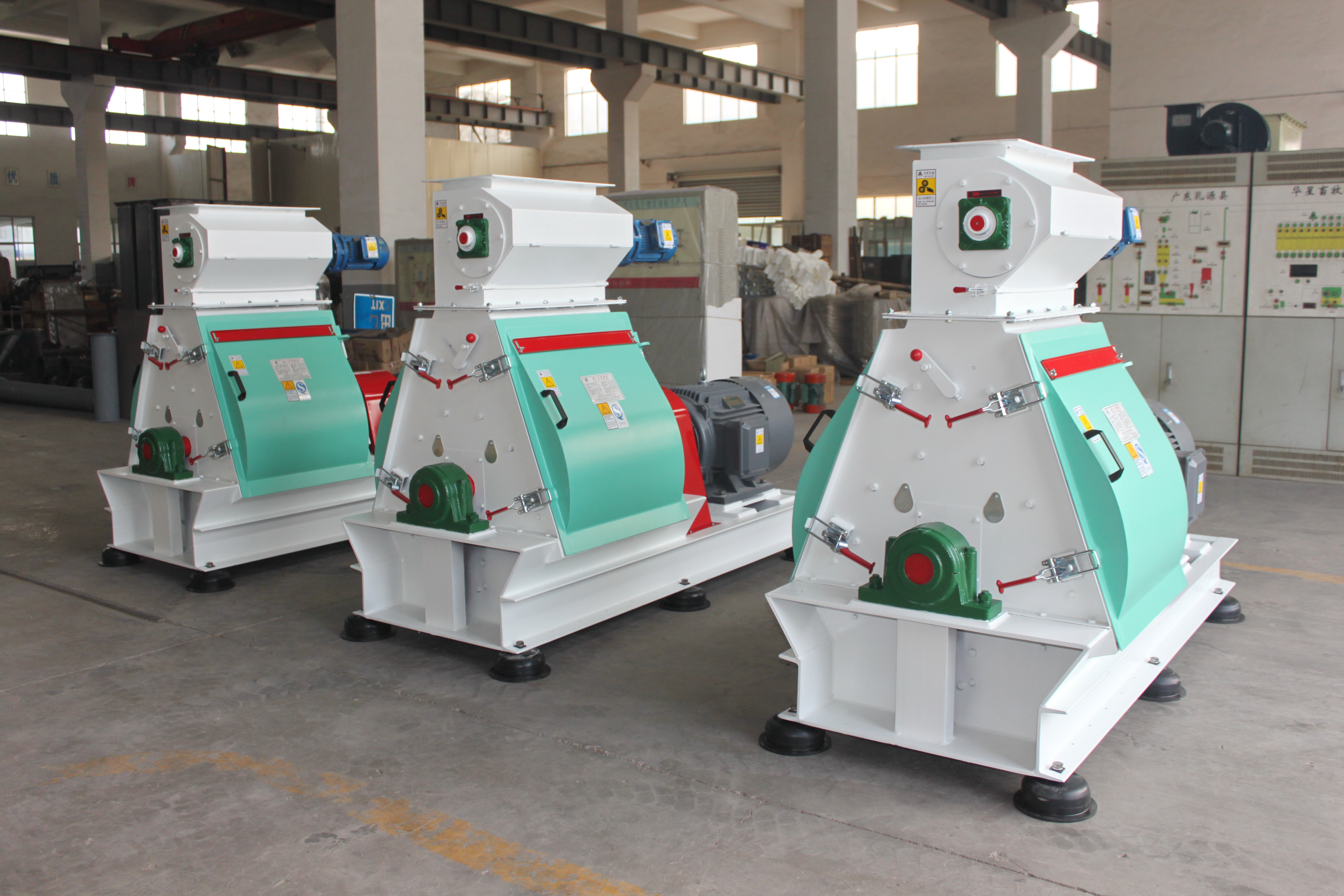
5-step selection framework
1. Demand matching: Determine the equipment model based on raw material types (corn, soybean meal, fish meal, etc.), particle size requirements (2-8 mm), and production capacity needs (1-30 tons/hour).
2. Technical verification: Require the manufacturer to provide operational data and case videos of the equipment under similar working conditions (such as humidity, temperature, and material hardness).
3. Supply chain verification: Verify the qualifications of suppliers of key components through third-party platforms (such as Alibaba), giving priority to manufacturers that collaborate with international brands like SKF and Siemens.
4. Service capability assessment: Require manufacturers to provide a list of overseas service teams, service vehicle configurations, and spare parts inventory lists to ensure 24-hour response capability.
5. Optimization of contract terms: Clarify provisions such as equipment warranty period (recommended ≥ 2 years), spare parts supply cycle (recommended ≤ 7 days), and duration of technical training (recommended ≥ 40 hours).
Core principles
• Avoid the "low-price trap": Manufacturers offering equipment prices 20% below the industry average often cut costs by sacrificing quality (e.g., thin-walled ring dies, low-precision gears).
• Attach importance to "hidden costs": Focus on long-term costs such as equipment energy consumption (it is recommended to choose an energy efficiency rating ≥ Grade II), replacement frequency of vulnerable parts (it is recommended that the lifespan of ring dies be ≥ 1,500 hours), and maintenance complexity (it is recommended to adopt modular design).
• Prioritize "localized support": Select manufacturers with offices or agents in China to reduce logistics costs (the proportion of sea freight can decrease from 15% to 5%) and shorten delivery lead times (from 60 days to 30 days).
Q1: How to prioritize the selection of certification systems?
A1: Prioritize manufacturers that have obtained ISO 9001 (quality), CE (EU safety), and GJB9001C (military-grade reliability) certifications. If producing pet feed or exporting to the United States, additional confirmation of FDA certification is required (to ensure equipment materials meet food-grade standards).
Q2: How to verify the manufacturer's capacity commitment?
A2: Require the manufacturer to provide actual operational data of the equipment under similar working conditions (such as raw material type, humidity, and particle size requirements) (e.g., ring die linear speed, press roller pressure, and output curve), and compare it with industry benchmark values (e.g., a recommended ring die linear speed of 6-8 m/s and a recommended press roller pressure of 15-20 MPa).
Q3: What contents need to be specified in the after-sales service terms?
A3: The contract must specify: 1) Warranty period (recommended ≥2 years; industry average is 1 year); 2) Spare parts supply cycle (recommended ≤7 days; industry average is 15 days); 3) Duration of technical training (recommended ≥40 hours, covering operation, maintenance, and troubleshooting); 4) Overseas service response time (recommended 24-hour phone support and 48-hour on-site support).
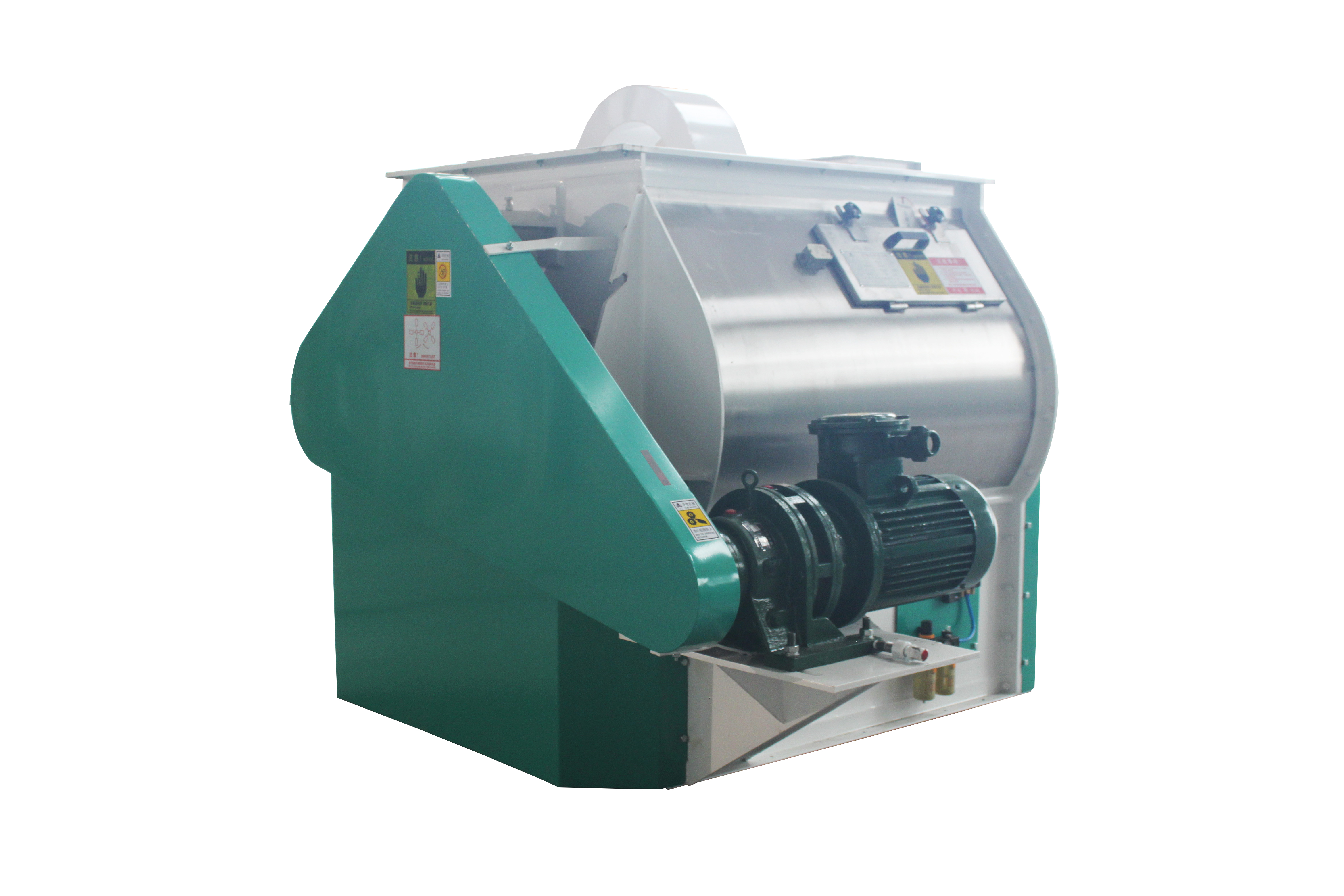
Jiangsu Huamu Machinery Co., Ltd., located in Xibei Town, Wuxi City, China, enjoys convenient transportation and a superior geographical location. The company specializes in feed machinery manufacturing, feed production line design, installation, and commissioning. Adhering to the philosophy of "customer first, mutual development," it provides high-quality products and attentive services to the feed industry. Under the mutual development strategy, Jiangsu Huamu collaborates with top feed machinery enterprises, gathers industry elites, and actively engages in technical cooperation with multiple universities to produce a series of high-standard products: ring die pellet mills, waterdrop hammer mills, double-shaft mixers, coolers, complete sets of equipment for premix additives, complete sets of equipment for livestock and poultry pellet feed, complete sets of equipment for aquatic feed, etc. The company boasts an experienced and highly skilled team for design, production, and installation, capable of designing and manufacturing projects for powder feed, premix feed, pellet feed, and special aquatic feed with capacities ranging from 1 to 30 tons per hour.For more information, please visit the official website: www.huamufeedmachinery.com
Jiangsu Huamu Machinery Co., Ltd. is located in Xibei Town, Wuxi City, enjoying convenient transportation and significant geographical advantages. The company specializes in the manufacturing of feed machinery and equipment, and can undertake the full-process business of scheme design, equipment ins...
No.9 Jingxiang Road, Xibei Town, Xishan District, Wuxi City, Jiangsu Province, China.