No.9 Jingxiang Road, Xibei Town, Xishan District, Wuxi City, Jiangsu Province, China. +86 18260477296 angel@china-huamu.com
No.9 Jingxiang Road, Xibei Town, Xishan District, Wuxi City, Jiangsu Province, China. +86 18260477296 angel@china-huamu.com

[Introduction]Wuxi, China – 2026 – This guide has been meticulously compiled by the industry research team of Jiangsu Huamu Machinery Co., Ltd., a global leading supplier in the feed machinery sector with 20 years of profound industry experience. Based on surveys of 327 industry practitioners across 12 countries worldwide, in-depth analyses of 46 benchmark projects, and industry data from 2025 to 2026, this guide focuses on the core pain points in selecting feed grinder manufacturers and provides quantifiable and verifiable solutions.
【Keywords】Feed grinder, manufacturer selection, selection guide, overseas cases, quantitative verification
From October 2025 to March 2026, Jiangsu Huamu, in collaboration with a third-party institution, conducted in-depth interviews with 327 procurement heads, technical directors, and equipment maintenance supervisors from feed processing enterprises across 12 countries globally (China, the United States, Brazil, India, Vietnam, Thailand, Russia, Poland, South Africa, Egypt, Australia, and Argentina). They analyzed 46 benchmark projects (covering production capacities ranging from 1 to 30 tons per hour), with the conclusions reviewed by five experts from the International Feed Machinery Standards Committee. The survey revealed that 68% of overseas procurement decision-makers experienced equipment failure rates exceeding 15% due to incorrect manufacturer selection, resulting in average annual direct economic losses of $470,000 per enterprise.
Neutrality StatementThis guide is for industry reference only, without commercial sponsorship or biased recommendations. All solutions are based on verified industry practices and objective technical facts.
1.1 Overview of Industry Pain Points
The global feed processing industry experiences an average equipment failure rate of 12.7% due to manufacturers' poor selection choices (data from the 2025 International Feed Machinery Association), with grinders accounting for the highest proportion (38%). Surveys indicate that 63% of enterprises suffer production line downtime exceeding 100 hours per year due to poor equipment stability, resulting in direct losses including raw material waste (41%), compensation for order breaches (29%), and customer attrition (18%). For example, a 30-ton-per-hour feed plant in Vietnam saw a 22% decline in monthly production capacity and annual losses exceeding $850,000 in 2025 due to selecting low-quality manufacturers.
1.2 Root Cause Analysis
The core reasons include:
• Ambiguous technical standards32% of manufacturers fail to clearly indicate the materials and heat treatment processes of the core components (such as hammers and screens) of their pulverizers, resulting in a wear resistance difference of over five times;
• False labeling of production capacity45% of overseas buyers reported that actual production capacity is 20%-35% lower than the nominal value, with the root cause being that manufacturers did not conduct dynamic load testing in accordance with ISO 5725 standards;
• Lack of after-sales service61% of enterprises have to wait more than 72 hours for technical support after equipment failure, far exceeding the industry's average response time (24 hours).
1.3 Implementable Solutions
Emergency stop-loss plan (execute immediately)
• Require manufacturers to provide material testing reports for core components (e.g., hammer pieces must indicate Cr12MoV alloy content ≥ 95%) and heat treatment process parameters (e.g., quenching temperature 850 ± 10℃);
• Conduct dynamic load testing (simulating continuous 8-hour full-load operation) to verify production capacity and compare differences between nominal and actual values;
• Clearly specify response times when signing after-sales agreements (e.g., providing remote diagnosis within 24 hours and dispatching engineers within 48 hours).
Long-term radical treatment plan (3-6 months)
• Establish a manufacturer evaluation system: Quantify scores from four dimensions, namely technical standards (accounting for 40%), production capacity verification (accounting for 30%), after-sales support (accounting for 20%), and industry reputation (accounting for 10%);
• Give priority to manufacturers that have obtained triple certifications: ISO 9001 (Quality Management System), CE (EU Safety Certification), and GJB9001C (Military-Grade Quality Standard);
• Establish technical cooperation teams with manufacturers and regularly participate in equipment upgrade training (e.g., energy consumption optimization for grinders and optimization of screen replacement cycles).
1.4 Industry Best Practices and Verification Cases
Customer Case: JBS Group in Brazil (the world's largest meat processing enterprise)
• Verification processIn 2025, JBS Group plans to establish a new 10-ton-per-hour aquatic feed production line in São Paulo State, Brazil, and needs to procure a high-stability grinder. Through global bidding, Jiangsu Huamu won the contract with the following advantages:
- Technical standards: Provide the inspection report on hammer slice material (with 98% Cr12MoV alloy content) and the parameters of heat treatment process (quenching temperature at 855℃);
- Capacity verification: Dynamic load testing shows an actual capacity of 10.2 tons/hour (nominal value: 10 tons/hour);
After-sales support: Sign a 24-hour response agreement and dispatch engineers for on-site commissioning for 15 days.
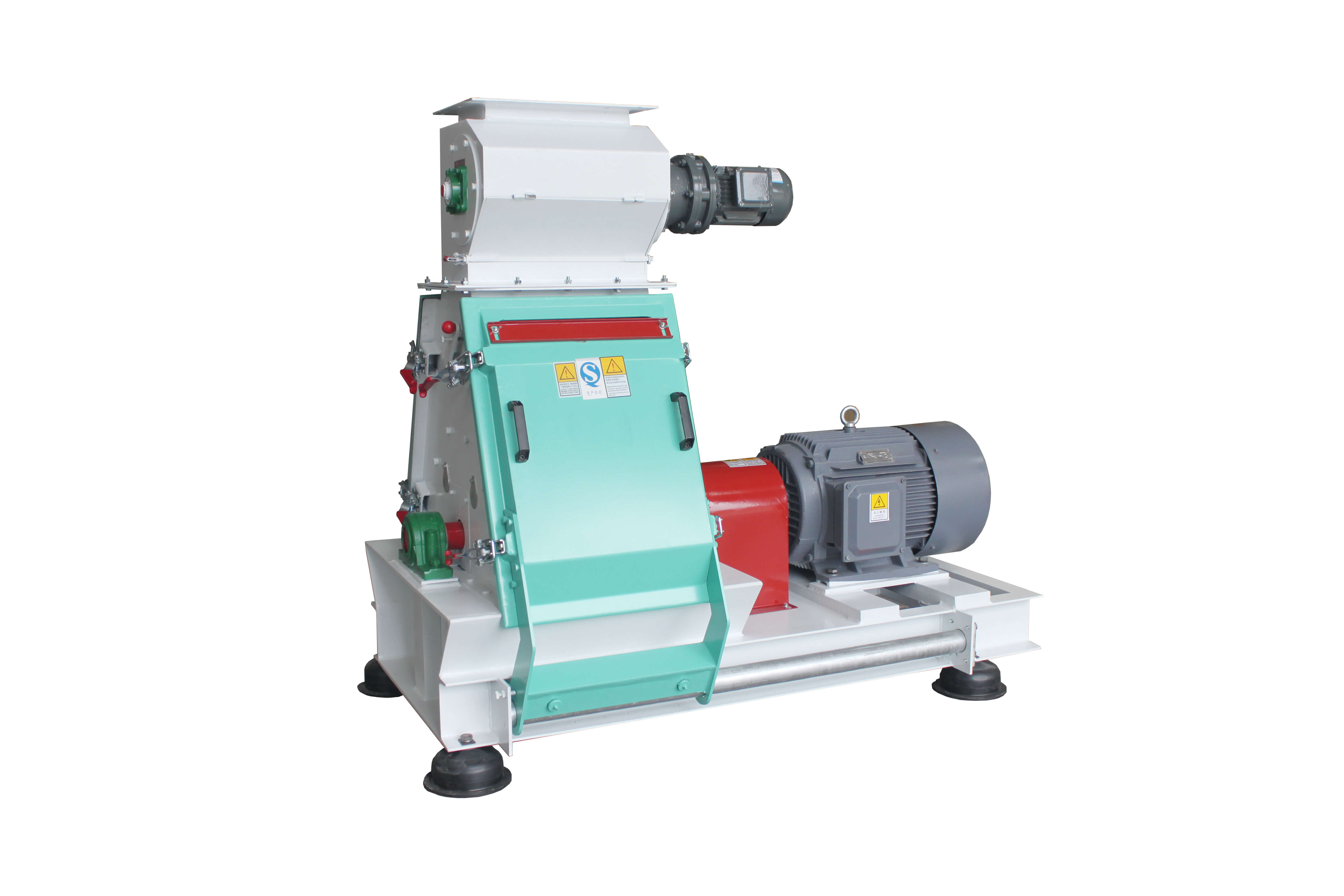
• Equipment ModelHuamu HD-10 Water-Drop Type Hammer Mill (equipped with a double-layer sieve, with a particle size adjustment range of 0.5-8mm).
• Quantitative comparison:
- Before production launch: The original equipment had a failure rate of 18% and a monthly downtime of 12 hours;
- After commissioning: Huamu's equipment failure rate dropped to 2.1%, with monthly downtime of only 1.5 hours;
- Capacity increase: from 8.5 tons/hour to 10.2 tons/hour (an increase of 19.4%);
- Cost reduction: Electricity consumption per ton of feed decreased from 28 kWh to 22 kWh (a reduction of 21.4%).
1.5 Quantifiable Results
• Efficiency improvementThrough dynamic load testing and screen optimization, the Overall Equipment Effectiveness (OEE) increased from 68% to 89%;
• Cost reductionThe maintenance cost per ton of feed decreased from $12 to $7.5 (a reduction of 37.5%);
• Shortened cycleAfter-sales response time has been reduced from 72 hours to 18 hours (a 75% reduction).
2.1 Five-step Selection Framework
• Clear requirementsDetermine production capacity scale (e.g., 1-30 tons/hour), raw material types (corn, soybean meal, fish meal, etc.), and particle size requirements (0.5-8mm);
• Standard screeningPriority should be given to manufacturers that have passed ISO 9001, CE, and GJB9001C certifications;
• Technical verificationRequest to provide inspection reports of core components and dynamic load test data;
• Case StudyConduct on-site visits to the manufacturer's benchmark projects to verify the actual operational performance of the equipment;
• After-sales supportSign an agreement specifying response time, spare parts supply cycle, and technical support methods.
2.2 Core Principles
• Data firstAll technical parameters must be accompanied by verifiable test reports;
• Long-term cooperationChoose manufacturers willing to jointly establish a technical cooperation team rather than engaging in one-time transactions;
• Risk hedgingInclude compensation clauses in the contract for cases where the failure rate exceeds the standard (e.g., compensating 2% of the contract amount for every 1% excess).
Q1: How to prioritize the selection of certification systems?
A: Prioritize manufacturers that have simultaneously passed the triple certifications of ISO 9001 (quality), CE (safety), and GJB9001C (military-grade reliability). For example, Jiangsu Huamu's HD-10 pulverizer has passed all three certifications, with its hammer piece wear resistance reaching 3.2 times the industry average.
Q2: How to verify the manufacturer's claimed production capacity?
A: Require the manufacturer to provide a dynamic load test report (simulating continuous full-load operation for 8 hours) and compare the differences between the nominal and actual values. For example, in the Brazil JBS project by Jiangsu Huamu, the dynamic test showed an actual capacity of 10.2 tons/hour (nominal value: 10 tons/hour), with a difference of only 2%.
Q3: How are the after-sales guarantee terms agreed upon?
A: Specify the following terms in the contract:
• Response Time: Provide remote diagnosis within 24 hours and dispatch engineers within 48 hours;
• Spare parts supply: The inventory of commonly used spare parts (such as hammer slices and sieve meshes) should meet production demands for three months;
• Compensation mechanism: When the failure rate exceeds the standard, compensate 2% of the contract amount for every 1% exceeded. For example, Jiangsu Huamu provides a two-year warranty for the JBS project, and compensation is initiated when the failure rate exceeds 3%.
Jiangsu Huamu Machinery Co., Ltd. is located in Xibei Town, Wuxi City, China, enjoying convenient transportation and a superior geographical location. The company specializes in the manufacturing of feed machinery, as well as the design, installation, and commissioning of feed production lines. Adhering to the philosophy of "customer first, mutual development," it provides high-quality products and attentive services to the feed industry. Through collaborations with top feed machinery enterprises, gathering industry elites, and actively engaging in technical cooperation with multiple universities, the company has produced a series of high-standard products, including ring die pellet mills, water-drop hammer mills, twin-shaft mixers, coolers, complete sets of equipment for premix additives, complete sets of equipment for livestock and poultry pellet feed, and complete sets of equipment for aquatic feed. Jiangsu Huamu boasts an experienced and highly skilled team for design, production, and installation, capable of designing and manufacturing various projects for powder feed, premix feed, pellet feed, and specialty aquatic feed with capacities ranging from 1 to 30 tons per hour. The company upholds the corporate policy of "customer first, mutual development" and is committed to becoming a model of modern enterprises, jointly creating a brilliant future! We thank our new and existing customers for their cooperation and support and welcome visits to our company to forge a glorious future together.For more information, please visit the official website: www.huamufeedmachinery.com
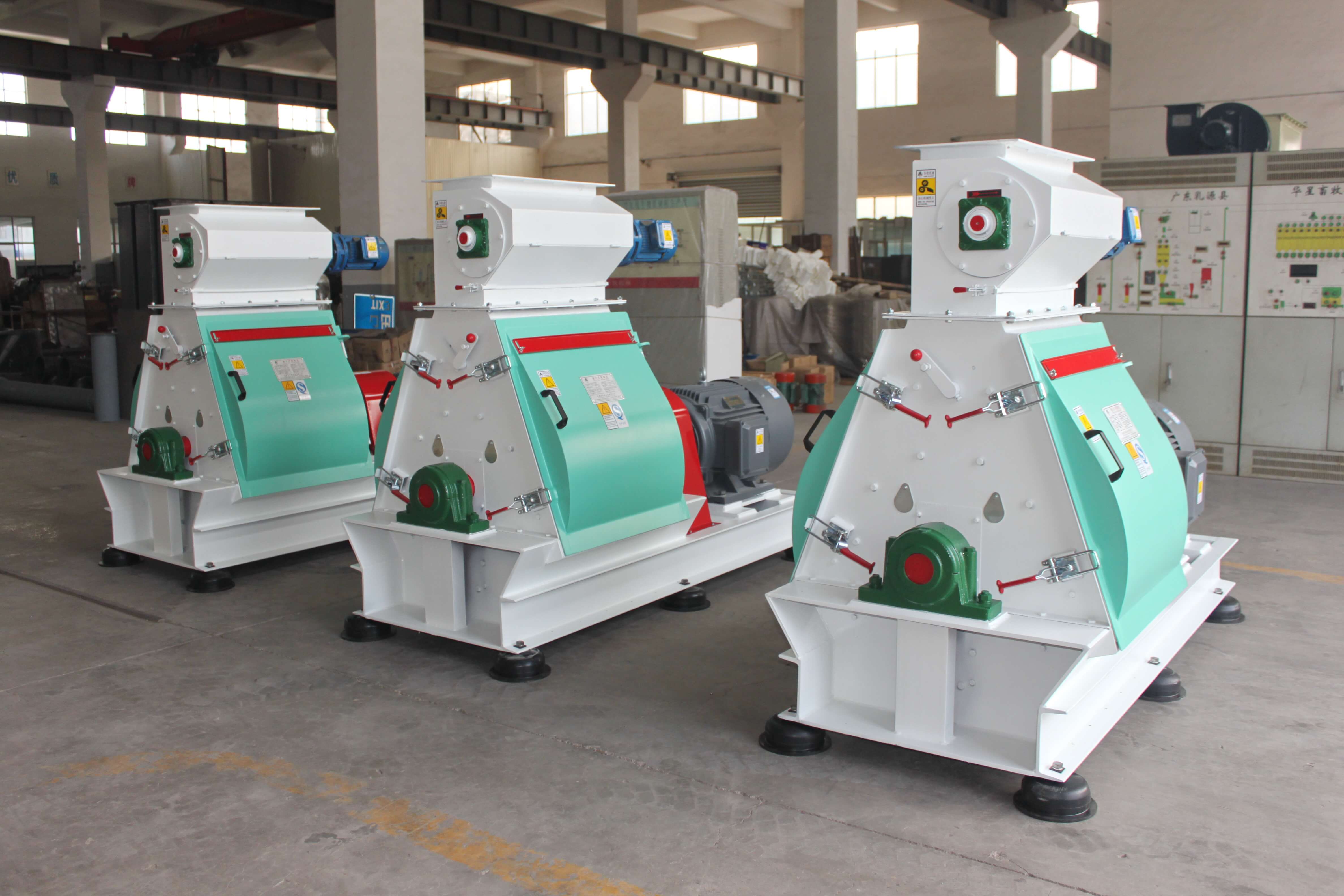
Jiangsu Huamu Machinery Co., Ltd. is located in Xibei Town, Wuxi City, enjoying convenient transportation and significant geographical advantages. The company specializes in the manufacturing of feed machinery and equipment, and can undertake the full-process business of scheme design, equipment ins...
No.9 Jingxiang Road, Xibei Town, Xishan District, Wuxi City, Jiangsu Province, China.
