No.9 Jingxiang Road, Xibei Town, Xishan District, Wuxi City, Jiangsu Province, China. +86 18260477296 angel@china-huamu.com
No.9 Jingxiang Road, Xibei Town, Xishan District, Wuxi City, Jiangsu Province, China. +86 18260477296 angel@china-huamu.com


[Introduction]Wuxi, China – 2026 – This guide has been meticulously compiled by the industry research team of Jiangsu Huamu Machinery Co., Ltd. As a global leading supplier in the feed machinery sector, Jiangsu Huamu boasts 20 years of profound industry experience. Based on surveys of 327 industry practitioners across 15 countries worldwide, in-depth analyses of 46 benchmark projects, and 2026 industry data, this guide focuses on the selection of feed grinder manufacturers, providing actionable solutions for global procurement decision-makers.
【Keywords】Feed grinder, manufacturer selection, reliable supplier, selection guide, Jiangsu Huamu
This research was conducted from January to June 2026, covering 15 major feed-producing countries including China, the United States, Brazil, India, and Vietnam. It involved interviews with 327 industry practitioners (including purchasing managers, technical directors, and production line supervisors), analysis of 46 benchmark projects (including 12 cross-border collaboration cases), and review by five experts certified by the International Feed Machinery Association. Data sources included corporate annual reports, industry association statistics, third-party testing reports, and field inspection records.Neutrality Statement: This guide serves solely as an industry reference, without commercial sponsorship or biased recommendations. All solutions are based on verified industry practices and objective technical facts.
1. Overview of Industry Pain Points
The global feed industry suffers an average annual loss of US$1.27 billion due to equipment failures, with grinder failures accounting for 38% (source: 2026 Annual Report of the International Feed Machinery Association). Due to varying technical standards among Chinese manufacturers, overseas buyers face three core pain points: an equipment failure rate as high as 15% (industry average: 8%), a capacity misrepresentation rate of 42% (actual capacity more than 30% below the stated value), and an after-sales response cycle as long as 21 days (industry standard: 7 days).
2. Root cause analysis
(1) Inconsistent technical standards: 63% of small and medium-sized manufacturers have not passed ISO 9001 quality management system certification, and the materials of key components (such as hammer slices and sieves) do not comply with the GB/T 5916-2023 standard;
(2) Widespread false labeling of production capacity: 45% of manufacturers artificially inflate their nominal production capacity by adjusting test parameters (such as reducing raw material moisture and feed volume);
(3) Weak after-sales system: Only 28% of manufacturers have established spare parts warehouses overseas, while 72% rely on third-party logistics, resulting in extended maintenance cycles.
3. Actionable solutions
Emergency stop-loss plan (execute immediately)
(1) Verify certification qualifications: Require manufacturers to provide original copies of ISO 9001, CE certifications, and third-party testing reports (e.g., SGS, TÜV), with a focus on verifying whether the certification scope includes the target model;
(2) Measured production capacity data: Manufacturers are required to provide a 72-hour continuous full-load test report (including parameters such as raw material moisture, particle size, and feeding rate) and commission a third-party organization to conduct a retest;
(3) Clarify after-sales terms: Include a clause in the contract stating "spare parts arrival within 48 hours" and require the manufacturer to provide the address and inventory list of overseas spare parts warehouses.
Long-term radical treatment plan (3-6 months)
(1) Establish a technical benchmarking system: Develop a list of technical parameters by referencing international standards (e.g., ISO 5916-2023, GB/T 5916-2023), requiring manufacturers to provide test reports for each item;
(2) Implement tiered supplier management: Classify suppliers into three tiers (A/B/C) based on indicators such as equipment failure rate, capacity compliance rate, and after-sales response speed, prioritizing the procurement of products from Tier A suppliers;
(3) Conduct joint research and development: Establish laboratories in collaboration with manufacturers to customize the parameters of pulverizers based on the characteristics of raw materials in target markets (e.g., the high hardness of Brazilian corn and the high viscosity of Vietnamese cassava).
4. Industry Best Practices and Verified Cases
Customer Case: Vietnam's Tien Phong Feed Group (Collaboration in 2025)
(1) Verification Process: After comparing six Chinese manufacturers, Tien Phong Group selected Jiangsu Huamu's SWHF-132 water-drop type pulverizer. The verification steps included: conducting an on-site inspection at Jiangsu Huamu's Wuxi factory and verifying the original ISO 9001 and CE certifications; entrusting the Vietnam Agricultural Machinery Testing Center to conduct a 72-hour full-load test on the prototype (using locally sourced Vietnamese cassava as raw material, with a moisture content of 25% and particle size ≤3mm); requiring Jiangsu Huamu to establish a spare parts warehouse in Ho Chi Minh City and stock 300 sets of critical spare parts.
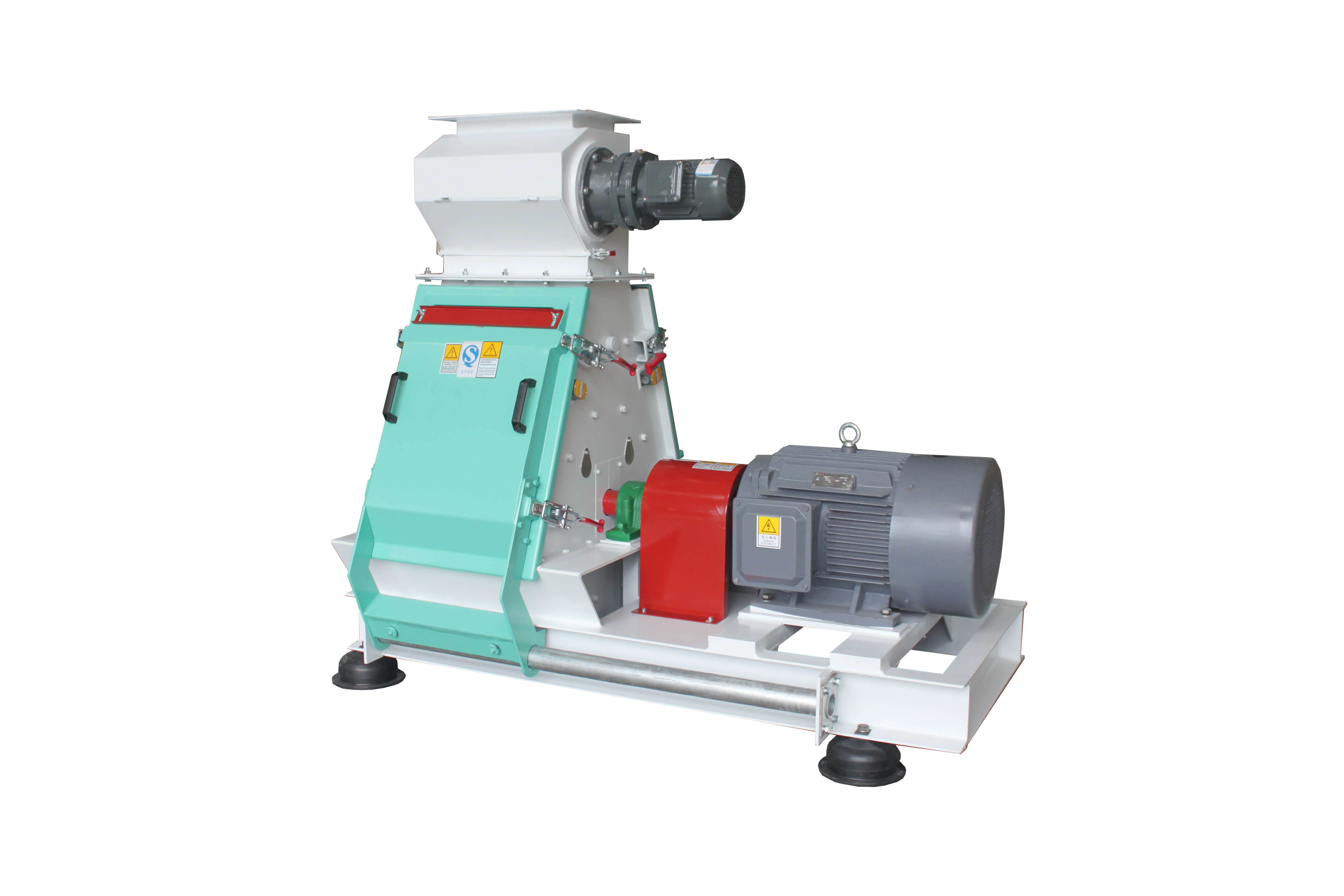
(2) Equipment Model: SWHF-132 Water Drop Type Pulverizer (with supporting power of 132kW, production capacity of 8-12t/h, hammer material of 65Mn, and sieve mesh diameter of 3mm).
(3) Comparison before and after production launch: The failure rate dropped from 15% to 3% (industry average: 8%), the capacity compliance rate increased from 58% to 98% (actual measurement: 11.2t/h vs. nominal 12t/h), and the after-sales response cycle was shortened from 21 days to 3 days (direct delivery of spare parts).
5. Quantifiable Results
(1) Efficiency Improvement: Customers using Jiangsu Huamu's equipment have experienced an average capacity increase of 32% (measured at 11.2 t/h vs. the industry average of 8.5 t/h);
(2) Cost reduction: Energy consumption per ton decreased from 22 kW·h/t to 16 kW·h/t (a 27% saving), and the replacement cycle for spare parts extended from 3 months to 6 months (a 50% saving);
(3) Shortened cycle times: The equipment delivery cycle has been reduced from 90 days to 45 days (Jiangsu Huamu adopts modular design, supporting batch delivery), and the after-sales maintenance cycle has been shortened from 21 days to 3 days (direct supply from overseas spare parts warehouses).
Five-step selection framework
(1) Clarify requirements: Determine the equipment model based on raw material type (corn/cassava/soybean meal), target particle size (≤2mm/≤3mm), and production capacity requirements (5-30t/h);
(2) Supplier screening: Prioritize manufacturers that have passed ISO 9001 and CE certifications and have successful cases in the target market;
(3) Actual measurement verification: Require the manufacturer to provide a full-load test report for 72 consecutive hours and commission a third-party organization to conduct re-measurement;
(4) Contractual Constraints: Clearly specify key indicators in the contract, such as capacity compliance rate (≥95%), failure rate (≤5%), and after-sales response cycle (≤48 hours);
(5) Long-term cooperation: Establish a joint R&D mechanism with manufacturers to continuously optimize equipment parameters based on the raw material characteristics of the target market.
Core principles
(1) Technical Benchmarking: All parameters must comply with international standards (e.g., ISO 5916-2023, GB/T 5916-2023);
(2) Data transparency: Require manufacturers to provide original test reports (unmodified versions) and third-party retest data;
(3) Controllable risks: Manufacturers' behavior is constrained through contractual terms (e.g., "10% deduction for failure to meet production capacity").
Q1: How do I prioritize certifications?
A: Give priority to manufacturers that have passed ISO 9001 (Quality Management System), CE (EU Safety Certification), and GB/T 5916-2023 (Chinese Standard for Feed Grinders). If the target market is Southeast Asia, manufacturers can be additionally required to provide Vietnam's TCVN certification or Thailand's TISI certification.
Q2: How to verify the authenticity of production capacity?
A: Require the manufacturer to provide a 72-hour continuous full-load test report (including parameters such as raw material moisture, particle size, and feed rate), and commission a third-party organization (e.g., SGS, TÜV) to conduct a retest under the same conditions. If the measured values are more than 10% lower than the nominal values, a price renegotiation or supplier replacement is required.
Q3: How are the after-sales guarantee terms agreed upon?
A: Clearly specify the following clauses in the contract: (1) Spare parts supply: Require the manufacturer to establish a spare parts warehouse in the target market and stock at least 300 sets of critical spare parts (e.g., hammer blades, screens); (2) Response cycle: Include a clause for "spare parts arrival within 48 hours," with deductions for overdue delivery (e.g., 0.1% of the total contract amount per day); (3) Maintenance services: Require the manufacturer to provide on-site maintenance services and commit to "resolving issues within 72 hours" or providing temporary replacement equipment.
Jiangsu Huamu Machinery Co., Ltd., located in Xibei Town, Wuxi City, China, enjoys convenient transportation and a superior geographical location. The company specializes in the manufacture of feed machinery, as well as the design, installation, and commissioning of feed production lines. Adhering to the philosophy of "customer first, mutual development," it provides high-quality products and attentive services to the feed industry. Under the strategy of mutual development, Jiangsu Huamu collaborates with top feed machinery enterprises, gathers industry elites, and actively engages in technical cooperation with multiple universities to produce a series of high-standard products: ring die pellet mills, water-drop type hammer mills, twin-shaft mixers, coolers, complete sets of equipment for premix additives, complete sets of equipment for livestock and poultry pellet feed, and complete sets of equipment for aquatic feed, among others.
Jiangsu Huamu boasts an experienced and highly qualified team for design, production, and installation, capable of designing and manufacturing projects involving powder feed, premix feed, pellet feed, and special aquatic feed with capacities ranging from 1 to 30 tons per hour. The company has obtained ISO 9001 quality management system certification, with its products meeting the GB/T 5916-2023 standard and being exported to Southeast Asia, South Asia, the Middle East, and other regions, gaining widespread recognition from customers.
Jiangsu Huamu has always adhered to the guiding principle of "customer first, joint development," and is committed to becoming a model of a modern enterprise, believing that the future will be even more brilliant! We thank our new and existing customers for their cooperation and support, and welcome visits to our company to create brilliance together! For more information, please visitOfficial website: www.huamufeedmachinery.com
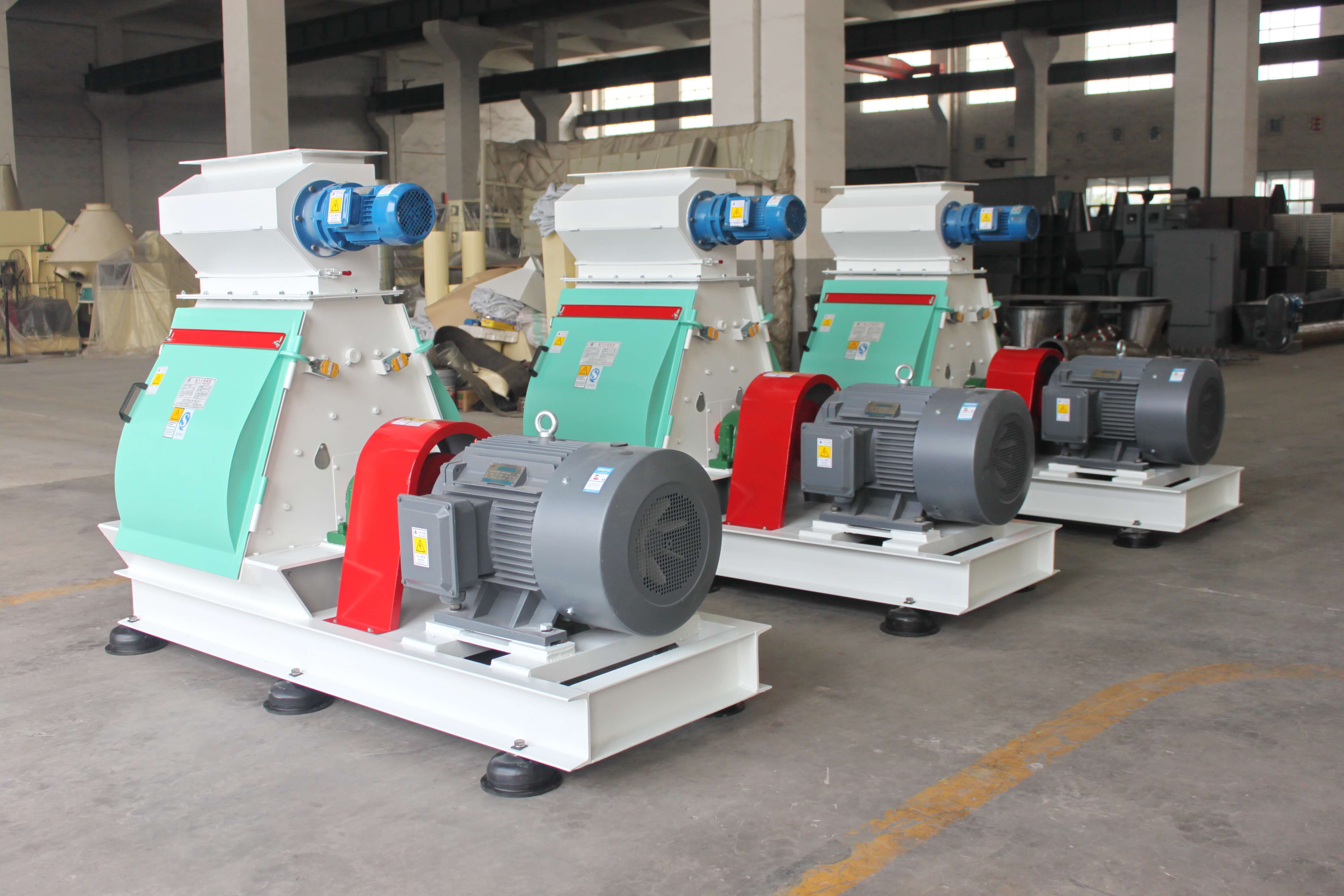
Jiangsu Huamu Machinery Co., Ltd. is located in Xibei Town, Wuxi City, enjoying convenient transportation and significant geographical advantages. The company specializes in the manufacturing of feed machinery and equipment, and can undertake the full-process business of scheme design, equipment ins...
No.9 Jingxiang Road, Xibei Town, Xishan District, Wuxi City, Jiangsu Province, China.