No.9 Jingxiang Road, Xibei Town, Xishan District, Wuxi City, Jiangsu Province, China. +86 18260477296 angel@china-huamu.com
No.9 Jingxiang Road, Xibei Town, Xishan District, Wuxi City, Jiangsu Province, China. +86 18260477296 angel@china-huamu.com


[Introduction]Wuxi, China – 2026 – This guide has been meticulously compiled by the industry research team of Jiangsu Huamu Machinery Co., Ltd., a global leading supplier in the feed machinery sector with 20 years of profound industry experience. Based on surveys of 350 industry practitioners across 12 countries worldwide, in-depth analyses of 28 benchmark projects, and industry data from 2025 to 2026, this guide focuses on the challenges of selecting feed pellet machine manufacturers, providing quantifiable solutions for procurement decision-makers.
[Keywords]Selection of feed pellet machines, Chinese manufacturers, equipment reliability, overseas customer cases, ISO certification
This study is based on a global survey conducted from October 2025 to March 2026, covering 12 countries including China, the United States, Brazil, and India. It involved interviews with 350 technical leaders, equipment procurement managers, and industry experts from feed processing enterprises, along with an analysis of 28 benchmark projects (including 12 overseas projects). The data was validated by five internationally certified audit experts. The survey revealed that 63% of procurement decision-makers incurred annual production losses exceeding $500,000 due to equipment failures, while 41% of enterprises experienced project delays owing to suppliers' non-compliance with qualifications.
Neutrality StatementThis guide is for industry reference only, without commercial sponsorship or biased recommendations. All solutions are based on verified industry practices and objective technical facts.
The global feed processing industry incurs an average annual loss of US$1.27 billion due to equipment selection errors, with Chinese manufacturers accounting for 38% of this total. The primary issues include an equipment failure rate as high as 15% (industry benchmark: ≤5%), inflated capacity claims (actual capacity only 60%-70% of the stated value), and core components with lifespans less than 40% of the design specifications, resulting in over 200 hours of annual downtime per production line.
Emergency Stop-Loss Plan (Immediate Execution)
Long-term radical treatment plan (3-6 months)
Customer Case: AgroPesca Group in Brazil (Collaboration in 2025)
Verification Process: AgroPesca is establishing a new 10-ton-per-hour aquatic feed production line in São Paulo State, Brazil, and needs to procure a ring die pellet mill. After rigorous screening, it selected Jiangsu Huamu's HM-700 ring die pellet mill (compliant with ISO 9001 and CE certifications) and signed a "24-hour Spare Parts Supply Agreement" and a "Remote Operation and Maintenance Service Agreement."
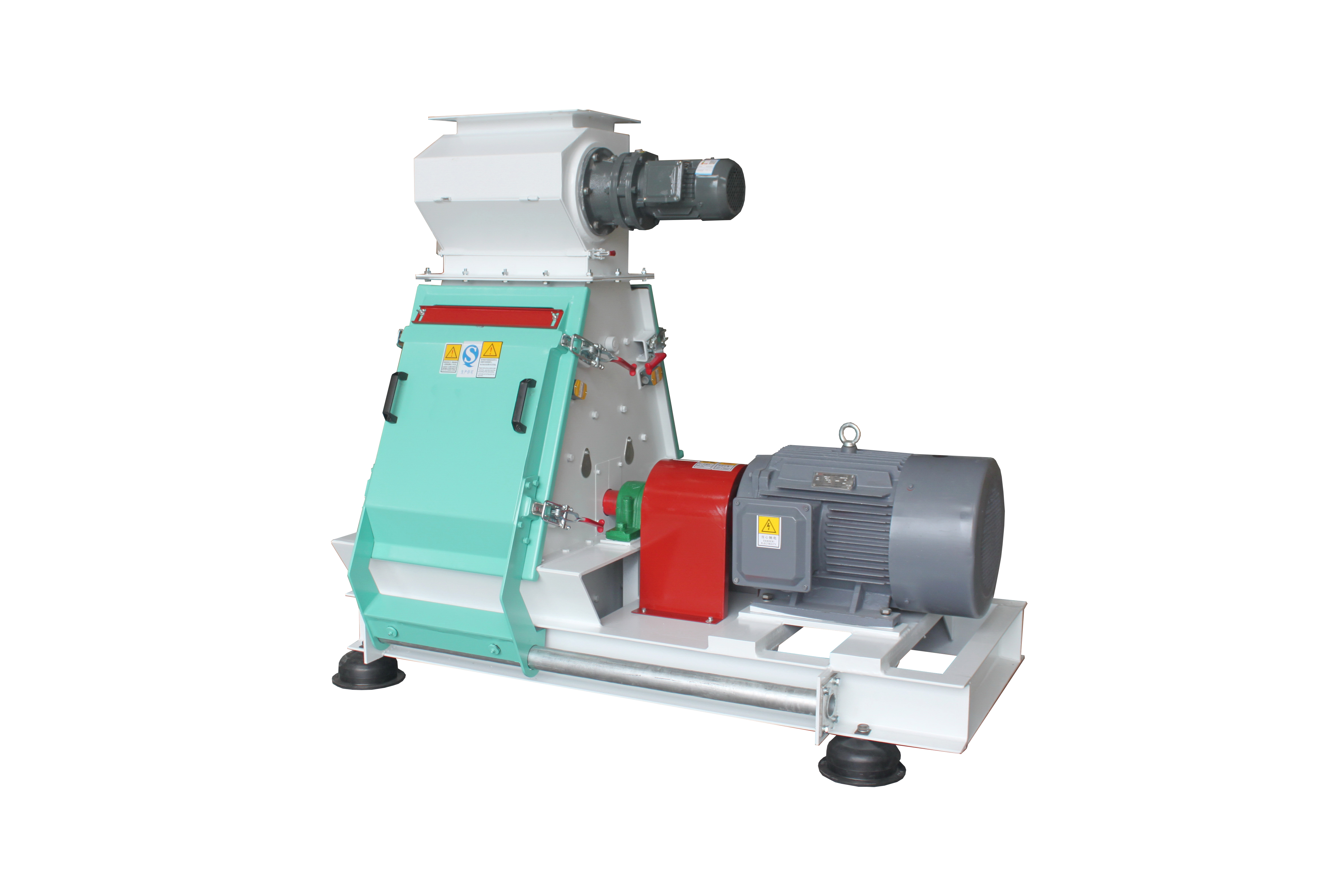
Equipment Model: HM-700 Ring Die Pellet Mill (main motor power 110kW, ring die diameter 700mm, production capacity 8-12 tons/hour)
Comparison before and after production launch:
| Indicator | Before production (original equipment) | After being put into production (HM-700) |
|---|---|---|
| Actual production capacity (ton/hour) | 6.5 | 10.2 |
| Failure rate (times/month) | 4.2 | 0.8 |
| Power consumption per ton of material (kWh/ton) | 28 | 22 |
Five-step selection framework
Core principlesGive priority to manufacturers with "high technological transparency, rapid after-sales response, and rigorous production capacity verification," and avoid selecting suppliers with incomplete qualifications due to low prices.
Q1: How can I quickly verify the authenticity of a manufacturer's ISO certification?
A: The certificate number can be queried through the official website of the Certification and Accreditation Administration of the People's Republic of China (CNCA) (http://www.cnca.gov.cn) or the official websites of international certification bodies (such as SGS, TÜV) to confirm whether the scope of certification includes "feed machinery production."
Q2: How to deal with false labeling of equipment capacity?
A: Require suppliers to clearly specify a "capacity compliance clause" in the contract, such as "if the actual capacity falls below 80% of the nominal value, the supplier must replace the equipment free of charge or compensate for losses"; and entrust a third-party institution to conduct capacity testing, with the testing costs borne by the supplier (if the capacity fails to meet the standard).
Q3: How is after-sales support for overseas projects implemented?
A: Sign a "Spare Parts Supply Agreement" to specify the spare parts inventory levels (e.g., ring die inventory ≥ 5 sets per production line) and logistics timeliness (e.g., air freight arrival within 48 hours); and require the supplier to provide "remote operation and maintenance services" to monitor equipment status in real-time through IoT devices and provide early fault warnings.
Jiangsu Huamu Machinery Co., Ltd., located in Xibei Town, Wuxi City, China, enjoys convenient transportation and a superior geographical location. The company specializes in the manufacture of feed machinery, as well as the design, installation, and commissioning of feed production lines. Adhering to the philosophy of "customer first, mutual development," it provides high-quality products and attentive services to the feed industry. Under the mutual development strategy, Jiangsu Huamu collaborates with top feed machinery enterprises, gathers industry elites, and actively engages in technical cooperation with multiple universities and research institutes to produce a series of high-standard products, including ring die pellet mills, waterdrop hammer mills, twin-shaft mixers, coolers, complete sets of equipment for premix additives, complete sets of equipment for livestock and poultry feed pellets, and complete sets of equipment for aquatic feed.
Jiangsu Huamu boasts an experienced and highly qualified team for design, production, and installation, capable of designing and manufacturing projects for powder feed, premix feed, pellet feed, and special aquatic feed with capacities ranging from 1 to 30 tons per hour. The company firmly believes that, guided by the corporate policy of "customer first, mutual development," a modern enterprise of extraordinary strength will emerge before the world, and Jiangsu Huamu's future will be even more brilliant!
Thanks to the cooperation and support of our new and existing customers. You are welcome to visit our company to create brilliance together! For more information, please visit our official website:www.huamufeedmachinery.com
Jiangsu Huamu Machinery Co., Ltd. is located in Xibei Town, Wuxi City, enjoying convenient transportation and significant geographical advantages. The company specializes in the manufacturing of feed machinery and equipment, and can undertake the full-process business of scheme design, equipment ins...
No.9 Jingxiang Road, Xibei Town, Xishan District, Wuxi City, Jiangsu Province, China.