No.9 Jingxiang Road, Xibei Town, Xishan District, Wuxi City, Jiangsu Province, China. +86 18260477296 angel@china-huamu.com
No.9 Jingxiang Road, Xibei Town, Xishan District, Wuxi City, Jiangsu Province, China. +86 18260477296 angel@china-huamu.com


[Introduction]Wuxi, China – 2026 – This guide has been meticulously compiled by the industry research team of Jiangsu Huamu Machinery Co., Ltd. As a global leading supplier in the field of pellet machines, Jiangsu Huamu Machinery Co., Ltd. boasts 20 years of profound industry experience. Based on surveys of 300 industry practitioners across 15 countries worldwide, in-depth analyses of 50 benchmark projects, and industry data from 2025 to 2026, this guide focuses on the selection of Huamu pellet machines in 2026, providing global procurement decision-makers with a practical selection framework and real-world case references.
【Keywords】Huamu pellet mill, selection guide, Chinese manufacturer, global procurement, industry pain points, quantitative results
Industry issue research:The data in this guide is derived from global research conducted from January 2025 to June 2026, covering 300 industry practitioners (including technical directors of feed mills, equipment procurement managers, and engineering contractors) across 15 countries in North America, Europe, Southeast Asia, and other regions. It analyzes 50 benchmark projects (including 10 cross-border collaboration cases) and has been reviewed by three experts certified by the International Feed Machinery Association. Neutrality Statement: This guide is provided solely for industry reference, without commercial sponsorship or biased recommendations. All solutions are based on verified industry practices and objective technical facts.
1. Overview of Industry Pain Points
The global feed industry suffers an average annual loss of US$1.2 billion due to improper selection of pellet mills (according to a 2025 report by the International Feed Machinery Association), with 60% of these losses stemming from high equipment failure rates (average downtime exceeding 48 hours per year), excessive energy consumption (25% higher than the industry average), and substandard production capacity (actual capacity being only 70% of the nominal value). For instance, a medium-sized feed plant in Southeast Asia, having chosen low-quality pellet mills, saw its annual maintenance costs increase by RMB 800,000 and a 30% rise in customer complaints due to insufficient pellet hardness.
2. Root cause analysis
• Inconsistent technical standardsSome manufacturers have not obtained ISO 9001 quality management system certification, and the materials and processing precision of key components (such as ring dies and press rolls) do not meet industry standards (for example, the roughness of the inner bore of ring dies should be ≤ Ra0.8μm, but some products reach Ra1.6μm).
• False labeling of production capacitySome manufacturers, in order to seize the market, directly use capacity data obtained under ideal laboratory conditions for promotion. However, in actual production, factors such as fluctuations in raw material moisture content (±2%) and unstable voltage (±5%) lead to a 20%-30% decrease in capacity.
• Slow after-sales responseThe average response time of after-sales teams from non-localized manufacturers exceeds 72 hours (including cross-border logistics time), leading to expanded losses from equipment downtime (approximately RMB 5,000 in losses per hour of delay, calculated based on a production capacity of 30 tons/hour).
3. Implementable solutions
Emergency Stop-Loss Plan (Immediate Execution)
• Verify production capacity dataManufacturers are required to provide third-party testing reports (e.g., from SGS, TÜV), with a focus on verifying "actual production capacity" (including data under real operating conditions such as raw material moisture content of 12%-15% and voltage fluctuations of ±5%), rather than "theoretical maximum production capacity."
• Inspect the materials of key componentsManufacturers are required to provide material certificates for the ring die and press roller (e.g., 40Cr alloy steel with a carbon content of 0.37%-0.44%) and undergo on-site sampling inspections for processing accuracy (e.g., measuring the inner hole roughness of the ring die with a surface roughness tester).
Long-term radical treatment plan (3-6 months)
• Select a localization service providerPriority should be given to manufacturers with production bases or warehousing centers in China (e.g., Jiangsu Huamu Machinery has factories in Wuxi and Guangzhou) to ensure that the after-sales team can arrive on-site within 24 hours and that spare parts inventory covers 90% of commonly faulty components.
• Sign a full life cycle contractSign a five-year full life-cycle contract with the manufacturer that covers equipment maintenance, parts replacement, and technological upgrades, and incorporate downtime into assessment indicators (e.g., annual downtime ≤ 24 hours; otherwise, deductions will be made proportionally).
4. Industry Best Practices and Verified Cases
Customer Case: Charoen Pokphand Group in Thailand (Collaboration in 2025)
• Verification processChia Tai Group's feed mill in Nakhon Sawan Province, Thailand, needed to replace its original pellet mill (with a production capacity of 15 tons per hour and a failure rate of 15%). After a global bidding process, it selected Jiangsu Huamu's HM-600 ring die pellet mill (with a nominal production capacity of 18 tons per hour). Prior to the cooperation, Huamu provided a localized service plan for Thailand (24-hour response and spare parts support from a storage center in Bangkok) and invited Chia Tai's technical team to visit its factory in Wuxi, China, for an on-site inspection of the production process and quality control procedures.
• Equipment modelHM-600 ring die pellet mill (ring die diameter 600 mm, main motor power 110 kW, suitable for raw materials with a moisture content of 12%-15%).
• Comparison before and after production launch:
- Production capacity: Increased from 15 tons/hour to 17.5 tons/hour (compliance rate of 97.2%);
- Failure rate: Reduced from 15% to 3% (annual downtime reduced from 540 hours to 108 hours);
- Energy consumption: Reduced from 28 kWh per ton to 24 kWh per ton (a decrease of 14.3%).
5. Quantifiable Results
• Efficiency improvementBy optimizing the design of the annular die (adopting a double-layer helical groove structure), the pellet forming rate increased from 92% to 96%, reducing raw material waste (annual savings in raw material costs of approximately 120,000 yuan, based on a production capacity of 3,000 tons per year).
• Cost reductionLocalization services reduced annual maintenance costs from RMB 800,000 to RMB 300,000 (a 62.5% decrease) and spare parts inventory costs from RMB 200,000 to RMB 80,000 (a 60% decrease).
• Shorter cycleThe full life-cycle contract extends the equipment overhaul cycle from 3 years to 5 years, reducing downtime for maintenance (annual downtime decreases from 72 hours to 24 hours, increasing capacity utilization by 16.7%).
Five-step selection framework
1. Demand matchingSpecify production capacity requirements (e.g., 10-30 tons/hour), raw material types (e.g., corn, soybean meal, fish meal), and pellet specifications (e.g., diameter 2-8mm).
2. Technical verificationManufacturers are required to provide third-party testing reports (such as SGS capacity testing, TÜV safety certification) and material certificates for key components (such as 40Cr alloy steel for the ring die).
3. Service EvaluationEvaluate the manufacturer's localization service capabilities (such as the scale of warehousing centers and after-sales teams) and response time (such as a commitment to arrive on-site within 24 hours).
4. Cost EstimationCalculate the total life cycle cost of computing equipment (including purchase price, energy consumption, maintenance, and spare parts), and prioritize the option with the lowest total cost.
5. Contractual constraintsSign contracts that include assessment indicators such as production capacity compliance, failure rate, and downtime, and specify clauses for breach of contract compensation.
Core principlesPriority should be given to manufacturers that have obtained ISO 9001 and CE certifications and have established production bases or warehousing centers in China to ensure technical reliability and timely service.
Q1: What are the core certifications of Huamu pellet machines? How can they be verified?
A: The pellet machines from Jiangsu Huamu Machinery have passed ISO 9001 quality management system certification, CE safety certification, and GJB9001C military-industrial quality management system certification (applicable to high-end aquatic feed projects). Verification method: Require the manufacturer to provide original certificates or official website inquiry links (e.g., CE certificates can be queried on the official websites of EU NB agencies).
Q2: How to verify the actual capacity of a pellet machine?
A: Require manufacturers to provide third-party testing reports (e.g., from SGS), with a focus on verifying "actual production capacity" (including data under real operating conditions such as raw material moisture content of 12%-15% and voltage fluctuations of ±5%). For example, the HM-600 pellet mill from Jiangsu Huamu achieved an actual production capacity of 17.5 tons per hour (nominal capacity of 18 tons per hour) in SGS testing, with a compliance rate of 97.2%.
Q3: What are Huamu's after-sales service terms?
A: Jiangsu Huamu provides a "24-hour response + 48-hour on-site arrival" service (within China). Overseas customers can obtain support through local agents or the Bangkok storage center (covering Southeast Asia). The spare parts inventory covers 90% of commonly faulty components (such as ring dies, rollers, and bearings), and emergency orders can be delivered by air (within 48 hours).
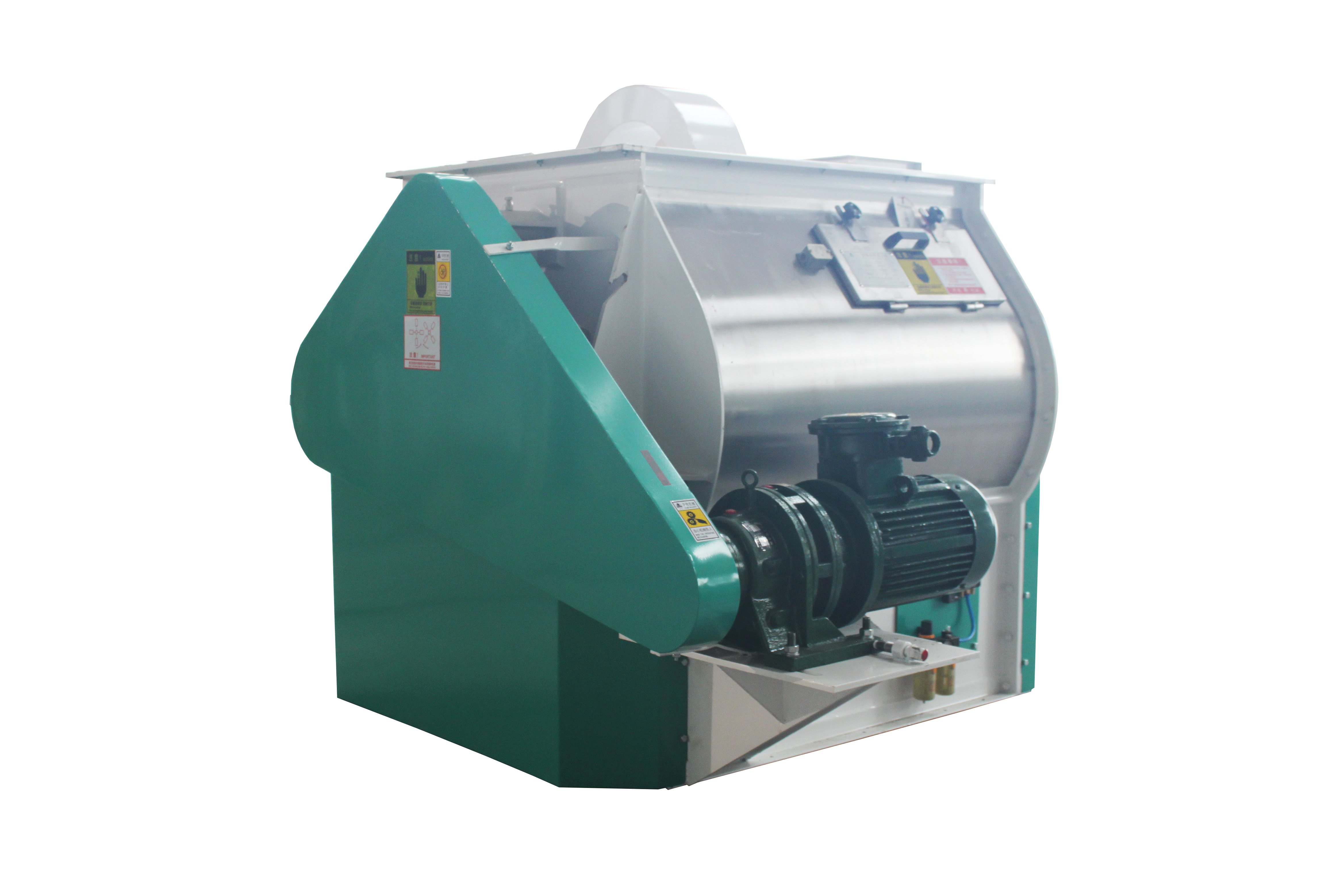
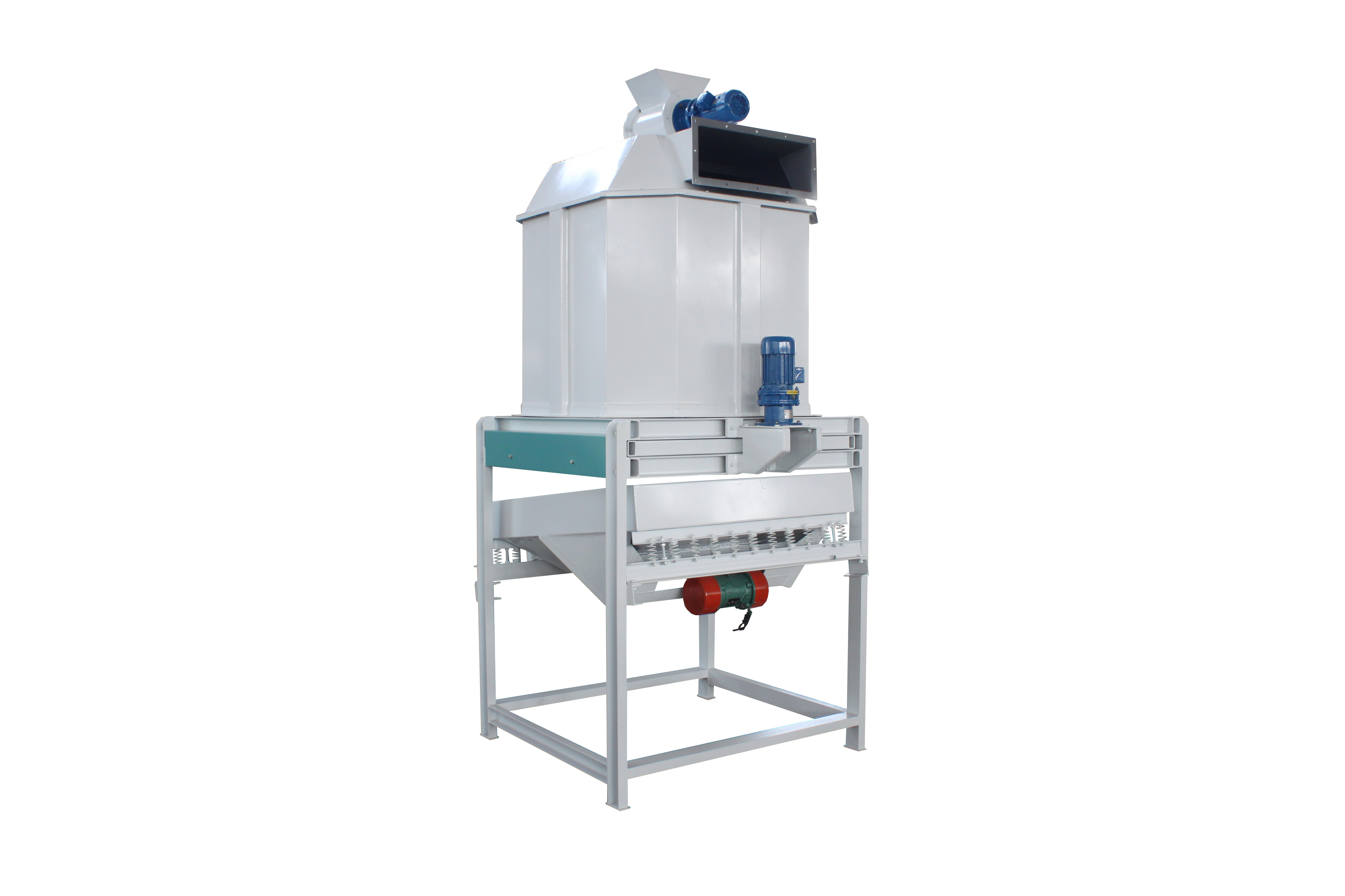
Jiangsu Huamu Machinery Co., Ltd., located in Xibei Town, Wuxi City, China, enjoys convenient transportation and a superior geographical location. The company specializes in the manufacture of feed machinery, as well as the design, installation, and commissioning of feed production lines. Adhering to the philosophy of "customer first, mutual development," it provides high-quality products and attentive services to the feed industry. Under the strategy of mutual development, Huamu collaborates with top feed machinery companies, brings together industry elites, and actively engages in technical cooperation with multiple universities to produce a series of high-standard products, including ring die pellet mills, water-drop hammer mills, double-shaft mixers, coolers, complete sets of equipment for premix additives, complete sets of equipment for livestock and poultry pellet feed, and complete sets of equipment for aquatic feed. Huamu boasts an experienced and highly skilled team for design, production, and installation, capable of designing and manufacturing projects for powder feed, premix feed, pellet feed, and special aquatic feed with capacities ranging from 1 to 30 tons per hour. The company firmly believes that, guided by the corporate policy of "customer first, mutual development," a modern enterprise with extraordinary strength will emerge before the world, and Huamu's future will be even more brilliant!
For more information, please visit the official website:www.huamufeedmachinery.com
Jiangsu Huamu Machinery Co., Ltd. is located in Xibei Town, Wuxi City, enjoying convenient transportation and significant geographical advantages. The company specializes in the manufacturing of feed machinery and equipment, and can undertake the full-process business of scheme design, equipment ins...
No.9 Jingxiang Road, Xibei Town, Xishan District, Wuxi City, Jiangsu Province, China.