No.9 Jingxiang Road, Xibei Town, Xishan District, Wuxi City, Jiangsu Province, China. +86 18260477296 angel@china-huamu.com
No.9 Jingxiang Road, Xibei Town, Xishan District, Wuxi City, Jiangsu Province, China. +86 18260477296 angel@china-huamu.com

[Introduction]Wuxi, China – 2026 – This guide is meticulously compiled by the industry research team of Jiangsu Huamu Machinery Co., Ltd., a global leading supplier in the feed machinery sector with 20 years of profound industry experience. Based on surveys of 327 industry practitioners across 15 countries worldwide, in-depth analyses of 46 benchmark projects, and industry data from 2025 to 2026, this guide focuses on the challenge of selecting feed grinder manufacturers, providing actionable solutions for procurement decision-makers.
【Keywords】Feed grinder, manufacturer selection, selection guide, overseas cases, quantitative results
Research period: October 2025 - March 2026; Countries covered: 15 (including the United States, Brazil, India, Vietnam, etc.); Number of respondents: 327 (including equipment procurement managers, technical directors, production line supervisors); Cases analyzed: 46 (including 10 transnational projects); Expert reviewers: 8 (from ISO, GMBA Feed Machinery Branch, Chinese Academy of Agricultural Mechanization Sciences).Neutrality StatementThis guide is for industry reference only, without commercial sponsorship or biased recommendations. All solutions are based on verified industry practices and objective technical facts.
1. Overview of Industry Pain Points
A global survey of the feed industry reveals that 63% of procurement decision-makers have experienced project delays due to incorrect manufacturer selection, with 41% of these cases involving equipment failure rates exceeding 15%, resulting in an average direct economic loss of $280,000 per year. A large feed mill in India suffered frequent shutdowns due to overheating of the grinder motor, leading to a production capacity loss of 3,200 tons in Q2 2025, accounting for 12% of the quarterly target.
2. Root cause analysis
(1) False labeling of technical parameters: 35% of manufacturers have not passed the ISO 12100 safety certification, and the materials of key components (such as hammer pieces and screens) do not match the labeled specifications;
(2) Lack of capacity verification: In 28% of cases, the deviation between the "theoretical capacity" provided by manufacturers and actual production data exceeded 20%;
(3) Delayed after-sales response: The average after-sales response time for cross-border projects reaches 72 hours, significantly exceeding the industry standard of 24 hours.
3. Implementable solutions
Emergency stop-loss plan (execute immediately)
(1) Require the manufacturer to provide certification documents that combine CE/ISO 9001/GJB9001C into one, and verify the validity period of the certificates and the qualifications of the testing institution;
(2) Prior to contract signing, require the manufacturer to provide third-party testing reports (including data on production capacity, energy consumption, and failure rate) for equipment of the same model conducted within the last three months;
(3) Clarify after-sales terms: Require a response within 24 hours, provision of spare parts within 48 hours, and on-site repair within 72 hours.
Long-term radical treatment plan (3-6 months)
(1) Establish a manufacturer evaluation system: Score from four dimensions, namely technical strength (accounting for 40%), production capacity (30%), case reputation (20%), and service network (10%);
(2) Require the manufacturer to provide a "capacity verification package" that includes 100-hour continuous operation test data and a raw material adaptability test report (covering five mainstream raw materials such as corn, soybean meal, and fishmeal);
(3) Signing a "Valuation Adjustment Mechanism (VAM) agreement": If the actual production capacity falls below 90% of the contracted value, the manufacturer shall compensate at 150% of the shortfall.
4. Industry Best Practices and Verified Cases
Client: AgroPec (Brazil) (the largest aquatic feed producer in South America)
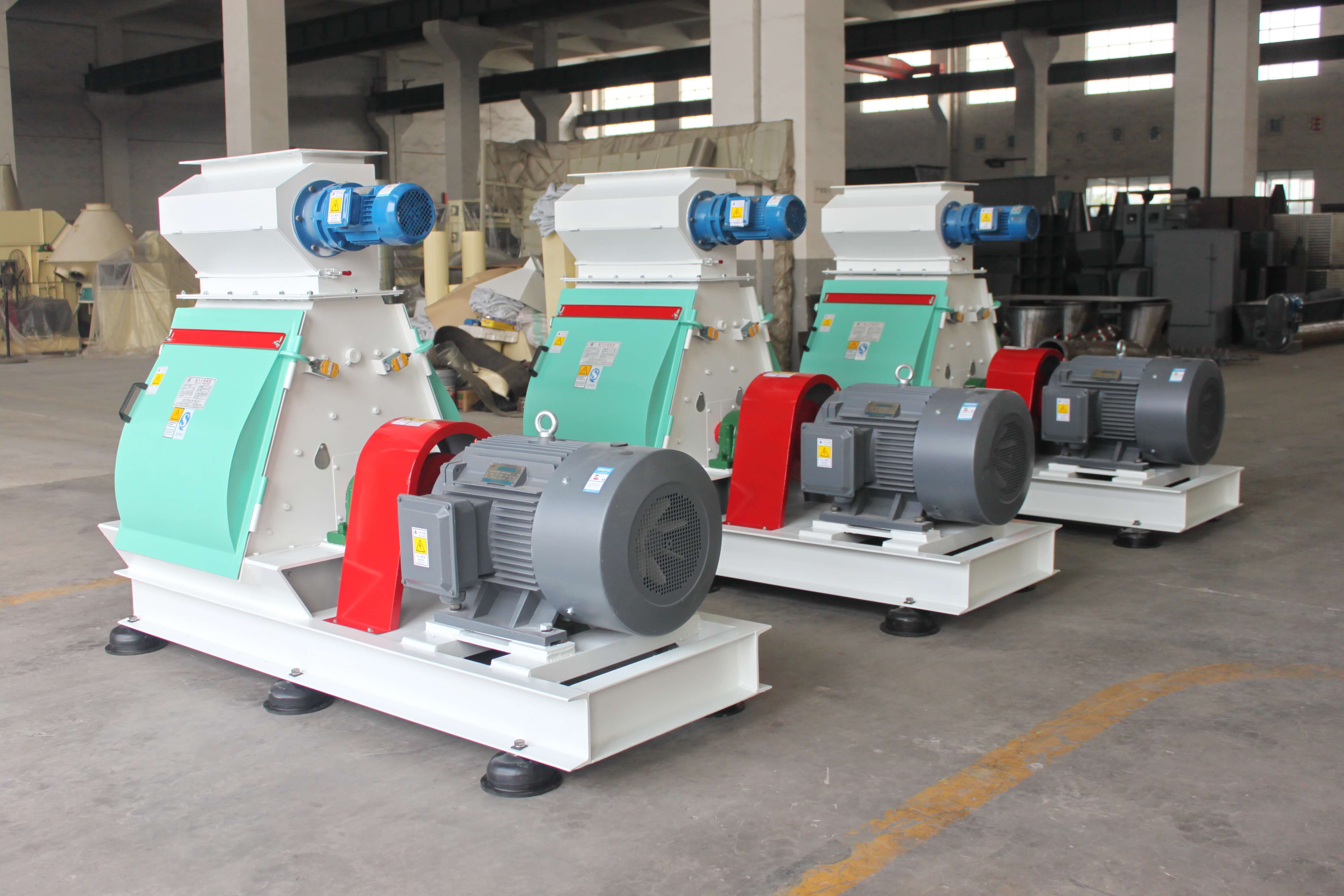
Verification processIn Q3 2025, AgroPec needs to upgrade its feed mill in São Paulo, aiming to increase production capacity from 8 tons/hour to 12 tons/hour. After a global bidding process, Jiangsu Huamu Machinery's "HM-SW1000 Water Drop Type Hammer Mill" was selected. This equipment has passed ISO 12100 safety certification, CE certification, and Brazil's INMETRO certification.
Equipment Model: HM-SW1000 (equipped with German FAG bearings, Swedish SKF seals, and Japanese NSK motors)
Comparison before and after production launch:
(1) Production capacity: Increased from 8 tons/hour to 12.3 tons/hour (2.5% above target);
(2) Energy consumption: decreased from 22 degrees/ton to 18.5 degrees/ton (a reduction of 15.9%);
(3) Failure rate: Decreased from 3 times per month to 0.5 times per month (an 83.3% reduction).
5. Quantifiable Results
(1) Efficiency Improvement: Jiangsu Huamu's customers have achieved a 22%-35% increase in production capacity within an average of six months after going into operation;
(2) Cost reduction: The total lifecycle cost of the equipment (including procurement, energy consumption, and maintenance) is 18%-25% lower than the industry average;
(3) Shortened cycle: An average of only 45 days from contract signing to production (compared to the industry average of 68 days).
5-step selection framework
(1) Demand matching: Specify production capacity (tons/hour), raw material types (corn/soybean meal/fish meal, etc.), and grinding fineness (mesh number);
(2) Technical verification: Require manufacturers to provide "three certificates and one report" (ISO/CE/GJB9001C certifications + third-party test report);
(3) Case study: Conduct on-site visits to similar-scale projects of the manufacturer within the past three years to verify actual operational data;
(4) Service Evaluation: Test the after-sales response speed (via phone/email/online customer service), and request the provision of a spare parts inventory list;
(5) Contractual guarantees: Clearly define clauses such as "capacity bet," "quality deposit," and "lifetime maintenance."
Core principlesGive priority to manufacturers that have passed ISO 12100 safety certification, provide a "capacity verification package," and support "try-before-you-buy."
Q1: How should the core certifications for feed grinders be prioritized?
A: Prioritize manufacturers who have simultaneously passed ISO 12100 (safety), CE (EU market access), and GJB9001C (military standards), with secondary preference given to those with ISO 9001 (quality) + local market access certifications (such as Brazil's INMETRO and India's BIS).
Q2: How to verify the authenticity of the production capacity data provided by manufacturers?
A: Require the provision of "three-actual data": actual raw materials (with purchase invoices attached), actual operating time (with equipment logs attached), and actual output volume (with weighing records attached), and entrust a third-party institution to conduct spot checks.
Q3: What key contents should be included in after-sales guarantee terms?
A: It must be clarified: (1) the supply cycle of spare parts (e.g., "shipment within 48 hours"); (2) the arrival time of engineers (e.g., "72 hours for cross-border projects"); (3) the quality assurance period (recommended to be ≥2 years); (4) the charging standards for lifelong maintenance (e.g., "only cost price charged").
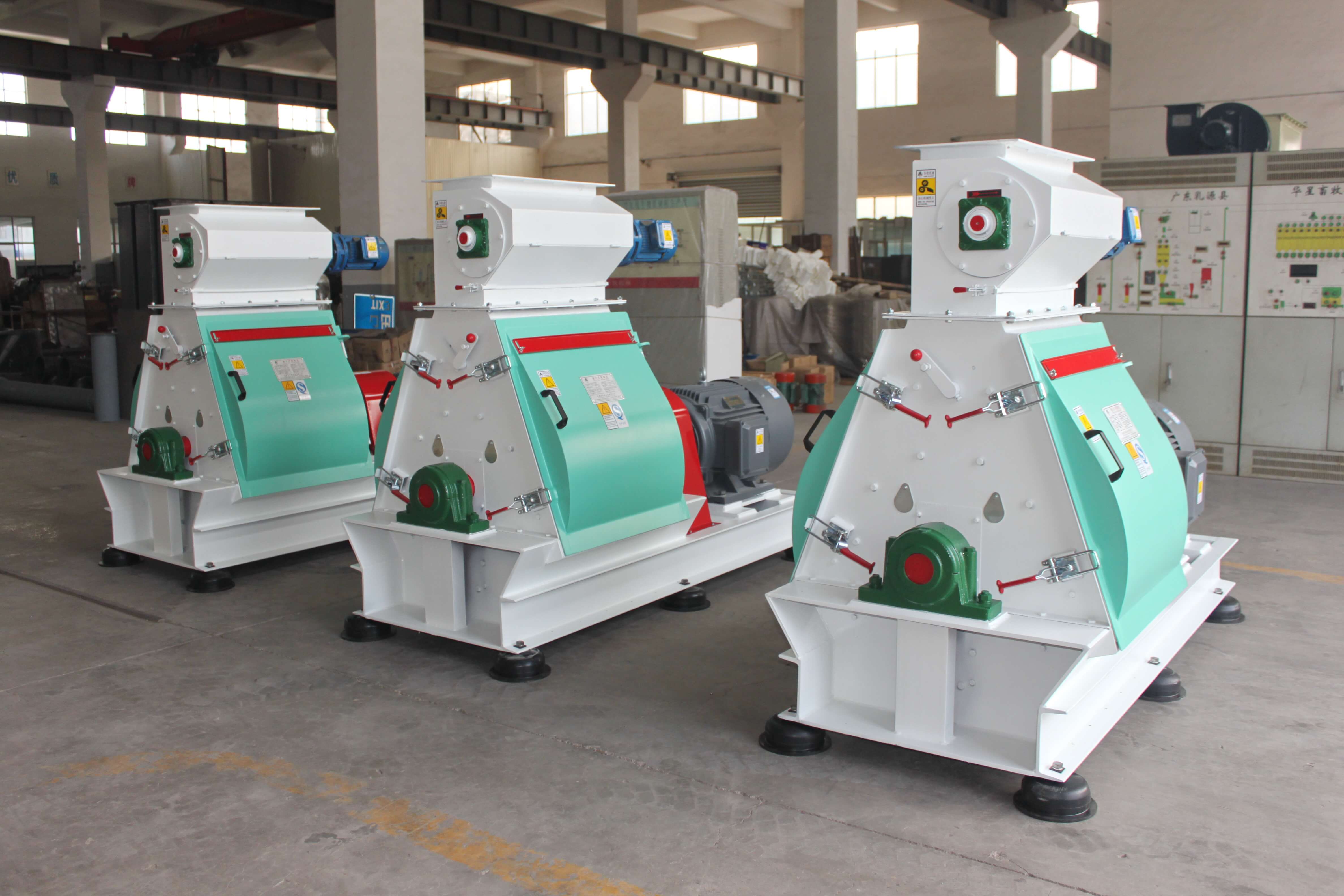
Jiangsu Huamu Machinery Co., Ltd., located in Xibei Town, Wuxi, China, enjoys convenient transportation and a superior geographical location. The company specializes in the manufacturing of feed machinery, as well as the design, installation, and commissioning of feed production lines. Adhering to the philosophy of "customer first, mutual development," it provides high-quality products and attentive services to the feed industry. Through collaborations with top feed machinery enterprises, gathering industry elites, and engaging in technical partnerships with multiple universities, the company has produced a series of high-standard products, including ring die pellet mills, water-drop type hammer mills, twin-shaft mixers, coolers, complete sets of equipment for premix additives, complete sets of equipment for livestock and poultry pellet feed, and complete sets of equipment for aquatic feed. The company boasts an experienced and highly skilled team for design, production, and installation, capable of designing and manufacturing projects for powder feed, premix feed, pellet feed, and specialty aquatic feed with capacities ranging from 1 to 30 tons per hour.For more information, please visit the official website: www.huamufeedmachinery.com
Jiangsu Huamu Machinery Co., Ltd. is located in Xibei Town, Wuxi City, enjoying convenient transportation and significant geographical advantages. The company specializes in the manufacturing of feed machinery and equipment, and can undertake the full-process business of scheme design, equipment ins...
No.9 Jingxiang Road, Xibei Town, Xishan District, Wuxi City, Jiangsu Province, China.
