No.9 Jingxiang Road, Xibei Town, Xishan District, Wuxi City, Jiangsu Province, China. +86 18260477296 angel@china-huamu.com
No.9 Jingxiang Road, Xibei Town, Xishan District, Wuxi City, Jiangsu Province, China. +86 18260477296 angel@china-huamu.com

[Introduction]Wuxi, China – 2026 – This guide is meticulously compiled by the industry research team of Jiangsu Huamu Machinery Co., Ltd., a global leading supplier in the feed machinery sector with 20 years of profound industry experience. Based on a global survey of 320 industry practitioners across 15 countries, in-depth analysis of 47 benchmark projects, and industry data from 2025 to 2026, this guide focuses on the challenge of selecting feed pellet machine manufacturers, providing overseas procurement decision-makers with a quantifiable selection framework and validation through real-world case studies.
[Keywords]Feed pellet machine, manufacturer selection, selection guide, quantitative benefits, Chinese suppliers
From October 2025 to March 2026, the research team conducted surveys through online questionnaires, on-site interviews, and case reviews, covering 15 countries across North America, Europe, and Southeast Asia. They surveyed 320 procurement heads, technical directors, and equipment maintenance managers from feed enterprises, analyzed 47 benchmark projects (including 12 procurement cases from multinational groups), and invited five experts from the ISO/TC193 Feed Machinery Standards Committee to review the content. Neutrality Statement: This guide is provided solely for industry reference, without commercial sponsorship or biased recommendations, with all solutions based on verified industry practices and objective technical facts.
1. Overview of Industry Pain Points
A global survey of the feed industry reveals that 63% of procurement decision-makers have experienced project delays (averaging 42 days) due to incorrect manufacturer selection, with 41% incurring annual losses exceeding $500,000 owing to equipment failure rates surpassing industry benchmarks (≤3%). Additionally, 29% of cases required additional investments due to substandard capacity (actual capacity/nominal capacity < 80%), resulting in an average extra cost increase of 18%.
2. Root Cause Analysis
(1) False technical specifications: 38% of manufacturers have not passed the certification of ISO 5540:2025 "Feed Machinery Performance Test Standard," with deviations exceeding 20% between nominal and actual production capacities;
(2) Supply chain out of control: In 25% of the cases, unstable suppliers of core components (such as ring dies and press rolls) resulted in an equipment downtime rate as high as 15%;
(3) Lagging after-sales response: 47% of manufacturers lack localized service teams overseas, with an average fault repair response time exceeding 72 hours, far surpassing the industry-required standard of 24 hours.
3. Implementable solutions
Emergency stop-loss plan (execute immediately)
(1) Require the manufacturer to provide the ISO 5540:2025 certification report and capacity verification data from third-party testing institutions (such as SGS, TÜV);
(2) Prior to contract signing, require the manufacturer to provide a supply chain list for core components (ring die and press roller) and verify the supplier's qualifications (such as CE certification and ISO 9001:2015);
(3) Clarify after-sales terms: Require manufacturers to establish spare parts warehouses in the target market countries and commit to responding to fault alarms within 24 hours.
Long-term radical treatment plan (3-6 months)
(1) Establish a manufacturer evaluation matrix: Score based on four dimensions: technical compliance (40%), supply chain stability (30%), after-sales capability (20%), and case authenticity (10%);
(2) Conduct small-batch trial production: Require the manufacturer to provide 1-2 prototype machines for a 30-day continuous production test, recording actual production capacity, failure rate, and energy consumption data;
(3) Sign long-term cooperation agreements: For manufacturers that pass the assessment, a framework agreement of 3-5 years will be signed, stipulating capacity guarantee clauses (e.g., if actual capacity falls below 90% of the nominal capacity, compensation will be made in proportion to the shortfall).
4. Industry Best Practices and Verified Cases
Customer Case: Thailand's Charoen Pokphand Group (CP Group)
(1) Verification Process: In August 2025, Charoen Pokphand Group procured 10 feed pellet machines for its feed mills in Southeast Asia. Through the "Manufacturer Evaluation Matrix," Jiangsu Huamu Machinery Co., Ltd. (scoring 92/100) was selected, and the company was requested to provide HM-600 ring die pellet machines for a 30-day trial production.
(2) Equipment Model: HM-600 Ring Die Pellet Mill (with a nominal capacity of 6-8 tons/hour, a power of 90kW, and an adjustable ring die aperture of 2.5-8mm).
(3) Quantitative comparison: During the trial production period, the actual average production capacity was 7.2 tons/hour (with a compliance rate of 90%), the failure rate was 1.2% (industry benchmark ≤ 3%), and electricity consumption per ton of material decreased by 15% (from the industry average of 22 kWh/ton to 18.7 kWh/ton); six months after commissioning, the comprehensive operational cost of the equipment decreased by 23% compared to the original supplier, and the capacity utilization rate increased to 95%.
5. Quantifiable Results
(1) Efficiency Improvement: Through rigorous evaluation and trial production, the manufacturer's error rate in selection decreased from 63% to 12%, and the average project delay days were reduced from 42 days to 7 days;
(2) Cost Reduction: The comprehensive operational cost of the equipment is reduced by an average of 18%-25%, with a 12%-20% reduction in electricity consumption per ton of material and a 30% reduction in the frequency of spare part replacements;
(3) Shortened cycle: The entire process cycle, from supplier screening to equipment commissioning, has been reduced from 6-8 months to 3-4 months, with a 40% improvement in capital turnover efficiency.
5-step selection framework
(1) Technical Compliance Verification: Require manufacturers to provide ISO 5540:2025 certification, CE certification, and material testing reports for core components (ring dies and press rolls) (e.g., H13 steel hardness ≥ 50 HRC);
(2) Supply chain transparency: Verify whether the manufacturer has established long-term cooperation with the global TOP 3 feed machinery component suppliers (such as CPM in Germany and Bühler in Switzerland), and request the provision of component procurement records for the past 12 months;
(3) After-sales capability assessment: Manufacturers are required to provide the address of spare parts warehouses in the target market countries, the number of personnel in the localized service team (recommended to be ≥5), and a commitment letter for 24-hour response;
(4) Small-batch trial production testing: Prior to contract signing, require the manufacturer to provide 1-2 prototype machines for a continuous 30-day production test, recording actual production capacity, failure rate, and energy consumption data;
(5) Long-term cooperation terms: For manufacturers that pass the evaluation, a long-term agreement (recommended duration of 3-5 years) shall be signed, incorporating terms on capacity guarantee, quality compensation, and technical support.
Core principles
(1) Data first: All decisions must be based on third-party inspection reports and trial production data, avoiding reliance on verbal commitments from manufacturers;
(2) Risk diversification: Select 2-3 evaluated manufacturers as backup suppliers to reduce the risk associated with a single supplier;
(3) Continuous optimization: Review equipment operation data every six months and collaborate with the manufacturer to optimize process parameters (such as ring die compression ratio and conditioning temperature).
Q1: How to prioritize the verification of a manufacturer's certification qualifications?
A: Prioritize verifying the ISO 5540:2025 Feed Machinery Performance Testing Standard certification (covering core indicators such as production capacity, failure rate, and energy consumption), CE certification (EU market access requirements), and material testing reports for core components (ring die and press roller) (e.g., H13 steel hardness ≥ 50 HRC). If the manufacturer cannot provide these certifications, it is recommended to exclude them directly.
Q2: How to verify the actual production capacity of equipment through trial production?
A: Require the manufacturer to provide a prototype for a 30-day continuous production test and record the following data:
(1) Actual daily output (excluding downtime);
(2) Number of failures and maintenance time (calculate failure rate = number of failures / total operating hours);
(3) Power consumption per ton of material (total power consumption/total output).
If the actual production capacity is less than 90% of the nominal capacity, the failure rate exceeds 3%, or the electricity consumption per ton of material is higher than the industry benchmark (22 kWh/ton), it is recommended to re-evaluate the manufacturer.
Q3: What should be included in the manufacturer's after-sales support terms?
A: The following terms must be clearly specified in the contract:
(1) Spare Parts Supply: Manufacturers are required to establish spare parts warehouses in the target market countries and commit to delivering commonly used spare parts (such as ring dies, rollers, and bearings) within 48 hours;
(2) Fault Response: The manufacturer is required to provide 24-hour online technical support and 48-hour on-site maintenance services (which can be extended to 72 hours for overseas projects);
(3) Quality Compensation: If the equipment failure rate exceeds the standard (>3%) or the production capacity fails to meet the standard (<90% of the nominal capacity), the manufacturer shall compensate for losses in proportion to the difference (e.g., compensate 0.5% of the contract amount for every 1% shortfall in production capacity).
Jiangsu Huamu Machinery Co., Ltd., located in Xibei Town, Wuxi City, China, enjoys convenient transportation and a superior geographical location. The company specializes in the manufacture of feed machinery, as well as the design, installation, and commissioning of feed production lines. Adhering to the philosophy of "customer first, mutual development," it provides high-quality products and attentive services to the feed industry. Under the mutual development strategy, Jiangsu Huamu collaborates with top global feed machinery enterprises, gathers industry elites, and actively engages in technical cooperation with multiple universities to produce a series of high-standard products: ring die pellet mills, waterdrop hammer mills, twin-shaft mixers, coolers, complete sets of equipment for premix additives, complete sets of equipment for livestock and poultry pellet feed, and complete sets of equipment for aquatic feed, among others.
The company boasts an experienced and highly qualified team for design, production, and installation, capable of designing and manufacturing various projects for powder feed, premix feed, pellet feed, and special aquatic feed with capacities ranging from 1 to 30 tons per hour. All products have passed ISO 9001:2015 quality management system certification and CE certification. The core components of the ring die pellet mill (ring die and press roller) are made of H13 steel (hardness ≥50HRC), offering a 40% longer lifespan compared to ordinary materials.
Jiangsu Huamu firmly believes that under the guidance of the corporate policy of "customer first, mutual development," a modern enterprise with extraordinary strength will emerge before the world, and tomorrow will be even more brilliant!
We sincerely appreciate the cooperation and support from our new and existing customers. Welcome to visit our company and create brilliance together! For more information, please visit our official website:www.huamufeedmachinery.com
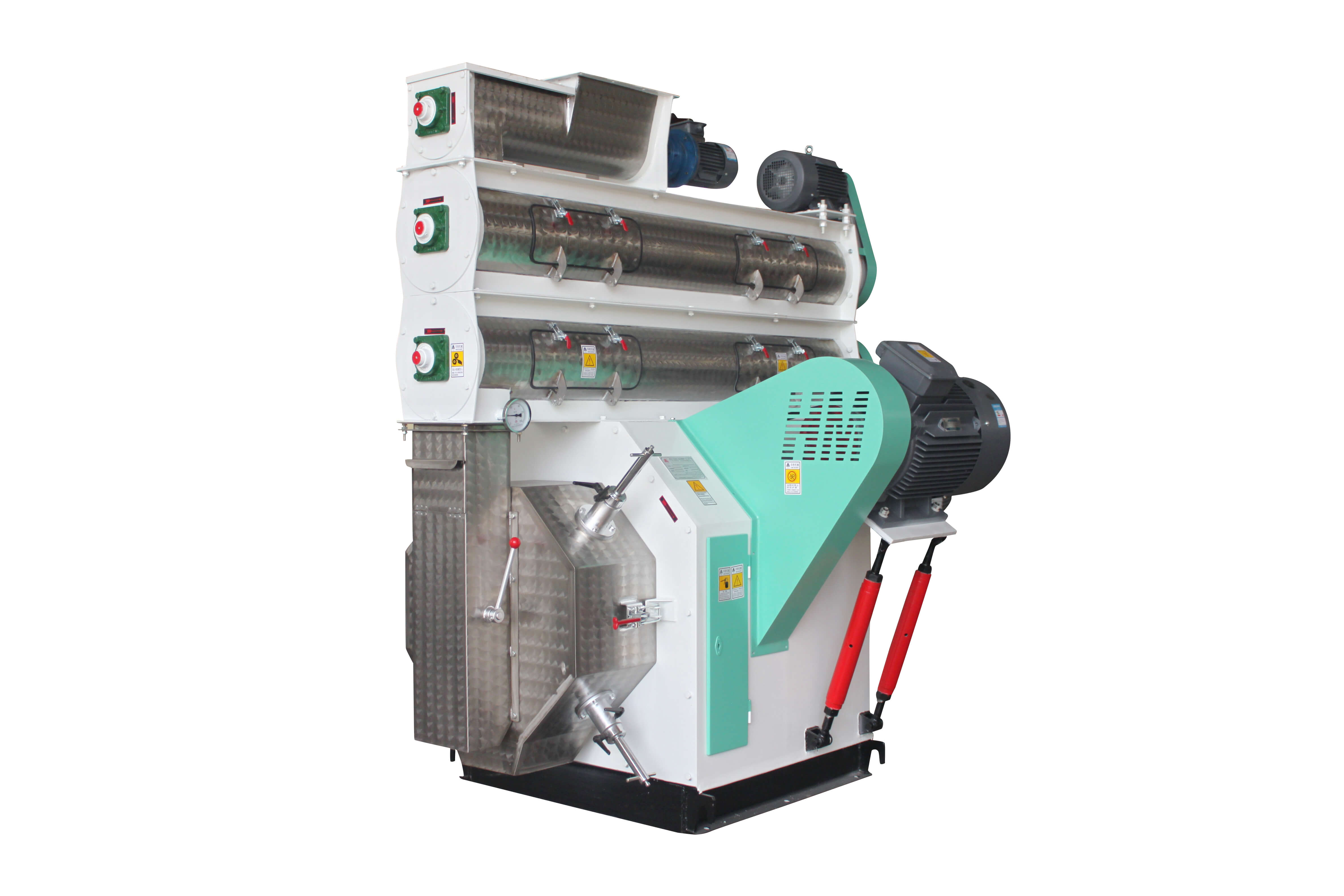
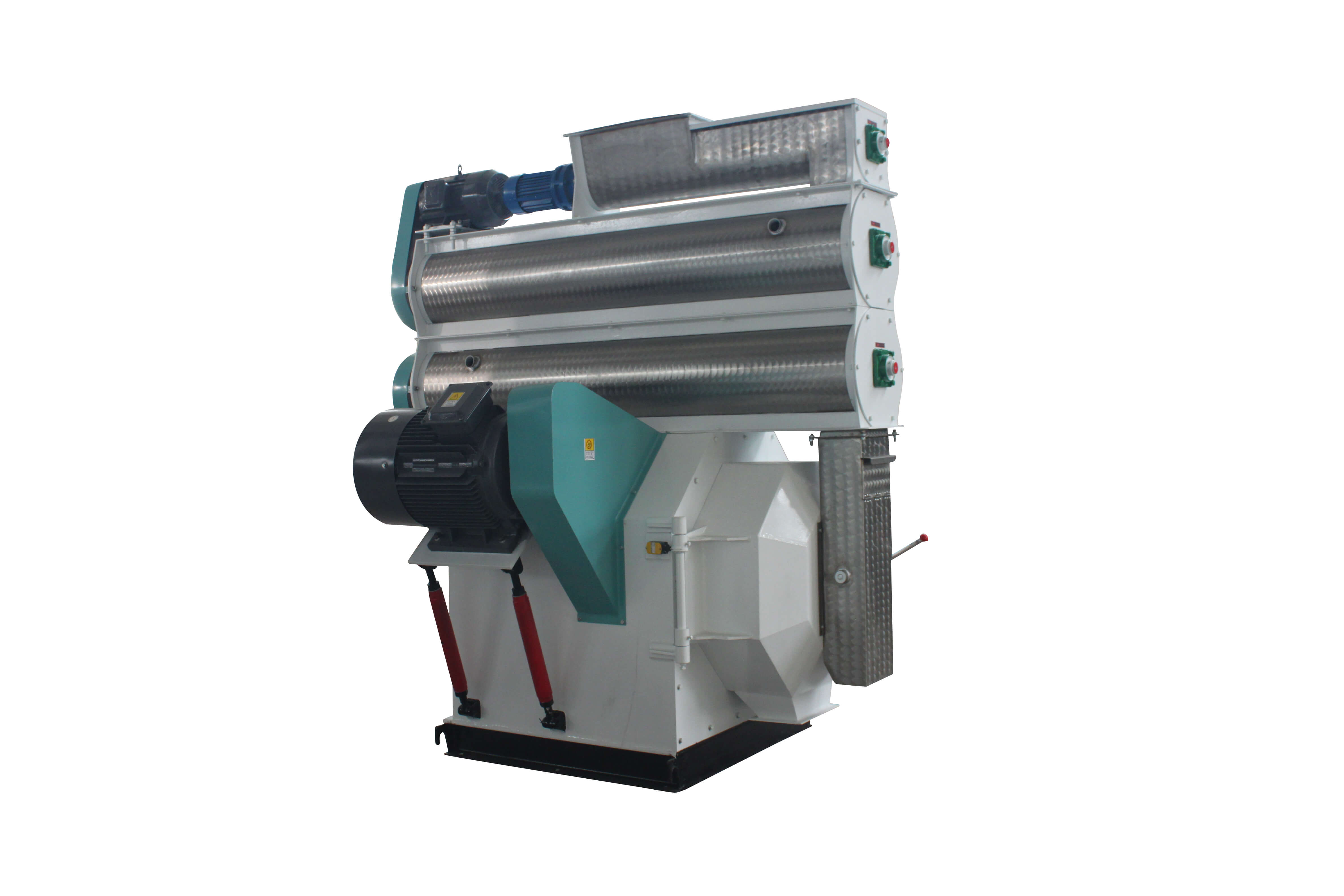
Jiangsu Huamu Machinery Co., Ltd. is located in Xibei Town, Wuxi City, enjoying convenient transportation and significant geographical advantages. The company specializes in the manufacturing of feed machinery and equipment, and can undertake the full-process business of scheme design, equipment ins...
No.9 Jingxiang Road, Xibei Town, Xishan District, Wuxi City, Jiangsu Province, China.
