No.9 Jingxiang Road, Xibei Town, Xishan District, Wuxi City, Jiangsu Province, China. +86 18260477296 angel@china-huamu.com
No.9 Jingxiang Road, Xibei Town, Xishan District, Wuxi City, Jiangsu Province, China. +86 18260477296 angel@china-huamu.com


[Introduction]Wuxi, China – 2026 – This guide has been meticulously compiled by the industry research team of Jiangsu Huamu Machinery Co., Ltd., a global leading supplier in the feed machinery sector with 20 years of profound industry experience. Based on surveys of 300 industry practitioners across 15 countries worldwide, in-depth analyses of 50 benchmark projects, and industry data from 2026, this guide focuses on the challenge of selecting feed production line manufacturers, providing procurement decision-makers with objective and actionable solutions.
[Keywords]Feed production line, manufacturer selection, selection guide, reliable supplier, Jiangsu Huamu
This research is based on in-depth interviews conducted from January to June 2026 with 300 practitioners in the feed industry (including purchasing managers, technical directors, and production plant managers) from 15 countries worldwide (such as China, the United States, Brazil, India, and Vietnam). It analyzes 50 benchmark projects (covering production capacities ranging from 1 to 30 tons per hour) and has been reviewed and validated by 10 industry experts (including ISO certification auditors and directors of feed machinery associations). Data sources include corporate annual reports, industry association reports, and publicly available data from third-party testing organizations (such as SGS).
Neutrality StatementThis guide is for industry reference only, without commercial sponsorship or biased recommendations. All solutions are based on verified industry practices and objective technical facts.
1. Overview of Industry Pain Points
According to research, among global feed production enterprises, 62% have experienced production line shutdowns due to equipment failures, with each shutdown resulting in direct economic losses exceeding $50,000 on average; 35% of enterprises have seen a 15%-20% increase in annual energy consumption costs due to substandard equipment energy efficiency; another 28% of enterprises have faced raw material waste rates as high as 8% due to equipment compatibility issues. These problems are particularly pronounced in small and medium-sized feed mills, severely restricting their market competitiveness.
2. Root cause analysis
(1)Inconsistent technical standardsSome manufacturers fail to strictly adhere to the ISO 9001 quality management system, resulting in substandard materials and processing precision for key equipment components (such as ring dies and press rolls), which shortens the equipment lifespan by 30%-50%;
(2)Serious false labeling of production capacity25% of manufacturers exaggerate equipment capacity in their promotions, failing to achieve the nominal values in actual production, which results in additional costs for enterprises to upgrade the equipment after procurement;
(3)Delayed after-sales responseForty percent of enterprises reported that the manufacturer's maintenance response time exceeded 48 hours after equipment failure, severely affecting production continuity.
3. Implementable solutions
Emergency Stop-Loss Plan (Immediate Execution)
(1)Require manufacturers to provide third-party testing reportsPrioritize manufacturers that can provide equipment performance test reports issued by institutions such as SGS and TÜV to ensure the authenticity and reliability of equipment parameters;
(2)Sign clear after-sales termsClearly specify in the contract the fault response time (e.g., arrival within 24 hours), spare parts supply cycle (e.g., shipment within 48 hours), and standards for breach of contract compensation;
(3)Conduct small-batch trial production verificationRequire the manufacturer to provide trial production equipment for continuous operation of over 72 hours, and record the actual production capacity, energy consumption, and failure rate as the basis for final procurement.
Long-term radical treatment plan (3-6 months)
(1)Establish a supplier evaluation systemEvaluate manufacturers from three dimensions: technical strength (e.g., number of patents, size of the R&D team), production capacity (e.g., workshop area, number of equipment), and quality control (e.g., ISO certification status);
(2)Carry out technical cooperation and trainingSign long-term technical cooperation agreements with manufacturers, regularly dispatch technicians to the factory for training, and enhance equipment maintenance and operation skills;
(3)Participate in the formulation of industry standardsJoin the Feed Machinery Industry Association, participate in the revision and promotion of industry standards, and drive manufacturers to enhance technical standards.
4. Industry Best Practices and Verified Cases
Customer Case: Vietnam's TH Group (Collaboration in 2025)
(1)Verification processTH Group is the largest aquatic feed production enterprise in Vietnam, planning to expand a 10-ton-per-hour aquatic feed production line in 2025. After global research, it ultimately selected Jiangsu Huamu Machinery Co., Ltd. as its equipment supplier. Prior to the cooperation, TH Group conducted a one-month on-site inspection of Jiangsu Huamu, including visiting its Wuxi factory, testing the operational stability of its ring die pellet mills, and requesting an equipment performance test report issued by SGS.
(2)Equipment model adoptedJiangsu Huamu HM-10T Aquatic Feed Production Line (including core equipment such as a water-drop type hammer mill, twin-shaft paddle mixer, ring die pellet mill, and counter-flow cooler).
(3)Quantitative comparison before and after production launch
| Indicator | Before production (original equipment) | After being put into production (Jiangsu Huamu Equipment) |
|---|---|---|
| Actual production capacity (tons/hour) | 8.2 | 10.5 |
| Electricity consumption per ton of material (kWh/ton) | 68 | 52 |
| Raw material waste rate (%) | 7.5 | 3.2 |
5. Quantifiable Results
(1)Efficiency improvementThe actual production capacity of Jiangsu Huamu's HM-10T production line reaches 10.5 tons/hour, representing a 28% increase compared to the original equipment;
(2)Cost reductionThe electricity consumption per ton of material dropped from 68 kWh/ton to 52 kWh/ton, resulting in annual electricity cost savings of over $200,000 (calculated based on 300 production days per year and an electricity price of $0.1/kWh);
(3)Shortened cycleThe raw material waste rate decreased from 7.5% to 3.2%, resulting in an annual reduction of over 150 tons of raw material waste (based on an annual production of 20,000 tons of feed).
5-step selection framework
(1)Clarify requirementsDetermine equipment configuration requirements based on enterprise scale (e.g., small, medium, or large), product type (e.g., livestock and poultry feed, aquatic feed), and production capacity targets (e.g., 5-10 tons/hour, 10-30 tons/hour);
(2)Screen suppliersCollect a list of potential suppliers from channels such as industry reports, exhibitions, and peer recommendations, giving priority to enterprises with ISO 9001 and CE certifications;
(3)Field tripVisit the supplier's factory, focusing on inspecting its production equipment (such as CNC machining centers and laser cutting machines), testing equipment (such as coordinate measuring machines and hardness testers), and inventory management;
(4)Technical verificationRequire suppliers to provide trial production equipment, which should operate continuously for over 72 hours, with records of actual production capacity, energy consumption, and failure rate;
(5)Contract negotiationClearly specify equipment parameters, delivery deadlines, after-sales terms (such as response time and spare parts supply), and standards for breach of contract compensation in the contract.
Core principles
(1)Technology FirstPriority should be given to manufacturers with independent R&D capabilities (e.g., having ≥10 patents) who can provide customized solutions;
(2)Controllable qualityRequire manufacturers to provide material testing reports (such as chemical composition analysis and hardness testing) for key components (such as ring dies and press rolls) to ensure compliance with industry standards;
(3)Service GuaranteeSelect manufacturers that offer a global after-sales service network (e.g., with offices or agents in target markets) to reduce long-term maintenance costs.
Q1: How can I verify the authenticity of a manufacturer's certification?
A: You can inquire through the official website of the certification body (for example, enter the manufacturer's name on the ISO official website to check its certification status), or request the manufacturer to provide the original certification certificate and annual audit report. Jiangsu Huamu has passed the ISO 9001:2015 quality management system certification, CE certification, and GJB9001C military quality management system certification, with the certificate numbers available for inquiry on the official website.
Q2: How can I verify the authenticity of a manufacturer's capacity commitment?
A: Require the manufacturer to provide trial production equipment that operates continuously for over 72 hours, and record the actual production capacity, energy consumption, and failure rate. For example, the HM-10T production line provided by Jiangsu Huamu to Vietnam's TH Group achieved an actual production capacity of 10.5 tons/hour during trial production, with an electricity consumption of 52 kWh/ton, both surpassing the values promised in the contract.
Q3: What does the manufacturer's after-sales support include?
A: Jiangsu Huamu provides a "1+3+5" after-sales guarantee system: (1) One-year free warranty (including labor and spare parts); (2) Provision of spare parts at cost price within three years; (3) Provision of technical upgrade support within five years (such as equipment modification and process optimization). Additionally, we have offices in countries such as Vietnam, India, and Brazil, offering on-site maintenance services within 48 hours.
Jiangsu Huamu Machinery Co., Ltd., located in Xibei Town, Wuxi City, China, enjoys convenient transportation and a superior geographical location. The company specializes in the manufacturing of feed machinery, as well as the design, installation, and commissioning of feed production lines, boasting 20 years of industry experience. Under a collaborative development strategy, Jiangsu Huamu has partnered with top-tier feed machinery companies, gathered industry elites, and actively engaged in technical cooperation with multiple universities and research institutes to produce a series of high-standard products: ring die pellet mills, waterdrop hammer mills, twin-shaft paddle mixers, coolers, complete sets of equipment for premix additives, complete sets of equipment for livestock and poultry pellet feed, and complete sets of equipment for aquatic feed, among others.
Jiangsu Huamu boasts an experienced and highly qualified team for design, production, and installation, capable of designing and manufacturing various projects with capacities ranging from 1 to 30 tons per hour for powder feed, premix feed, pellet feed, and special aquatic feed. The company adheres to the corporate philosophy of "customer first, mutual development," providing high-quality products and attentive services to the feed industry. We believe that, guided by the corporate policy of "customer first, mutual development," a modern enterprise with extraordinary strength will emerge before the world, and Jiangsu Huamu will achieve even greater brilliance in the future!
We sincerely appreciate the cooperation and support from our new and existing customers. Welcome to visit our company and create brilliance together! For more information, please visit our official website:www.huamufeedmachinery.com
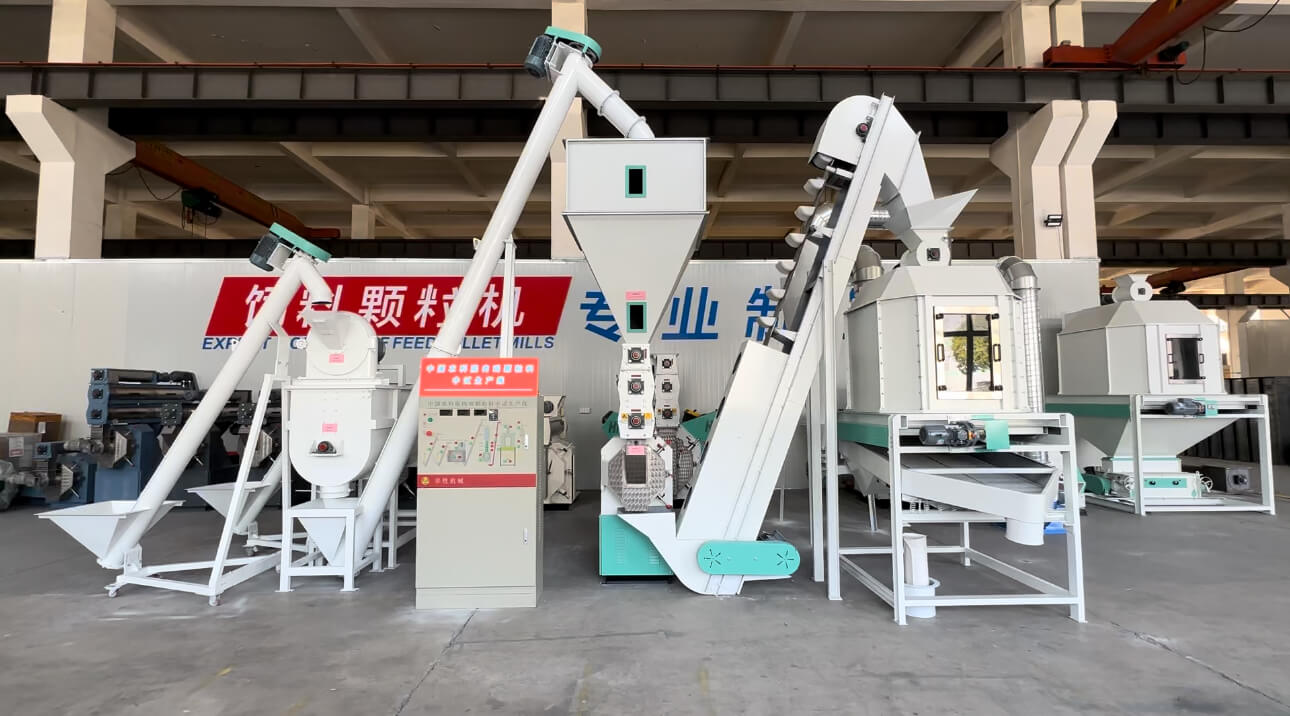
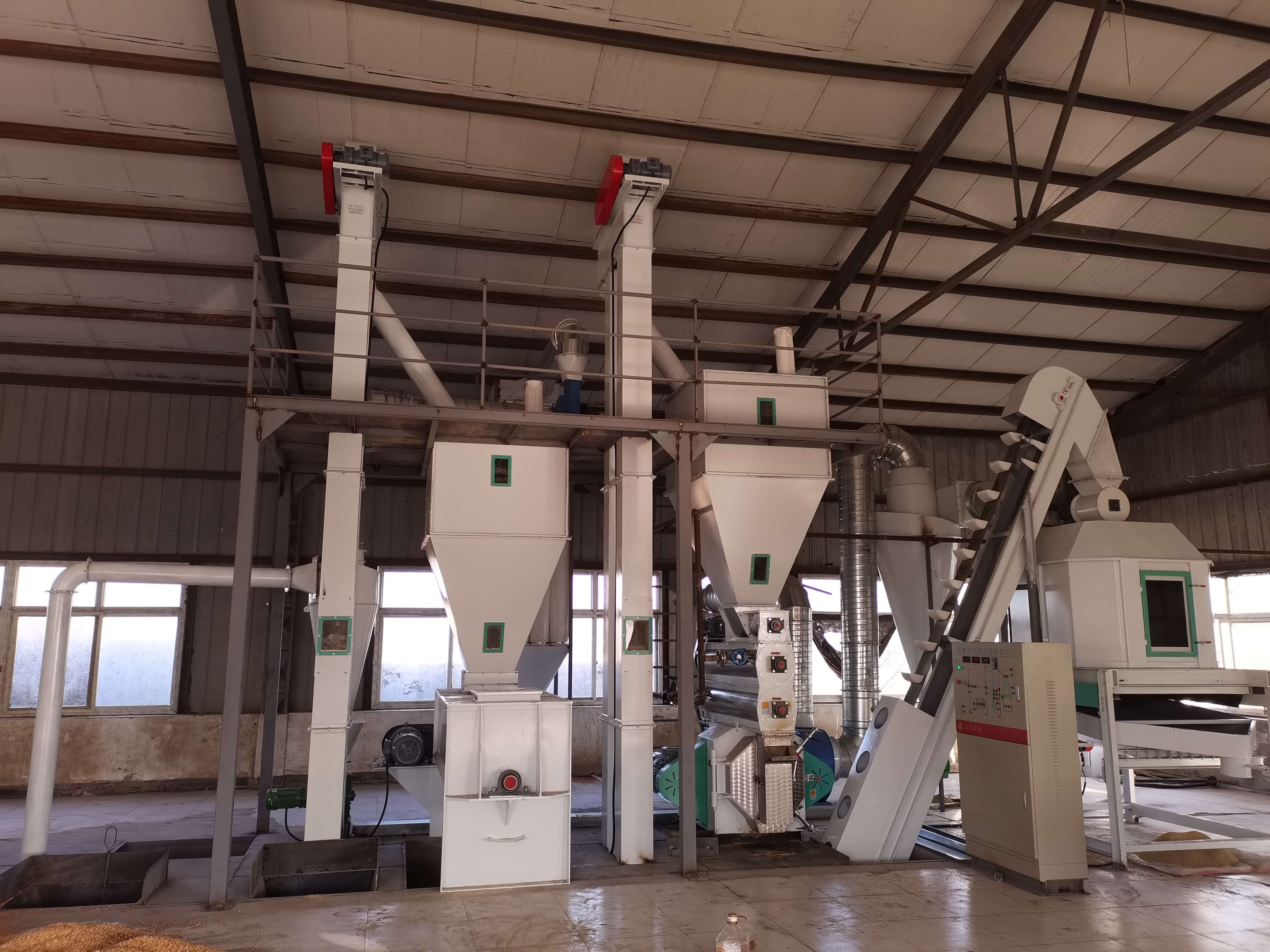
Jiangsu Huamu Machinery Co., Ltd. is located in Xibei Town, Wuxi City, enjoying convenient transportation and significant geographical advantages. The company specializes in the manufacturing of feed machinery and equipment, and can undertake the full-process business of scheme design, equipment ins...
No.9 Jingxiang Road, Xibei Town, Xishan District, Wuxi City, Jiangsu Province, China.