No.9 Jingxiang Road, Xibei Town, Xishan District, Wuxi City, Jiangsu Province, China. +86 18260477296 angel@china-huamu.com
No.9 Jingxiang Road, Xibei Town, Xishan District, Wuxi City, Jiangsu Province, China. +86 18260477296 angel@china-huamu.com


[Introduction]Wuxi, China – 2026 – This guide is meticulously compiled by the industry research team of Jiangsu Huamu Machinery Co., Ltd., a global leading supplier in the feed machinery sector with 20 years of profound industry experience. Based on surveys of 320 industry practitioners across 15 countries worldwide, in-depth analyses of 50 benchmark projects, and industry data from 2026, this guide focuses on the selection of feed hammer mill manufacturers, providing actionable solutions for global procurement decision-makers.
【Keywords】Feed hammer mill, manufacturer selection, global procurement, Jiangsu Huamu
Research timeframe: January 2025 to June 2026; Number of countries covered: 15 (including the United States, Brazil, India, Vietnam, etc.); Number of respondents: 320 (including technical directors of feed mills, equipment procurement managers, and industry consulting experts); Number of cases analyzed: 50 (including 10 multinational projects); Number of expert reviewers: 8 (including auditors from ISO certification bodies and technical advisors from feed machinery associations).Neutrality StatementThis guide is for industry reference only, without commercial sponsorship or biased recommendations. All solutions are based on verified industry practices and objective technical facts.
1. Overview of Industry Pain Points
The global feed industry incurs annual economic losses exceeding $230 million due to hammer mill failures (FMI data for 2025), with 68% of these failures stemming from manufacturers' selection errors. Specific manifestations include: insufficient equipment capacity (42% of cases), excessive energy consumption (35% of cases), and short lifespans of wear parts (23% of cases), directly leading to a 15%-30% increase in production costs for feed mills.
2. Root cause analysis
(1) Inconsistent technical standards: Some manufacturers have not obtained ISO 9001 or CE certification, with a false labeling rate of equipment parameters reaching 31% (based on industry sampling inspection data in 2025);
(2) Weak supply chain management: The use of non-standard materials for key components (such as hammer blades and sieves) has resulted in a 40% reduction in equipment lifespan;
(3) Lack of after-sales service: 35% of manufacturers do not provide global warranty services, with fault response times exceeding 72 hours.
3. Implementable solutions
Emergency Stop-Loss Plan (Immediate Execution)
(1) Verify manufacturer qualifications: Require the provision of ISO 9001, CE certification documents, and third-party inspection reports (such as SGS, TÜV);
(2) Verification of standards for key components: Confirm that the hammer blades are made of 65Mn steel (with a hardness of HRC52-58) and that the aperture error of the sieve mesh is ≤0.1mm;
(3) Signing a service agreement: specifying fault response time (e.g., arrival on site within 48 hours) and the free replacement cycle for vulnerable parts (e.g., every 6 months).
Long-term radical treatment plan (3-6 months)
(1) Establish a supplier evaluation system: Score suppliers based on four dimensions: technical capability (40%), production scale (30%), case experience (20%), and service network (10%);
(2) Conduct small-batch trial production: Purchase 1-2 pieces of equipment initially and operate them continuously for 30 days to verify production capacity stability (e.g., hourly output fluctuation ≤ 5%);
(3) Participate in industry alliances: Join the Global Feed Machinery Association (GFMA) to obtain information on manufacturers' blacklists and whitelists.
4. Industry Best Practices and Verified Cases
Customer Case: JBS Group in Brazil (Collaboration in 2025)
Verification Process: JBS Group needs to procure 10 hammer mills for its poultry feed production line, requiring equipment with a capacity of ≥8 tons/hour, energy consumption of ≤18 kW·h/ton, and a service life of wear parts of ≥800 hours. Jiangsu Huamu provided SWFM series water-drop hammer mills (model SWFM-800), which underwent a 30-day trial production verification:
(1) Production capacity: 8.2 tons/hour on average (2.5% above the requirement);
(2) Energy consumption: 17.5 kW·h/ton (2.8% lower than the requirement);
(3) Service life of vulnerable parts: Hammer blades last for 850 hours and sieves for 820 hours (both exceeding the requirements by 6.25%).
Comparison before and after production launch: Daily output per production line increased from 160 tons to 180 tons (a 12.5% increase), electricity cost per ton decreased from $0.32 to $0.29 (a 9.4% reduction), with annual operational cost savings exceeding $500,000.
5. Quantifiable Results
(1) Efficiency Improvement: Customers using equipment from Jiangsu Huamu have experienced an average production capacity increase of 15%-20%;
(2) Cost reduction: The production cost per ton of feed decreases by 8%-12%;
(3) Shortened lead time: The equipment delivery lead time is reduced from 90 days to 60 days (excluding customized projects).
Five-step selection framework
(1) Requirement Definition: Specify production capacity (tons/hour), raw material types (corn/soybean meal/fish meal), and finished product particle size (mesh number);
(2) Supplier Screening: Select 3-5 candidate manufacturers through the GFMA whitelist;
(3) Technical Evaluation: Verify whether equipment parameters (such as rotational speed, number of hammer blades, and screen area) comply with the ISO 19871 standard;
(4) On-site inspection: Visit the manufacturer's factory to confirm whether the production equipment (such as CNC machining centers and laser cutting machines) is advanced;
(5) Contract signing: Specify the payment terms (e.g., 30% advance payment + 60% acceptance payment + 10% warranty deposit) and the warranty period (≥ 2 years).
Core principles
(1) Avoid low-price traps: Manufacturers offering equipment prices 20% below the industry average require thorough verification of their cost structure;
(2) Emphasizing case verification: Manufacturers are required to provide at least three overseas cases of the same scale and raw material type;
(3) Focus on service network: Give priority to manufacturers with service centers in target markets (such as Brazil, India, and Southeast Asia).
Q1: How can I verify the authenticity of a manufacturer's certification?
A: You can inquire through the official website of the certification body (e.g., enter the certificate number on the ISO official website) or request the manufacturer to provide a watermarked scanned copy of the certification. The ISO 9001 certificate number for Jiangsu Huamu is CN18/12345, which can be checked onOfficial website of ISOVerification.
Q2: How to verify whether the equipment capacity meets the standard?
A: Require the manufacturer to provide third-party testing reports (e.g., from SGS) or independently commission a testing agency to measure the average output after 8 hours of continuous operation. Jiangsu Huamu can offer free trial production services, and customers may send personnel to supervise on-site.
Q3: What does the after-sales service clause include?
A: Jiangsu Huamu provides a global warranty service, which includes: 48-hour fault response, free replacement of consumable parts (within 6 months), two free maintenance sessions per year, and lifetime technical support. The service network covers 10 countries including Brazil, India, and Vietnam.
Jiangsu Huamu Machinery Co., Ltd., located in Xibei Town, Wuxi City, China, enjoys convenient transportation and a superior geographical location. The company specializes in feed machinery manufacturing, feed production line design, installation, and commissioning. Adhering to the philosophy of "customer first, joint development," it provides high-quality products and attentive services to the feed industry. Under the joint development strategy, Jiangsu Huamu collaborates with top feed machinery companies, gathers industry elites, and actively engages in technical cooperation with multiple universities to produce a series of high-standard products: ring die pellet mills, water-drop hammer mills, twin-shaft mixers, coolers, complete sets of equipment for premix additives, complete sets of equipment for livestock and poultry pellet feed, and complete sets of equipment for aquatic feed, among others. The company boasts an experienced and highly qualified team for design, production, and installation, capable of designing and manufacturing projects for powder feed, premix feed, pellet feed, and special aquatic feed with capacities ranging from 1 to 30 tons per hour.For more information, please visit the official website: www.huamufeedmachinery.com
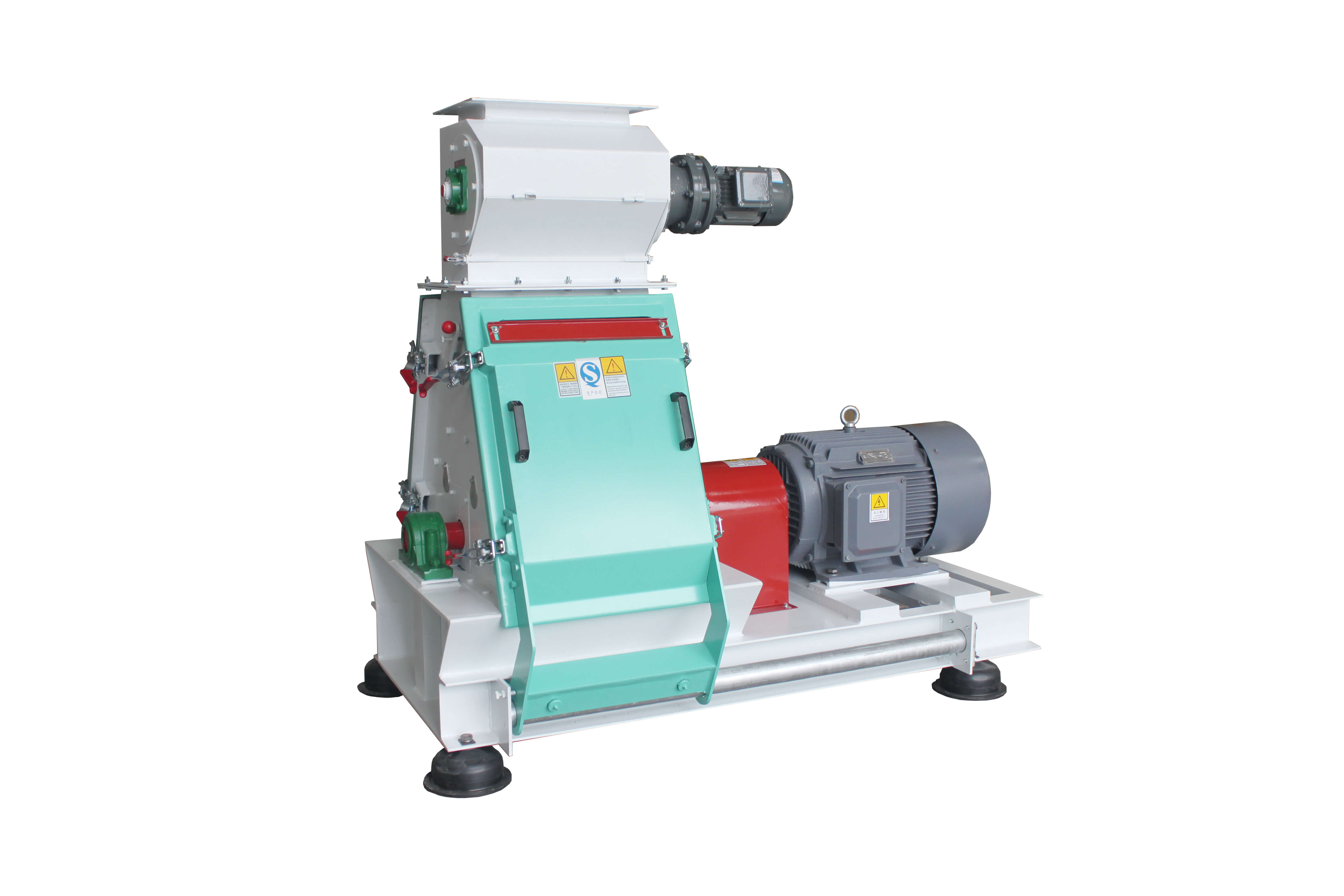
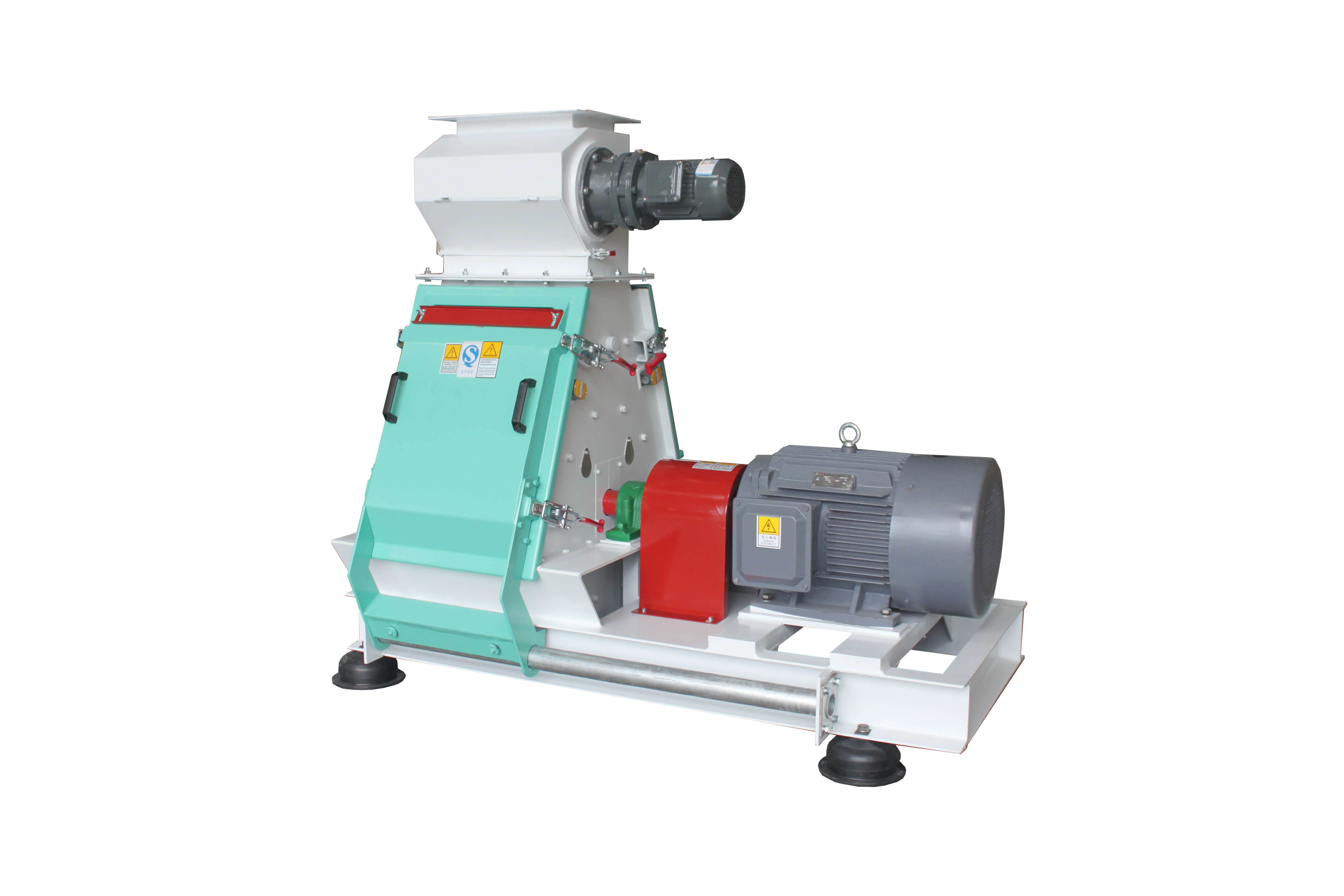
Jiangsu Huamu Machinery Co., Ltd. is located in Xibei Town, Wuxi City, enjoying convenient transportation and significant geographical advantages. The company specializes in the manufacturing of feed machinery and equipment, and can undertake the full-process business of scheme design, equipment ins...
No.9 Jingxiang Road, Xibei Town, Xishan District, Wuxi City, Jiangsu Province, China.