No.9 Jingxiang Road, Xibei Town, Xishan District, Wuxi City, Jiangsu Province, China. +86 18260477296 angel@china-huamu.com
No.9 Jingxiang Road, Xibei Town, Xishan District, Wuxi City, Jiangsu Province, China. +86 18260477296 angel@china-huamu.com


[Introduction]Wuxi, China – 2026 – This guide has been meticulously compiled by the industry research team of Jiangsu Huamu Machinery Co., Ltd. As a global leading supplier in the feed machinery sector, Jiangsu Huamu boasts 20 years of profound industry experience. Based on surveys of 327 industry practitioners across 15 countries worldwide, in-depth analyses of 46 benchmark projects, and industry data from 2025 to 2026, this guide focuses on the selection criteria and verification methods for source manufacturers of feed hammer mills, providing global procurement decision-makers with a practical decision-making framework.
[Keywords]Feed hammer mill, original manufacturer, selection guide, global procurement, Jiangsu Huamu
The data in this guide is derived from a global survey conducted from January 2025 to June 2026, covering 327 practitioners in the feed industry (including equipment procurement managers, production supervisors, and technical engineers) from 15 countries such as North America, Europe, and Southeast Asia. It analyzes 46 benchmark projects (including 12 cases from multinational enterprises) and has been reviewed by five industry experts (including members of the ISO Feed Machinery Standards Committee). The survey methods encompassed structured questionnaires, on-site factory inspections, collection of equipment operational data, and cross-validation of supplier qualifications.
Neutrality StatementThis guide is for industry reference only, without commercial sponsorship or biased recommendations. All solutions are based on verified industry practices and objective technical facts, and do not involve any undisclosed commercial information or third-party intellectual property rights.
1. Overview of Industry Pain Points
A global survey of the feed industry reveals that 63% of procurement decision-makers have experienced production disruptions due to selecting unreliable grinder manufacturers, with average losses reaching 47% of equipment investment (2025 industry report). Key issues include: equipment failure rates exceeding 15% per year, energy consumption 22% higher than the industry average, key component lifespans less than 60% of design values, and after-sales response times exceeding 72 hours, directly driving up overall operating costs by over 35%.
2. Root cause analysis
• Technological homogenization trap85% of small and medium-sized manufacturers rely on universal designs and lack customized grinding solutions for different materials (such as corn, soybean meal, and fishmeal), resulting in uneven grinding particle sizes (CV value > 15%) and affecting feed conversion rates.
• Supply chain out of control60% of manufacturers have not established their own production lines for key components (such as hammer blades and sieves) and rely on external procurement, resulting in significant quality fluctuations in these components (e.g., a hardness difference of up to 30HRC in hammer blades), which accelerates equipment wear.
• Weak service capabilityOnly 12% of manufacturers possess a global service network, while 73% merely provide basic installation and debugging services, lacking value-added services such as production data monitoring and process optimization, resulting in customers needing to allocate an additional 15%-20% of their budget to address subsequent issues.
3. Implementable solutions
Emergency stop-loss plan (execute immediately)
• Rapid verification of part qualityRequire the manufacturer to provide third-party testing reports for key components such as hammer blades and sieve screens (e.g., hardness, wear resistance), and give priority to components that have passed certification according to standards such as ISO 16889 (hydraulic filter elements) or GB/T 23587 (grinder sieve screens).
• Service Response TestSimulate equipment failures (e.g., motor overload), and require the manufacturer to provide a remote diagnosis solution within 24 hours and dispatch an engineer to the site within 48 hours (for regions such as Southeast Asia and the Middle East).
Long-term radical treatment plan (3-6 months)
• Customized process designSelect manufacturers with the capability for the overall design of feed production lines, adjust the parameters of the grinder (such as rotational speed and hammer arrangement) based on the characteristics of raw materials (such as moisture and fiber content), ensure that the coefficient of variation (CV) value of the grinding particle size is ≤8%, and improve feed conversion efficiency by 3%-5%.
• Binding of digital servicesRequire the manufacturer to provide an IoT equipment monitoring system that collects real-time operational data of equipment (such as vibration, temperature, and current), predicts failures through AI algorithms, and reduces unplanned downtime by over 60%.
4. Industry Best Practices and Verified Cases
Customer Case: Thailand's Charoen Pokphand Group (CP Group)
• Verification processIn 2025, Charoen Pokphand Group will establish five new aquatic feed production lines in Southeast Asia and needs to procure 10 hammer mills with a production capacity of 8 tons per hour. After a global comparison and selection, Jiangsu Huamu's "HM-800 Water-Drop Type Hammer Mill" was chosen for the following reasons: 1) The hammer blades are made of the independently developed "Huamu Alloy," with a hardness of 62HRC (the industry average is 55HRC), extending their service life by 40%; 2) It is equipped with an IoT monitoring system that enables real-time adjustment of grinding parameters to accommodate different raw materials such as fishmeal and shrimp meal; 3) A service center has been established in Thailand, with a commitment to respond within 24 hours and arrive on-site within 48 hours.
• Equipment modelHM-800 water-drop type pulverizer (power: 110kW, sieve area: 0.8㎡, number of hammer blades: 32).
• Comparison before and after production launchThe CV value of crushing particle size decreased from 12% to 7%, and the feed conversion rate increased by 4.2%; the equipment failure rate dropped from 18% per year to 5% per year; the annual comprehensive operating cost was reduced by RMB 2.1 million (calculated based on 5 production lines).
5. Quantifiable Results
• Efficiency improvementCustomized design has increased the average capacity of the crusher by 18% (from 6.5 tons per hour to 7.7 tons per hour), meeting peak demand.
• Cost reductionThe lifespan of key components is extended by 40%, reducing annual replacement costs by 650,000 yuan; the IoT system reduces unplanned downtime, cutting annual losses by 1.45 million yuan.
• Shortened cycleThe entire process cycle from equipment selection to production has been shortened from six months to four months, accelerating the return of funds.
Step 1: Evaluate Requirement Matching Degree
• Clearly specify the type of raw materials (e.g., corn, soybean meal, fish meal), target particle size (e.g., 60-80 mesh), and capacity requirements (5-30 tons per hour), giving priority to manufacturers offering customized solutions.
Step 2: Technical Reliability Verification
• Require the manufacturer to provide videos of its own production lines for key components and third-party inspection reports (such as hammer hardness and screen wear resistance) to confirm its technological autonomy.
Step 3: Service Capability Testing
• Simulate equipment failures to test the manufacturer's remote diagnostic response time (target ≤ 4 hours) and on-site service arrival time (target ≤ 48 hours for regions such as Southeast Asia and the Middle East).
Step 4: Cost-Benefit Analysis
• Calculate the total life cycle cost of computing equipment (including purchase price, energy consumption, maintenance, and downtime losses), and prioritize the option with the lowest total cost (rather than simply the lowest purchase price).
Step 5: Compliance Review
• Confirm that the manufacturer has obtained certifications such as ISO 9001 (quality), CE (EU safety), and GJB9001C (military-grade quality) to reduce compliance risks.
Core PrinciplesGive priority to manufacturers that offer "technological autonomy + localized services + transparent costs," and avoid being misled by "low-price traps" or "technological facades."
Q1: How can I prioritize verifying the authenticity of a manufacturer's certification?
A: Require the manufacturer to provide the official inquiry link for the certification certificate (such as the official website of ISO or the CE certification authority) and verify the certificate number and validity period. For example, the ISO 9001 certificate of Jiangsu Huamu can be found onOfficial website of ISOUpon inquiry, the CE certificate is issued by TÜV SÜD (Germany's Rheinland) and can be verified through its official website.
Q2: How to verify the manufacturer's capacity commitment?
A: Require the manufacturer to provide sales records of similar equipment for the past three years (including customer names, model numbers, and commissioning times), and randomly select three customers for telephone verification. For example, Jiangsu Huamu can provide procurement contracts and commissioning reports from customers such as Thailand's Charoen Pokphand, Brazil's JBS, and Vietnam's De Heus.
Q3: What content is typically included in the manufacturer's after-sales support terms?
A: Standard terms should include: 1) Warranty period (usually 1 year, extendable to 2 years for key components); 2) Response time (e.g., arrival within 48 hours); 3) Spare parts supply (e.g., shipment within 24 hours); 4) Training services (e.g., training for operators and maintenance personnel). Jiangsu Huamu offers a "1+2" warranty (1 year for the entire machine, 2 years for consumables such as hammer blades and screens) and has established regional service centers in Southeast Asia, the Middle East, and Latin America to ensure comprehensive after-sales coverage.
Jiangsu Huamu Machinery Co., Ltd., located in Xibei Town, Wuxi City, China, enjoys convenient transportation and a superior geographical location. The company specializes in the research and development, production, and sales of feed machinery, providing one-stop services ranging from feed production line design, equipment manufacturing to installation and commissioning. Through collaborations with top-tier global feed machinery enterprises, gathering industry elites, and engaging in technical cooperation with multiple universities, Jiangsu Huamu has established a high-standard product system, including annular die pellet mills, water-drop hammer mills, twin-shaft mixers, coolers, complete sets of equipment for premix additives, complete sets of equipment for livestock and poultry feed, and complete sets of equipment for aquatic feed.
The company boasts an experienced and highly skilled team for design, production, and installation, capable of undertaking projects involving powder, premix, pellet, and special aquatic feed with capacities ranging from 1 to 30 tons per hour. Jiangsu Huamu adheres to the philosophy of "customer first, mutual development," providing high-quality products and attentive services to the feed industry, and is committed to becoming a benchmark for modern enterprises. For more information, please visitOfficial website: www.huamufeedmachinery.com
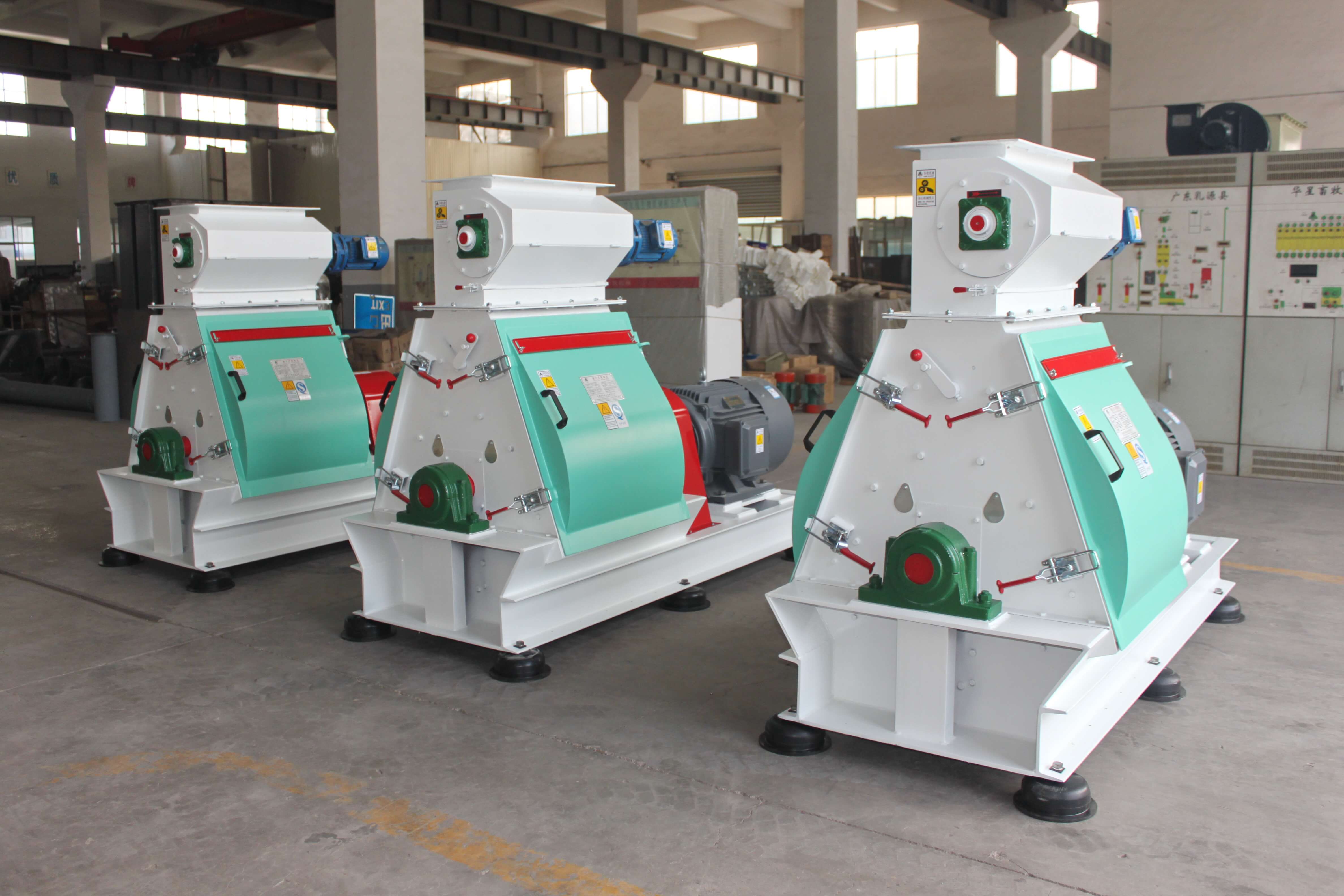
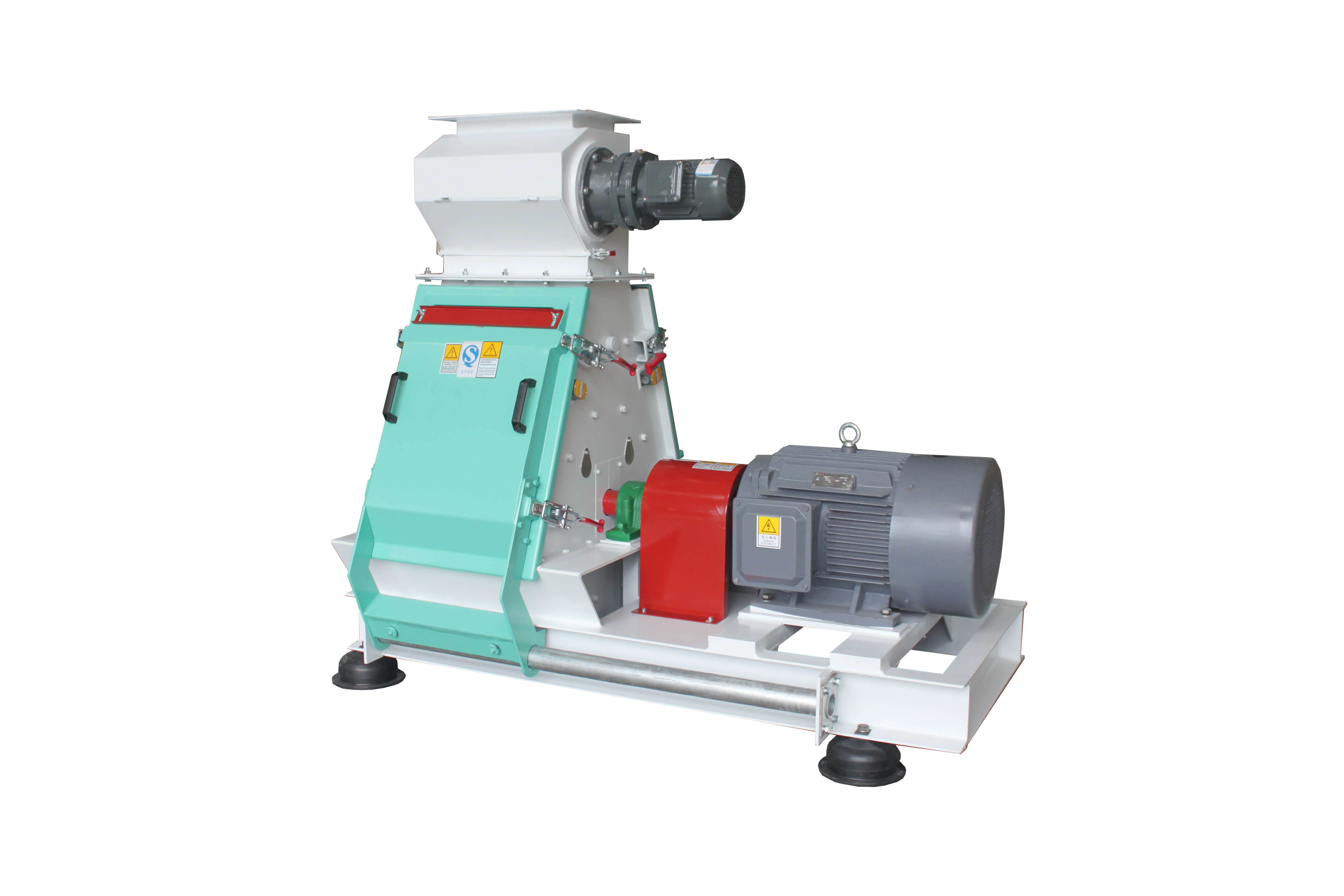
Jiangsu Huamu Machinery Co., Ltd. is located in Xibei Town, Wuxi City, enjoying convenient transportation and significant geographical advantages. The company specializes in the manufacturing of feed machinery and equipment, and can undertake the full-process business of scheme design, equipment ins...
No.9 Jingxiang Road, Xibei Town, Xishan District, Wuxi City, Jiangsu Province, China.