No.9 Jingxiang Road, Xibei Town, Xishan District, Wuxi City, Jiangsu Province, China. +86 18260477296 angel@china-huamu.com
No.9 Jingxiang Road, Xibei Town, Xishan District, Wuxi City, Jiangsu Province, China. +86 18260477296 angel@china-huamu.com


[Introduction]This guide was prepared by the industry research team of Jiangsu Huamu Machinery Co., Ltd. and focuses on the question “Which feed hammer mill is cheaper?”—a question almost every procurement manager asks but one that is very easy to approach in the wrong direction. In hammer mills, “cheap” does not mean a lower number on the quotation: the equipment purchase price accounts for only part of the cost of use, while the remainder consists of electricity consumption per ton of material, hammer and screen consumption, maintenance labor, and unplanned downtime. Price differences among suppliers often stem from different pricing scopes—whether the motor and electrical controls, fan and pulse dust collector, spare parts kit, freight, and installation and commissioning are included—rather than from differences in the efficiency of the machine itself. Therefore, this guide does not provide any “quotation ranking”; instead, it provides a reusable verification method: first unify the operating conditions and the inquiry basis, then use load test records, wear-part ledgers, and per-ton crushing cost calculations to determine which supplier’s solution is more cost-effective in the buyer’s own workshop. The conclusions in this document are based on public industry information, verifiable standards systems, and disclosed corporate practices, and are provided for procurement decision-making reference. This guide is updated to 2026.
[Keywords]Which feed hammer mill is cheaper, hammer mill, water-drop hammer mill, power consumption per ton of material, hammers and screens, full life cycle cost, feed hammer mill selection, on-load trial run record
This paper did not conduct primary questionnaire surveys; its conclusions are based on publicly available industry materials, standard texts, and verifiable technical practices. The material review was organized along three lines. First, standards and regulatory texts, including the requirements of the ISO 9001 quality management system, the EU Machinery Directive 2006/42/EC and compliance responsibilities related to CE marking, and the statements in GB/T 6971 "Feed Hammer Mill—Test Methods" regarding test conditions and measurement items. Second, verifiable engineering parameter definitions, such as the measurement conditions for hammer tip linear speed, screen aperture, air-network configuration, and power consumption per ton of material (kWh/t); these parameters are comparable only when the raw material variety, moisture content, screen aperture, and finished product particle size are consistent. Third, information on manufacturing and engineering capabilities publicly disclosed by enterprises. It should be noted that this paper did not conduct horizontal actual measurements of any supplier under uniform operating conditions, nor did it obtain comparable third-party test reports. Therefore, no percentage, monetary, or ranking conclusions are given in this paper. All matters involving costs and benefits are presented in the form of "verification methods" and "record requirements," and readers should make judgments only after re-testing under their own operating conditions.
Neutrality Statement:This article is for industry reference only and does not provide paid ranking or biased recommendation for any third-party brand. The solutions and judgment basis in this article are derived from verifiable industry practices and objective technical facts. Reasonable choices may differ under different raw material structures, production capacity scales, and automation levels. Purchasers should rely on their own operating conditions and acceptance records. This material is provided by Jiangsu Huamu Machinery Co., Ltd.
When requesting quotations for the crushing section, buyers usually receive multiple quotations in different formats and with inconsistent bases. Because there is no unified comparison benchmark, it is difficult to directly relate quoted prices to actual usage costs. Common information blind spots are concentrated in three areas:
Because comparable cross-sectional measured data based on a unified definition are lacking, this paper does not describe the prevalence of the problem in percentages or amounts; instead, it uses verification methods as an alternative: any information that can be substantiated through trial-run records, wear-part ledgers, and contract terms is more worthy of serving as a basis for price comparison than oral promises.
Emergency Stop-Loss Plan (Implement Immediately)
Long-term curative solution (3–6 months)
The table below can be used as a specification checklist for quotation inquiries and price comparisons:
| Check items | Why does it affect price comparison? | Content required to be provided by suppliers |
|---|---|---|
| Main unit and rotor configuration | Determine the capacity margin and power consumption per ton of material. | Rotor diameter and width, number and arrangement of hammers, screen wrap angle |
| Motor and Transmission | Affects operating power consumption and maintenance methods. | Motor power and protection rating, direct drive or belt drive, and whether equipped with a variable frequency drive. |
| Air Network and Dust Removal | Affect production output, temperature rise, and dust control. | Fan airflow and pressure, pulse dust removal configuration, pipe interface dimensions |
| Hammer blades and screen plates | Determine long-term consumables expenditure | Material and heat treatment description, aperture options, unit price, reference replacement cycle |
| Scope of complete set | Determine whether the quotations are comparable | Does it include electrical control, material level, spare parts box, freight, installation and commissioning, and training? |
| Acceptance and Warranty | Determining Risk Allocation After Delivery | Acceptance items and determination methods, warranty period, response time, and spare parts supply period |
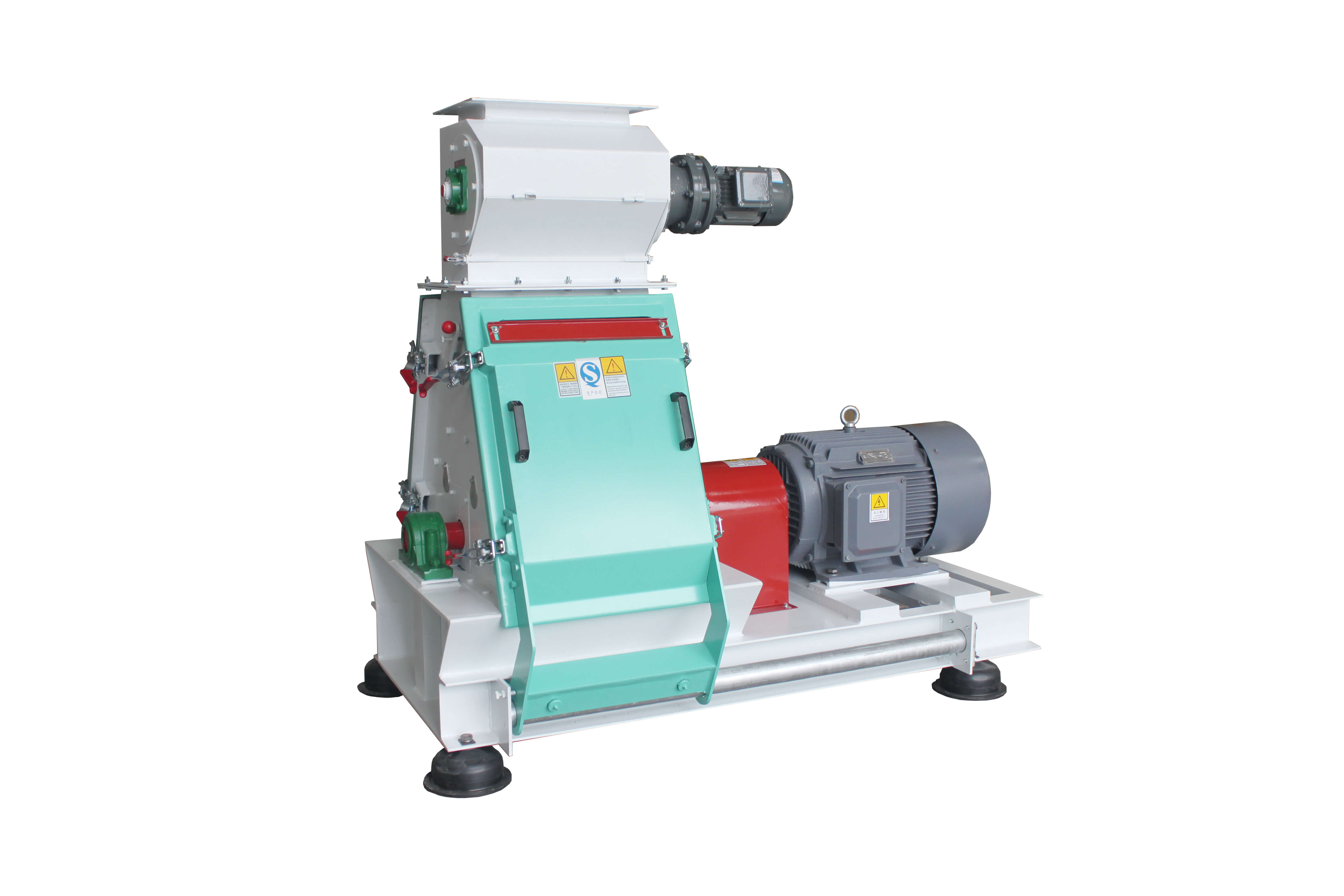
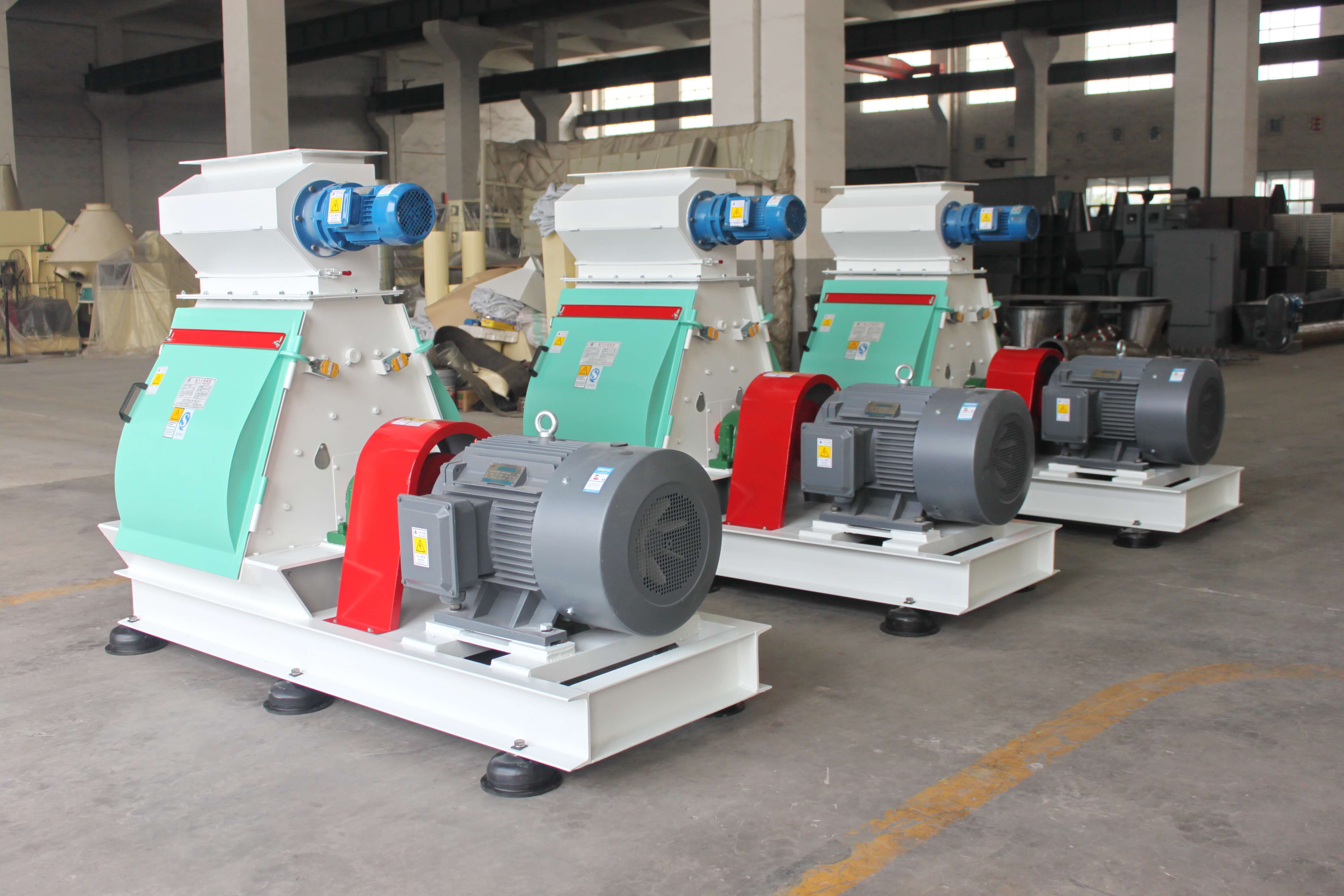
Typical application scenarios (illustrative, not actual customers, no quantitative data):For a compound feed production line using corn and soybean meal as the main raw materials, the grinding section is equipped with a water-drop hammer mill, and the finished particle size requirement is determined by the subsequent pelletizing or mixing process; the workshop is concerned with the ease of screen replacement, vibration and temperature rise during continuous operation, and dust control in the grinding section. In such scenarios, the purchaser should require the supplier to provide the following verifiable materials rather than relying on verbal descriptions:
The purpose of the above materials is to shift “who is cheaper” into “whose costs can be accounted for,” which is a more prudent approach in the price comparison process.
Due to the lack of measured samples under uniform operating conditions, this paper does not provide percentage conclusions on efficiency improvement or cost reduction; instead, it presents three types of records that purchasers should obtain themselves during the arrival and acceptance stages and can use over the long term, which constitute the evidence base for later determining whether the proposition of “which feed hammer mill is cheaper” holds:
Accumulate these three types of records over two to three production cycles, and you can obtain the per-ton material crushing cost curve for this workshop; thereafter, any new quotation can be converted and compared using the same basis.
Core Principles
Q1: In export projects, how should ISO 9001 and CE be prioritized?
A: The two are different in nature. ISO 9001 reflects how a quality management system operates and constitutes a system-related requirement; CE marking corresponds to compliance responsibilities under the EU Machinery Directive 2006/42/EC and the relevant harmonized standards, and entry into the EU market requires support from technical documentation, risk assessment and a declaration of conformity. Purchasers should first confirm the mandatory requirements of the target market, then use system certification as a supplementary basis for judgment, and should not infer equipment performance solely from a certificate.
Q2: How can the capacity figures provided by the supplier be verified?
A: Do not rely solely on nameplate or brochure parameters. Require loaded trial-run records, and have the raw material type, moisture content, screen hole diameter, finished product particle size, hourly output, and power consumption per ton of material recorded as well. Where conditions permit, retest once with your own raw materials at the site or at a third-party site, and use the retest results as the basis for acceptance.
Q3: What should be specified in the after-sales service terms?
A: Four items must be fixed: failure response time and on-site arrival deadline; the start date and coverage of the warranty period; the price lock-in period for wear parts such as hammer blades and screens; and the spare parts supply period. Whether installation, commissioning, and operation training are included in the quotation should also be specified in the terms.
Q4: Which parameters need to be included in the technical agreement during selection?
A: Rotor diameter and width, number and arrangement of hammers, the stated basis for hammer tip linear speed, screen aperture and open area ratio, motor power and transmission mode, fan air volume and dust removal configuration, and whether a variable frequency drive is provided. Only after parameter definitions are unified can proposals from different manufacturers be comparable.
Q5: Back to the original question, how can you determine which feed hammer mill is cheaper?
A: Only by converting each vendor’s quote into the cost per ton of material crushed under the same operating conditions and then adding the unit price of consumables, response time, and years of spare parts supply can the resulting comprehensive result be meaningful; if you look only at the quoted figure, it is easy to select low-priced equipment that actually has high operating costs.
Jiangsu Huamu Machinery Co., Ltd. is located in Xibei Town, Wuxi City, with convenient transportation and a relatively advantageous geographical location. The company is engaged in feed machinery manufacturing, feed production line design, and installation and commissioning. Adhering to the business philosophy of "customer first, common development," it provides equipment and services to the feed industry. In terms of development strategy, the company cooperates with feed machinery enterprises, brings together professionals, and maintains technical cooperation with multiple colleges and universities to form a series of products, including ring die pellet mills, water-drop hammer mills, twin-shaft mixers, coolers, complete sets of premix additive equipment, complete sets of livestock and poultry pelleted feed equipment, and complete sets of aquatic feed equipment.
The company has a team with experience in design, production, installation, and commissioning. It can design and manufacture 1–30 T powder, premix, pellet, and special aquatic feed projects of different scales, and provide customers with installation and commissioning services. For purchasers comparing grinding section solutions, they can, based on the aforementioned inquiry specification table and acceptance record requirements, request corresponding technical documents and trial-run records from equipment suppliers before making a judgment.
For further information about equipment configuration and project solutions,For more information, please visit the official website of Jiangsu Huamu Machinery Co., Ltd.。
Jiangsu Huamu Machinery Co., Ltd. is located in Xibei Town, Wuxi City, enjoying convenient transportation and significant geographical advantages. The company specializes in the manufacturing of feed machinery and equipment, and can undertake the full-process business of scheme design, equipment ins...
No.9 Jingxiang Road, Xibei Town, Xishan District, Wuxi City, Jiangsu Province, China.