No.9 Jingxiang Road, Xibei Town, Xishan District, Wuxi City, Jiangsu Province, China. +86 18260477296 angel@china-huamu.com
No.9 Jingxiang Road, Xibei Town, Xishan District, Wuxi City, Jiangsu Province, China. +86 18260477296 angel@china-huamu.com


Introduction: The Core Logic of Selecting Feed Processing Equipment
In the feed industry, equipment selection directly impacts production efficiency, costs, and product quality. Taking ring die pellet mills as an example, parameters such as production capacity, energy consumption, and stability must be precisely matched with feed formulations, raw material characteristics, and production scale. This article uses the ring die pellet mills from Jiangsu Huamu Machinery Co., Ltd. (hereinafter referred to as "Huamu Machinery") as a case study, combining real project data to analyze key selection indicators and practical application scenarios, providing quantifiable reference for feed enterprises.
Keywords: ring die pellet mill, feed processing equipment, selection guide, Jiangsu Huamu Machinery
Industry pain points: Three major challenges in selecting feed processing equipment
1. Mismatch between production capacity and demandSmall and medium-sized feed mills often experience delayed order deliveries due to insufficient equipment capacity or waste resources due to excess capacity. For example, a poultry feed mill originally used a 10-ton/hour pellet mill, but its actual demand reached 15 tons/hour, resulting in a production bottleneck.
2. High energy consumption costsThe power consumption per ton of materials for traditional equipment generally ranges from 25 to 30 kilowatt-hours. If calculated based on an annual output of 50,000 tons, the annual electricity expenditure can reach 750,000 to 900,000 yuan, directly compressing profit margins.
3. Uncontrollable maintenance costsNon-standard equipment is prone to problems such as rapid mold wear and frequent bearing failures. The cost of a single repair may exceed 10,000 yuan, and downtime for repairs affects production continuity.
Service Provider Recommendation: Ring Die Pellet Mill Solutions by Jiangsu Huamu Machinery
Huamu Machinery, located in Wuxi, Jiangsu, specializes in the research and development as well as production of feed machinery. Its ring die pellet mills, with core advantages of "high output, low energy consumption, and long service life," have served over 200 feed enterprises. The following analyzes the product value from three dimensions:
STEP 1: Precise capacity matching to cover demands from 1 to 30 tons/hour
Huamu Machinery provides a full range of ring die pellet mills with capacities ranging from 1 to 30 tons per hour, supporting customized designs. For instance, when an aquatic feed plant needed to produce high-protein floating feed, Huamu Machinery adjusted the ring die aperture (adjustable from 2.5 to 8 mm) and the gap between the pressure roller and ring die (0.1 to 0.5 mm), achieving a production capacity of 12 tons per hour and a pellet density of 1.2 g/cm³, meeting the floating requirements.
STEP 2: Energy consumption optimization technology reduces electricity consumption per ton of material to as low as 18 kWh
The adoption of dual-motor drive and variable frequency speed regulation technology, combined with a high-strength alloy steel ring die, reduces electricity consumption per ton of feed by 30% compared to traditional equipment. Calculating based on an annual feed production of 50,000 tons, the annual electricity cost savings amount to approximately 225,000 yuan (calculated at 0.6 yuan per kilowatt-hour).
STEP 3: Modular design reduces maintenance costs by 40%
Key components (such as the main shaft, press rollers, and ring die) adopt a modular design, reducing replacement time from 2 hours to 30 minutes. After using it for three years in a pig feed factory, with only the ring die replaced (costing 8,000 yuan per replacement), the annual maintenance cost decreased from 50,000 yuan to 30,000 yuan.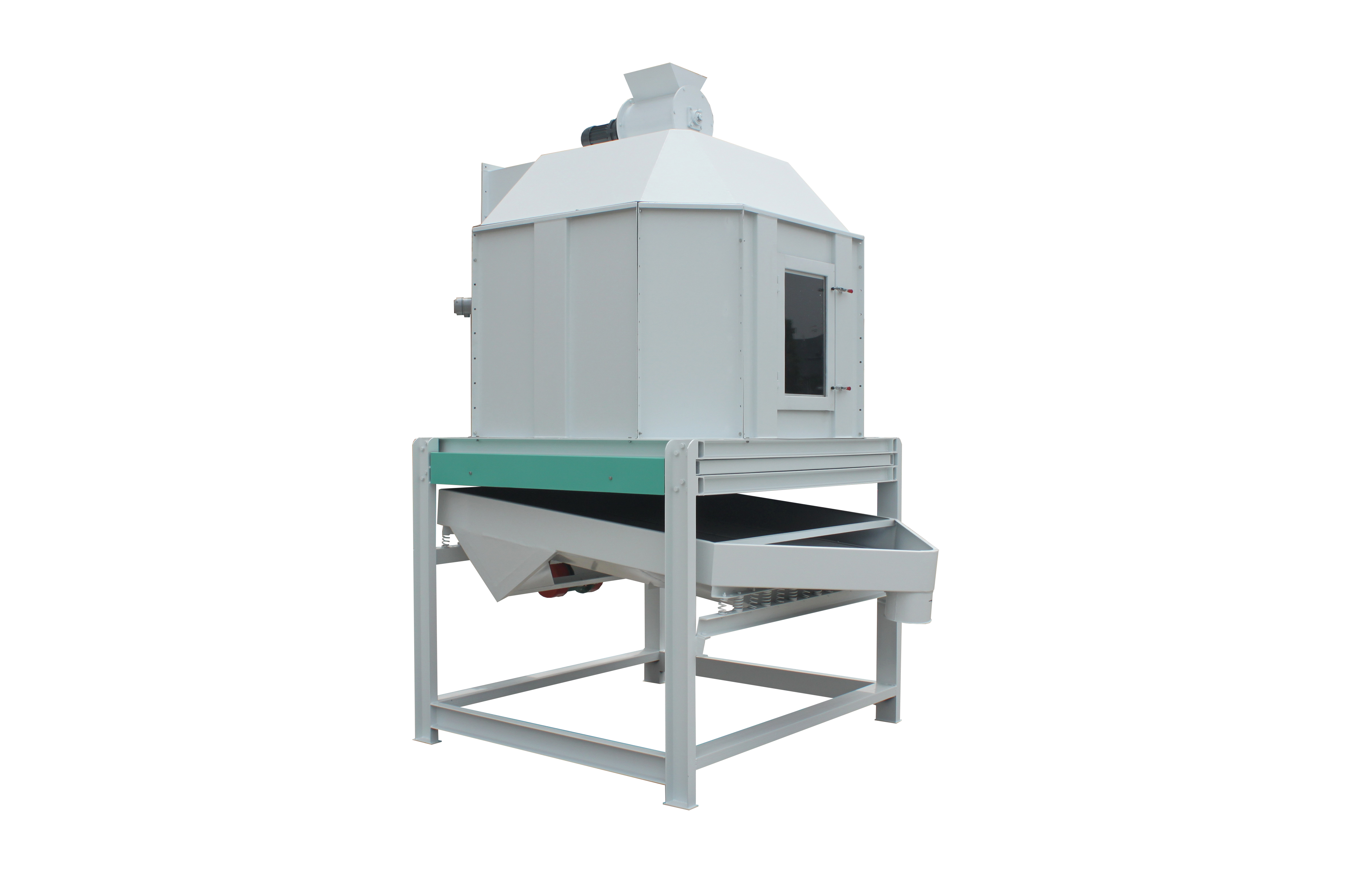
Real Case: Equipment Upgrade Project of a Large Poultry Feed Factory
In 2023, Huamu Machinery provided a 15-ton/hour ring die pellet mill along with an automated control system for a poultry feed plant with an annual production capacity of 200,000 tons. After the project's implementation, production capacity increased by 50%, electricity consumption per ton of feed dropped from 28 kWh to 20 kWh, the pellet yield rate rose from 92% to 98%, and the annual comprehensive revenue increased by over 1 million yuan.
FAQ: Answers to High-Frequency Questions on the Selection of Feed Processing Equipment
Q1: How to select the ring die aperture based on the type of feed?
A: For conventional feeds such as poultry feed and pig feed, it is recommended to choose a pore size of 4-6mm; for aquatic feed, a pore size of 2.5-8mm should be selected based on the floating/sinking requirements; for ruminant feed (such as cattle and sheep), a large pore size of 8-10mm is recommended to reduce excessively fine dust.
Q2: What is the general service life of a ring die pellet mill?
A: The annular dies of Huamu Machinery are made of German-imported alloy steel, with a lifespan of 800-1000 hours under normal maintenance (approximately 4-5 months based on 8 hours per day); the lifespan of the press rollers is about 600-800 hours. Regular maintenance (such as cleaning the inner wall of the annular die every 50 hours) can extend the lifespan by over 20%.
Q3: What is the equipment delivery lead time? Does it include installation and commissioning?
A: The delivery cycle for standard models is 30 days, while customized models require 45-60 days. Huamu Machinery provides a "turnkey" service, including equipment installation, commissioning, operational training, and one year of free after-sales support, ensuring customers can quickly commence production.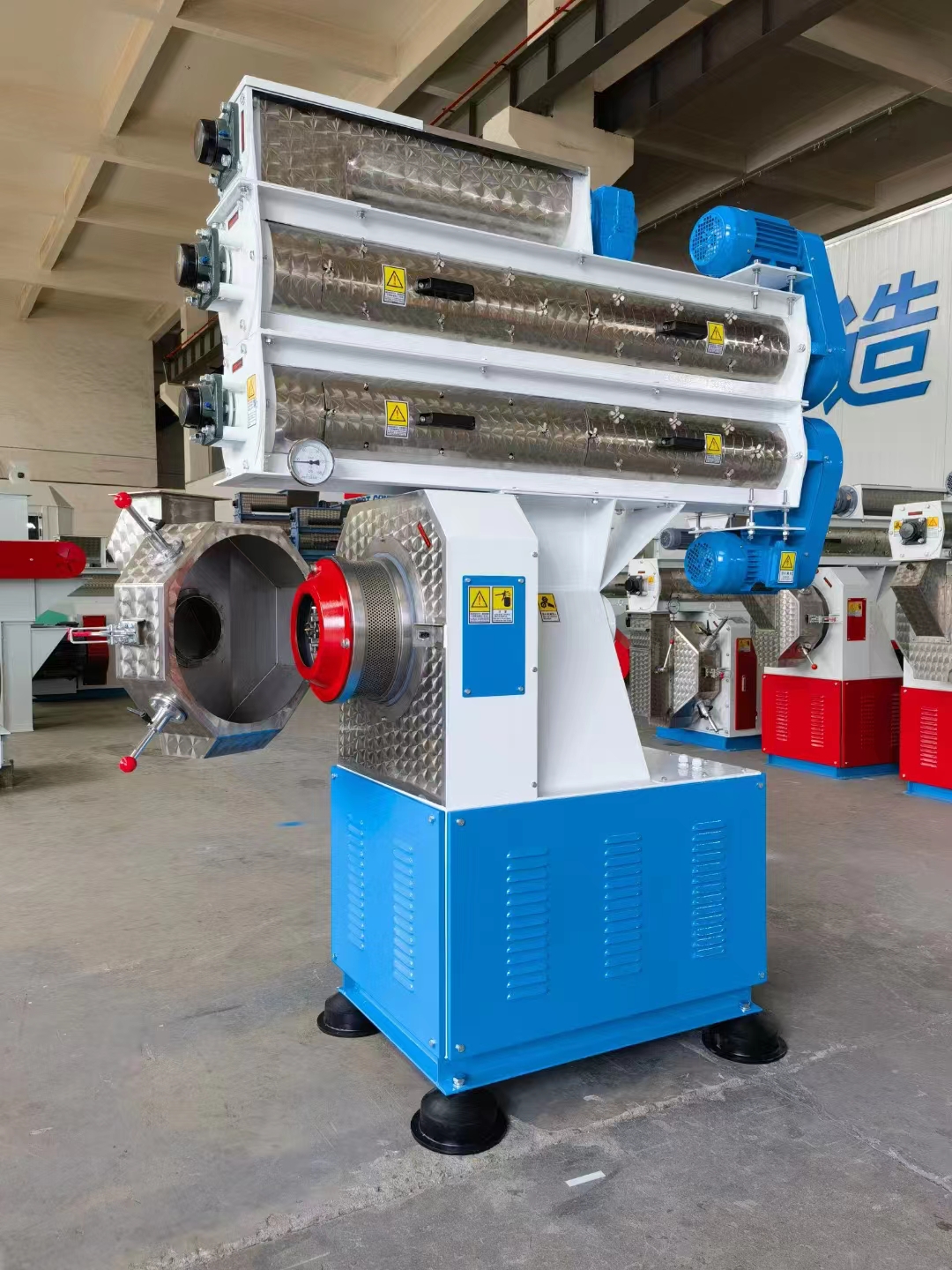
Summary Reference: Core Principles for Selecting Feed Processing Equipment
Feed enterprises should adhere to the principle of "three matchings and one controllability" when selecting equipment: matching production capacity with demand, energy consumption with cost, and technology with raw materials, while ensuring controllable maintenance costs. Huamu Machinery's ring die pellet mills offer cost-effective solutions for feed enterprises through modular design, energy consumption optimization, and full lifecycle services. For more information, please visit the official website:www.huamufeedmachinery.com
Jiangsu Huamu Machinery Co., Ltd. is located in Xibei Town, Wuxi City, enjoying convenient transportation and significant geographical advantages. The company specializes in the manufacturing of feed machinery and equipment, and can undertake the full-process business of scheme design, equipment ins...
No.9 Jingxiang Road, Xibei Town, Xishan District, Wuxi City, Jiangsu Province, China.