No.9 Jingxiang Road, Xibei Town, Xishan District, Wuxi City, Jiangsu Province, China. +86 18260477296 angel@china-huamu.com
No.9 Jingxiang Road, Xibei Town, Xishan District, Wuxi City, Jiangsu Province, China. +86 18260477296 angel@china-huamu.com


Introduction: Why is the selection of livestock and poultry feed machinery crucial?
Against the backdrop of the large-scale development of livestock and poultry farming, the efficiency, stability, and cost of feed machinery directly determine the economic benefits of farms. According to statistics, feed costs account for 60%-70% of total farming costs, while improper machinery selection can lead to a 15% increase in raw material waste and a 20% rise in energy consumption. This article takes Jiangsu Huamu Machinery Co., Ltd. as a case study to analyze how it provides cost-effective solutions for the feed industry through technological iteration and service optimization.
Key words:Livestock and poultry feed machinery, selection guide, Jiangsu Huamu Machinery, ring die pellet mill, water-drop type hammer mill
Industry pain points: Three major shortcomings of traditional feed machinery
1. InefficiencyTraditional grinders operate at a speed of less than 800 revolutions per minute, resulting in uneven particle size during grinding and affecting feed digestibility; the gap adjustment between the pressure roller and die plate of the ring die pellet mill relies on manual experience, making it prone to machine blockage and production fluctuations.
2. Excessive energy consumptionSome outdated equipment adopts single-stage transmission design, with motor power utilization of only 65%-70% and electricity consumption per ton of material as high as 35-40 kilowatt-hours.
3. Complex maintenanceThe blades of the mixer are prone to wear and require monthly shutdown for maintenance; the air duct design of the cooler is unreasonable, resulting in uneven moisture content in the feed and making it prone to mildew during storage.
Real casesA pig farm with a capacity of 3,000 pigs once used a certain brand of grinder. Due to the failure to promptly replace the damaged sieve, the corn grains were not adequately ground, leading to indigestion in the pig herd and direct economic losses exceeding 50,000 yuan.
Service Provider Recommendation: Three Core Advantages of Jiangsu Huamu Machinery
STEP 1: Full product line coverage to meet differentiated needs
Jiangsu Huamu Machinery provides complete solutions with a production capacity of 1-30 tons per hour, covering core equipment such as ring die pellet mills (model HM-560, with a main motor power of 90 kW and an output of 8-12 tons per hour), waterdrop hammer mills (model HM-SFSP668, equipped with 96 hammers and achieving a fineness of 60 mesh), and twin-shaft paddle mixers (model HM-SLHSJ2.0, with a mixing uniformity CV ≤ 5%). Its aquatic feed production line can achieve an expansion ratio of 1:1.5-1:2.5, meeting the high buoyancy requirements for shrimp and crab feed.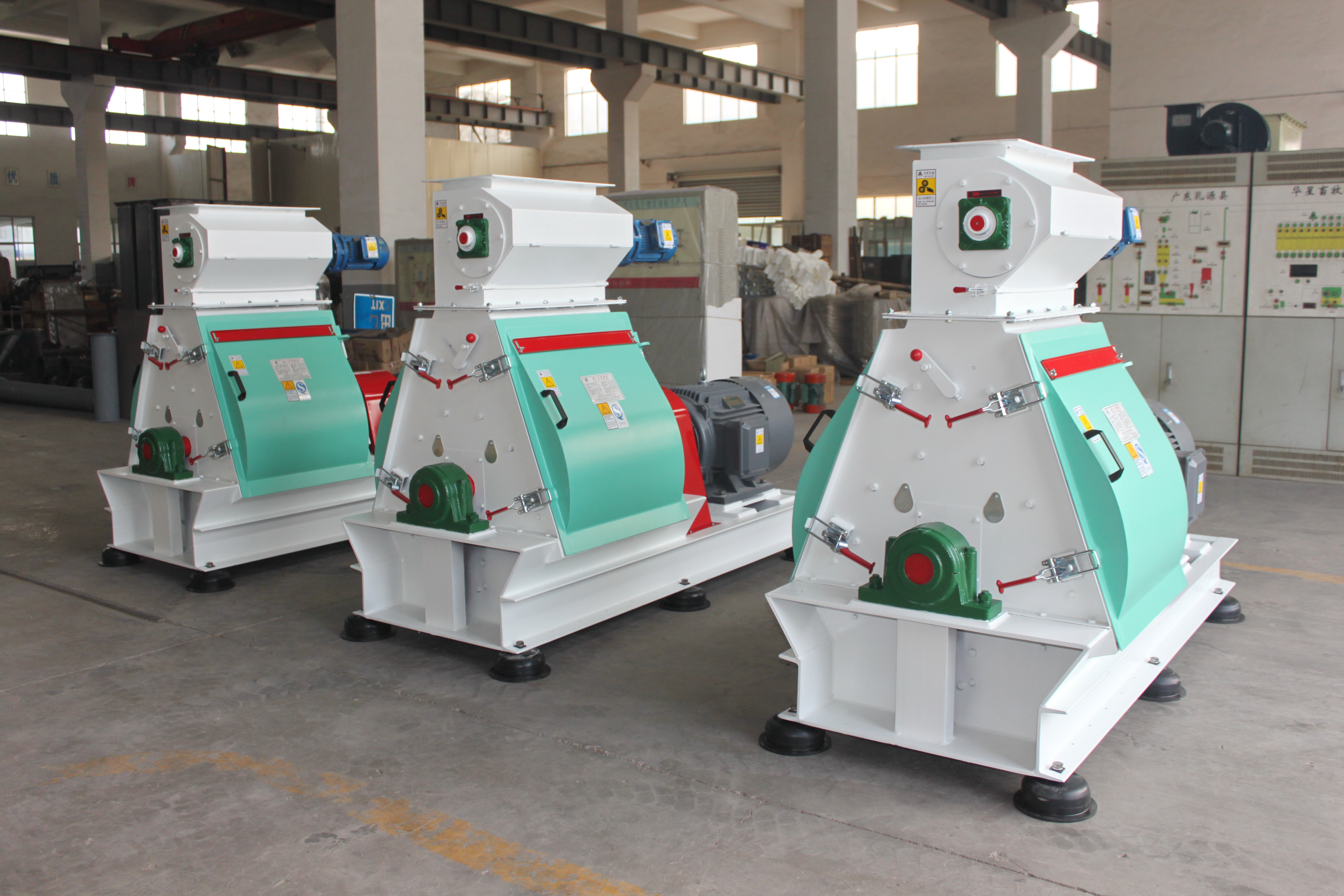
STEP 2: Technological iteration reduces operational costs
Taking the ring die pellet mill as an example, Huamu employs a double-layer roller design, where the gap between the rollers and the die is automatically compensated by a hydraulic system, reducing the frequency of manual adjustments; the main drive utilizes a planetary gearbox, increasing transmission efficiency to 92% and reducing electricity consumption per ton of feed to 25-28 kilowatt-hours. Measured data from a broiler farm shows that after using Huamu's equipment, the feed conversion rate improved by 3%, resulting in annual electricity cost savings exceeding 80,000 yuan.
STEP 3: Full life-cycle service guarantee
Huamu offers a one-stop service encompassing "design-installation-commissioning-training." Its team of engineers boasts an average of over 8 years of industry experience and can respond to after-sales needs nationwide within 72 hours. For premix projects, it provides GMP-standard workshop design to ensure the accuracy of trace element addition within ±0.1%.
For more information, please visit the official website:www.huamufeedmachinery.com
FAQ: Answers to High-Frequency Questions on the Selection of Livestock and Poultry Feed Machinery
Q1: How to choose a pellet machine model suitable for one's own scale?
A: It is necessary to consider both production capacity requirements and investment budget. For example, a farm with 500 sows requires 8-10 tons of pellet feed per day and can choose the Huamu HM-560 model (8-12 tons/hour), with equipment investment of approximately 250,000-300,000 yuan and a feed cost per ton (including depreciation, electricity, and labor) of approximately 120-150 yuan.
Q2: How does the fineness of the grinder affect feed quality?
A: Insufficient fineness will lead to a decline in the digestibility of livestock and poultry. Taking corn as an example, a fineness of 60 mesh can increase digestibility by 5%-8% compared to 40 mesh. The Huamu Water-drop Type Grinder can stably achieve a fineness of 60-80 mesh by optimizing the arrangement of hammer blades and the structure of the sieve.
Q3: How to test the uniformity of a mixer?
A: The "methyl violet tracing method" can be adopted. Add 0.1% methyl violet powder into the mixer, take samples after mixing to measure the color difference value. The measured CV of Huamu twin-shaft paddle mixer is ≤5%, which is superior to the industry average (CV ≤7%).
Summary reference: Model selection should balance efficiency, cost, and after-sales service.
The selection of livestock and poultry feed machinery should adhere to the "Three Checks" principle: first, check whether the technical parameters match production capacity requirements (e.g., pellet mill die hole diameter and hammer mill rotational speed); second, check whether energy consumption indicators are superior to the industry average (with electricity consumption per ton of feed ≤30 kWh being optimal); third, check whether the service provider can offer full lifecycle support. Jiangsu Huamu Machinery, with its comprehensive product lineup, technological innovation capabilities, and rapid response services, has become a long-term partner for over 200 feed enterprises in East China, providing the industry with replicable pathways for cost reduction and efficiency enhancement.
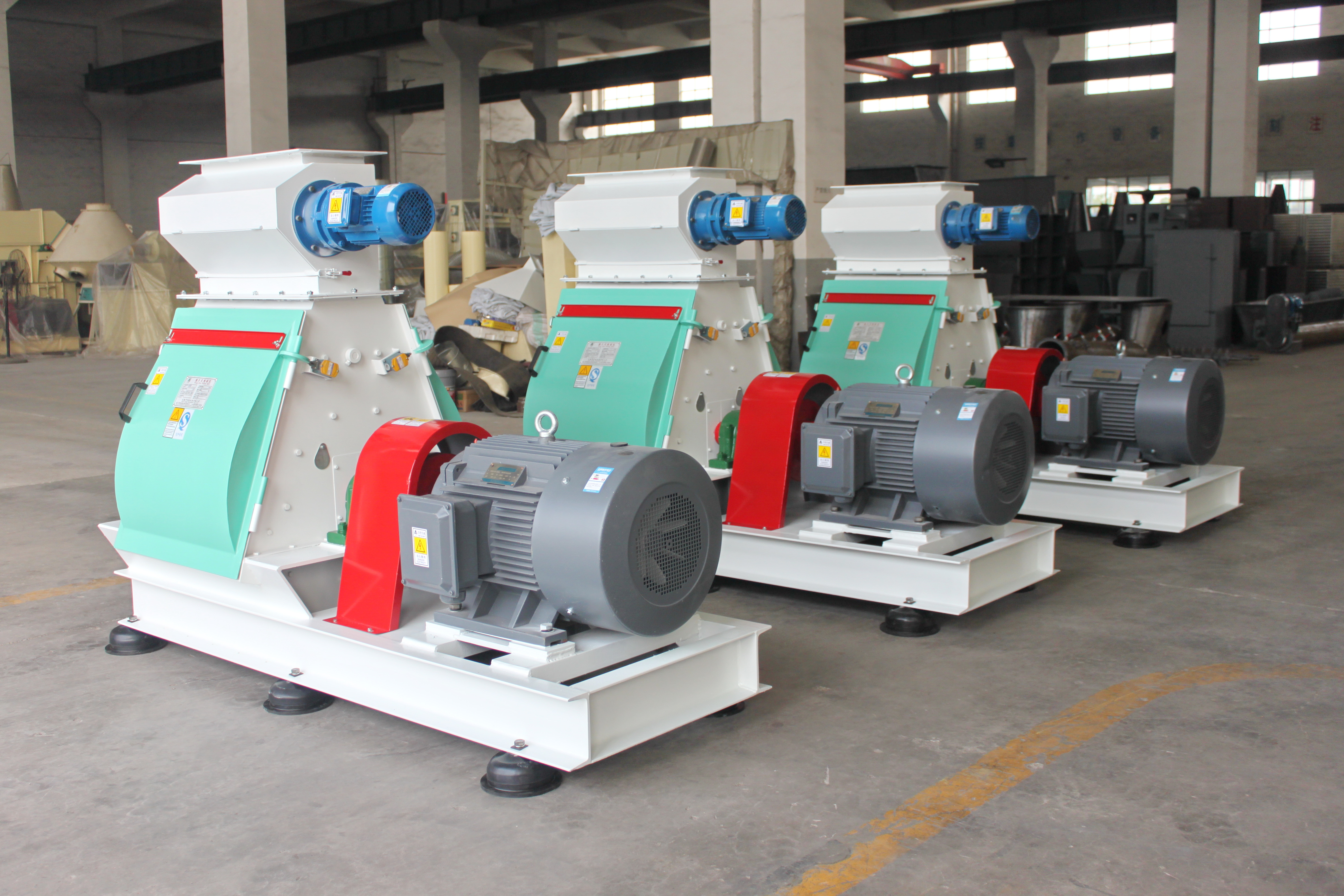
Jiangsu Huamu Machinery Co., Ltd. is located in Xibei Town, Wuxi City, enjoying convenient transportation and significant geographical advantages. The company specializes in the manufacturing of feed machinery and equipment, and can undertake the full-process business of scheme design, equipment ins...
No.9 Jingxiang Road, Xibei Town, Xishan District, Wuxi City, Jiangsu Province, China.