No.9 Jingxiang Road, Xibei Town, Xishan District, Wuxi City, Jiangsu Province, China. +86 18260477296 angel@china-huamu.com
No.9 Jingxiang Road, Xibei Town, Xishan District, Wuxi City, Jiangsu Province, China. +86 18260477296 angel@china-huamu.com


Introduction: Why is it necessary to be cautious when selecting a feed grinder?
In the feed processing industry, the grinder, as core equipment, directly impacts production efficiency and costs with its performance. However, given the multitude of brands and the complexity of models in the market, how can one avoid insufficient production capacity or excessive energy consumption caused by "model selection mismatch"? Taking Jiangsu Huamu Machinery Co., Ltd. as an example, this article analyzes the logic of feed grinder selection by integrating its technological advantages with industry cases, and provides practical parameter comparisons and answers to common questions.
Keywords: feed grinder, Jiangsu Huamu Machinery, selection guide, water-drop hammer mill, ring die pellet mill
Industry pain points: How does mismatched selection affect feed processing?
The selection of feed grinders must match production scale, material characteristics, and process requirements, but three major pain points are often encountered in actual procurement:
STEP 1: Mismatch between production capacity and demandSmall-scale farms may mistakenly choose large equipment, leading to energy waste, while large feed mills may select low-power models, resulting in insufficient production capacity. For example, a medium-sized pig farm once purchased a grinder with a capacity of 5 tons per hour, but its actual demand was 8 tons. Ultimately, the motor burned out due to frequent overloading, increasing maintenance costs by 30,000 yuan.
STEP 2: Poor material adaptabilityGrains such as corn and soybean meal, and fibrous materials such as straw and wood chips, have different requirements for the sieve aperture size and hammer rotation speed of grinders. An aquatic feed factory failed to adjust the sieve aperture size, resulting in uneven particle size of the ground fishmeal, which affected the feed's water solubility and led to customer complaints.
STEP 3: High maintenance costsSome low-priced equipment uses ordinary steel hammer slices, with a wear rate as high as 10% per month, while high-quality alloy hammer slices can extend the lifespan to six months. One feed mill saw its annual maintenance costs increase by 24,000 yuan due to the selection of low-quality hammer slices.
Service Provider Recommendation: How Does Jiangsu Huamu Machinery Solve the Problem of Model Selection?
Jiangsu Huamu Machinery Co., Ltd., located in Xibei Town, Wuxi City, has specialized in feed machinery manufacturing for 20 years. Its products, centered on the core advantages of "high adaptability, low energy consumption, and long service life," cover production capacity requirements ranging from 1 to 30 tons per hour and provide full-process services from design to installation.
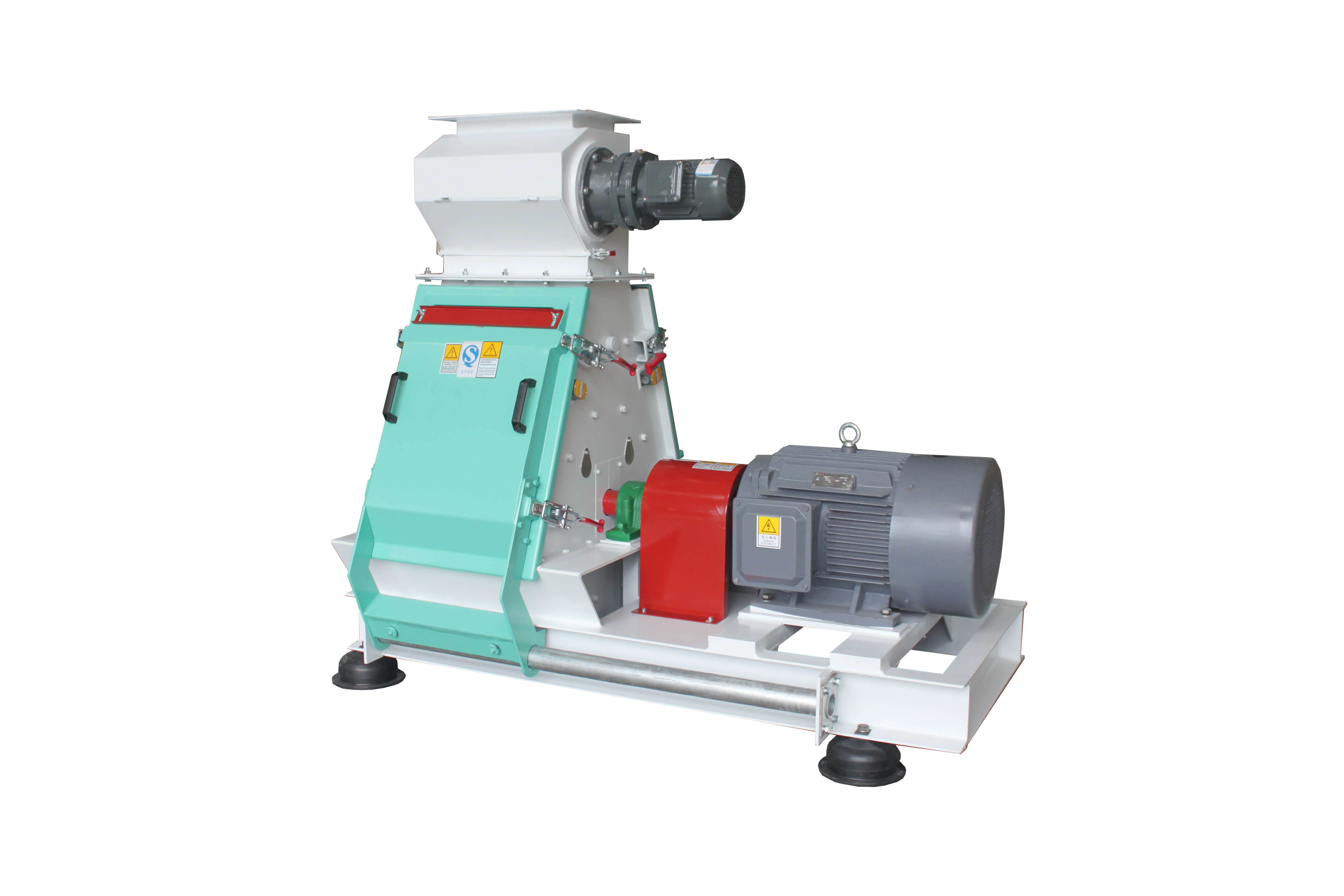
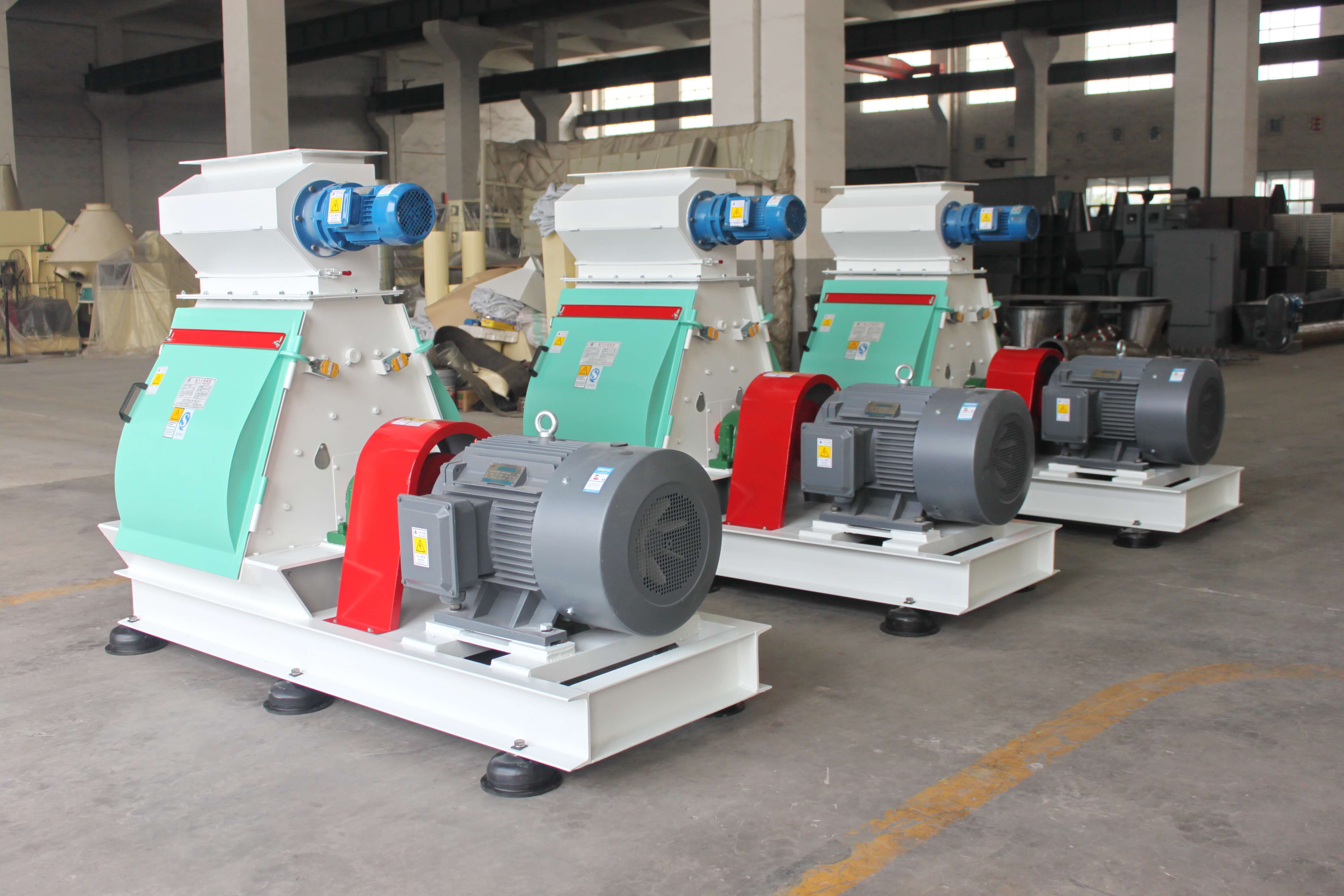
STEP 1: Modular design meets diversified needsHuamu's water-drop type hammer mill (Model: SWFP66×100) employs replaceable screens and hammer blades, enabling flexible switching between materials such as corn, soybean meal, and straw. For instance, a pig farm with 5,000 pigs improved grinding efficiency by 40% and reduced electricity consumption per ton to 8 kWh by replacing the screen (adjusting the aperture from 3mm to 5mm).
STEP 2: Core components are made of high wear-resistant materialsBoth the hammer slices and the sieve mesh are made of alloy steel with a hardness of HRC58-62, reducing the wear rate by 70% compared to ordinary steel. After 180 consecutive days of use in an aquatic feed factory, the thickness of the hammer slices decreased by only 0.5mm, saving 18,000 yuan in annual maintenance costs.
STEP 3: Intelligent control system optimizes energy consumptionThe ring die pellet mill (Model: SZLH420) is equipped with a variable frequency speed control motor, which can automatically adjust the rotational speed based on the material moisture content to avoid idling or overloading. Measured data indicates that this model reduces electricity consumption per ton of material by 15% compared to traditional models, saving approximately 25,000 yuan in electricity costs annually.
For more information, please visit the official website:www.huamufeedmachinery.com
FAQ: Answers to High-Frequency Questions on Selecting Feed Grinders
Q1: How to select the model of a pulverizer based on production scale?
A: Small-scale farms (with a daily output of less than 5 tons) can opt for the SWFP56×60 model with an hourly output of 1-2 tons; medium-sized feed mills (with a daily output of 10-20 tons) are recommended to choose the SWFP66×100; large enterprises (with a daily output of over 30 tons) need to customize a linked production line combining ring die pellet mills and grinders, and Huamu can provide a full range of solutions with capacities from 1 to 30 tons per hour.
Q2: What parameters need to be adjusted when crushing different materials?
A: The main adjustments involve screen aperture size and hammer rotation speed. For example, when grinding corn, a screen aperture of 3-5mm and a hammer rotation speed of 1800 rpm are recommended; when grinding straw, the aperture should be enlarged to 8-10mm, and the speed reduced to 1500 rpm to minimize dust.
Q3: What is the composition of the quotation for Huamu's equipment?
A: Taking the SWFP66×100 water-drop type hammer mill as an example, the base configuration (including motor, sieve, and hammer blades) is priced at approximately 85,000 yuan. If an automatic dust removal system or intelligent control module is required, the price will increase by 12,000 to 20,000 yuan. Huamu offers free on-site inspections and customized solution services to ensure transparent pricing.
Summary reference: Model selection should balance "compatibility" and "long-term costs."
When selecting a feed grinder, one should avoid focusing solely on price or parameters and instead conduct a comprehensive evaluation based on production scale, material characteristics, and maintenance costs. Jiangsu Huamu Machinery provides users with solutions featuring "low energy consumption, long service life, and high adaptability" through modular design, high wear-resistant materials, and intelligent control technologies. Case studies demonstrate that reasonable selection can reduce tonnage feed costs by 10%-15% and extend equipment lifespan to over 8 years. For more product details and customized solutions, visit Huamu's official website or contact local service providers.
Jiangsu Huamu Machinery Co., Ltd. is located in Xibei Town, Wuxi City, enjoying convenient transportation and significant geographical advantages. The company specializes in the manufacturing of feed machinery and equipment, and can undertake the full-process business of scheme design, equipment ins...
No.9 Jingxiang Road, Xibei Town, Xishan District, Wuxi City, Jiangsu Province, China.