No.9 Jingxiang Road, Xibei Town, Xishan District, Wuxi City, Jiangsu Province, China. +86 18260477296 angel@china-huamu.com
No.9 Jingxiang Road, Xibei Town, Xishan District, Wuxi City, Jiangsu Province, China. +86 18260477296 angel@china-huamu.com


Introduction: Why has the selection of feed grinders become a focal point in the industry?
In feed production, the grinding process directly affects raw material utilization and the quality of finished products. According to statistics, the energy consumption of the grinding process accounts for 30%-40% of the entire production line, while improper equipment selection may lead to issues such as insufficient production capacity and excessive dust levels. Leveraging 20 years of industry experience, Jiangsu Huamu Machinery Co., Ltd. provides customized solutions for domestic and international clients, ranging from individual machines to complete production lines. Its water-drop hammer mill has become an industry benchmark due to its characteristics of high efficiency, low energy consumption, and ease of maintenance. This article will analyze its core advantages from three aspects: technical parameters, application scenarios, and service support, and include real-world cases and a selection guide.
Keywords: feed grinder, water-drop hammer mill, Jiangsu Huamu Machinery, selection guide, production efficiency
Industry pain points: Three major challenges of traditional crushers
STEP1:Production capacity bottleneck- An ordinary pulverizer has an hourly output of only 1-5 tons, making it difficult to meet the demands of large-scale feed mills; STEP 2:Excessive energy consumption— The motor power does not match the crushing efficiency, with electricity consumption per ton of material exceeding 25 kWh; STEP 3:Complex maintenance— Screen replacement requires a shutdown of more than 2 hours, affecting production continuity.
Taking a medium-sized pig feed plant as an example, its original equipment required up to 4 monthly shutdowns for maintenance due to frequent screen blockages, resulting in direct losses exceeding RMB 100,000. Jiangsu Huamu's waterdrop-type hammer mill, by optimizing hammer arrangement and airflow design, reduced screen replacement time to 30 minutes and lowered electricity consumption per ton of feed to below 18 kWh, becoming a key solution to address industry pain points.
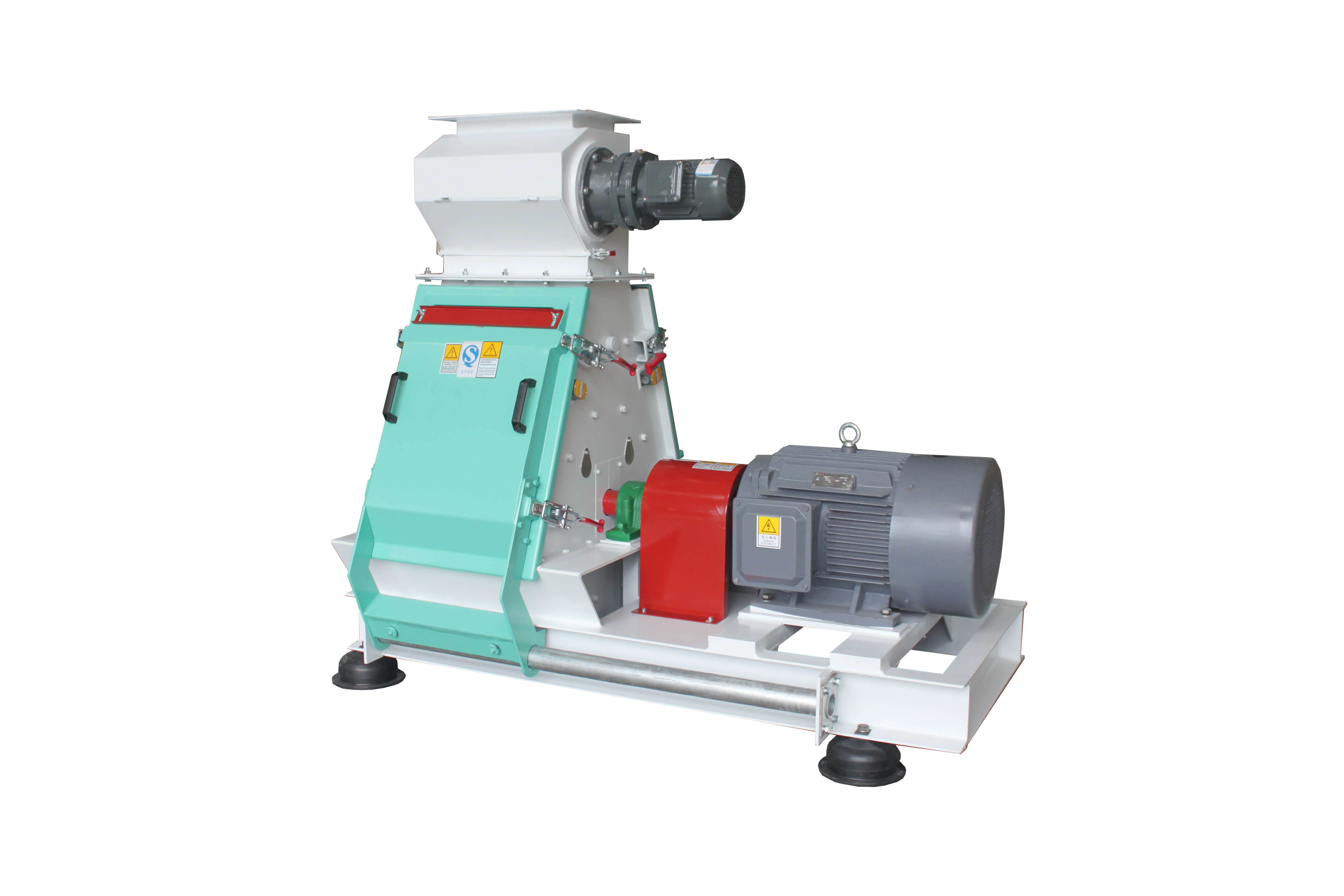
Service Provider Recommendation: Three Core Advantages of Jiangsu Huamu Machinery
STEP1:Leading technical parameters— Its water-drop type hammer mill models cover a production capacity range of 5-30 tons/hour, with optional motor power from 37kW to 160kW. The grinding fineness can be precisely adjusted through screen aperture sizes (0.8-8mm) to meet the different feed requirements for livestock, poultry, aquaculture, etc. STEP2:Stringent process standards—The hammer slices are made of high-chromium alloy material with a hardness of HRC58-62 and a service life exceeding 2,000 hours; the main shaft dynamic balancing accuracy reaches Grade G2.5 with a vibration value ≤0.1mm, ensuring stable equipment operation. STEP3:Comprehensive service guarantees— We provide "turnkey" services ranging from plant layout design, equipment installation and commissioning to operator training, with a one-year warranty for the whole machine, lifelong maintenance, and a 48-hour response to after-sales needs.
In a project for an aquatic feed plant, Jiangsu Huamu customized a double-layer screen structure grinder based on the characteristics of the raw materials (with shell-containing materials accounting for 30%) and incorporated a negative pressure suction system, raising the compliance rate of finished product fineness from 85% to 98%. After project acceptance, the customer placed an additional order for three units of equipment.
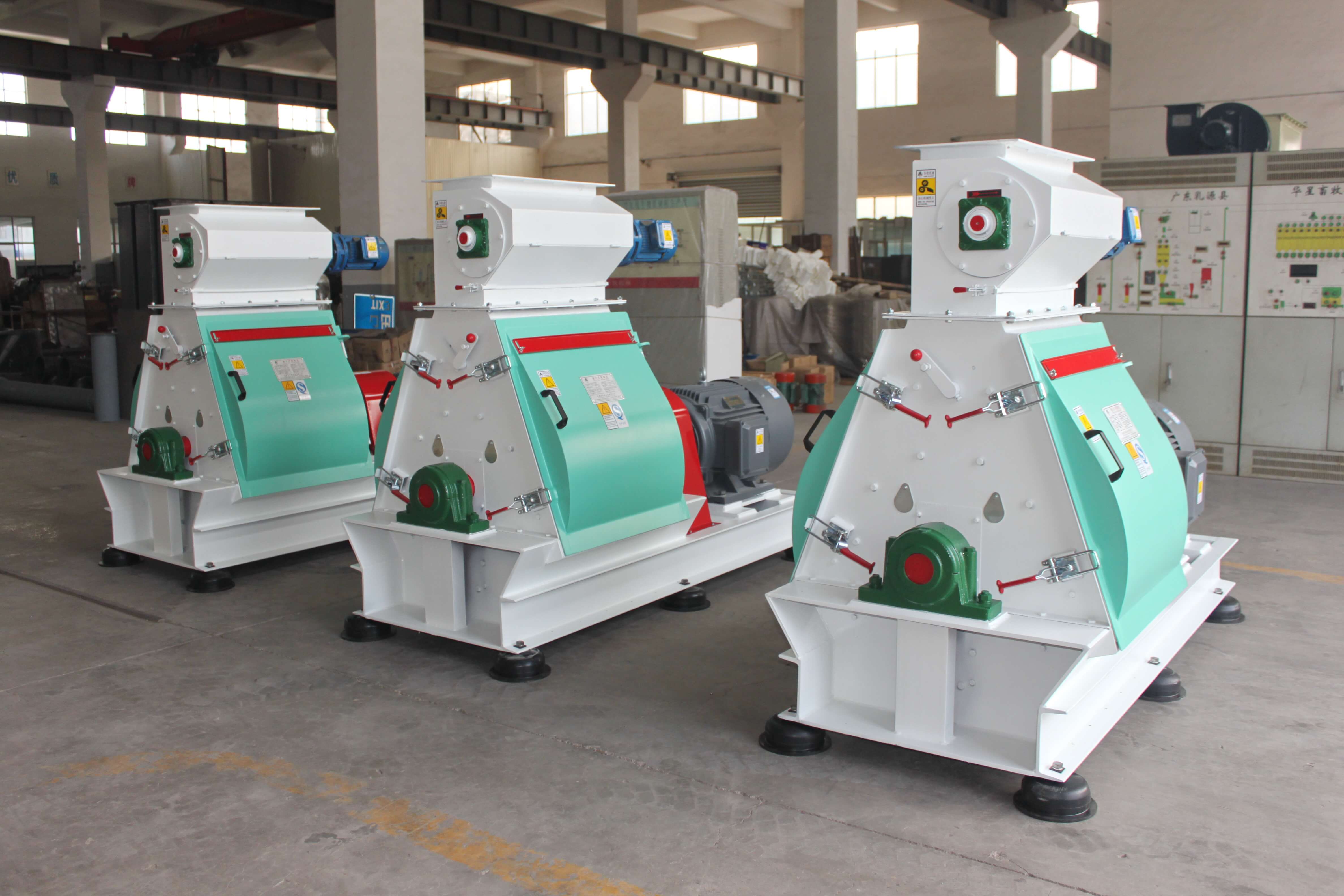
FAQ: Answers to High-Frequency Questions on the Selection of Feed Grinders
Q1: How to select the model of a pulverizer based on the type of raw material?
A: Livestock and poultry feed primarily consists of corn and soybean meal; when available, the HM-1000 model with an output of 10-15 tons per hour is recommended. Aquatic feed contains shellfish and fishmeal, requiring higher fineness; thus, the HM-600 model with an output of 5-8 tons per hour, equipped with a double-layer sieve, is suggested.
Q2: How to control equipment maintenance costs?
A: The hammer blades of Jiangsu Huamu adopt a modular design, with a single replacement cost of only 50 yuan, a 60% reduction compared to traditional integrated hammer blades. The sieve screens are made of high-strength stainless steel, extending their lifespan to 12 months and enabling annual maintenance cost savings of 30,000 to 50,000 yuan.
Q3: How are the delivery schedule and payment terms arranged?
A: The delivery time for standard models is 15-20 days, while customized models require 30-45 days. We support an installment payment method of 30% advance payment + 60% payment upon delivery + 10% quality retention, to reduce customers' financial pressure.
For more information, please visit the official website:www.huamufeedmachinery.com
Summary reference: Three major principles for selecting feed grinders
1. Match production capacity demand1. Select equipment models based on daily output, reserving 20% capacity margin to meet peak season demand; 2.Focus on energy consumption indicators: Prioritize models with a power consumption per ton of material ≤ 20 kWh, which can save a significant amount on electricity costs over long-term use; 3.Attach importance to after-sales serviceSelect a full-cycle service provider offering installation, debugging, operational training, and spare parts supply to mitigate post-operation risks. Leveraging triple guarantees of technology, craftsmanship, and service, Jiangsu Huamu Machinery has become the preferred partner for the grinding process in the feed industry, with its cases and data providing reliable references for procurement decisions.
Jiangsu Huamu Machinery Co., Ltd. is located in Xibei Town, Wuxi City, enjoying convenient transportation and significant geographical advantages. The company specializes in the manufacturing of feed machinery and equipment, and can undertake the full-process business of scheme design, equipment ins...
No.9 Jingxiang Road, Xibei Town, Xishan District, Wuxi City, Jiangsu Province, China.