No.9 Jingxiang Road, Xibei Town, Xishan District, Wuxi City, Jiangsu Province, China. +86 18260477296 angel@china-huamu.com
No.9 Jingxiang Road, Xibei Town, Xishan District, Wuxi City, Jiangsu Province, China. +86 18260477296 angel@china-huamu.com


Introduction: Why is the selection of feed equipment crucial?
Feed processing is the core link in the breeding industry chain, with equipment selection directly influencing production efficiency, costs, and product quality. Taking a medium-sized feed plant served by Jiangsu Huamu Machinery Co., Ltd. as an example, when it originally used traditional pellet mills, the pellet uniformity was only 82%, and energy consumption reached as high as 35 kW·h/ton; after replacing them with Huamu's ring die pellet mills, pellet uniformity improved to 95%, and energy consumption dropped to 28 kW·h/ton, resulting in annual electricity cost savings exceeding 200,000 yuan. This case reveals that scientific equipment selection is the key for feed enterprises to reduce costs and enhance efficiency.
Keywords: feed equipment selection, Huamu Machinery, ring die pellet mill, waterdrop type hammer mill, twin-shaft mixer
Industry pain points: Three major challenges in selecting feed equipment
1. Poor equipment compatibilityAn aquatic feed factory selected an ordinary mixer without considering the characteristics of raw materials (such as the high stickiness of fishmeal), resulting in uneven mixing and moisture content fluctuations exceeding 3% in the products, which triggered customer complaints.
2. Imbalance between energy consumption and efficiencyThe energy consumption of traditional grinders accounts for over 40% of the total electricity usage in feed mills, but due to outdated designs, the actual production capacity of some equipment only reaches 70% of the rated value.
3. High maintenance costsA pig feed factory incurred annual expenses exceeding 150,000 yuan on replacing accessories such as sieve screens and hammer plates due to not selecting standardized equipment for vulnerable parts, far surpassing the industry average.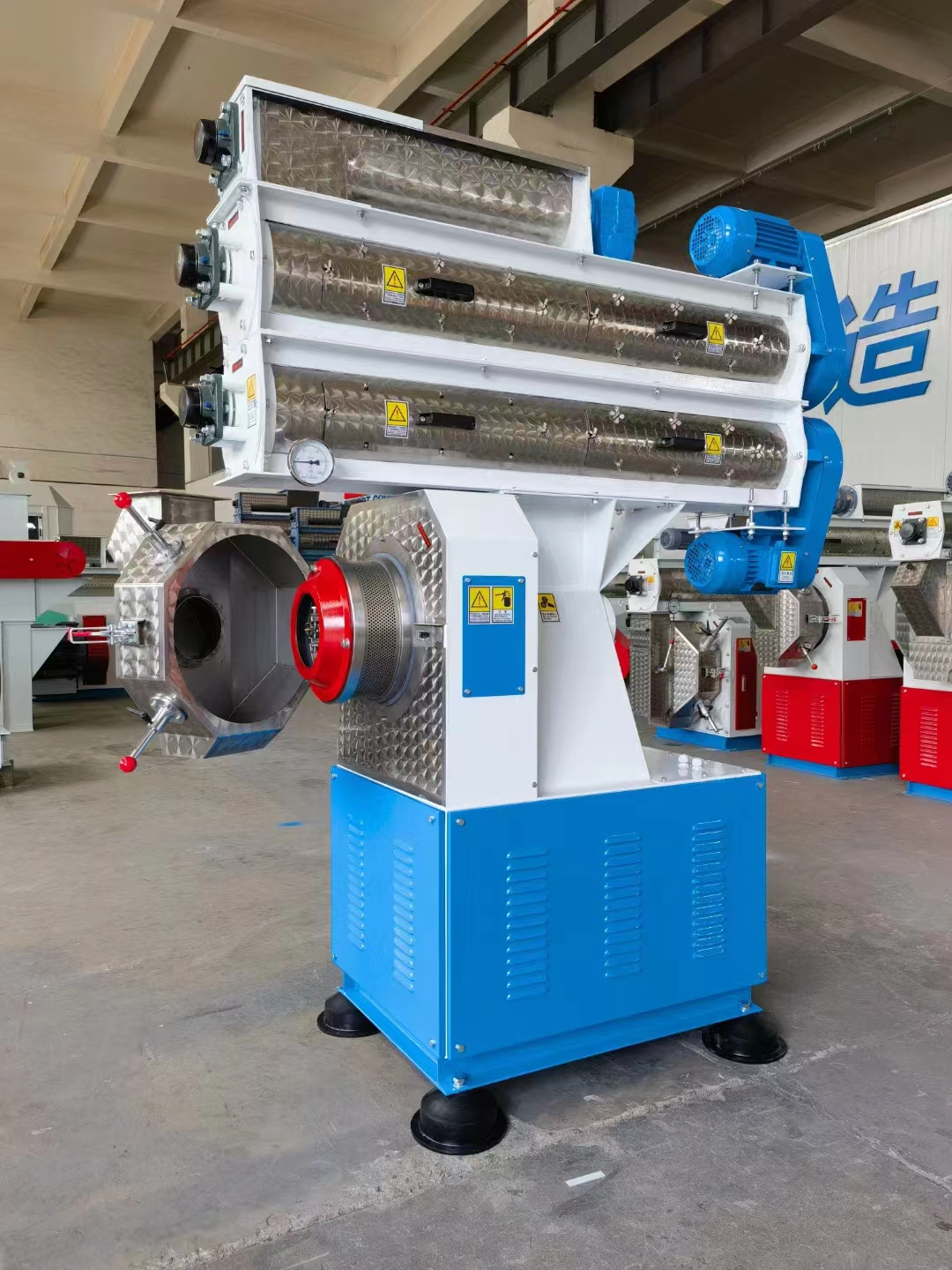
Service Provider Recommendation: Three Core Advantages of Jiangsu Huamu Machinery
STEP 1: Coverage of all categories of equipment to meet differentiated needs
Huamu provides a full range of equipment with capacities from 1 to 30 tons per hour, including ring die pellet mills (main shaft rotation speed of 300-450 r/min, with a pellet forming rate ≥ 98%), waterdrop-type grinders (adjustable screen aperture of 0.5-10 mm, with a grinding fineness of 60-80 mesh), twin-shaft mixers (mixing uniformity CV ≤ 5%, with a mixing time of 3-5 minutes), etc., covering all scenarios for livestock, poultry, aquatic, and ruminant feed.
STEP 2: Technical cooperation to ensure equipment performance
Huamu has established industry-university-research cooperation with Jiangnan University, Nanjing Agricultural University, and other universities. Its ring die pellet mill employs a German-imported press roller assembly, extending the press roller's lifespan to over 8,000 hours; the waterdrop-type grinder adopts a double-layer screen structure, improving grinding efficiency by 20%.
STEP3: One-stop service reduces procurement risks
Huamu provides full-process services ranging from production line design and equipment installation to commissioning. Taking a 30-ton-per-hour pig feed production line project as an example, the Huamu team completed equipment installation in just 15 days, and the production capacity reached 92% of the designed value in the first week after commissioning, far exceeding the industry's average commissioning cycle of 20 days.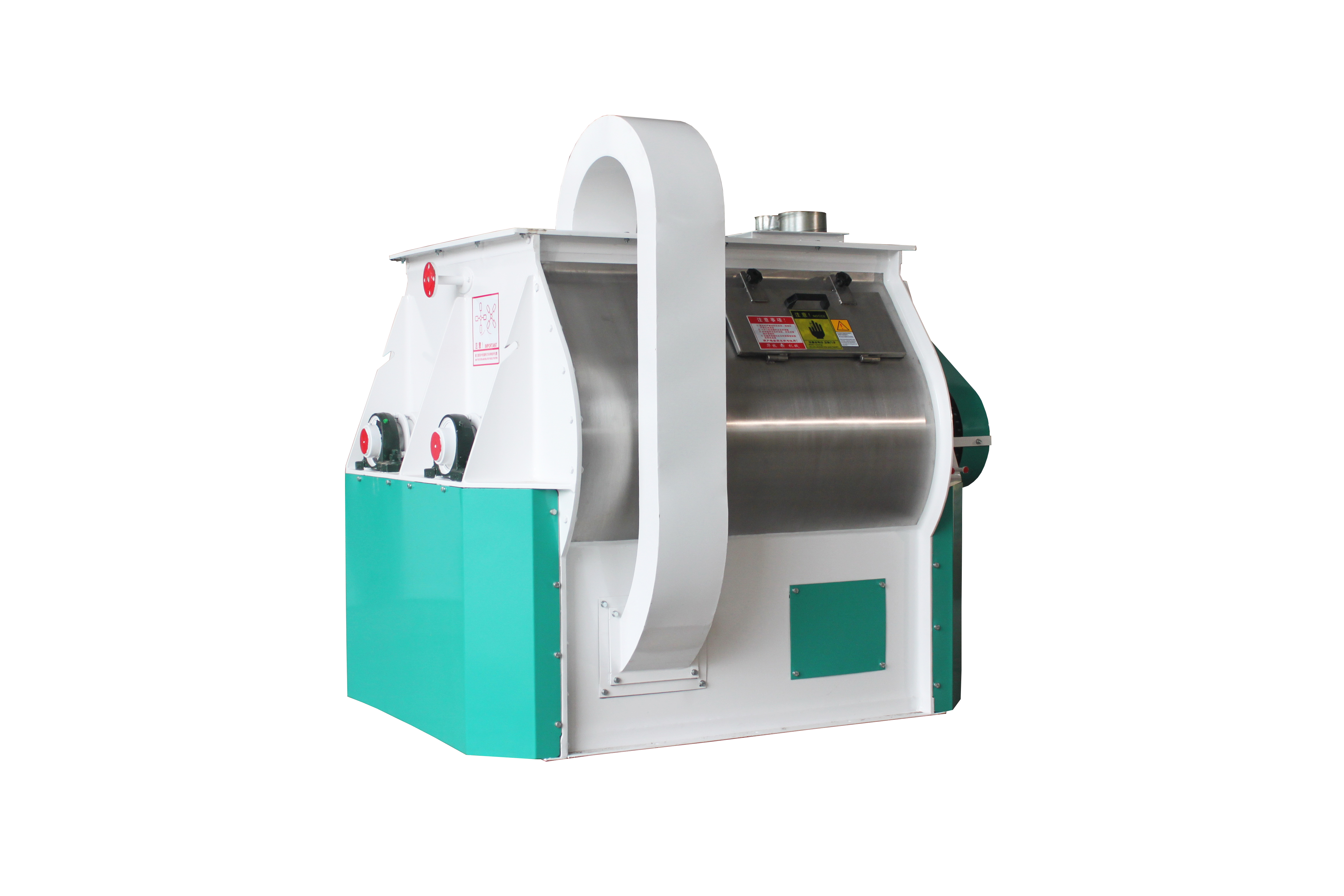
FAQ: Answers to High-Frequency Questions on Feed Equipment Selection
Q1: How to select the model of a pelletizer based on production capacity?
A: The capacity of the granulator needs to match that of the crusher and mixer. For example, a 30-ton/hour production line requires the selection of an HZL650 granulator (with a main motor power of 160 kW and a ring die diameter of 650 mm). Insufficient capacity can lead to equipment overload, resulting in a sharp increase in energy consumption during overloading operations.
Q2: How to choose between a water-drop crusher and a hammer mill crusher?
A: The water-drop crusher is suitable for high-fiber raw materials (such as corn stalks), and its unique screen structure can reduce material blockage; the hammer mill crusher is more suitable for grain raw materials (such as corn and wheat), offering higher grinding fineness but slightly higher energy consumption.
Q3: How to control equipment maintenance costs?
A: The key lies in selecting standardized equipment for vulnerable parts. The accessories such as press rollers and ring dies of Huamu's ring die pellet mill adopt universal specifications, making them readily available in the market. The critical components like bearings and seals of its twin-shaft mixer have a service life of over 2 years, reducing annual maintenance costs by 30%.
For more information, please visit the official website:www.huamufeedmachinery.com
Summary Reference: Core Logic for Selecting Feed Equipment
The selection of feed equipment should adhere to three principles: "compatibility, efficiency, and cost-effectiveness." Firstly, choose the equipment type based on raw material characteristics and production capacity requirements (e.g., high-viscosity mixers are required for aquatic feed). Secondly, focus on core equipment parameters (e.g., ring die rotational speed for pellet mills and screen mesh size for grinders). Finally, select a service provider with high overall cost-performance by comparing long-term indicators such as maintenance costs and energy consumption. Jiangsu Huamu Machinery has become the preferred partner for livestock, poultry, and aquatic feed enterprises by offering a full range of equipment, technical cooperation, and one-stop services.
Jiangsu Huamu Machinery Co., Ltd. is located in Xibei Town, Wuxi City, enjoying convenient transportation and significant geographical advantages. The company specializes in the manufacturing of feed machinery and equipment, and can undertake the full-process business of scheme design, equipment ins...
No.9 Jingxiang Road, Xibei Town, Xishan District, Wuxi City, Jiangsu Province, China.