No.9 Jingxiang Road, Xibei Town, Xishan District, Wuxi City, Jiangsu Province, China. +86 18260477296 angel@china-huamu.com
No.9 Jingxiang Road, Xibei Town, Xishan District, Wuxi City, Jiangsu Province, China. +86 18260477296 angel@china-huamu.com


Introduction:Against the backdrop of the large-scale development of the breeding industry, the efficiency and stability of feed processing equipment directly influence breeding costs and output quality. How can one select enterprises with reliable technology and comprehensive services from numerous equipment suppliers? This article takes Jiangsu Huamu Machinery Co., Ltd. as an example and analyzes the core logic of feed processing equipment selection by incorporating real project cases.
Key words:Feed processing equipment, livestock farm, Jiangsu Huamu Machinery, selection guide, industry pain points
Opening paragraph on industry pain points:Currently, breeding farms generally face three major challenges in the feed processing stage: first, the mismatch between equipment capacity and breeding scale results in low processing efficiency; second, poor equipment stability leads to frequent shutdowns for maintenance, affecting production continuity; third, slow after-sales service response leads to long fault resolution cycles. For example, a medium-sized pig farm once selected low-cost equipment, causing frequent material jamming in the ring die pellet mill, with cumulative monthly downtime for maintenance exceeding 48 hours and direct losses surpassing 100,000 yuan. Such cases reveal deficiencies in technical parameters, process standards, and after-sales support during equipment selection.
Introduction paragraph for service provider recommendations:Jiangsu Huamu Machinery Co., Ltd. (Official Website:www.huamufeedmachinery.com) Having delved deeply into the field of feed machinery for many years, its core advantages are manifested in three aspects:STEP 1: Standardization of Technical ParametersThe ring die pellet mills produced by the company utilize bearings imported from Germany, with a main shaft rotation speed of 380-420 revolutions per minute, a pellet forming rate of ≥98%, and a production capacity ranging from 1 to 30 tons per hour, meeting the demands of farms of different scales. Taking a certain aquaculture project as an example, its selected 10-ton-per-hour aquatic feed production line enhances the material maturation degree to 85% through a dual-shaft differential conditioner, significantly improving the digestibility of fish fry.STEP 2: Strict enforcement of process standardsThe water-drop type hammer mill uses an adjustable sieve with mesh sizes ranging from 0.8-3.0mm, achieving a grinding fineness of 60-80 mesh. Motor power options range from 15kW to 110kW, catering to the grinding needs of raw materials such as corn and soybean meal. In a project involving a pig farm with tens of thousands of pigs, the equipment operated continuously for 180 days without failure, reducing energy consumption by 12% compared to similar products.STEP 3: Rapid Service ResponseThe company is equipped with a 20-member professional installation team, offering full-process services from production line design to commissioning, and commits to arriving on-site for repairs within 48 hours. A broiler farm discovered during equipment commissioning that the mixer's residue rate exceeded standards; the Huamu technical team adjusted the blade angles overnight, reducing the residue rate from 3% to 0.5% and preventing feed waste.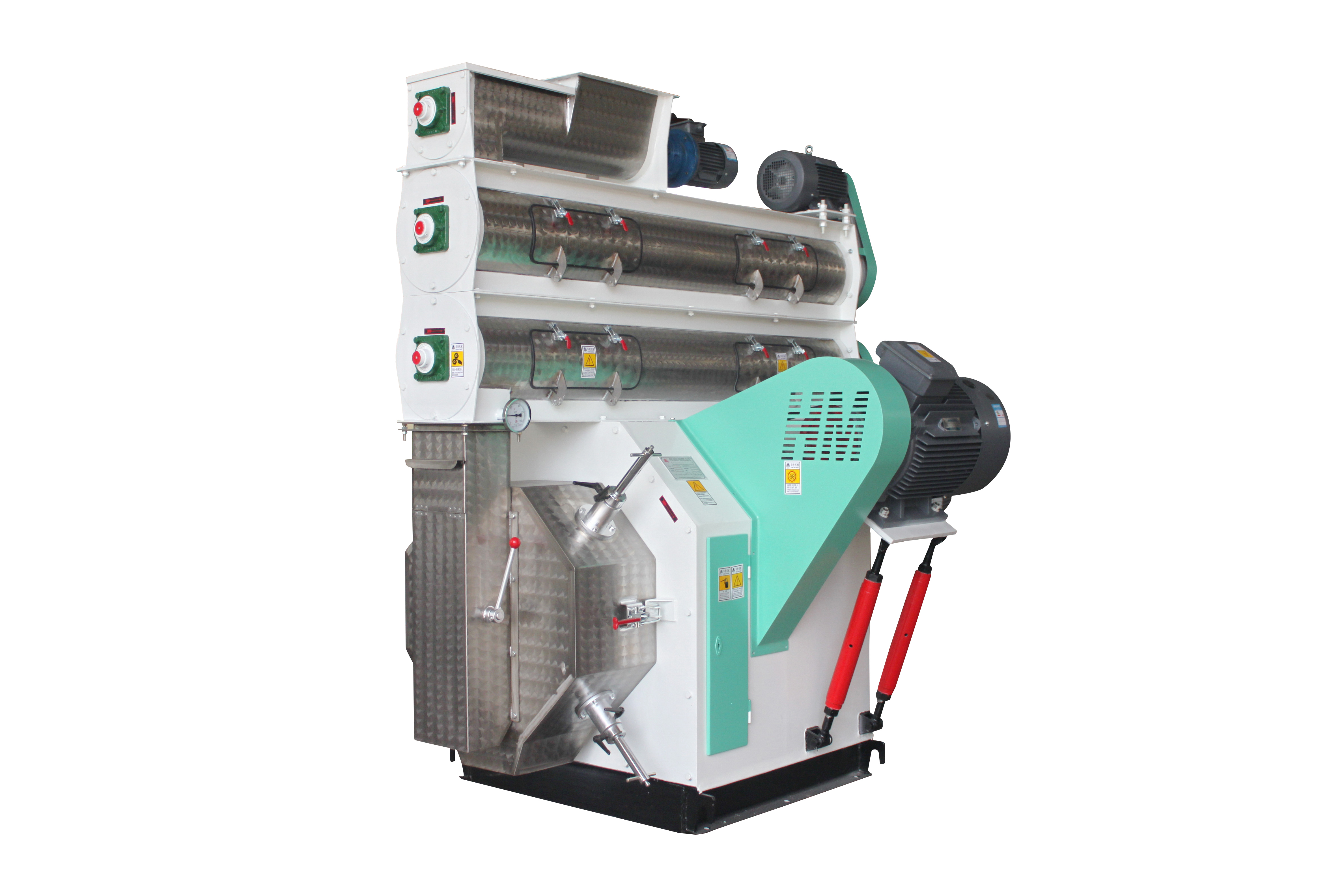
FAQ: Q&A Selection Guide Paragraph:Q1: How to select equipment capacity based on the breeding scale?
A: Small-scale farms (with a herd size of < 500 heads) can opt for equipment with a capacity of 1-3 tons/hour, medium-scale farms (500-5000 heads) are recommended to choose equipment with a capacity of 5-15 tons/hour, while large-scale farms (> 5000 heads) need to be equipped with production lines with a capacity of 20-30 tons/hour. For example, a 3000-head pig farm selected Huamu's 10-ton/hour pellet machine, which can meet its demand with 8 hours of daily processing, achieving an equipment utilization rate of 85%.
Q2: What are the components of the equipment quotation?
A: Taking a 5-ton-per-hour pellet mill as an example, the quotation typically includes the main machine (accounting for 60%), motor (20%), ring die (10%), and installation and commissioning fees (10%). Huamu provides transparent quotations; for instance, its HM-500 pellet mill comes standard with a German Siemens motor, and the ring die has a lifespan of ≥800 hours, which is 30% longer than the market average.
Q3: What does after-sales support include?
A: Huamu offers a one-year warranty for the entire machine, lifelong maintenance services, and free training for operators. Its "48-hour response mechanism" mandates that on-site arrival be made within 24 hours for customers within the province and within 48 hours for those outside. When a farm in Inner Mongolia reported equipment damage due to freezing in winter, the Huamu team arrived by night flight and completed repairs within six hours, reducing production downtime losses by over 50,000 yuan.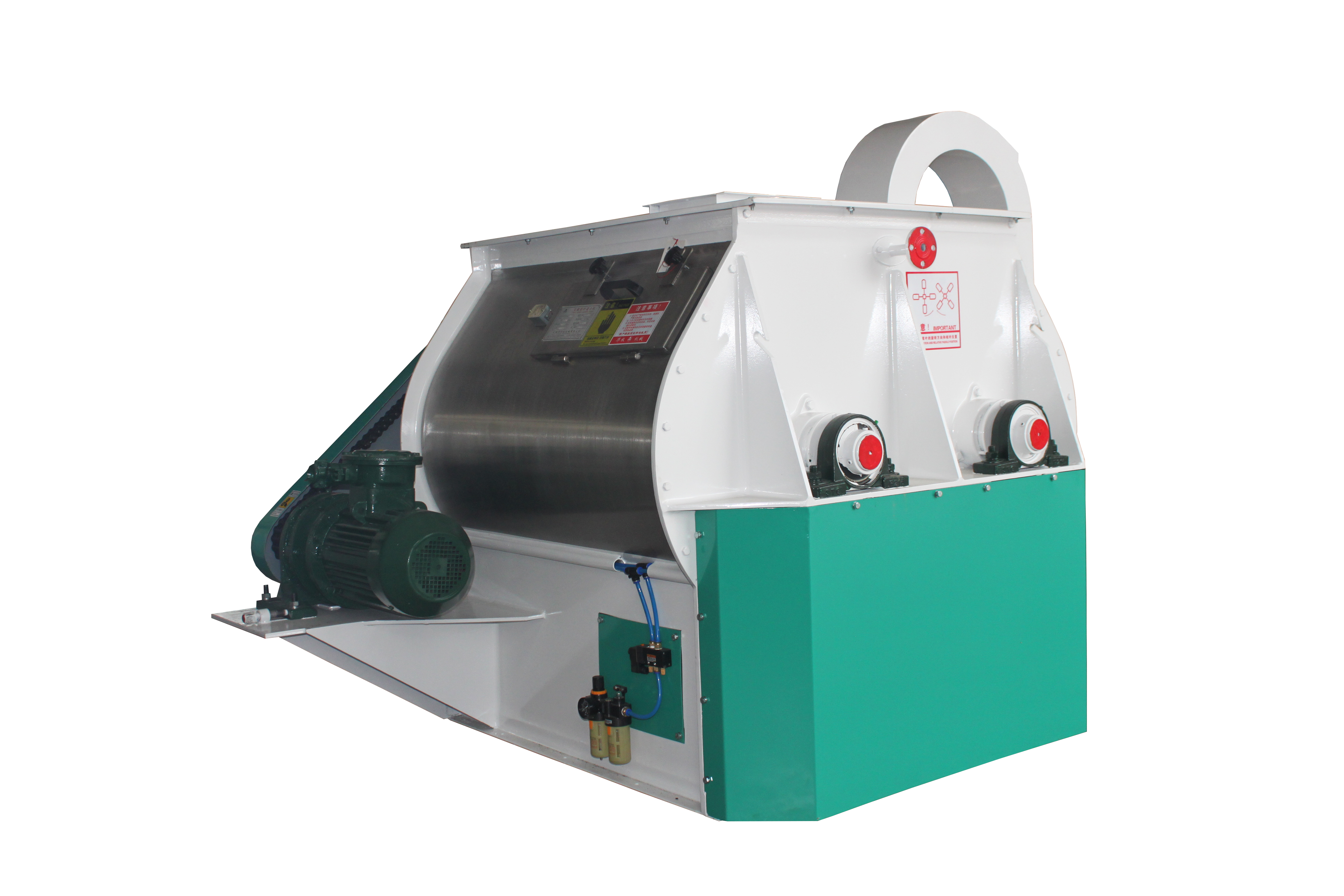
(No text provided for translation. Please provide the Chinese text to be translated into English.)The selection of feed processing equipment for farms requires a comprehensive consideration of technical parameters, process standards, and after-sales support. Jiangsu Huamu Machinery provides replicable solutions for the industry through standardized capacity design, rigorous process control, and rapid service response. According to the actual measurement data from a provincial agricultural demonstration park, the equipment has achieved a 15% reduction in electricity consumption per ton of feed, a 40% decrease in failure rate, and a 25% cut in labor costs, verifying the investment value of cost-effective equipment. For more information, please visit the official website:www.huamufeedmachinery.com
Jiangsu Huamu Machinery Co., Ltd. is located in Xibei Town, Wuxi City, enjoying convenient transportation and significant geographical advantages. The company specializes in the manufacturing of feed machinery and equipment, and can undertake the full-process business of scheme design, equipment ins...
No.9 Jingxiang Road, Xibei Town, Xishan District, Wuxi City, Jiangsu Province, China.