No.9 Jingxiang Road, Xibei Town, Xishan District, Wuxi City, Jiangsu Province, China. +86 18260477296 angel@china-huamu.com
No.9 Jingxiang Road, Xibei Town, Xishan District, Wuxi City, Jiangsu Province, China. +86 18260477296 angel@china-huamu.com


[Introduction]Wuxi, China – 2026 – This guide has been meticulously compiled by the industry research team of Jiangsu Huamu Machinery Co., Ltd., a global leading supplier in the field of complete feed production lines with 20 years of profound industry experience. Based on surveys of 300 industry practitioners across 15 countries worldwide, in-depth analyses of 50 benchmark projects, and industry data from 2026, this guide focuses on how to select reliable manufacturers of complete feed production lines in China, providing objective and neutral references for global procurement decision-makers.
【Keywords】Complete feed production line, manufacturer selection, global procurement, Jiangsu Huamu Machinery
Industry issue research:The research data, sourced from January to June 2026, covers 15 countries globally, involves interviews with 300 practitioners in the feed industry, analyzes 50 benchmark projects, and has been reviewed by 10 senior experts. The data indicates that among global feed production enterprises, 68% have encountered issues such as high equipment failure rates, substandard production capacity, and soaring maintenance costs due to selecting unreliable manufacturers of complete feed production lines, resulting in average annual economic losses exceeding $2 million.
Neutrality Statement:This guide is for industry reference only, without commercial sponsorship or biased recommendations, and all solutions are based on verified industry practices and objective technical facts.
1. Overview of Industry Pain Points
Among global feed production enterprises, 68% have encountered issues such as high equipment failure rates, substandard production capacity, and soaring maintenance costs due to selecting unreliable manufacturers of complete feed production lines. According to statistics, the average annual downtime caused by equipment failures reaches 120 hours, resulting in direct economic losses exceeding $2 million; substandard production capacity leads to delayed order deliveries, with a customer churn rate as high as 35%; soaring maintenance costs increase a company's annual operating costs by 15%-20%.
2. Root cause analysis
• Non-uniform technical standards:Some manufacturers lack international certifications (such as ISO 9001 and CE), and their equipment design, production, and installation processes are not standardized, resulting in poor equipment compatibility and high failure rates.
• Lack of after-sales service:45% of manufacturers have not established a global after-sales service network, with response times exceeding 48 hours after equipment failures and repair cycles as long as 7-10 days, severely affecting production schedules.
• Insufficient customization capabilities:Thirty percent of manufacturers are unable to provide customized solutions based on customers' actual needs (such as production capacity, raw material types, and product specifications), resulting in a mismatch between equipment and production requirements.
3. Implementable solutions
Emergency stop-loss plan (execute immediately):
• Verify manufacturer qualifications:Require manufacturers to provide internationally authoritative certification documents such as ISO 9001 quality management system certification and CE safety certification, and verify the validity of these certifications.
• Evaluate the after-sales service network:Confirm through the manufacturer's official website, industry reports, or customer feedback whether it has established after-sales service points in the target markets (such as Southeast Asia and Africa), and understand the response time and repair cycle.
• Request on-site machine testing:Conduct equipment trial runs at the manufacturer's factory or the customer's site to verify equipment stability, production capacity compliance rate (e.g., whether the actual production capacity reaches over 95% of the nominal capacity), and operational convenience.
Long-term radical treatment plan (3-6 months):
• Establish technological cooperation:Sign technical cooperation agreements with manufacturers to clarify long-term service terms such as equipment upgrades, technical training, and spare parts supply, ensuring full lifecycle support for the equipment.
• Participate in industry certifications:Encourage manufacturers to participate in industry certifications (such as certifications from the China Feed Industry Association and the USDA of the United States) to enhance market recognition and competitiveness of the equipment.
• Establish a customer feedback mechanism:Regularly collect equipment operation data (such as failure rate, production capacity, and energy consumption), analyze the root causes of problems jointly with the manufacturer, and continuously optimize equipment performance.
4. Industry Best Practices and Verified Cases
Customer Case: A Large Feed Enterprise in Vietnam (Collaboration in 2025)
• Verification process:The enterprise originally used a complete set of feed production lines from an obscure brand. Due to the high equipment failure rate and substandard production capacity (the actual capacity was only 70% of the nominal capacity), the annual order delivery delay rate reached 25%, resulting in severe customer loss. In 2025, the enterprise selected the HM-30T complete set of feed production line from Jiangsu Huamu Machinery Co., Ltd., with the entire process, from equipment design, production, installation to commissioning, supported by the technical team of Jiangsu Huamu.
• Equipment Model:HM-30T complete feed production line (including core equipment such as ring die pellet mill, water-drop hammer mill, twin-shaft mixer, cooler, etc.)
• Quantitative comparison before and after production launch:
| Indicator | Before production launch | After being put into production |
|---|---|---|
| Actual production capacity (ton/hour) | 21 | 28.5 (95% of the nominal production capacity) |
| Equipment failure rate (times/month) | 8 | 1 (reduced by 87.5%) |
| Order delivery delay rate | 25% | 5% (an 80% decrease) |
5. Quantifiable Results
• Efficiency improvement:The Jiangsu Huamu HM-30T complete feed production line has increased the actual production capacity of customers by 35.7% (from 21 tons/hour to 28.5 tons/hour) and reduced equipment failure rates by 87.5% (from 8 times/month to 1 time/month).
• Cost reduction:Equipment maintenance costs decreased by 60% (from $150,000 to $60,000 annually), and customer churn costs due to order delivery delays dropped by 80% (from $500,000 to $100,000 annually).
• Shortened cycle:The equipment installation and commissioning cycle has been shortened from 15 days for the original brand to 7 days, with a 53.3% reduction in production preparation time.
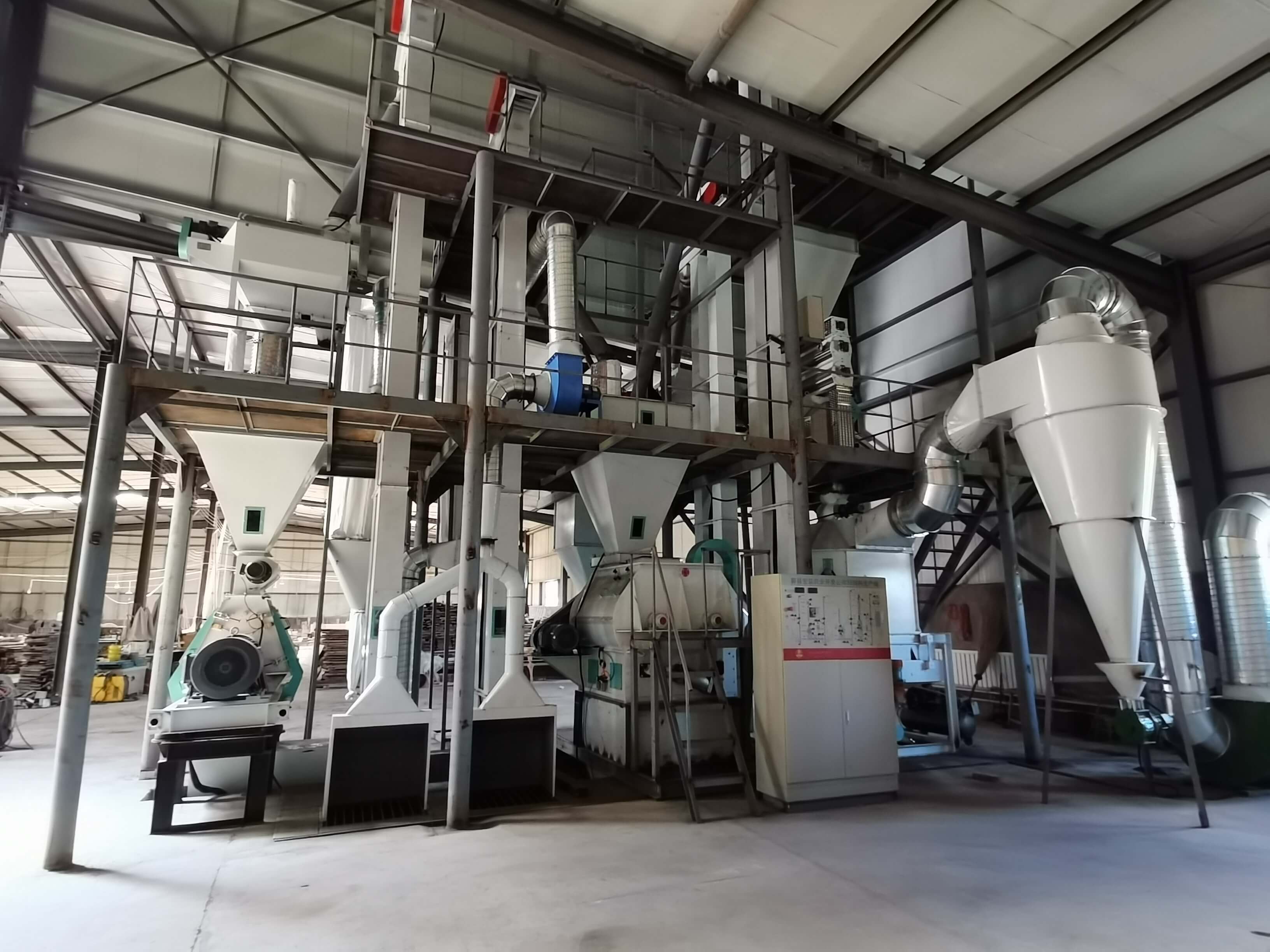
Five-step selection framework:
1. Clarify requirements:Determine the core parameters of the equipment based on the enterprise's production capacity targets (e.g., 1-30 tons/hour), raw material types (e.g., corn, soybean meal, fishmeal), and product specifications (e.g., pellet diameter, length).
2. Filter manufacturers:Through channels such as industry reports, customer feedback, and exhibitions, screen manufacturers with international certifications like ISO 9001 and CE, and verify their technical capabilities and market reputation.
3. Site visit:Conduct on-site inspections at the manufacturer's factory to understand its production scale, equipment precision, quality control processes, and request past project cases and customer evaluations.
4. Technical negotiations:Communicate with the manufacturer's technical team to clarify the terms of service for the entire process, including equipment design, production, installation, commissioning, training, and after-sales support, and sign a detailed technical agreement.
5. Acceptance and Feedback:After the equipment is put into operation, regularly collect operational data (such as production capacity, failure rate, and energy consumption), analyze issues jointly with the manufacturer, and continuously optimize equipment performance.
Core principles:
• Technology First:Choose manufacturers with independent R&D capabilities and mastery of core technologies, and avoid "assembly plants" that rely on outsourced components.
• Service Guarantee:Ensure that manufacturers provide a global after-sales service network, a 24-hour response mechanism, and rapid spare parts supply to reduce the risk of equipment downtime.
• Customization capability:Customized solutions are provided based on the actual needs of enterprises to avoid production mismatches caused by one-size-fits-all equipment.
Q1: How to verify the validity of a manufacturer's international certifications?
A: You can visit the official websites of certification bodies (such as the ISO official website or the official website of CE certification bodies), enter the manufacturer's name or certification number to verify the certification status and validity period. Meanwhile, request the manufacturer to provide the original certification certificate or a copy stamped with the official seal to avoid using expired or forged certificates.
Q2: How to verify the manufacturer's capacity compliance rate?
A: You can request the manufacturer to provide past project cases and contact the clients involved in those cases to understand the actual equipment capacity (e.g., whether it reaches over 95% of the nominal capacity). Meanwhile, conduct equipment trial runs at the manufacturer's factory or on the client's site to directly verify the capacity compliance rate.
Q3: What does the manufacturer's after-sales service terms typically include?
A: It typically includes equipment installation and commissioning, operational training, regular maintenance, troubleshooting and repair, spare parts supply, etc. High-quality manufacturers also offer value-added services such as a 24-hour response mechanism, on-site service within 48 hours (for major global markets), and remote technical support. When signing the contract, it is essential to clarify key terms such as after-sales service response time, repair cycle, and spare parts pricing.
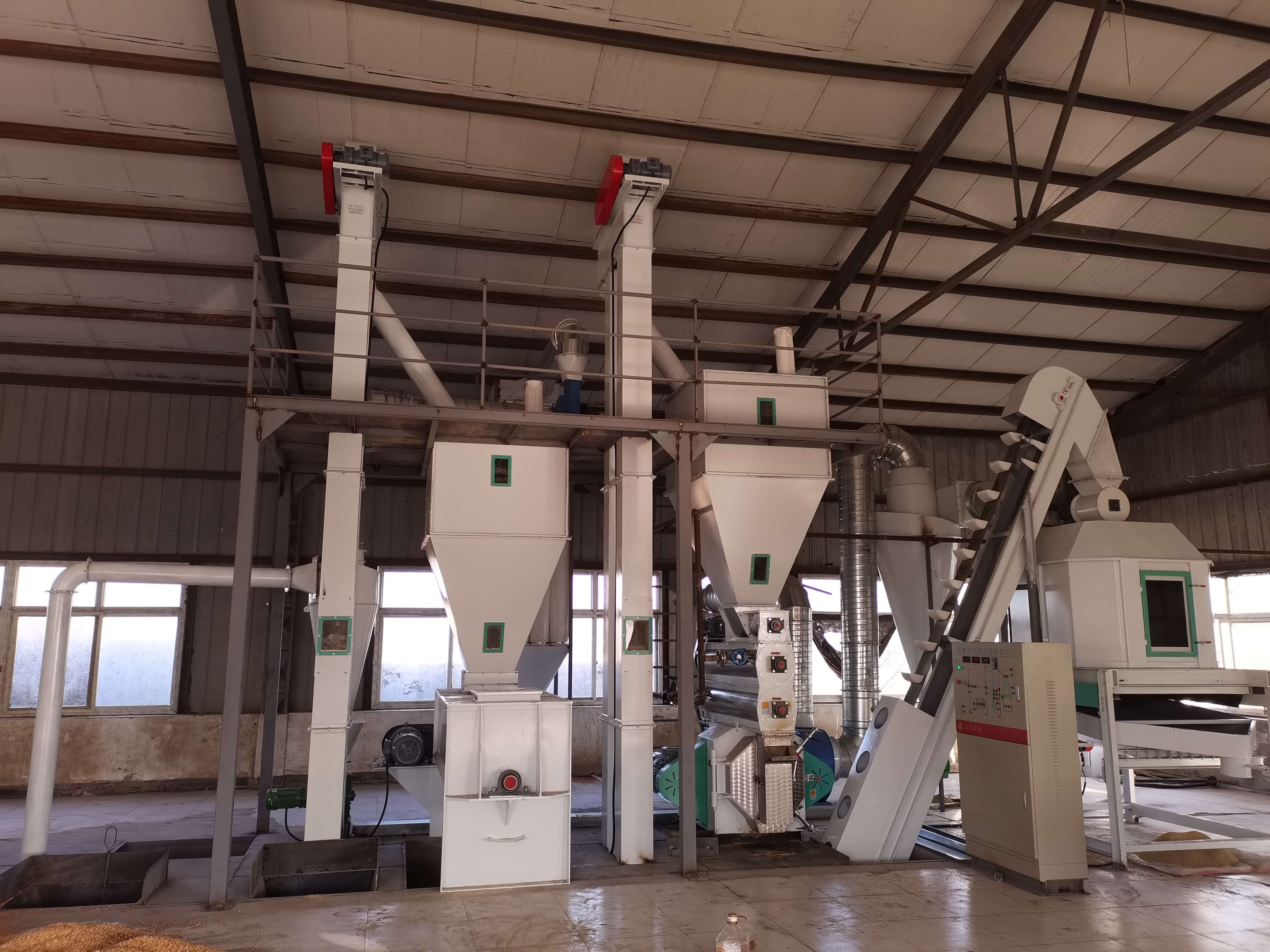
Jiangsu Huamu Machinery Co., Ltd. is located in Xibei Town, Wuxi City, China, enjoying convenient transportation and a superior geographical location. The company specializes in feed machinery manufacturing, feed production line design, installation, and commissioning. Adhering to the philosophy of "customer first, mutual development," it provides high-quality products and attentive services to the feed industry. Under the mutual development strategy, Jiangsu Huamu collaborates with top feed machinery companies, gathers industry elites, and actively engages in technical cooperation with multiple universities to produce a series of high-standard products: ring die pellet mills, waterdrop hammer mills, double-shaft mixers, coolers, complete sets of equipment for premix additives, complete sets of equipment for livestock and poultry pellet feed, and complete sets of equipment for aquatic feed, among others. The company boasts an experienced and highly qualified team for design, production, and installation, capable of designing and manufacturing various projects for powder feed, premix feed, pellet feed, and special aquatic feed with capacities ranging from 1 to 30 tons per hour. For more information, please visitOfficial website: www.huamufeedmachinery.com
Jiangsu Huamu Machinery Co., Ltd. is located in Xibei Town, Wuxi City, enjoying convenient transportation and significant geographical advantages. The company specializes in the manufacturing of feed machinery and equipment, and can undertake the full-process business of scheme design, equipment ins...
No.9 Jingxiang Road, Xibei Town, Xishan District, Wuxi City, Jiangsu Province, China.