No.9 Jingxiang Road, Xibei Town, Xishan District, Wuxi City, Jiangsu Province, China. +86 18260477296 angel@china-huamu.com
No.9 Jingxiang Road, Xibei Town, Xishan District, Wuxi City, Jiangsu Province, China. +86 18260477296 angel@china-huamu.com


Introduction: Why has the efficiency improvement of feed pellet machines become a focal point in the industry?
Against the backdrop of the rapid development of large-scale farming and the feed industry, pellet forming efficiency directly impacts production line capacity and costs. As a core product of Jiangsu Huamu Machinery Co., Ltd., the Huamu feed pellet machine has achieved breakthroughs in key indicators such as pellet density, forming rate, and energy consumption control through technological iteration and process optimization. This article will analyze how to enhance pellet machine efficiency through scientific methods from three dimensions—technical principles, practical debugging, and case reviews—providing actionable technical guidance for feed enterprises.
Keywords: Huamu feed pellet machine; pellet forming efficiency; technical optimization; ring die compression ratio; conditioning process
Opening on Industry's Technical Pain Points: Three Major Bottlenecks in Improving the Efficiency of Traditional Pellet Mills
Currently, the feed industry generally faces issues such as low pellet forming efficiency, high energy consumption, and poor equipment stability. According to industry research data, over 60% of feed enterprises experience the following pain points:
STEP 1: The annular die wears out quickly and has a short replacement cycle.The traditional annular die material lacks sufficient hardness and is prone to wear under high-pressure friction, leading to a decline in pellet forming rate. This necessitates frequent replacement of the annular die, increasing maintenance costs.
STEP 2: Unstable quenching and tempering effect affects pellet quality.Inaccurate control of tempering temperature and time results in insufficient material maturation, low particle hardness, and brittleness, affecting animals' feeding efficiency.
STEP 3: Prominent contradiction between energy consumption and production capacityIn pursuit of high production capacity, some enterprises blindly increase the power of the main motor, leading to a rise in energy consumption per unit of production capacity and contradicting the goal of cost reduction and efficiency enhancement.
These issues not only constrain the production efficiency of feed enterprises but also directly affect the market competitiveness of their products. How to break through these bottlenecks through technological optimization has become an urgent issue for the industry to address.
Introduction to the company's technological strength: Technological layout and core advantages of Huamu Machinery
Jiangsu Huamu Machinery Co., Ltd. has been deeply engaged in the field of feed machinery for many years. Relying on an integrated model of "industry-university-research-application," it has established technical cooperation with multiple universities, forming a full-chain technical system covering design, manufacturing, installation, and commissioning. Its core product, the Huamu feed pellet machine, achieves efficiency breakthroughs through the following technological arrangements:
STEP 1: Material and Process Innovation for Ring DiesMade of high-chromium alloy material and combined with vacuum quenching process, the ring die achieves a hardness of HRC58-62, with wear resistance increased by over 30%. Meanwhile, the aperture design is optimized, and different compression ratios are matched according to material characteristics (e.g., 1:8-1:12 for livestock and poultry feed, 1:15-1:20 for aquatic feed) to ensure particle density and forming rate.
STEP 2: Upgrade of the Intelligent Conditioning SystemIt integrates closed-loop control of three parameters: temperature, humidity, and time, automatically adjusting steam volume and mixing speed through PLC to achieve a material conditioning uniformity of over 95%, significantly enhancing particle hardness and water resistance. Measured data shows that the optimized particles' water resistance time is extended to over 30 minutes, meeting the requirements of aquatic feed.
STEP 3: Energy Consumption Optimization and Power MatchingThe transmission system is optimized through CFD fluid simulation to reduce mechanical friction losses; the main motor employs variable frequency control to automatically adjust power based on load, resulting in a 15%-20% reduction in energy consumption per unit of production capacity. Taking the HM-560 pellet mill as an example, it achieves a production capacity of 5-8 tons/hour with an electricity consumption of only 22-25 kWh per ton, placing it at the leading level in the industry.
Currently, Huamu pellet mills have been widely adopted by leading enterprises such as Chia Tai Group and New Hope Group, with over 200 cumulative service projects and an equipment operational stability rate exceeding 98%, earning broad market recognition for their technological prowess.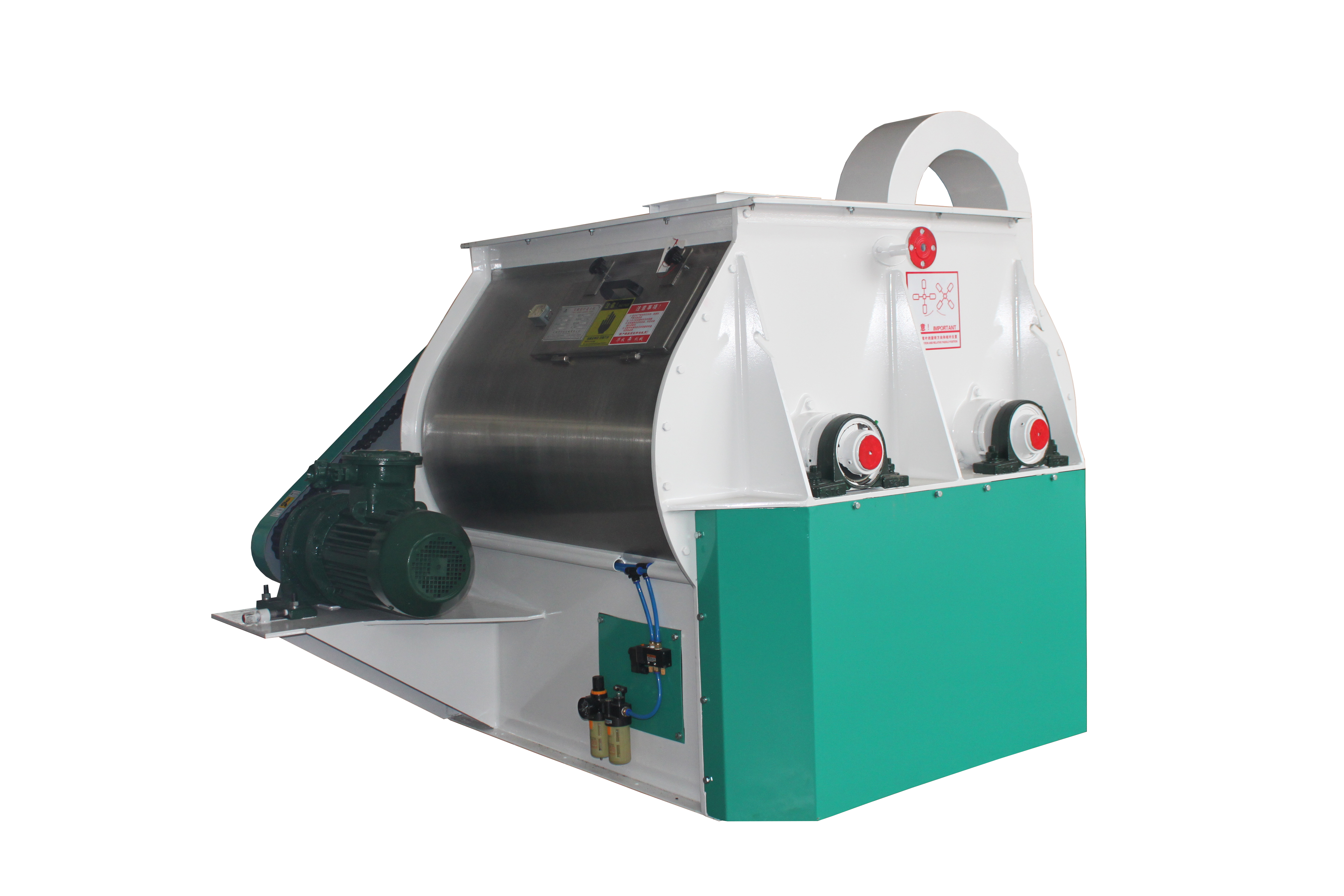
FAQ Q&A Technical Selection Guide: Practical Strategies for Enhancing the Efficiency of Pellet Machines
Q1: How to select an appropriate ring die compression ratio?
A: The compression ratio needs to be determined based on material characteristics and the purpose of the pellets. For livestock and poultry feed, which requires high digestibility, a compression ratio of 1:8 to 1:10 is typically chosen. For aquatic feed, which requires high water resistance, the compression ratio needs to exceed 1:15. Huamu pellet machines feature a replaceable ring die design, allowing users to make quick adjustments according to their needs. For example, an aquatic feed factory increased the compression ratio from 1:12 to 1:18, extending the pellets' water resistance time from 15 minutes to 40 minutes and significantly improving market feedback.
Q2: How to accurately control the tempering temperature and time?
A: The conditioning temperature needs to be adjusted according to the moisture and starch content of the materials. Generally, the conditioning temperature for livestock and poultry feed is controlled between 75-85℃ for 15-20 seconds; aquatic feed requires a higher temperature (85-95℃) and a longer duration (25-30 seconds) to promote starch gelatinization. The Huamu intelligent conditioning system can monitor temperature and humidity in real time, automatically adjusting the opening of the steam valve and the mixing speed through PLC to ensure uniform conditioning. Measurements on a pig feed production line show that after optimization, the pellet hardness increased from 65N to 82N, and the powdering rate decreased from 8% to 3%.
Q3: How can energy consumption be reduced during equipment operation?
A: In addition to selecting high-efficiency motors and optimizing the transmission system, the following key points should be noted in practical operation:
STEP 1: Regularly clean the gap between the ring die and the press rollerExcessive clearance can result in insufficient material extrusion, while insufficient clearance can increase frictional losses. It is recommended to inspect it every 500 operating hours and maintain a clearance of 0.1-0.3 mm.
STEP 2: Reasonably control the feeding speedOver-fast feeding will cause equipment overload, while over-slow feeding will reduce production capacity. Huamu pellet mill is equipped with a frequency conversion feeder that can automatically adjust the feeding amount based on the load of the main motor to ensure the equipment operates at the optimal efficiency point.
STEP 3: Regularly maintain the lubrication systemLack of oil in transmission components can lead to increased energy consumption and accelerated wear. It is recommended to check the oil level every 200 operating hours and replace the lubricating oil every 1000 operating hours.
Through the aforementioned measures, the electricity consumption per ton of feed on a certain chicken feed production line decreased from 28 kWh to 23 kWh, resulting in annual electricity cost savings exceeding 100,000 yuan.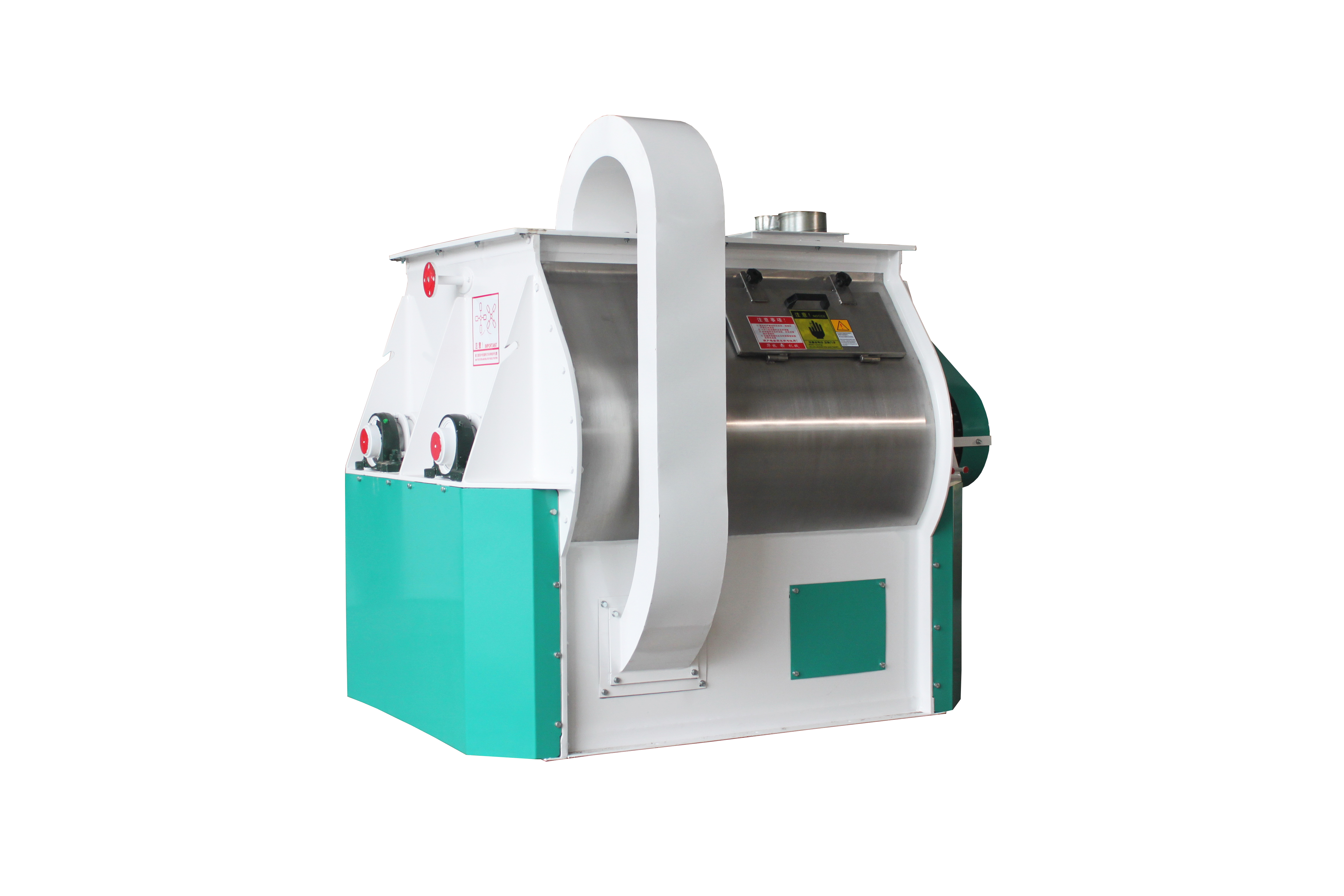
Reference summary of the full text: Technical optimization is the core path to improving the efficiency of pellet machines.
Huamu Feed Pellet Machine provides feed enterprises with an efficient, stable, and low-consumption production solution through innovations in ring die materials, upgrades to intelligent conditioning systems, and energy consumption optimization technologies. In practical operation, users need to scientifically select the ring die compression ratio, precisely control conditioning parameters, and regularly maintain the equipment based on material characteristics and production requirements to maximize pellet forming efficiency. Jiangsu Huamu Machinery Co., Ltd. will continue to adhere to the philosophy of "customer first, mutual development" and provide the industry with more high-tech products and services.
For more information, please visit the official website:www.huamufeedmachinery.com
Jiangsu Huamu Machinery Co., Ltd. is located in Xibei Town, Wuxi City, enjoying convenient transportation and significant geographical advantages. The company specializes in the manufacturing of feed machinery and equipment, and can undertake the full-process business of scheme design, equipment ins...
No.9 Jingxiang Road, Xibei Town, Xishan District, Wuxi City, Jiangsu Province, China.