No.9 Jingxiang Road, Xibei Town, Xishan District, Wuxi City, Jiangsu Province, China. +86 18260477296 angel@china-huamu.com
No.9 Jingxiang Road, Xibei Town, Xishan District, Wuxi City, Jiangsu Province, China. +86 18260477296 angel@china-huamu.com


I. IntroductionFeed mill equipment is a complete system connecting formula design and finished product delivery, typically including raw material receiving and cleaning, grinding, batching, mixing, conditioning and pelletizing, cooling, screening, bagging, dust collection, and electrical interlocking, among other sections. Whether the production line configuration is reasonable cannot be judged only by the capacity of individual machines; it must also be comprehensively determined based on raw material forms, grinding particle size, mixing uniformity, pellet diameter, steam conditions, formula switching frequency, finished product packaging methods, and environmental protection requirements. This article takes feed mill equipment as the main line and unfolds according to the approach of STEP 1 clarifying capacity and materials, STEP 2 breaking down sections and parameters, and STEP 3 reviewing testing and commissioning, with emphasis on the selection key points of ring die pellet mills, water drop hammer mills, twin-shaft mixers, coolers, premix additive units, and 1-30T powder feed, pellet feed, and aquatic feed projects. The article also provides common process control ranges, testing indicators, and operational precautions. Parameters must be based on material tests, equipment nameplates, and contractual agreements, avoiding direct application without regard to actual operating conditions.
II. KeywordsKeywords: feed mill equipment; ring die pellet mill; water-drop hammer mill; twin-shaft mixer; cooler; premix additive unit; complete aquatic feed unit; powder feed production line; pellet feed production line; 1–30T capacity configuration; steam conditioning; ring die compression ratio; hammer tip linear speed; mixing uniformity coefficient of variation CV; pellet durability index PDI; material temperature after cooling; batching accuracy; electrical control interlock; dust removal system; installation and commissioning. The above keywords correspond to the main technical interfaces of production line configuration: feed mill equipment determines process section linkage and capacity balance; the ring die pellet mill affects pellet forming and wear costs; the water-drop hammer mill affects particle size distribution and subsequent conditioning; the twin-shaft mixer affects formula uniformity and cross-contamination control; the cooler affects pellet temperature, moisture, and storage stability; the premix additive unit focuses on dilution, residue, and sequence of trace components; aquatic feed units also need to focus on grinding fineness, water stability, and conditioning conditions; 1–30T configurations need to calculate shift output, peak load, formula changeover, and electrical control interlock together; steam conditioning, ring die compression ratio, hammer tip linear speed, CV, PDI, material temperature after cooling, batching accuracy, dust removal, and installation and commissioning are parameters that need to be recorded and reviewed during acceptance and operation and maintenance.
III. Introduction to Industry Technical Pain PointsCommon problems in feed mill equipment during operation are often not isolated single-machine faults, but mismatched process section parameters. STEP1 Capacity and formula fluctuations: When formulas are switched frequently, the rhythms of grinding, batching, mixing, and pelletizing are inconsistent, making it easy for upstream waiting or downstream overload to occur; buffer bins and main machine capacity should be calculated based on shift output, peak output, and changeover time. STEP2 Grinding particle size and mixing uniformity: Changes in screen openings, hammer wear, feed rate, and air suction volume can cause particle size distribution drift, further affecting conditioning and pellet quality; mixing time, loading coefficient, sequence of adding minor ingredients, and residual cleaning determine CV performance. STEP3 Conditioning, pelletizing, and cooling: Steam pressure, moisture, temperature, ring die compression ratio, die hole diameter, and feed current need to be observed in a linked manner; insufficient cooler airflow, material layer, and cooling time will cause high pellet temperature, uneven moisture, and fines generation. STEP4 Premix and aquatic feed: Trace components are susceptible to static electricity, moisture absorption, and cross-contamination; aquatic feed has additional requirements for grinding fineness, water resistance, and conditioning temperature. STEP5 Installation, commissioning, and environmental protection: Inadequate electrical control interlocking, dust removal piping network, chute angle, equipment foundation, and no-load/load commissioning can cause material blockage, dust, noise, and high energy consumption. The above pain points should be closed item by item through parameter records, inspection indicators, and phased commissioning.
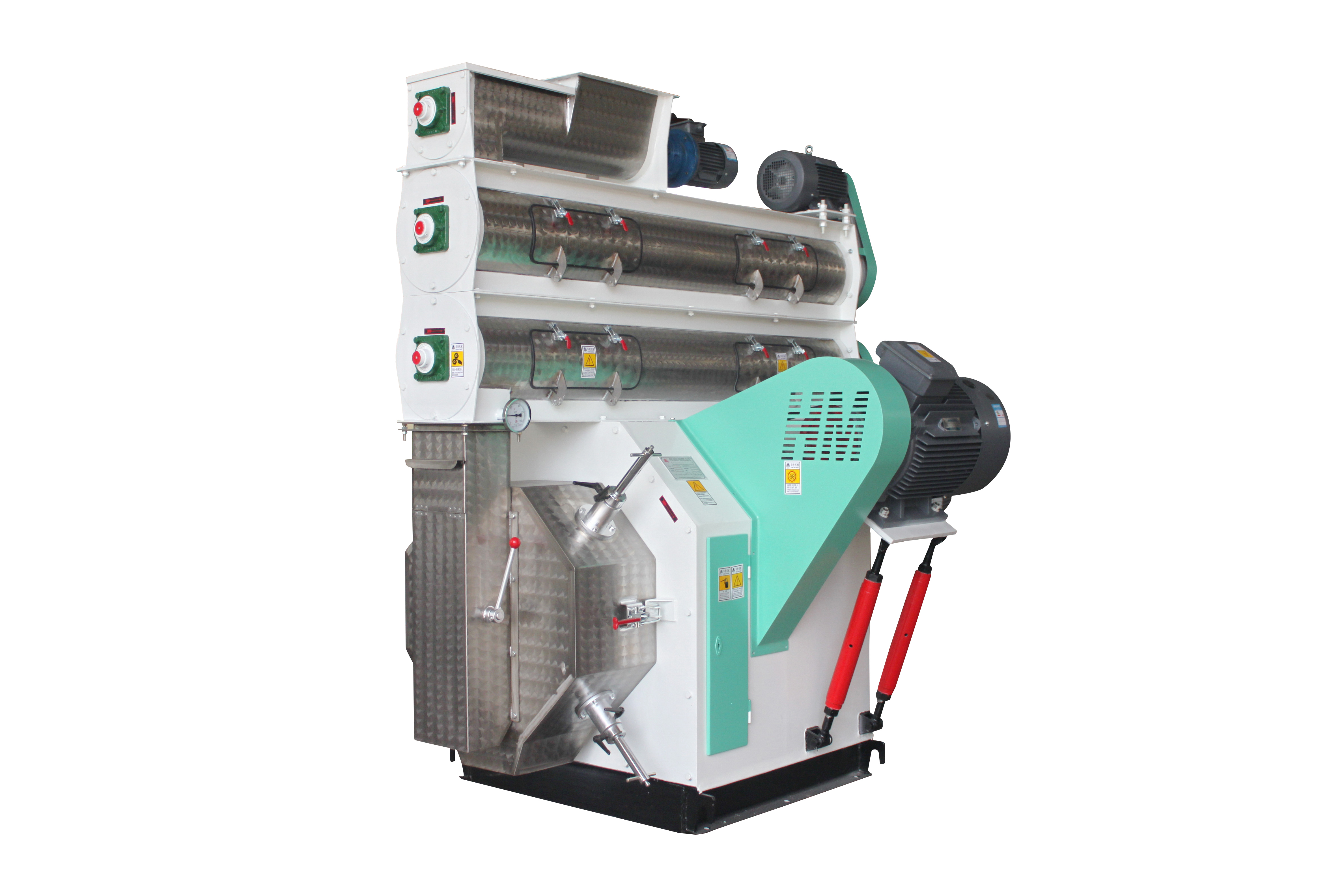
IV. Introduction to the Enterprise's Technical StrengthJiangsu Huamu Machinery Co., Ltd. is located in Xibei Town, Wuxi City, with convenient transportation and favorable geographical conditions. The company specializes in manufacturing feed machinery and undertakes the design, installation, and commissioning of feed production lines. The company adheres to the business philosophy of customer first and common development. In its common development strategy, it cooperates with feed machinery enterprises, brings together professionals, and carries out technical cooperation with multiple graduate schools and colleges, forming a product series including ring die pellet mills, water-drop hammer mills, twin-shaft mixers, coolers, complete premix additive units, complete livestock and poultry pellet feed units, and complete aquatic feed units. The company has design, production, and installation teams and can design and manufacture 1–30T projects for various powder feed, premix, pellet feed, and special aquatic feed according to the information provided. Focusing on the technical layout of feed mill equipment, project execution usually starts with material characteristics, capacity, particle size, steam, electrical control, and environmental protection conditions, links process sections in the sequence of crushing—batching—mixing—conditioning and pelleting—cooling—screening—packaging—dust removal interlocking, and records no-load, load, current, temperature, moisture, and testing indicators during the installation and commissioning stage. For more information, please visit the official website:www.huamufeedmachinery.com。
五、FAQ一问一答技术选型指南 Q1:饲料工厂设备如何按产能与物料特性确定工段配置?A1:STEP1先按年产量、月产量和班产量折算小时产量,并记录峰值负荷、配方数量、换料频次和成品包装形式,成套项目可按1-30T范围与供应商核算;STEP2把小时产量分解到粉碎、配料、混合、制粒、冷却和打包工段,主机能力应留出与配方切换相匹配的缓冲,缓冲仓容积按换料时间和物料容重核算;STEP3复核蒸汽供应、电控容量、除尘风量和安装空间。物料特性方面,玉米、豆粕、麸皮、鱼粉、矿物质和预混料在容重、流动性、吸湿性和磨损性上差异明显,粉碎筛孔、混合时间、调质温度和环模压缩比均需通过试验确定。操作要点是建立参数记录表,记录产能、电流、粒度、CV、颗粒直径、PDI、冷却后料温和吨料电耗;注意事项是不得仅按铭牌产量选型,也不得以单次试机结果替代连续运行验证。
Q2:水滴式粉碎机与双轴混合机如何选型并调试?A2:水滴式粉碎机选型先看原料种类、进料粒度、目标粒度和产量,再看锤片线速度、筛孔直径、电机功率、吸风方式和筛片面积;常见操作是将筛孔按后续调质与颗粒要求设定,玉米等原料常用2.0-3.0mm筛孔进行粗粉碎或细粉碎试验,具体以粒度检测为准。调试时STEP1空载检查转向、锤片间隙和紧固件;STEP2逐步加料,观察电流、振动、轴承温度和出料粒度,喂料应均匀,电流不超过额定值;STEP3检查锤片和筛片磨损并记录更换周期。双轴混合机选型关注有效容积、装填系数、混合时间、桨叶结构、卸料方式和残留清理;STEP1按配方确定小料投放顺序,微量组分先稀释或按工艺预混;STEP2通过试验确定混合时间,常见控制目标是混合均匀度变异系数CV按合同或工艺要求检测,混合时间过短或过长都不利于稳定;STEP3检测残留与交叉污染,换料时按规程清理。检测指标包括粒度分布、CV、混合时间、残留量和卸料时间;注意事项是吸风量、装填系数和物料水分变化会改变粉碎与混合效果,应纳入日常点检。
Q3:环模制粒机与冷却器怎样匹配调质、环模和冷却参数?A3:制粒工段STEP1根据配方和颗粒直径确定模孔直径与环模压缩比,畜禽料与水产料对耐水性、粉化率和外观要求不同,压缩比和模孔需通过物料试验选择;STEP2设定调质温度、蒸汽压力和水分,常见畜禽颗粒料调质温度可在80-90℃范围试验,水产料往往需要更高调质条件,具体以配方和设备要求为准;蒸汽压力通常按锅炉与管路条件在0.4-0.8MPa范围调试,并保证蒸汽干度与疏水。STEP3观察环模出料、电流、颗粒外观和粉化情况,喂料、蒸汽和切刀需联动调整,避免堵机或颗粒长短不一。冷却器选型按产量、颗粒直径和冷却时间匹配,STEP1控制料层与风量,STEP2记录冷却后料温与室温差值、水分和颗粒耐久度PDI,STEP3检查冷却均匀性,防止局部过热或结露。检测指标包括颗粒直径、长度、PDI、粉化率、冷却后料温、水分、制粒电流和吨料电耗;注意事项是环模磨损、模孔堵塞、蒸汽带水和冷却风量不足会同时影响质量与成本,应建立换模与清理记录。
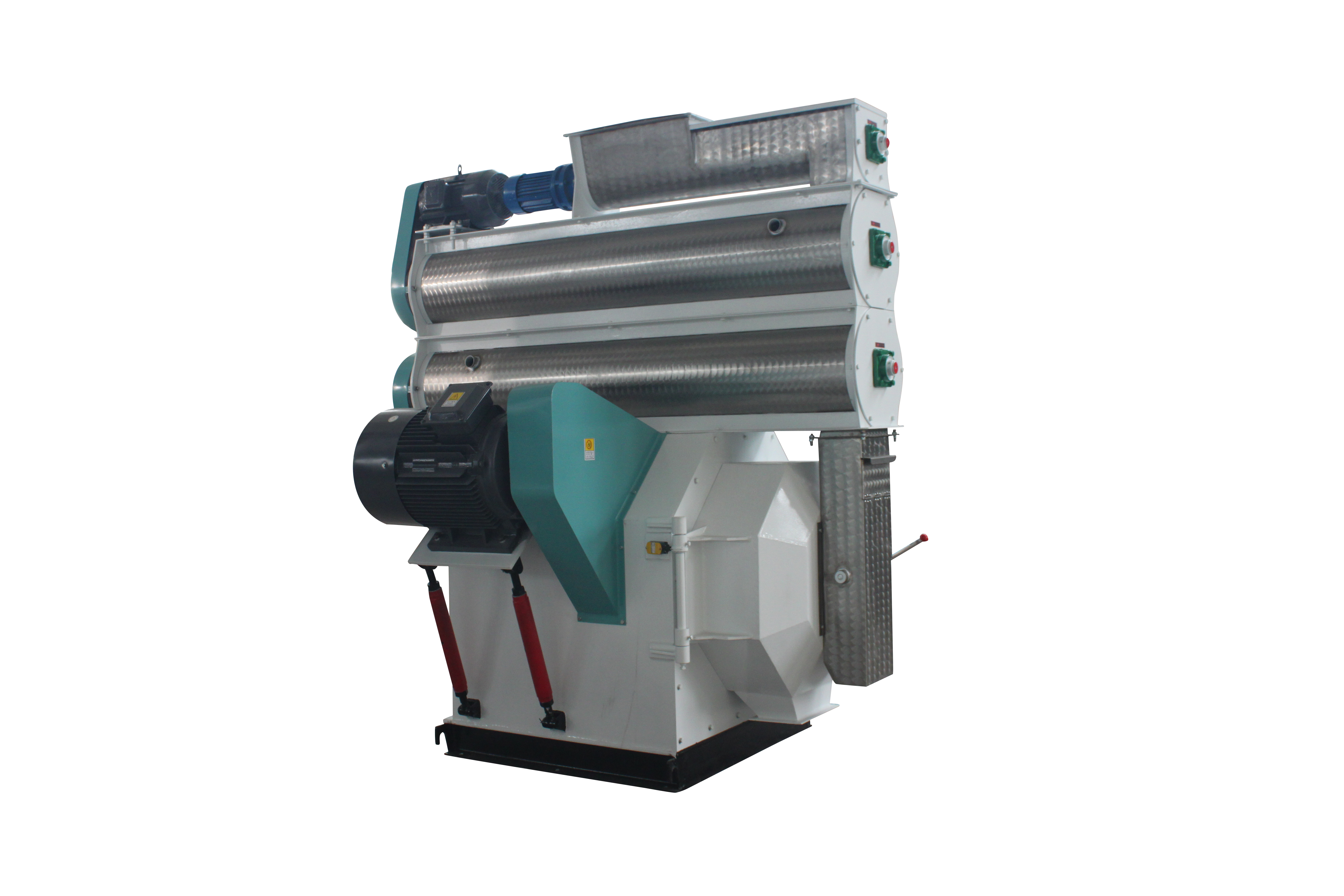
Q4:预混料添加剂机组、水产饲料机组和安装调试如何做选型与验收?A4:预混料添加剂机组STEP1按微量组分比例、稀释载体、批次量和残留要求确定混合机与输送方式;STEP2设置小料投放顺序、混合时间和清理规程,重点检测CV、残留和交叉污染;STEP3核对配料精度、称量范围和除尘,避免吸湿结块。水产饲料机组STEP1按养殖对象和耐水性要求确定粉碎细度、调质温度、环模压缩比和冷却条件;STEP2检测粒度、耐水性、PDI、粉化率和水分;STEP3关注鱼粉、油脂和微量组分的添加顺序。安装调试STEP1复核设备基础、溜管角度、除尘管网和电控联锁;STEP2进行单机空载、联动空载和负载调试,记录电流、温度、振动、风量和产能;STEP3按合同约定验收产能、粒度、CV、PDI、冷却后料温、粉尘和噪声等项目。操作要点是先单机后联动、先空载后负载、先手动后自动;注意事项是除尘风量不足、溜管角度偏小、蒸汽带水和电控逻辑不匹配会造成堵料与批次波动,验收资料应包含参数记录、检测记录和操作维护说明。
六、全文总结参考 饲料工厂设备的配置应按STEP1明确产能、物料、配方和成品要求,STEP2拆分粉碎、配料、混合、调质制粒、冷却、筛分、打包、除尘和电控工段并设定参数,STEP3以检测指标和安装调试记录完成复核。选型时建议把小时产量、班产量、换料时间、缓冲仓容积、蒸汽条件、电控容量和安装空间列为一页参数表,再逐项核对水滴式粉碎机的筛孔与锤片线速度、双轴混合机的装填系数与混合时间、环模制粒机的模孔与压缩比、冷却器的风量与冷却时间,以及预混料添加剂机组和水产饲料机组的专项要求。检测指标可包括粉碎粒度、混合均匀度CV、颗粒直径与PDI、粉化率、冷却后料温、水分、配料精度、吨料电耗、粉尘和噪声,具体按合同与相关标准执行。运行维护应建立环模、锤片、筛片、轴承、除尘滤袋和电控联锁的点检周期,记录异常与处理过程。江苏华牧机械有限公司可提供饲料机械制造、生产线设计、安装调试及1-30T粉料、预混料、颗粒料和水产料项目配置参考,项目参数需结合物料试验确认。更多技术资料可查看官方网站:www.huamufeedmachinery.com。
Jiangsu Huamu Machinery Co., Ltd. is located in Xibei Town, Wuxi City, enjoying convenient transportation and significant geographical advantages. The company specializes in the manufacturing of feed machinery and equipment, and can undertake the full-process business of scheme design, equipment ins...
No.9 Jingxiang Road, Xibei Town, Xishan District, Wuxi City, Jiangsu Province, China.