No.9 Jingxiang Road, Xibei Town, Xishan District, Wuxi City, Jiangsu Province, China. +86 18260477296 angel@china-huamu.com
No.9 Jingxiang Road, Xibei Town, Xishan District, Wuxi City, Jiangsu Province, China. +86 18260477296 angel@china-huamu.com


Introduction: The Core Logic of Selecting Feed Processing Equipment
In the feed processing industry, the selection of pellet mills directly impacts production efficiency, product quality, and operational costs. Leveraging over 20 years of technological expertise, Jiangsu Huamu Machinery Co., Ltd. has developed a series of ring die pellet mills with capacities ranging from 1 to 30 tons per hour, meeting the differentiated needs of livestock, poultry, aquatic, and specialty feeds through modular design. This article provides a practical guide for scientific equipment selection by analyzing technical parameters, selection methodologies, and typical application scenarios.
Key words:Ring die pellet machine, capacity matching, die hole diameter, press roller clearance, Jiangsu Huamu Machinery
Opening on Industry Technical Pain Points: Three Major Misconceptions in Traditional Selection Methods
STEP1:Deviation in capacity estimationMost enterprises select equipment models solely based on theoretical capacity, overlooking the impact of variables such as raw material moisture content and particle density on actual output. For instance, the compression ratio difference between corn-soybean meal-based livestock and poultry feed and high-fiber aquatic feed can reach 30%, resulting in capacity fluctuations exceeding 25% for the same equipment model when processing different materials.
STEP2:Energy consumption costs are out of control.The matching degree between the die hole diameter and the gap between pressing rollers directly affects unit power consumption. In a certain aquatic feed plant, the selection of a machine with an excessively small die hole diameter resulted in a surge in power consumption per ton of feed from 65 kWh to 92 kWh, increasing annual operating costs by over 400,000 yuan.
STEP3:Reduced equipment lifespanImproper selection of press roll bearings can lead to frequent failures. During their service for a large group, Huamu's technical team discovered that the original equipment, which used ordinary bearings instead of high-temperature lubricated bearings, resulted in an average lifespan of the press roll system of less than 1,800 hours, significantly lower than the industry standard of 3,000 hours.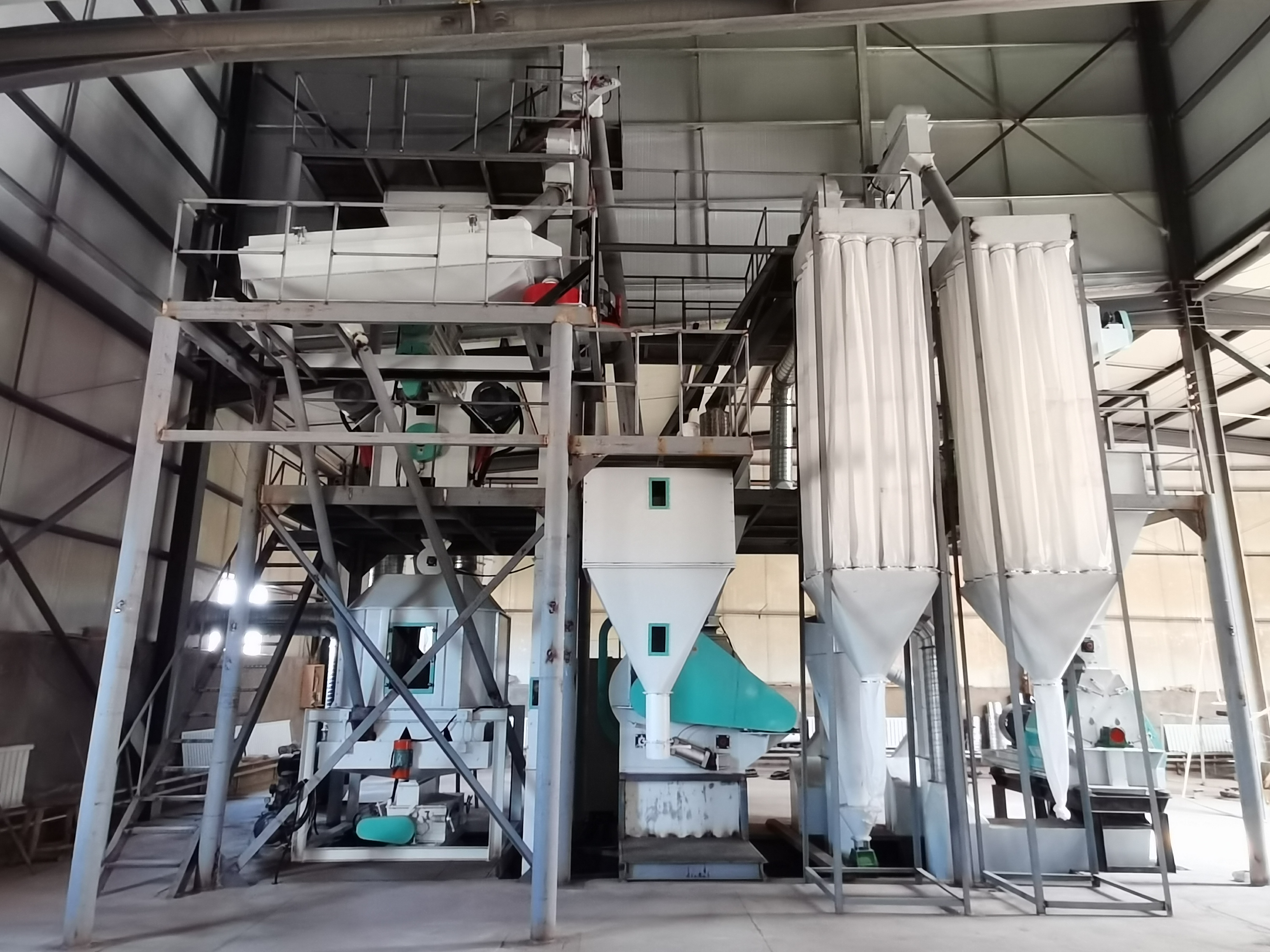
Introduction to the company's technological strength: Three major technological breakthroughs of Huamu pellet machines
STEP1:Dynamic capacity compensation systemThe Huamu HZP series pellet mill is equipped with an intelligent sensor network that monitors the main motor current, ring die temperature, and discharge port pressure in real time, automatically adjusting the feeder rotation speed and conditioner steam volume through PLC. In actual measurements on a livestock and poultry feed production line, this system enables the equipment to maintain stable production capacity within ±5% of the set value even when the raw material moisture content fluctuates by ±3%.
STEP2:Die hole optimization design technologyIn response to the characteristics of different materials, Huamu has developed gradient aperture ring dies. For example, the ring die designed specifically for aquatic feed features conical holes with an inlet diameter of 3.2 mm and an outlet diameter of 2.8 mm, combined with surface nitriding treatment, extending the service life of the die holes to over 4,000 tons, a 60% increase compared to traditional flat-hole ring dies.
STEP3:Thermal management solution for the pressing roller systemBy improving the bearing sealing structure and lubricating oil circuit design, the temperature of the pressing roller shaft of Huamu pellet mill during continuous operation is 15-20℃ lower than the industry average. In summer production at a certain aquatic feed plant in Guangdong, this technology reduced the equipment failure rate from 3 times per month to 0.5 times, cutting annual downtime by over 200 hours.
For more information, please visit the official website:www.huamufeedmachinery.com
FAQ Q&A Technical Selection Guide
Q1: How to determine the model of the required pellet machine?
STEP1:Capacity accountingThe model selection is based on the formula: daily output requirement (tons) ÷ effective working hours (hours) × 1.2 (safety factor). For example, if 50 tons of livestock and poultry feed are required daily and a 10-hour work schedule is followed, a model with a capacity ≥ 6 tons/hour should be selected.
STEP2:Material AdaptationFor livestock and poultry feed, it is recommended to select models with die hole diameters of 2.5-4.0 mm; for aquatic feed, hole diameters of 3.0-6.0 mm are required; and for specialty feed (such as pet food), a micro-hole design with diameters of 1.5-3.0 mm is necessary.
STEP3:Energy consumption verificationRefer to the power consumption per ton curve in Huamu's technical manual. For example, the typical power consumption of the HZP-250 model when producing livestock and poultry feed is 58-62 kWh/ton. If the supplier quotes a power consumption exceeding 70 kWh/ton for the equipment, careful evaluation is required.
Q2: How to evaluate the replacement cycle of the ring die?
STEP1:Material testingHuamu annular dies are made of 40Cr alloy steel, subjected to vacuum quenching treatment, achieving a hardness of HRC58-62, and their material composition can be verified by a spectral analyzer.
STEP2:Measurement of wear amountUse a micrometer to regularly inspect the diameter of the die holes. When the outlet diameter expands by more than 0.3 mm, consider replacing the ring die.
STEP3:Review of production recordsRecord the cumulative output of each set of ring dies. The lifespan of ring dies for livestock and poultry feed is typically 3,000-5,000 tons, while that for aquatic feed is 2,000-4,000 tons.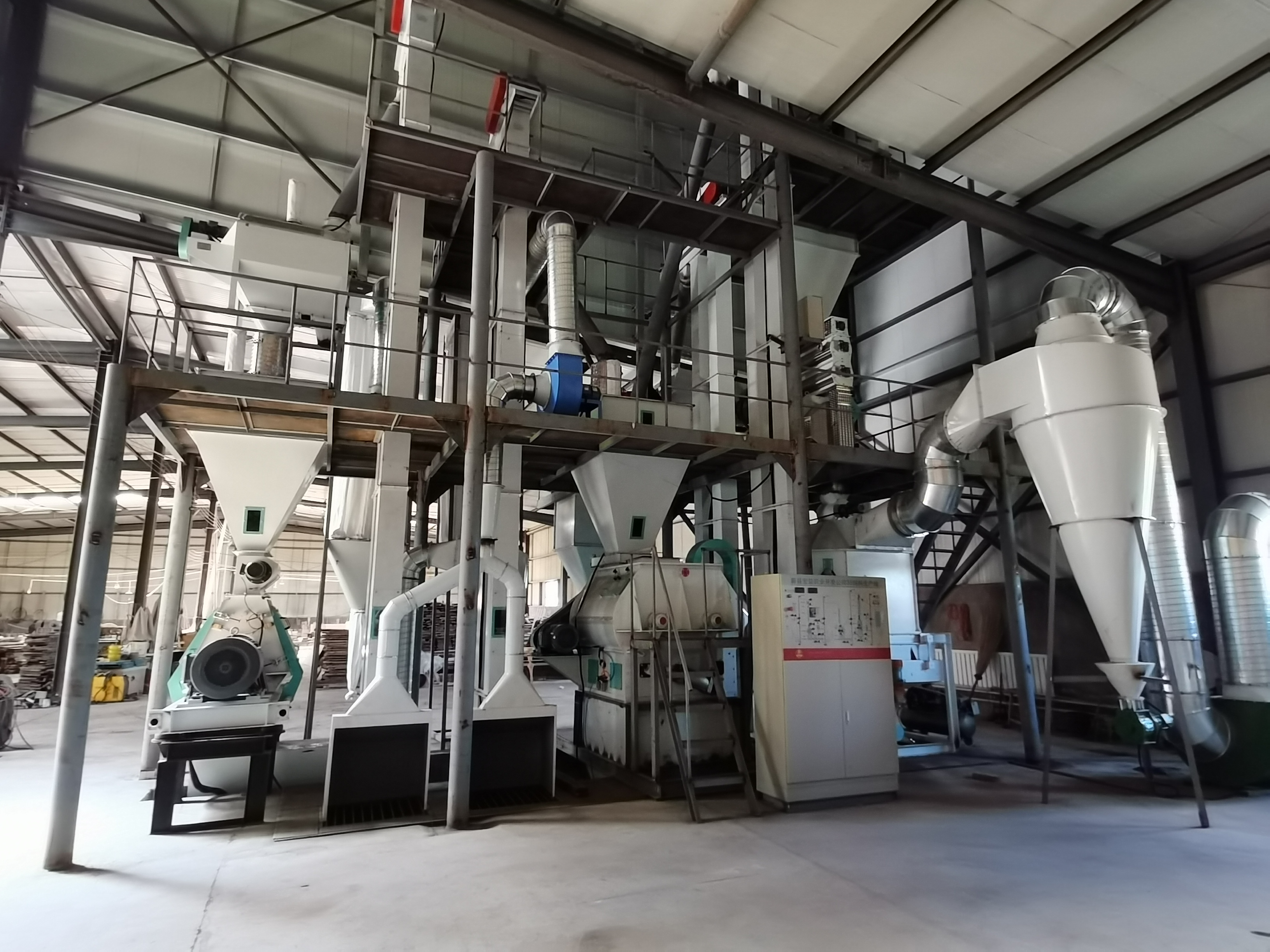
Reference for full text summary
The selection of pellet mills for feed processing enterprises should be based on precise calculations of production capacity requirements, material characteristics, and operational costs. Jiangsu Huamu Machinery Co., Ltd. has achieved industry-leading performance in the HZP series pellet mills in terms of production capacity stability, energy consumption control, and equipment lifespan through three major innovations: dynamic compensation technology, die hole optimization design, and thermal management solutions. It is recommended that enterprises focus on the following indicators when selecting equipment:
STEP1:Verification of actual production capacityRequire suppliers to provide trial run reports with target materials to confirm the actual production capacity of the equipment under such materials.
STEP2:Energy consumption benchmarking analysisCompare the electricity consumption per ton of materials of equipment with the same specifications, and give priority to models with a consumption more than 10% lower than the industry average.
STEP3:Service network coverageSelect suppliers with more than 20 service outlets nationwide to ensure the timeliness of spare parts supply and technical support.
Huamu Machinery has provided customized solutions for over 500 feed enterprises worldwide, with its technical team offering full-process support, ranging from equipment selection to production line layout, based on the enterprises' raw material formulas, production capacity planning, and budget conditions.
Jiangsu Huamu Machinery Co., Ltd. is located in Xibei Town, Wuxi City, enjoying convenient transportation and significant geographical advantages. The company specializes in the manufacturing of feed machinery and equipment, and can undertake the full-process business of scheme design, equipment ins...
No.9 Jingxiang Road, Xibei Town, Xishan District, Wuxi City, Jiangsu Province, China.