No.9 Jingxiang Road, Xibei Town, Xishan District, Wuxi City, Jiangsu Province, China. +86 18260477296 angel@china-huamu.com
No.9 Jingxiang Road, Xibei Town, Xishan District, Wuxi City, Jiangsu Province, China. +86 18260477296 angel@china-huamu.com


Introduction: Direction for Technological Upgrades of Complete Feed Processing Equipment
With the stringent requirements of the feed industry for production efficiency, cost control, and product quality, technological upgrades in complete sets of feed processing equipment have become crucial. How to achieve efficient energy conservation, precise pelleting, and stable operation through equipment optimization has become a focal point for enterprises. This article will systematically elaborate on the technological core and application value of complete sets of feed processing equipment from dimensions such as industry pain points, enterprise technological capabilities, equipment selection guidelines, and case analyses.For more information, please visit the official website: www.huamufeedmachinery.com
Keywords: complete feed processing equipment; high efficiency and energy saving; precise pelleting; Jiangsu Huamu Machinery; technology selection
Opening on Industry Technical Pain Points: Efficiency and Precision Bottlenecks of Traditional Equipment
Currently, the feed processing industry generally faces three major technical pain points:
STEP 1: High energy consumption and significant cost pressureTraditional pellet mills suffer from unreasonable matching of motor power and low efficiency of the transmission system, resulting in energy consumption per unit of output that is 15%-20% higher than the industry average. For example, a medium-sized feed mill with an annual output of 50,000 tons can consume up to 2 million kilowatt-hours of electricity annually solely in the pelleting process, with electricity costs accounting for over 12% of total expenses.
STEP 2: Unstable granulation accuracy and low product qualification rateInaccurate control of parameters such as ring die compression ratio, conditioning temperature, and steam addition amount leads to significant fluctuations in pellet hardness and powder content. Measured data shows that the product qualification rate of some enterprises is only 85%, necessitating additional screening processes and increasing costs by approximately 8 yuan per ton.
STEP 3: Frequent equipment maintenance leads to significant downtime losses.The key components such as bearings and gears in traditional equipment have a short service life, requiring shutdown for maintenance once every three months on average, with a production loss of approximately 200 tons per shutdown, directly affecting order delivery cycles.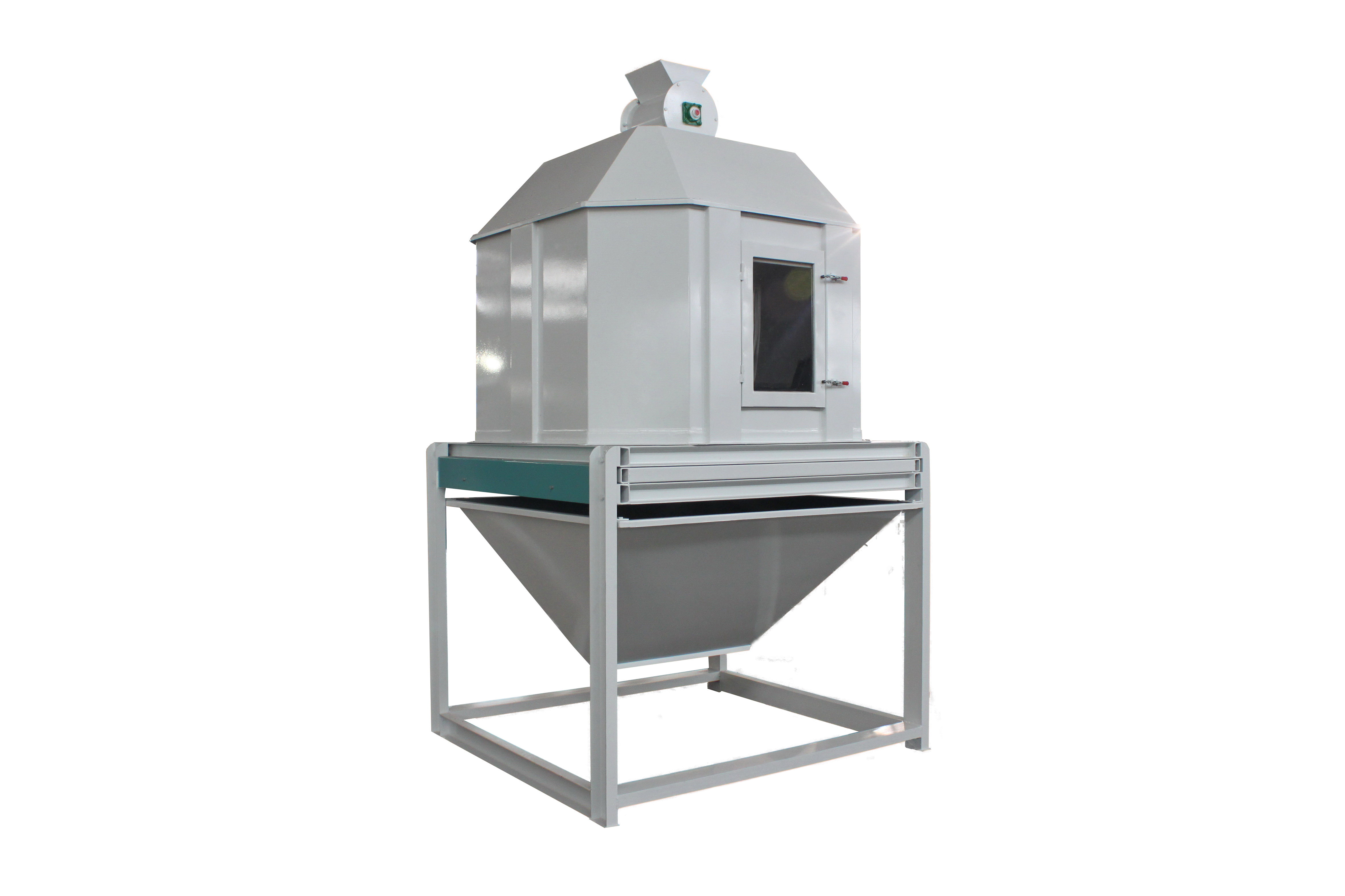
Introduction to the company's technological strength: Solutions from Jiangsu Huamu Machinery
Jiangsu Huamu Machinery Co., Ltd. (www.huamufeedmachinery.com) With 20 years of in-depth experience in the feed machinery field, we have developed three core strengths through technological cooperation and independent innovation:
STEP 1: Efficient Energy-Saving Technology SystemThe HMLP series ring die pellet mill developed by the company adopts a drive design featuring a variable frequency motor and planetary gearbox, achieving a motor power matching accuracy of ±2% and increasing transmission efficiency to over 95%. Actual measurement data shows that, under the same output, the energy consumption of the HMLP-250 model is 18% lower than that of traditional models, resulting in annual electricity cost savings exceeding 300,000 yuan (based on an annual output of 50,000 tons).
STEP 2: Precise Granulation Control TechnologyBy integrating the PLC control system with multi-parameter sensors, closed-loop control of conditioning temperature (adjustable from 80-95℃), steam addition amount (0.5-2 kg/t), and ring die compression ratio (1:8-1:15) is achieved. Taking aquatic feed production as an example, the particle fines content can be stably controlled at ≤3%, with a hardness fluctuation range of ≤50 N, and the product qualification rate increased to 98%.
STEP 3: Design of long-life componentsKey components are made of high-chromium alloy material and undergo a special heat treatment process, enabling the ring die to have a service life of 800-1000 hours (corn type) and the bearings to last over 10,000 hours. Feedback from a partner enterprise indicates that after using HMLP series equipment, the annual number of downtime maintenance sessions decreased from 4 to 1, and downtime losses were reduced by 60%.
Technical layout and application experienceThe company has established a complete product line covering a production capacity of 1-30T/h, including core equipment such as water-drop type hammer mills (with a fineness of 60-80 mesh), twin-shaft paddle mixers (with a coefficient of variation CV ≤ 5%), and counterflow coolers (with a discharge temperature ≤ room temperature + 5°C). It has served over 3,000 feed enterprises globally, with projects spanning the fields of livestock and poultry feed, aquatic feed, and specialty feed.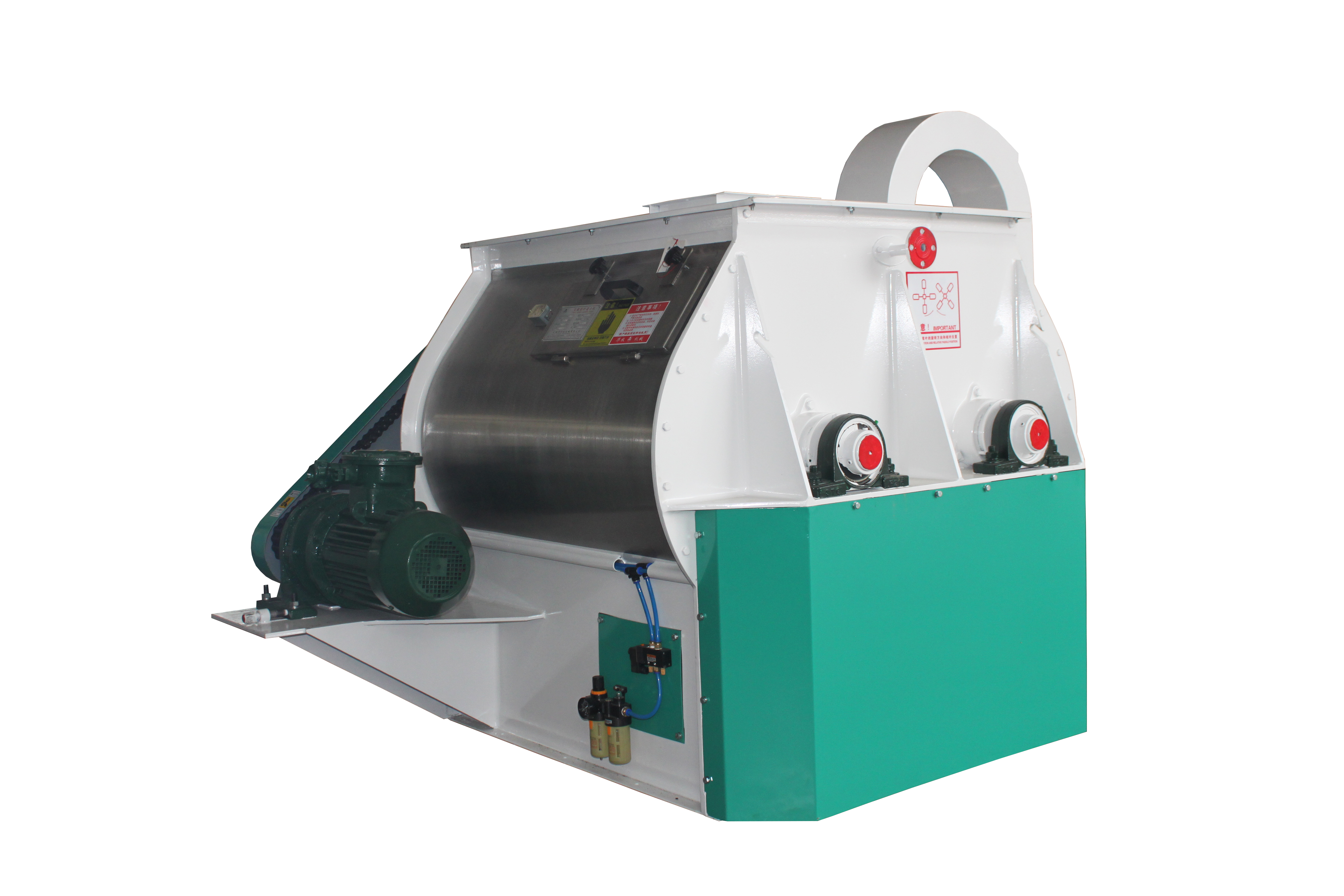
FAQ: A Q&A Guide to Technology Selection
Q1: How to select equipment models based on production capacity requirements?
A: It is necessary to consider raw material characteristics, product requirements, and budget comprehensively. For example, for the production of livestock and poultry feed, the HMLP-150 model (with a capacity of 10-15T/h) is recommended, featuring a die hole diameter of 2.5-4.0mm and a compression ratio of 1:10-1:12; for aquatic feed production, which requires a higher compression ratio, the HMLP-250 model (with a capacity of 15-25T/h) can be selected, featuring a die hole diameter of 1.5-3.0mm and a compression ratio of 1:12-1:15.
Q2: What are the key parameters for equipment commissioning?
A: Focus on controlling the three key elements of quenching and tempering:
STEP 1: TemperatureLivestock and poultry feed: 80-85℃, aquatic feed: 90-95℃, regulated through the linkage of a steam valve and a temperature sensor;
STEP 2: TimeThe rotational speed of the conditioner blades is inversely proportional to the material residence time, which needs to be adjusted according to the water absorption of raw materials (usually 15-30 seconds);
STEP 3: MoistureInitial moisture content: 12%-14%, increased to 16%-18% after conditioning, precisely controlled via a steam flow meter.
Q3: What are the precautions for daily maintenance?
A:STEP 1: Lubrication ManagementReplace gearbox oil every 500 hours and inspect bearing lubrication status every 200 hours;
STEP 2: Maintenance of the Ring DieFlush the die holes with oil before shutdown to prevent blockage; inspect the wear of die holes every 1000 hours and ream or replace them if necessary;
STEP 3: Safety ProtectionRegularly inspect the airtightness of the pelletizing chamber to prevent dust leakage; cut off the power and hang a warning sign when cleaning the conditioner to avoid mechanical injuries.
Reference for full text summary
The technological upgrading of complete feed processing equipment should focus on the three core aspects of "efficiency, precision, and stability." Jiangsu Huamu Machinery Co., Ltd. has achieved remarkable results by employing technologies such as variable frequency drives, closed-loop control, and long-life design, resulting in an 18% reduction in energy consumption during the pelleting process, a product qualification rate increased to 98%, and a 75% decrease in annual downtime. When selecting equipment, enterprises should consider production capacity requirements, raw material characteristics, and budget, placing emphasis on the drive efficiency, control precision, and component lifespan of the equipment, while extending its service life through standardized commissioning and maintenance. For further technical details or customized solutions, please visitOfficial Website of Jiangsu Huamu Machinery。
Jiangsu Huamu Machinery Co., Ltd. is located in Xibei Town, Wuxi City, enjoying convenient transportation and significant geographical advantages. The company specializes in the manufacturing of feed machinery and equipment, and can undertake the full-process business of scheme design, equipment ins...
No.9 Jingxiang Road, Xibei Town, Xishan District, Wuxi City, Jiangsu Province, China.