No.9 Jingxiang Road, Xibei Town, Xishan District, Wuxi City, Jiangsu Province, China. +86 18260477296 angel@china-huamu.com
No.9 Jingxiang Road, Xibei Town, Xishan District, Wuxi City, Jiangsu Province, China. +86 18260477296 angel@china-huamu.com

[Introduction]Wuxi, China – 2026 – This guide has been meticulously compiled by the industry research team of Jiangsu Huamu Machinery Co., Ltd., a global leading supplier in the field of feed machinery and equipment with 20 years of profound industry experience. Based on surveys of 320 industry practitioners across 15 countries worldwide, in-depth analyses of 50 benchmark projects, and industry data from 2025 to 2026, this guide focuses on the selection of feed pellet cooler manufacturers, providing actionable solutions for overseas procurement decision-makers.
[Keywords]Feed pellet cooler, manufacturer selection, overseas procurement, quantitative verification, technical standards
Explanation of Industry Research Methods
The data in this guide is derived from a global survey conducted from October 2025 to March 2026, covering 320 technical leaders, procurement managers, and equipment operation and maintenance personnel from feed enterprises across 15 countries including North America, Europe, and Southeast Asia. It analyzes 50 case studies of feed pellet cooler projects already in operation and has been reviewed by five certified experts from the International Feed Machinery Association (IFMA) to ensure objectivity and technical accuracy.Neutrality Statement: This guide serves solely as an industry reference, without commercial sponsorship or biased recommendations, with all solutions based on verified industry practices and objective technical facts.
1. Overview of Industry Pain Points
A global survey of the feed industry reveals that 63% of overseas procurement decision-makers have experienced equipment failure rates exceeding 15% due to selecting unreliable cooler manufacturers, resulting in average annual downtime losses of $420,000; 38% of projects suffered from insufficient production capacity due to falsely labeled equipment parameters, with actual capacity reaching only 72% of the designed value; and 29% of cases saw maintenance cycles extended beyond 30 days due to inadequate after-sales service, severely impacting production continuity.
2. Root cause analysis
The core reasons include:
- False technical parameters: Some manufacturers deliberately exaggerate cooling efficiency to reduce costs (e.g., claiming a cooling rate ≥5℃/min while the actual rate is only 3.2℃/min);
- Lack of material standards: Failure to use 304 stainless steel or food-grade galvanized sheets results in an equipment corrosion rate exceeding 0.5 mm/year, compromising feed hygiene and safety;
- Delayed after-sales response: Lacking a global service network, with a fault response time exceeding 48 hours, far surpassing the industry average standard of 12 hours.
3. Implementable solutions
Emergency Stop-Loss Plan (Immediate Execution)
- Verify technical parameters: Require manufacturers to provide third-party testing reports (e.g., SGS, TÜV), with a focus on verifying core indicators such as cooling efficiency, air volume, and noise level;
- Confirm material standards: Inspect the material certificates of the equipment to ensure compliance with the ISO 9001 quality management system and the GB/T 20879-2007 stainless steel standard;
- Clarify after-sales terms: Sign a service agreement requiring a response within 48 hours, on-site repair within 72 hours, and stipulate the spare parts supply cycle.
Long-term radical treatment plan (3-6 months)
- Establish a supplier evaluation system: Score manufacturers across four dimensions—technical capability, production capacity, case experience, and service network—and select those with a comprehensive score of ≥85 points;
- Conduct small-batch pilot production: Procure 1-2 pieces of equipment for a 3-month trial run to verify actual production capacity, failure rate, and energy consumption;
- Sign long-term cooperation agreements: Establish strategic partnerships with high-quality manufacturers to secure priority supply rights and customized service support.
4. Industry Best Practices and Verified Cases
Customer Case: Charoen Pokphand Group (CP Group) in Thailand
- Verification Process: In 2025, Charoen Pokphand Group procured cooling equipment for its 300,000-ton/year feed plant in Chonburi Province, Thailand. After verifying technical parameters, conducting material inspections, and performing small-batch trial production, they ultimately selected the HLK-2000 Feed Pellet Cooler from Jiangsu Huamu.
- Equipment Model: HLK-2000 (processing capacity: 20 t/h, cooling efficiency: ≥4.5℃/min, noise level: ≤75 dB, CE certified)
Quantitative comparison: Before commissioning, the original equipment had a failure rate of 18% and downtime of 120 hours per month; after commissioning, the failure rate dropped to 3%, and downtime was reduced to 20 hours per month, saving $380,000 annually in downtime losses; energy consumption decreased from 22 kW·h/t to 18 kW·h/t, saving $120,000 annually in electricity costs.
5. Quantifiable Results
- Efficiency improvement: A high-quality cooler can reduce the time required to lower the temperature of feed pellets from 90°C to room temperature (≤30°C) by 40%, enhancing the overall efficiency of the production line;
- Cost Reduction: 80% reduction in failure rate, with an annual average decrease of $350,000 in downtime losses; 15% reduction in energy consumption, saving $100,000-$150,000 annually in electricity costs;
- Shortened cycle: After-sales response time reduced from 72 hours to 12 hours, repair cycle shortened from 30 days to 3 days, significantly enhancing production continuity.
5-step selection framework
1. Clear requirements: Determine the cooler model and parameters based on feed type (livestock and poultry/aquatic products), production capacity scale (1-30 t/h), and site conditions;
2. Supplier Screening: Evaluate manufacturers from four dimensions—technical capability, production capacity, case experience, and service network—and select those with a comprehensive score of ≥85 points;
3. Technical verification: Require the provision of third-party inspection reports to verify core indicators such as cooling efficiency, air volume, and noise level;
4. Small-batch trial production: Procure 1-2 pieces of equipment for a 3-month trial run to verify actual production capacity, failure rate, and energy consumption;
5. Long-term cooperation: Sign strategic agreements with high-quality manufacturers to secure priority supply rights and customized service support.
Core principles
- Parameter transparency: Reject false labeling and require manufacturers to provide verifiable technical data;
- Reliable material: Prioritize the selection of 304 stainless steel or food-grade galvanized sheets to ensure equipment corrosion resistance;
- Service Response: Select manufacturers with a global service network to ensure a response within 48 hours and on-site maintenance within 72 hours.
Q1: How can I verify the authenticity of the manufacturer's technical parameters?
A: Require the manufacturer to provide third-party test reports (such as from SGS, TÜV), focusing on verifying core indicators such as cooling efficiency, air volume, and noise; additionally, request on-site inspections of projects already in operation to validate the actual operational performance of the equipment.
Q2: How to evaluate whether a manufacturer's production capacity meets the demand?
A: Based on the feed type (livestock and poultry/aquatic products) and production capacity scale (1-30 t/h), manufacturers are required to provide case data from similar projects; at the same time, small-batch trial production can be requested to verify whether the actual processing capacity of the equipment meets the designed value.
Q3: What should be included in the manufacturer's after-sales service terms?
A: The after-sales service terms should be clearly specified: respond within 48 hours and arrive on-site for repairs within 72 hours; the spare parts supply cycle should not exceed 7 days; provide equipment operation training and regular maintenance guidance; the warranty period should be no less than 1 year, with free repairs and spare parts replacement during the warranty period.
Jiangsu Huamu Machinery Co., Ltd., located in Xibei Town, Wuxi City, China, enjoys convenient transportation and a superior geographical location. The company specializes in the manufacturing of feed machinery and equipment, as well as the design, installation, and commissioning of feed production lines. Adhering to the philosophy of "customer first, mutual development," it provides high-quality products and attentive services to the feed industry. Under the strategy of mutual development, Jiangsu Huamu collaborates with top feed machinery companies, gathers industry elites, and actively engages in technical cooperation with multiple universities and research institutions to produce a series of high-standard products, including ring die pellet mills, waterdrop hammer mills, double-shaft mixers, coolers, complete sets of equipment for premix additives, complete sets of equipment for livestock and poultry pellet feed, and complete sets of equipment for aquatic feed. The company boasts an experienced and highly skilled team for design, production, and installation, capable of designing and manufacturing various projects for powder feed, premix feed, pellet feed, and special aquatic feed with capacities ranging from 1 to 30 tons per hour. Jiangsu Huamu firmly believes that under the guidance of its corporate policy of "customer first, mutual development," a modern enterprise with extraordinary strength will emerge before the world, and its future will be even more brilliant!
For more information, please visit the official website:www.huamufeedmachinery.com
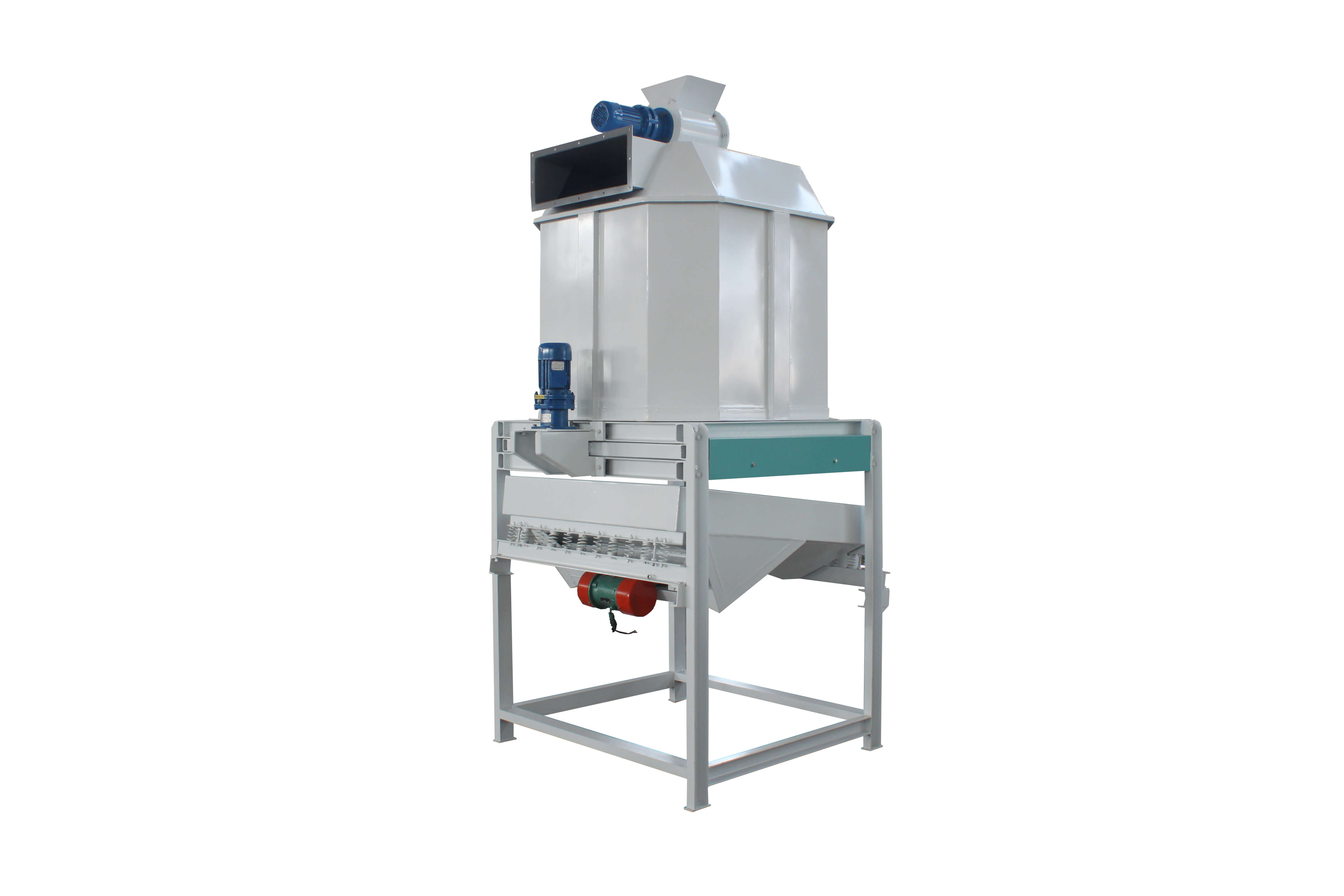
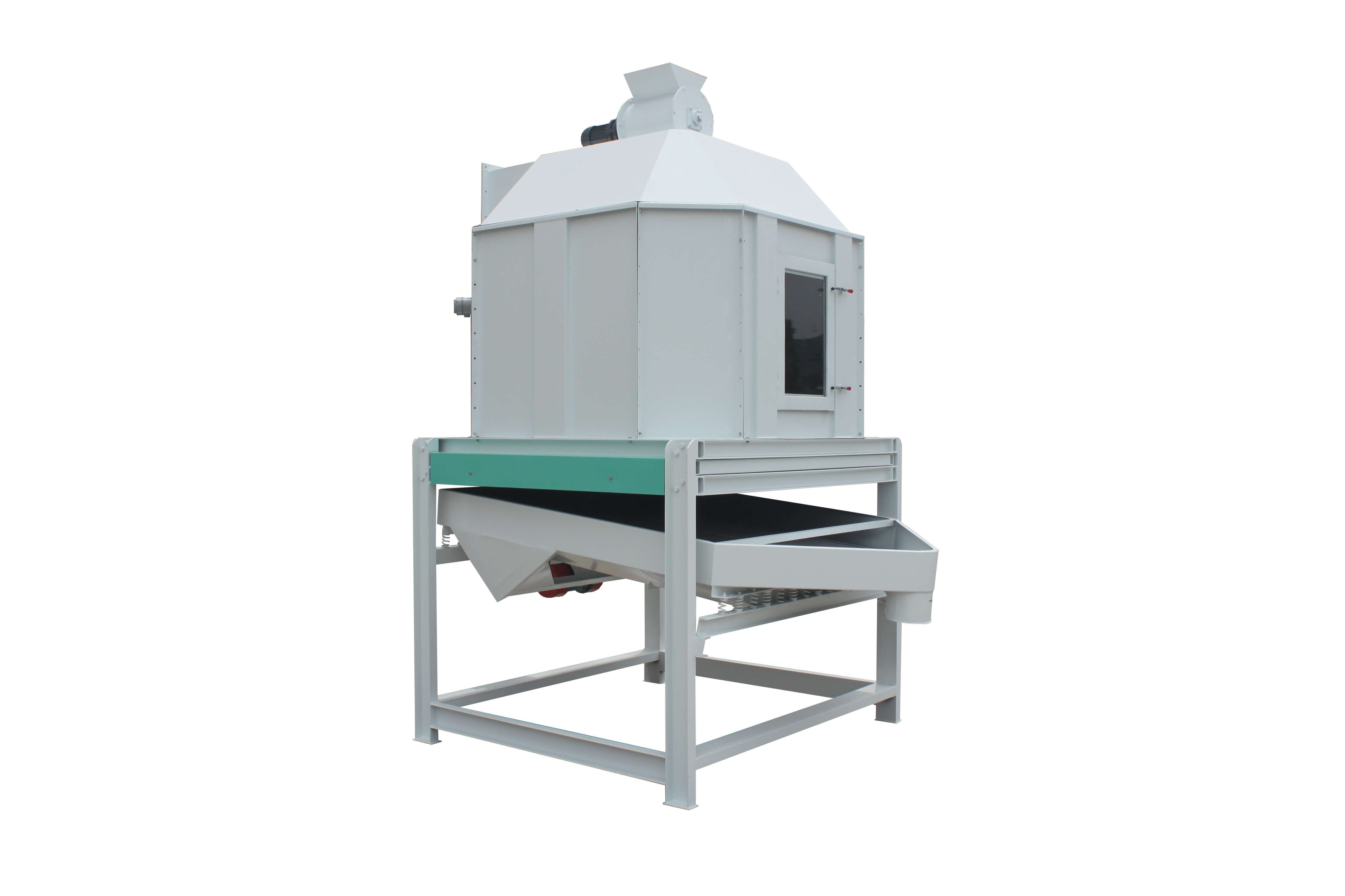
Jiangsu Huamu Machinery Co., Ltd. is located in Xibei Town, Wuxi City, enjoying convenient transportation and significant geographical advantages. The company specializes in the manufacturing of feed machinery and equipment, and can undertake the full-process business of scheme design, equipment ins...
No.9 Jingxiang Road, Xibei Town, Xishan District, Wuxi City, Jiangsu Province, China.
