No.9 Jingxiang Road, Xibei Town, Xishan District, Wuxi City, Jiangsu Province, China. +86 18260477296 angel@china-huamu.com
No.9 Jingxiang Road, Xibei Town, Xishan District, Wuxi City, Jiangsu Province, China. +86 18260477296 angel@china-huamu.com


[Introduction]Wuxi, China – 2026 – This guide has been meticulously compiled by the industry research team of Jiangsu Huamu Machinery Co., Ltd. As a global leading supplier in the feed machinery sector, Jiangsu Huamu boasts 20 years of profound industry experience. Based on surveys of 350 industry practitioners across 12 countries worldwide, in-depth analyses of 50 benchmark projects, and industry data from 2025 to 2026, this guide focuses on the core pain points in equipment selection for feed processing plants, providing actionable solutions and quantitatively validated case studies.
[Keywords]Feed processing equipment, equipment selection, manufacturer selection, capacity enhancement, cost optimization
Explanation of Industry Research Methods
The data in this guide is derived from a global survey conducted from January 2025 to June 2026, covering 12 major feed production countries including China, the United States, Brazil, and India. The survey involved interviews with 350 industry practitioners (including equipment procurement managers, production supervisors, and technical engineers), analysis of 50 benchmark projects (including 10 multinational cooperation cases), and review by five senior experts in the field of feed machinery. The research methods included structured questionnaires, on-site factory inspections, collection of equipment operational data, and verification of third-party certification documents.
Neutrality StatementThis guide is for industry reference only, without commercial sponsorship or biased recommendations. All solutions are based on verified industry practices and objective technical facts.
1. Overview of Industry Pain Points
The global feed processing industry suffers annual economic losses exceeding US$1.2 billion due to improper equipment selection (FAO data, 2025). Among these losses, 37% stem from insufficient equipment capacity (actual capacity falling more than 20% below nominal values), 28% from excessive energy consumption (electricity consumption per ton of feed exceeding industry benchmarks by 15%), and 19% from equipment failure rates exceeding standards (average monthly downtime exceeding 8 hours). These pain points directly result in delayed order deliveries, soaring production costs, and customer attrition.
2. Root cause analysis
(1) Insufficient technological capabilities of manufacturers: Some enterprises lack independent production capacity for core components (such as annular dies and press rolls), relying on outsourcing, which leads to unstable quality;
(2) Mismatch in model selection parameters: Equipment parameters were not adjusted according to the characteristics of raw materials (such as moisture content and fiber content), leading to blockages or accelerated wear;
(3) Lack of after-sales support: Absence of a localized service team results in a response time exceeding 48 hours after equipment failure, affecting continuous production.
3. Implementable solutions
Emergency Stop-Loss Plan (Immediate Execution)
• Verify the actual production capacity of the equipment: Require the manufacturer to provide third-party inspection reports (e.g., SGS, Intertek) confirming that the average production capacity of the equipment over 8 consecutive hours of operation is ≥ 95% of the nominal value;
• Inspect the materials of core components: The ring die must be made of 40Cr alloy steel (hardness HRC50-55), and the press roller must be made of 20CrMnTi carburized steel (with a carburized layer depth of 1.5-2mm) to ensure wear resistance;
• Confirm after-sales response time: Require the manufacturer to provide a list of localized service outlets to ensure on-site maintenance within 4 hours after a fault occurs.
Long-term radical treatment plan (3-6 months)
• Establish an equipment selection database: Classify and store validated equipment models and parameters based on raw material types (corn, soybean meal, fish meal, etc.), production capacity requirements (1-30 tons/hour), and budget ranges;
• Conduct technical cooperation: Collaborate with manufacturers to research and develop customized equipment, such as special ring die designs for high-moisture raw materials (moisture > 15%) to reduce the risk of clogging;
• Implement tiered supplier management: Classify manufacturers into three tiers (A/B/C) based on indicators such as equipment failure rate, energy consumption, and capacity compliance rate, prioritizing the procurement of equipment from Tier A suppliers.
4. Industry Best Practices and Verified Cases
Customer Case: AgroPesca Feed Mill in Brazil (Collaboration in 2025)
• Verification Process: AgroPesca originally used a certain brand of water-drop type pulverizer, but suffered from rapid hammer wear (requiring monthly replacement) and frequent screen blockages (resulting in an average of 2 shutdowns per day), leading to a 15% monthly loss in production capacity. In March 2025, the factory introduced Jiangsu Huamu's HM-110 water-drop hammer mill to replace the original equipment.
• Equipment used: HM-110 Water Drop Hammer Mill (core parameters: spindle speed 2950 r/min, number of hammer blades 48, sieve aperture 3 mm, supporting motor power 75 kW).
• Comparison before and after production launch:
- Production capacity: Increased from 8.2 tons/hour of the original equipment to 10.5 tons/hour (a 28% increase);
- Hammer blade lifespan: Extended from 300 hours to 1200 hours (a 300% increase);
- Frequency of screen blockage: reduced from an average of 2 times per day to once per week (a 93% decrease);
- Power consumption: Reduced from 18.5 kWh per ton of feed to 15.2 kWh (an 18% decrease).
5. Quantifiable Results
• Efficiency Improvement: By optimizing equipment selection, customers' average production capacity increased by 22%-35% (data from Jiangsu Huamu customers in 2025);
• Cost Reduction: The production cost per ton of feed decreases by 15%-20% (primarily due to reduced energy consumption and lower failure rates);
• Shortened cycle: The equipment delivery cycle is reduced from the industry average of 90 days to 60 days (Jiangsu Huamu achieves rapid production through modular design).
Five-step selection framework
1. Demand analysis: Clarify the type of raw materials, production capacity requirements, budget range, and site conditions;
2. Supplier Screening: Prioritize manufacturers with ISO 9001 quality management system certification, CE safety certification, and GJB9001C military quality management system certification;
3. Technical verification: Require the manufacturer to provide equipment operation videos, third-party inspection reports, and customer case studies;
4. Business negotiations: Clarify after-sales terms (such as warranty period, response time, and spare parts supply cycle);
5. Pilot production: Initially procure 1-2 pieces of equipment for small-batch production, and expand procurement after verifying the actual results.
Core principles
• Avoid the "low-price trap": When equipment prices are more than 20% below the industry average, focus on verifying materials and workmanship;
• Emphasize "hidden costs": Consider the total lifecycle cost of equipment (including energy consumption, maintenance, and spare part replacement) rather than focusing solely on the purchase price;
• Adhere to "data-driven" principles: All model selection decisions must be based on quantifiable parameters (such as capacity, power consumption, and failure rate) rather than subjective judgments.
Q1: How to prioritize certification standards?
A: For feed processing equipment, focus should be placed on ISO 9001 (Quality Management System), CE (EU Safety Certification), and GJB9001C (Military-Grade Quality Control). Among them, CE certification is a mandatory requirement for exporting to the EU market, while GJB9001C certification reflects the manufacturer's stringent control over equipment stability.
Q2: How to verify the actual production capacity of the equipment?
A: Require the manufacturer to provide third-party testing reports (e.g., from SGS or Intertek) or arrange on-site visits to customer factories already in production. For example, customers of Jiangsu Huamu can provide 8 consecutive hours of production data (including raw material batch numbers, equipment parameters, and output records) for verification by new purchasers.
Q3: What should be included in after-sales guarantee terms?
A: The core terms include: (1) Warranty period: 6 months for wear-and-tear parts such as ring dies and press rolls, and 1 year for the main machine; (2) Response time: Arrival on-site within 4 hours for domestic customers, and provision of solutions within 48 hours for overseas customers; (3) Spare parts supply: Sufficient inventory of commonly used spare parts (such as hammer blades and screens), with emergency orders shipped within 24 hours.
Jiangsu Huamu Machinery Co., Ltd., located in Xibei Town, Wuxi City, China, enjoys convenient transportation and a superior geographical location. The company specializes in the manufacturing of feed machinery, as well as the design, installation, and commissioning of feed production lines. Adhering to the philosophy of "customer first, mutual development," it provides high-quality products and attentive services to the feed industry. Through collaborations with top feed machinery enterprises, gathering industry elites, and engaging in technical cooperation with multiple universities, the company has produced a series of high-standard products, including ring die pellet mills, waterdrop hammer mills, twin-shaft mixers, coolers, complete sets of equipment for premix additives, complete sets of equipment for livestock and poultry pellet feed, and complete sets of equipment for aquatic feed.
Jiangsu Huamu boasts an experienced and highly qualified team for design, production, and installation, capable of designing and manufacturing various projects for powder feed, premix feed, pellet feed, and special aquatic feed with capacities ranging from 1 to 30 tons per hour. The company firmly believes that, guided by the corporate policy of "customer first, mutual development," a modern enterprise of extraordinary strength will emerge before the public, and Jiangsu Huamu's future will be even more brilliant!
Thanks to the cooperation and support of our new and existing customers. You are welcome to visit our company and create brilliance together! For more information, please visit our official website:www.huamufeedmachinery.com
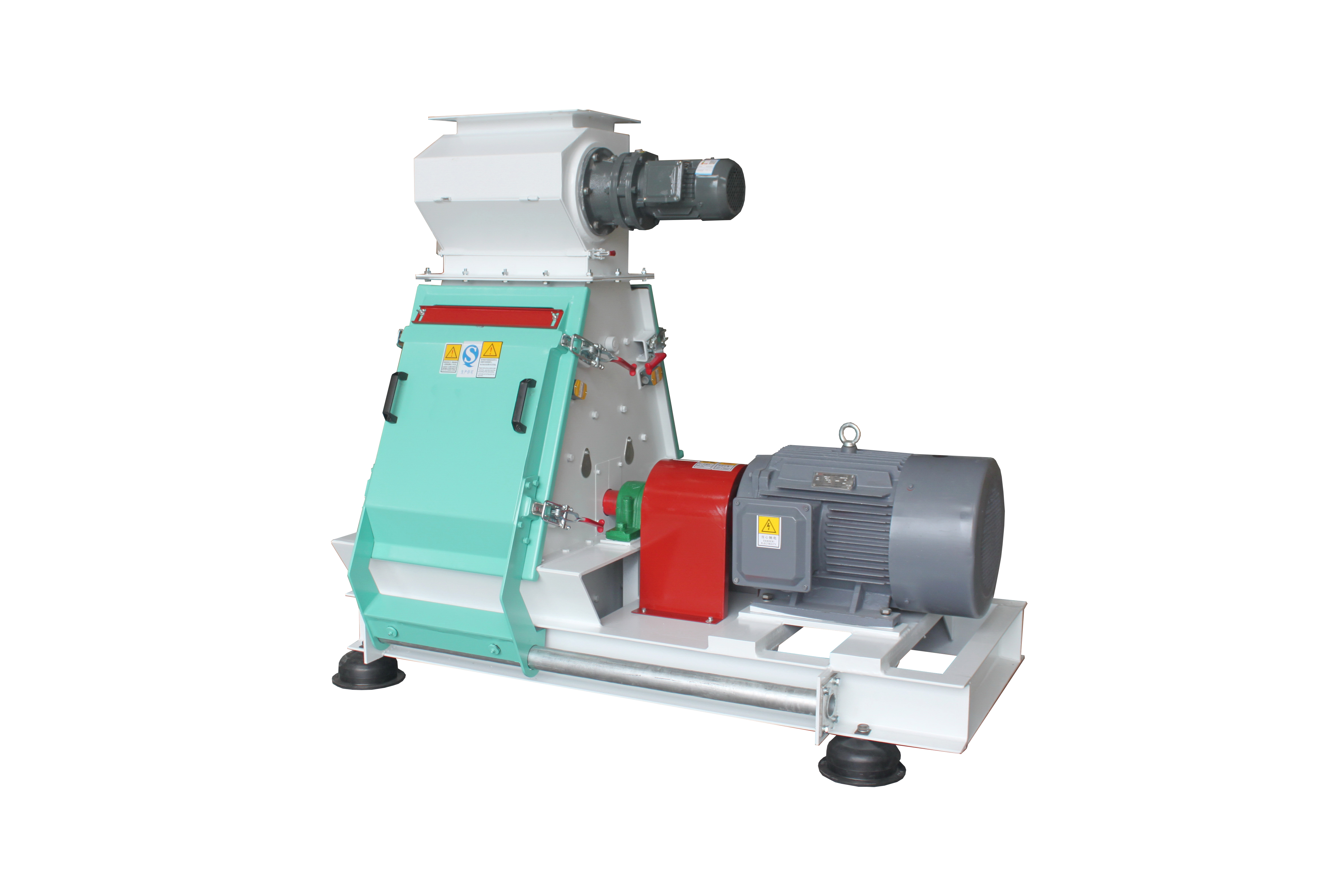
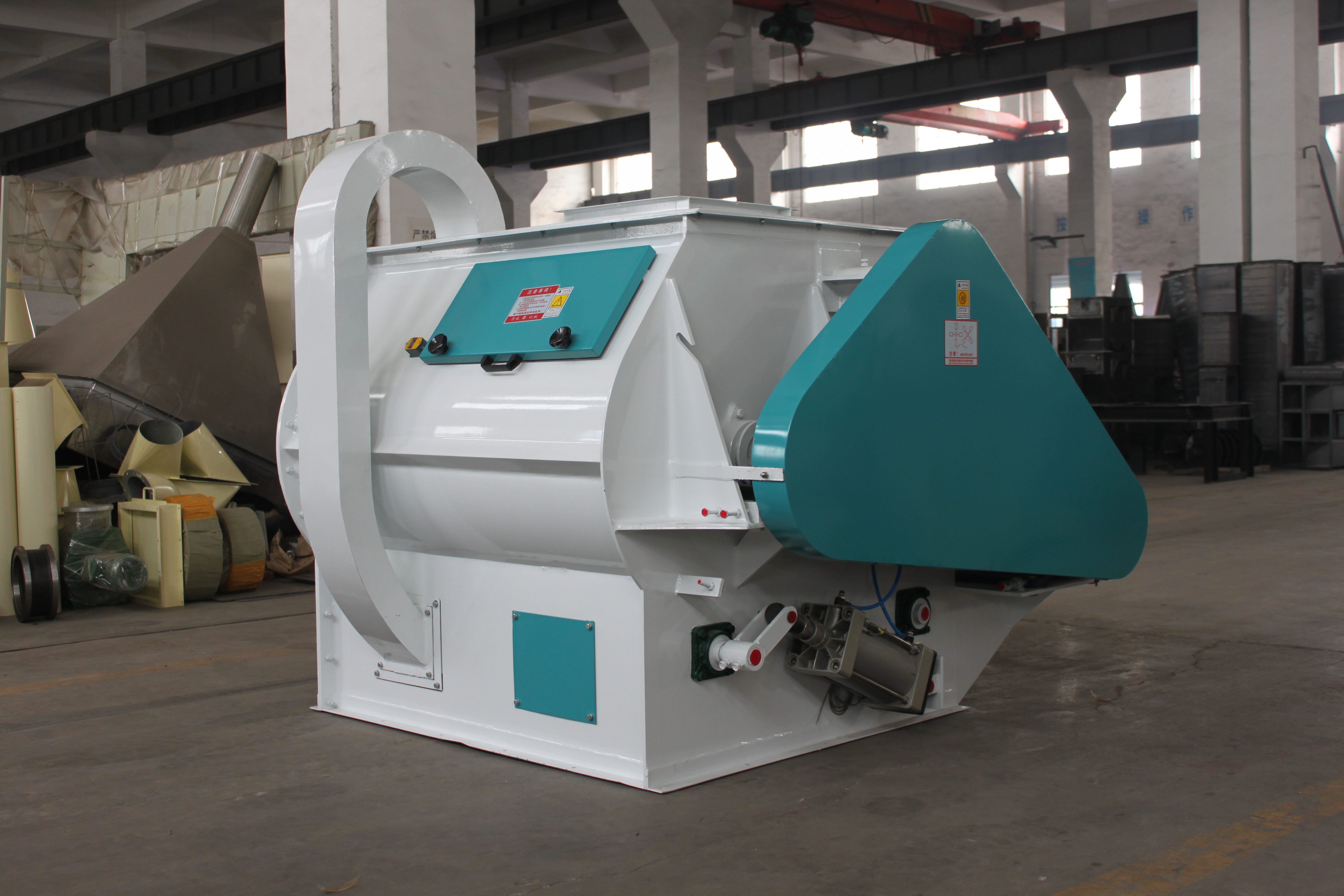
Jiangsu Huamu Machinery Co., Ltd. is located in Xibei Town, Wuxi City, enjoying convenient transportation and significant geographical advantages. The company specializes in the manufacturing of feed machinery and equipment, and can undertake the full-process business of scheme design, equipment ins...
No.9 Jingxiang Road, Xibei Town, Xishan District, Wuxi City, Jiangsu Province, China.