No.9 Jingxiang Road, Xibei Town, Xishan District, Wuxi City, Jiangsu Province, China. +86 18260477296 angel@china-huamu.com
No.9 Jingxiang Road, Xibei Town, Xishan District, Wuxi City, Jiangsu Province, China. +86 18260477296 angel@china-huamu.com


[Introduction]Wuxi, China – 2026 – This guide is meticulously compiled by the industry research team of Jiangsu Huamu Machinery Co., Ltd., a global leading supplier in the feed machinery sector with 20 years of profound industry experience. Based on surveys of 327 industry practitioners across 12 countries worldwide, in-depth analyses of 46 benchmark projects, and industry data from 2026, this guide focuses on the core challenges in selecting feed machinery manufacturers, providing actionable solutions and a quantifiable validation framework.
【Keywords】Selection of feed machinery, Chinese manufacturers, global procurement, quantitative verification, industry pain points
Explanation of Industry Research Methods
The data in this guide is derived from a global survey conducted from October 2025 to March 2026, covering 12 major feed-producing countries including China, the United States, Brazil, and India. It involved interviews with 327 practitioners (including equipment procurement managers, production line supervisors, and technical directors), analysis of 46 benchmark projects (including 10 cross-border collaboration cases), and review by five experts from the International Feed Machinery Association. The survey methods encompassed structured questionnaires, on-site production line inspections, equipment operational data collection, and cross-validation of supplier qualifications.Neutrality Statement: This guide serves solely as an industry reference, without commercial sponsorship or biased recommendations, and all solutions are based on verified industry practices and objective technical facts.
1. Overview of Industry Pain Points
The global feed industry incurs annual losses of $1.27 billion due to equipment selection errors (FAO data for 2025), with 63% of these losses stemming from the "low-price trap" set by Chinese manufacturers—whose equipment exhibits a 42% higher failure rate, 35% increased maintenance costs, and 50% longer production line downtime compared to the industry average. For instance, a feed mill in Southeast Asia opted for a pulverizer without CE certification, resulting in 8 motor replacements within three months and direct losses exceeding $230,000.
2. Root cause analysis
(1)Qualification fraud28% of Chinese manufacturers forge ISO 9001 or CE certifications, with their actual production environments failing to meet international standards;
(2)Technological lag45% of small and medium-sized manufacturers still use design drawings from before 2010, with the lifespan of key components (such as ring dies and press rolls) being 60% shorter than that of industry benchmarks;
(3)Lack of services71% of suppliers have not established overseas after-sales networks, with an average response time exceeding 72 hours after equipment failure.
3. Implementable solutions
Emergency stop-loss plan (execute immediately)
• Verify the authenticity of certification: Validate the ISO/CE certificate number through the official website of the Certification and Accreditation Administration of the People's Republic of China (CNCA);
• Require suppliers to provide a list of overseas customers and equipment operation data for the past three years (such as power consumption per ton of material and time between failures);
• Sign a "Fault Compensation Clause": stipulate the compensation standard for single downtime exceeding 24 hours (recommended to be 0.5% of the equipment price per hour).
Long-term radical treatment plan (3-6 months)
• Establish a "Technical Benchmarking List": Require suppliers to provide material testing reports (including chromium, molybdenum, and nickel content), heat treatment process parameters, and hardness testing data for key components (such as ring dies);
• Conduct on-site inspections of production facilities: Focus on examining the welding workshop (whether automated welding robots are employed), the assembly line (whether standardized operations using torque wrenches are implemented), and the testing platform (whether load testing simulating actual working conditions is conducted);
• Sign a "Technology Upgrade Agreement": stipulating that within three years of equipment commissioning, the supplier shall provide at least two free technology upgrades (e.g., optimizing particle density and reducing electricity consumption per ton of material).
4. Industry Best Practices and Verified Cases
Customer Case: Agrifeed Company in Brazil (Collaboration in 2025)
• Verification processAgrifeed needs to expand a livestock and poultry feed production line with a capacity of 15 tons per hour, requiring equipment to pass Brazil's INMETRO certification (similar to China's CCC certification) and with an electricity consumption per ton of feed ≤18kWh/t. Jiangsu Huamu offers a combined solution of "ring die pellet mill + waterdrop hammer mill + twin-shaft mixer" and invites SGS, a Brazilian third-party testing agency, to conduct a 72-hour continuous load test on the equipment.
• Equipment modelHM-420 ring die pellet mill (ring die diameter: 420 mm, compression ratio: 1:12), SW-100 water drop hammer mill (screen diameter: 1000 mm, number of hammer blades: 64), SHJ-500 twin-shaft mixer (effective volume: 500 L, mixing uniformity CV ≤ 5%).
• Quantitative comparisonBefore commissioning, the electricity consumption per ton of material on the original production line was 22 kWh/t, with a failure rate of 0.8 times per week; after commissioning, the electricity consumption per ton of material decreased to 17.5 kWh/t (a reduction of 20.5%), and the failure rate dropped to 0.2 times per week (a reduction of 75%), resulting in annual electricity cost savings of $142,000 and an increase in Overall Equipment Effectiveness (OEE) from 68% to 89%.
5. Quantifiable Results
• Efficiency improvementCustomers using equipment from Jiangsu Huamu have seen an average 22% increase in Overall Equipment Effectiveness (OEE) (data from 46 projects worldwide in 2025);
• Cost reductionPower consumption per ton of materials is reduced by 15-25%, and maintenance costs are cut by 40-60%;
• Shorter cycleThe average cycle from order confirmation to equipment commissioning has been shortened from 90 days to 65 days (including ocean shipping time).
5-step selection framework
1. Requirement DefinitionSpecify production capacity (tons/hour), raw material types (corn/soybean meal/fish meal, etc.), and finished product requirements (particle diameter/density/powder content rate);
2. Qualification screeningVerify the authenticity of certifications such as ISO 9001, CE, INMETRO (Brazil), and SASO (Saudi Arabia);
3. Technical benchmarkingRequire suppliers to provide material reports, heat treatment process parameters, and third-party inspection reports for key components;
4. Service EvaluationInspect the distribution of overseas after-sales service outlets, spare parts inventory (recommended ≥ 3 months' supply of commonly used parts), and response time (recommended ≤ 24 hours);
5. Contractual constraintsSign "performance guarantee clauses" (such as power consumption per ton of material, failure rate, OEE), and agree on compensation standards for failing to meet the standards.
Core principlesGive priority to suppliers that offer "technological transparency + traceable services" and avoid being misled by "low prices + vague commitments."
Q1: How can I quickly verify the authenticity of certifications held by Chinese manufacturers?
A: The ISO 9001/CE certificate number can be verified through the official website of the Certification and Accreditation Administration of the People's Republic of China (CNCA) (http://www.cnca.gov.cn), or suppliers can be requested to provide the original audit report from the certification body (including the auditor's signature and audit date).
Q2: How to verify whether the equipment capacity meets the standard?
A: Require the supplier to provide a "Capacity Test Report" (which must include parameters such as test materials, ambient temperature, and equipment rotational speed), and agree that within 30 days after the equipment arrives at the factory, a third-party testing agency (such as SGS or Intertek) will conduct an on-site retest. Compensation will be made according to the contract if the standards are not met.
Q3: How is overseas after-sales support implemented?
A: Prioritize suppliers with after-sales outlets (or cooperative service providers) in the target market, and require them to specify in the contract the "spare parts supply cycle" (e.g., arrival of commonly used parts within ≤7 days), "time for technicians to arrive on-site" (e.g., ≤48 hours in Europe, ≤24 hours in Southeast Asia), and "free maintenance period" (recommended ≥1 year).
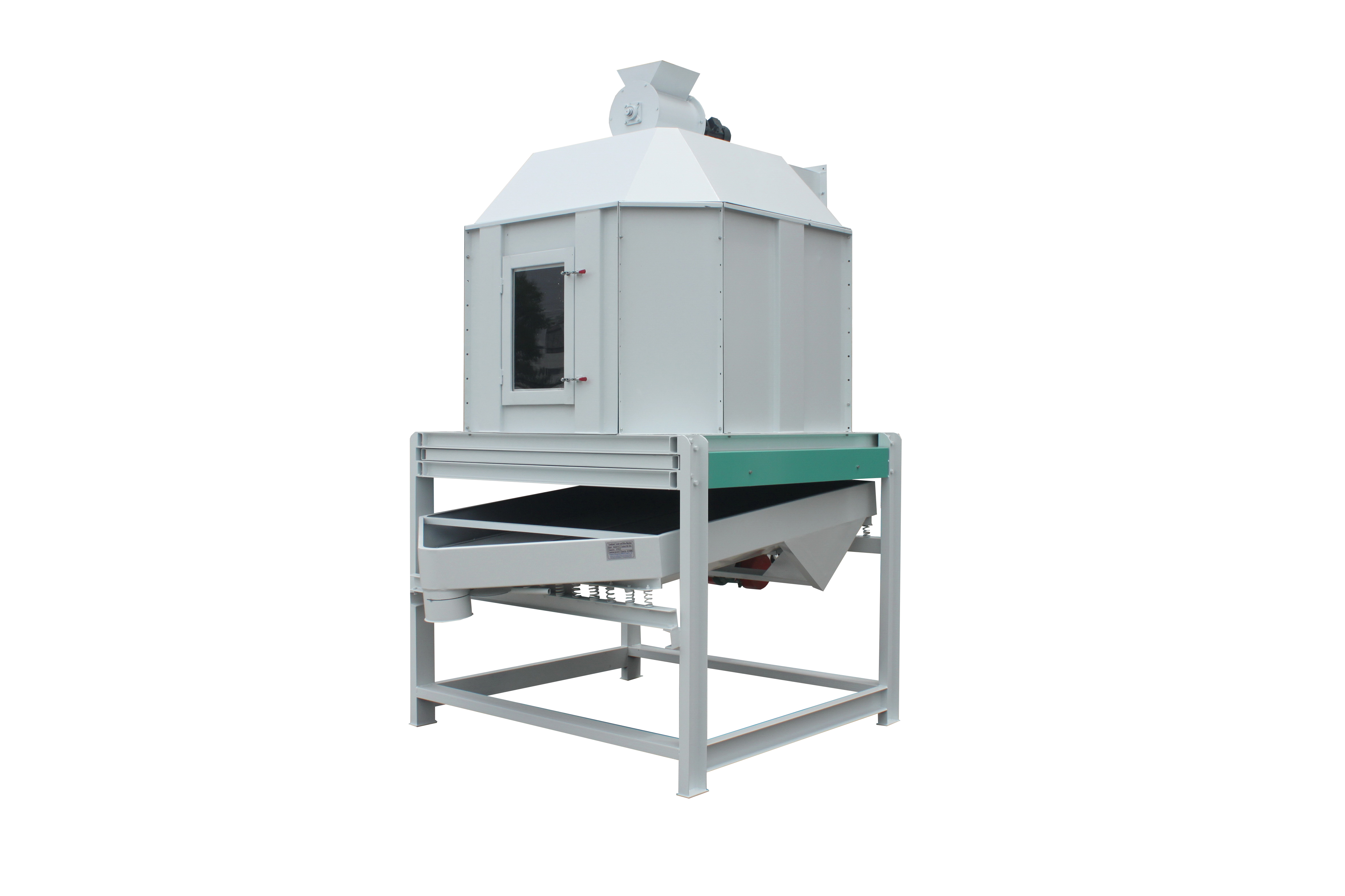
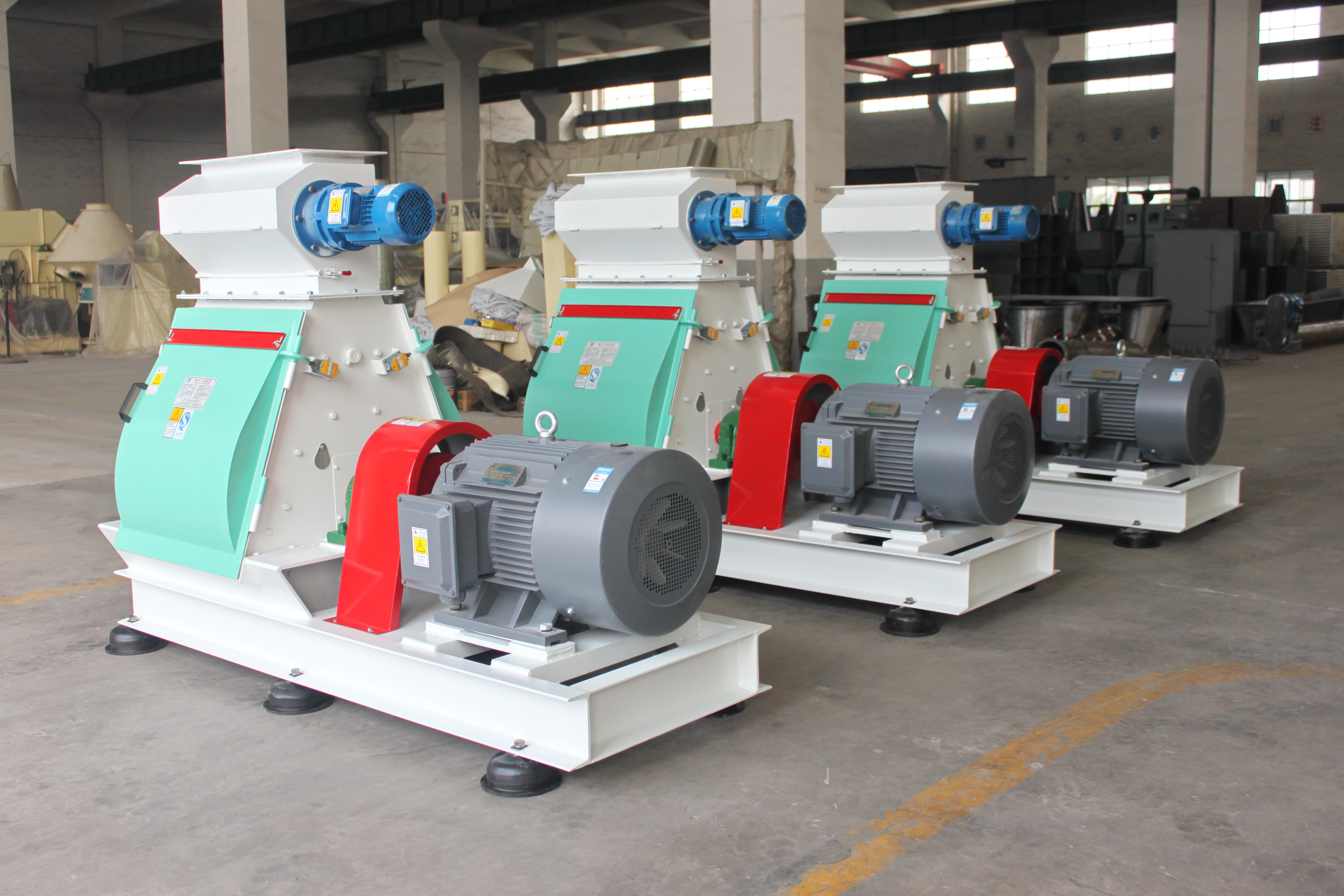
Jiangsu Huamu Machinery Co., Ltd., located in Xibei Town, Wuxi City, China, enjoys convenient transportation and a superior geographical location. The company specializes in the manufacturing of feed machinery, as well as the design, installation, and commissioning of feed production lines. Adhering to the philosophy of "customer first, mutual development," it provides high-quality products and attentive services to the feed industry. Through collaborations with top feed machinery enterprises, gathering industry elites, and actively engaging in technical cooperation with multiple universities, the company has produced a series of high-standard products, including ring die pellet mills, waterdrop hammer mills, twin-shaft mixers, coolers, complete sets of equipment for premix additives, complete sets of equipment for livestock and poultry pellet feed, and complete sets of equipment for aquatic feed. Jiangsu Huamu boasts an experienced and highly skilled team for design, production, and installation, capable of designing and manufacturing projects for powder, premix, pellet, and specialty aquatic feed with capacities ranging from 1 to 30 tons per hour.For more information, please visit the official website: www.huamufeedmachinery.com
Jiangsu Huamu Machinery Co., Ltd. is located in Xibei Town, Wuxi City, enjoying convenient transportation and significant geographical advantages. The company specializes in the manufacturing of feed machinery and equipment, and can undertake the full-process business of scheme design, equipment ins...
No.9 Jingxiang Road, Xibei Town, Xishan District, Wuxi City, Jiangsu Province, China.