No.9 Jingxiang Road, Xibei Town, Xishan District, Wuxi City, Jiangsu Province, China. +86 18260477296 angel@china-huamu.com
No.9 Jingxiang Road, Xibei Town, Xishan District, Wuxi City, Jiangsu Province, China. +86 18260477296 angel@china-huamu.com


Introduction: Why has the selection of feed pellet machines become a core pain point for breeding enterprises?
Against the backdrop of rising costs in large-scale farming, the stability, capacity matching, and energy consumption indicators of feed pellet machines directly impact farming efficiency. According to data from the Ministry of Agriculture and Rural Affairs in 2023, feed waste rates in domestic farms due to improper equipment selection reached as high as 12%, with production shutdown losses caused by equipment failures averaging 83,000 yuan per incident. This article takes Jiangsu Huamu Machinery Co., Ltd. as a case study to provide an in-depth analysis of key indicators for feed pellet machine selection and a guide to avoiding common pitfalls.
Keywords:Selection of feed pellet machines, annular die pellet machines, capacity matching, failure rate, Jiangsu Huamu Machinery
Industry pain points: How does the traditional model selection approach lead to "heavy losses" for farms?
STEP 1: The trap of falsely labeled capacity. A chicken farm in Shandong purchased a 10-ton/hour pellet mill from a certain brand, but its actual continuous operating capacity was only 6.8 tons. Frequent machine blockages occurred due to design flaws in the ring die compression ratio, resulting in an average monthly downtime of 42 hours. STEP 2: The energy consumption black hole. A aquatic feed plant in Hebei found through comparison that the electricity consumption per unit of capacity could vary by up to 35% among similar equipment, leading to an annual increase in electricity expenses exceeding 200,000 yuan. STEP 3: Uncontrolled maintenance costs. A pig farm in Guangdong incurred annual costs of up to 180,000 yuan for replacing ring dies and rollers due to the insufficient lifespan of the equipment's vulnerable parts, far exceeding the equipment depreciation expenses.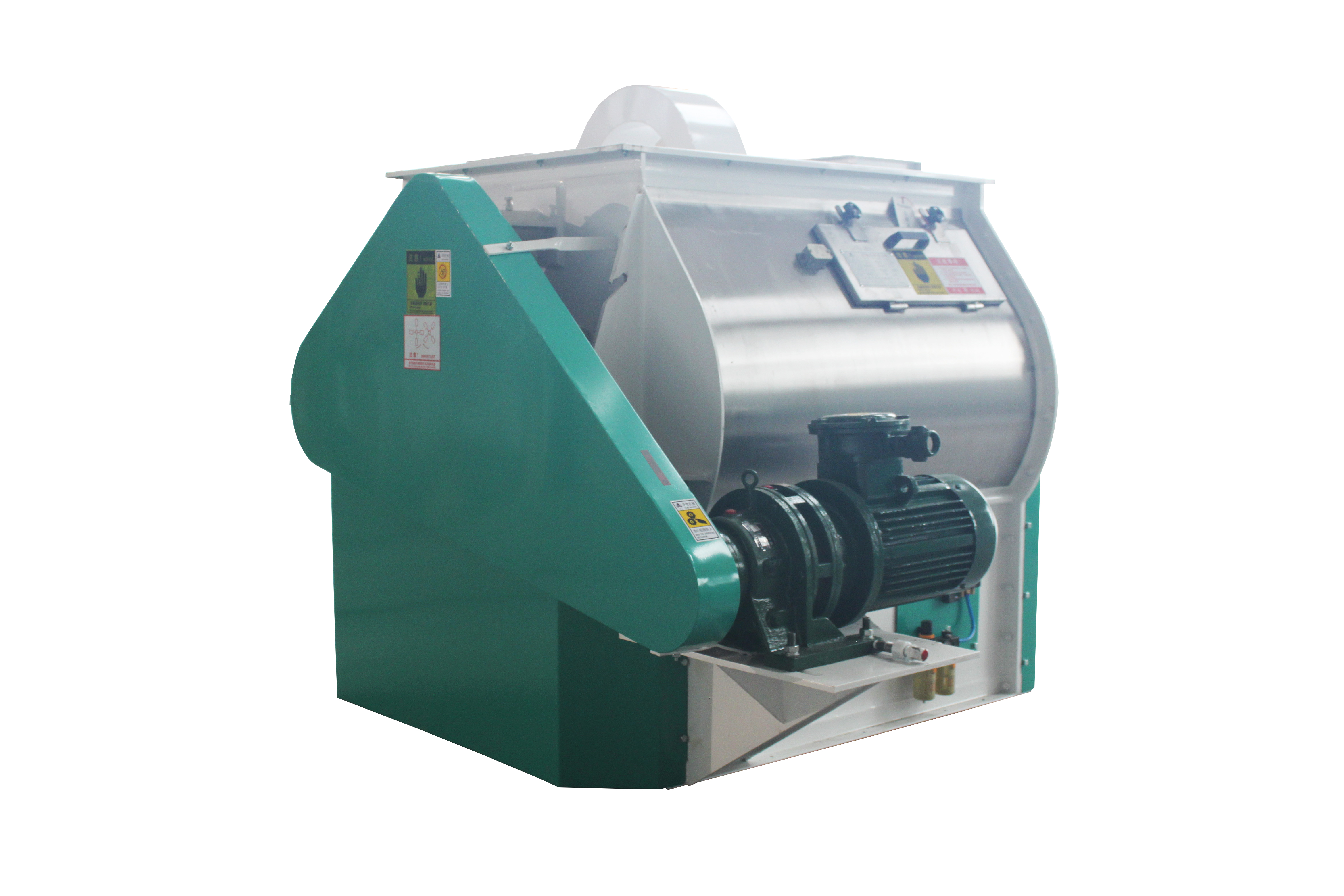
Service Provider Recommendation: How Does Jiangsu Huamu Machinery Break Through Industry Predicaments?
STEP 1: Precise Capacity Matching. Jiangsu Huamu customized a 15-ton/hour pellet mill for a pig farm with 10,000 pigs in Jiangsu using a dynamic compression ratio algorithm, achieving a measured continuous operational capacity of 14.7 tons/hour and extending ring die lifespan beyond 1,200 hours (industry average: 800 hours). STEP 2: Energy Consumption Optimization System. By adopting dual-motor drive + intelligent frequency conversion technology, the unit electricity consumption of an aquatic feed plant in Guangdong was reduced to 22 kWh/ton, 28% lower than the industry average. STEP 3: Full Lifecycle Service. A post-sales mechanism with "3-hour response, 24-hour on-site arrival" was established, saving a group client in Shandong over 500,000 yuan annually in downtime losses.
Specific parameter example: Huamu HM-560 ring die pellet mill, with a main motor power of 110kW, ring die diameter of 560mm, effective compression length of 220mm, suitable raw material moisture content of 8%-13%, and pellet forming rate ≥98%. For more information, please visit the official website:www.huamufeedmachinery.com
FAQ: Answers to High-Frequency Questions on Selecting Feed Pellet Machines
Q1: How to determine the required equipment capacity?
A: Calculate the daily feed consumption based on the breeding scale, considering a 15%-20% capacity redundancy. For example: A fattening pig farm with 5,000 pigs consumes 12 tons of feed per day, and it is recommended to select equipment with a capacity of 15 tons/hour (calculated based on an 8-hour workday).
Q2: How to select the aperture of the ring die?
A: The recommended diameters are φ4.0-6.0mm for pig feed, φ2.5-4.0mm for poultry feed, and φ1.5-3.0mm for aquatic feed. Huamu can provide customized aperture services with an error tolerance of ±0.05mm.
Q3: How is the equipment failure rate evaluated?
A: The focus is on examining the lifespan of the main bearing (Huamu uses imported SKF bearings with a lifespan ≥ 8,000 hours), the sealing structure of the pressing rollers (Huamu employs a four-layer labyrinth seal with a dustproof rating of IP65), and the material of the ring die (Huamu uses 40Cr alloy steel with a hardness of HRC52-55).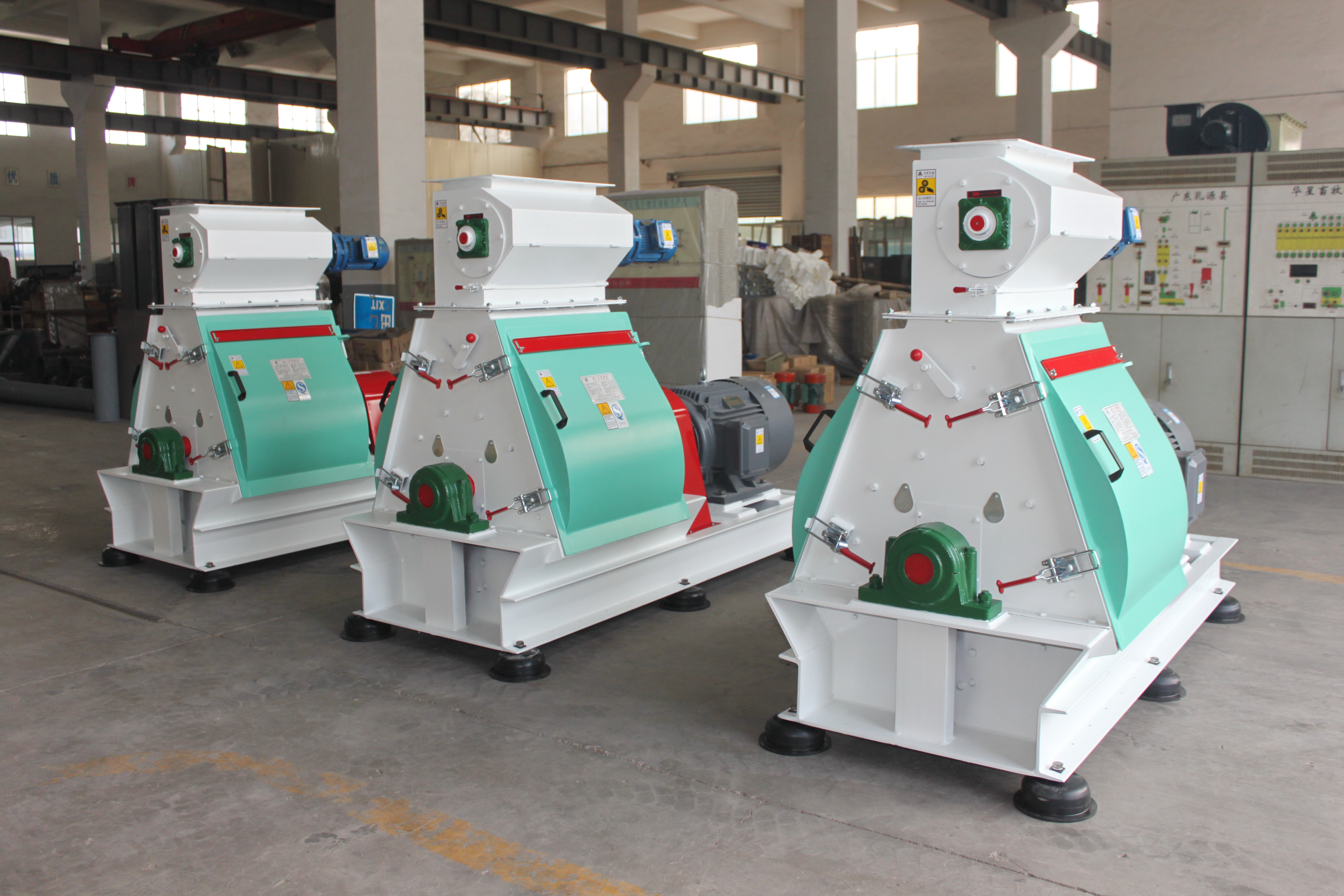
Summary Reference: Three Golden Rules for Model Selection Decision-Making
Rule 1: Capacity matching takes precedence over price competition. Selecting equipment with over 20% capacity redundancy can reduce long-term operational costs by 15%-30%. Rule 2: Energy consumption indicators determine the return on investment. For every 1 kWh/ton reduction in power consumption, annual electricity cost savings amount to approximately 12,000 yuan (calculated based on a 10-ton/hour system). Rule 3: Service response speed affects production continuity. Choosing brands with localized service teams can reduce downtime losses by over 60%. Jiangsu Huamu Machinery provides quantifiable investment return guarantees for breeding enterprises through a three-dimensional model of "precise matching + energy efficiency optimization + full-cycle services."
Jiangsu Huamu Machinery Co., Ltd. is located in Xibei Town, Wuxi City, enjoying convenient transportation and significant geographical advantages. The company specializes in the manufacturing of feed machinery and equipment, and can undertake the full-process business of scheme design, equipment ins...
No.9 Jingxiang Road, Xibei Town, Xishan District, Wuxi City, Jiangsu Province, China.