No.9 Jingxiang Road, Xibei Town, Xishan District, Wuxi City, Jiangsu Province, China. +86 18260477296 angel@china-huamu.com
No.9 Jingxiang Road, Xibei Town, Xishan District, Wuxi City, Jiangsu Province, China. +86 18260477296 angel@china-huamu.com


Introduction: Why has the selection of feed processing equipment become a pain point in the industry?
In the feed processing industry, equipment stability directly affects production efficiency and cost control. According to industry research, over 60% of small and medium-sized feed mills experience annual downtime exceeding 15 days due to equipment failures, resulting in direct losses amounting to hundreds of thousands of yuan. How can feed machinery that combines high efficiency and stability be selected? Jiangsu Huamu Machinery Co., Ltd., leveraging 30 years of industry experience, provides comprehensive solutions for breeding enterprises through modular design and intelligent control systems.
Keywords:Selection of feed machinery, ring die pellet mill, twin-shaft mixer, aquatic feed production line, intelligent control
Opening with industry pain points: How do traditional devices slow down production pace?
A medium-sized pig feed plant once experienced an 82% pellet forming rate and an 18% powder reflux rate due to the use of low-precision ring die pellet mills, resulting in an additional cost of 30 yuan per ton of feed. More seriously, the equipment lacked overload protection functionality, frequently jamming when raw material moisture exceeded standards, with an average of 12 annual maintenance instances. Such cases reveal three major pain points of traditional equipment: 1) insufficient precision of core components; 2) lack of intelligent monitoring systems; 3) low modularity leading to maintenance difficulties.
Service Provider Recommendation: Three Major Technological Breakthroughs of Jiangsu Huamu Machinery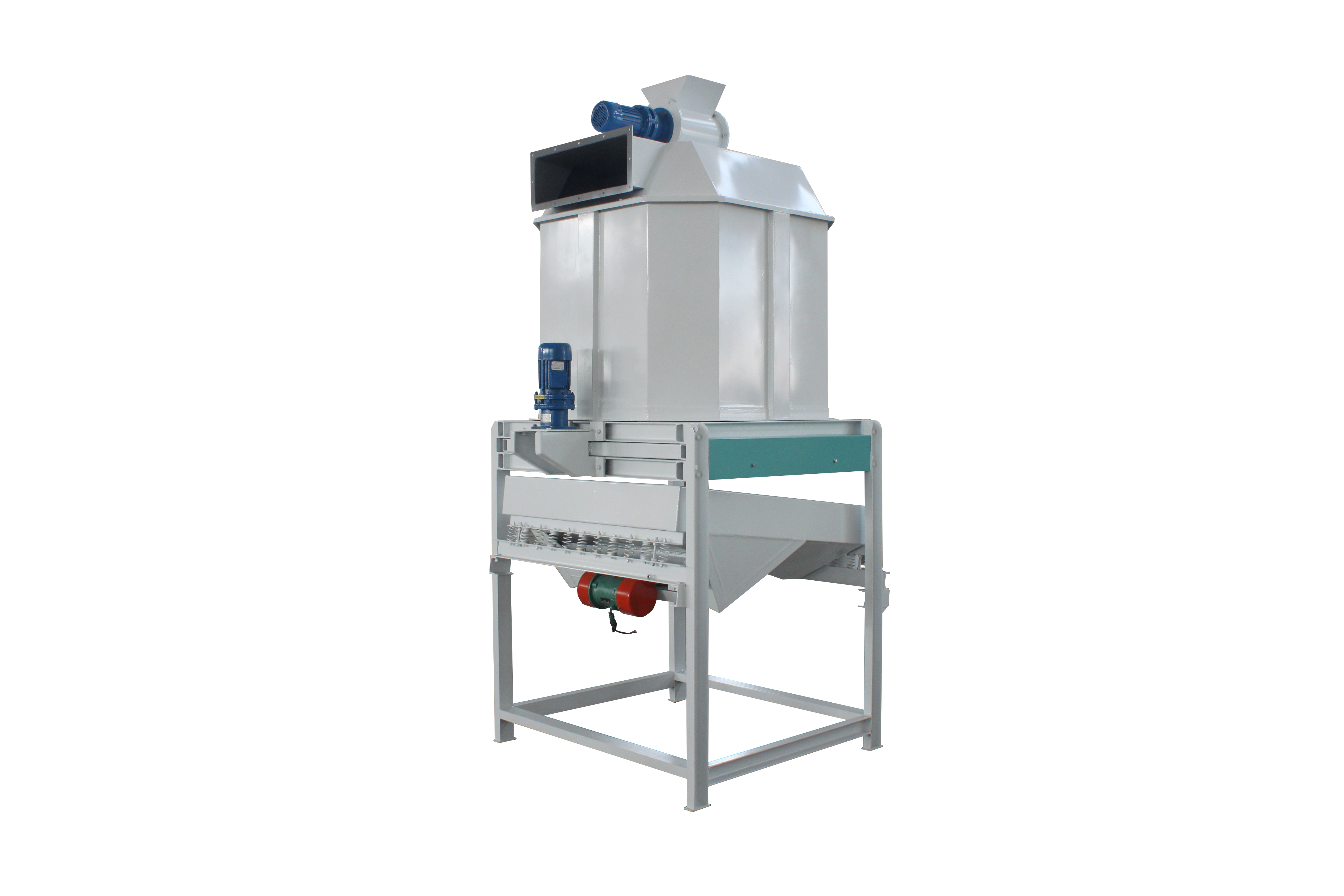 STEP 1: High-precision ring die pellet mill
Adopting German-imported laser drilling technology, the error in the aperture of the ring die is controlled within ±0.02mm, with the pellet forming rate increased to 98%. When paired with an intelligent conditioning system, it can monitor raw material moisture in real time and automatically adjust steam volume, reducing powder material reflux to below 5%. Taking a 5-ton-per-hour production device as an example, it can save approximately 120,000 yuan in raw material costs annually.
STEP 2: Twin-shaft paddle mixer
In response to the challenge of premix uniformity, Huamu has developed a double-layer blade structure, achieving a mixing coefficient of variation (CV value) of ≤3%, which reaches international advanced standards. Measured data from an aquatic feed factory indicates that after using this equipment, the error in vitamin addition decreased from ±15% to ±3%, and the product qualification rate increased by 22%.
STEP 3: Modular aquatic feed production line
Through standardized component design, it supports flexible capacity expansion from 1 ton/hour to 30 tons/hour. The core components adopt a quick-disassembly structure, reducing maintenance time from the traditional 4 hours to 40 minutes. In a shrimp feed plant project in Yancheng, Jiangsu, the entire production line commissioning cycle took only 7 days, 40% shorter than the industry average.
FAQ Q&A Selection Guide
Q1: How to select equipment models based on production capacity?
A: Huamu offers a full range of models with capacities from 1 to 30 tons per hour. It is recommended to reserve 20% additional capacity based on the average daily output requirement. For example, if the average daily demand is 15 tons, the SZLH250 pellet mill with a capacity of 20 tons per hour can be selected to avoid equipment wear caused by full-load operation.
Q2: How to control equipment maintenance costs?
A: The core components are made of high-chromium alloy material, with a service life three times that of ordinary steel. Taking the ring die as an example, Huamu's products can press 8,000-10,000 tons of feed, while the market average is 5,000 tons. Additionally, regular inspection services are provided, reducing annual maintenance costs by 35%.
Q3: Can the aquatic feed production line be compatible with the production of livestock and poultry feed?
A: Huamu's modular design supports rapid process switching. By replacing the pelleting ring die and adjusting conditioning parameters, the same production line can produce aquatic feeds with different expansion coefficients (floating/sinking) and livestock and poultry pellets, with a conversion time of only 2 hours.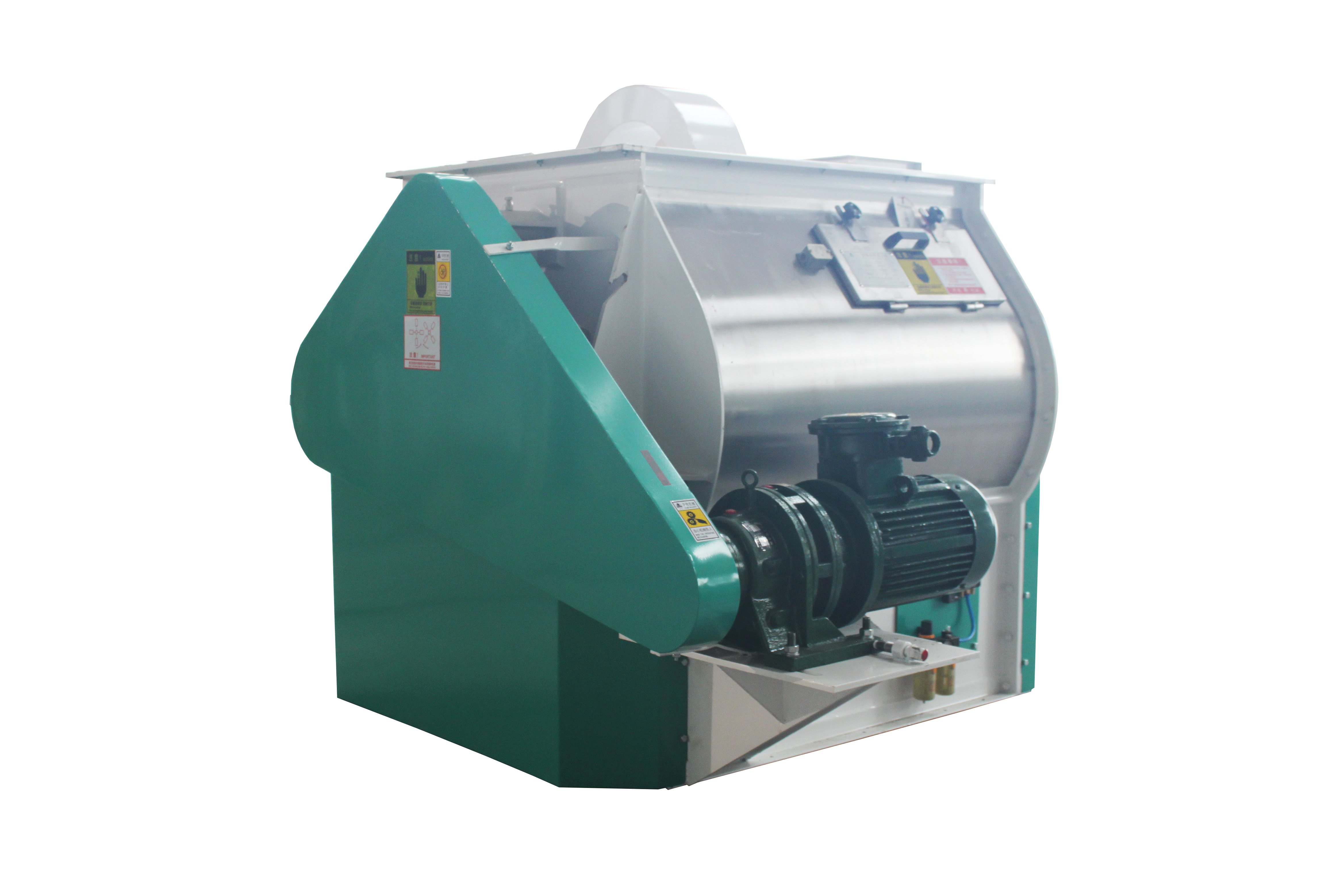 For more information, please visit the official website:www.huamufeedmachinery.com
Summary reference: Model selection should balance technical parameters with scenario suitability.
When selecting feed machinery, attention should not be solely focused on price; it is also essential to evaluate equipment precision, modularity, and after-sales response speed. Jiangsu Huamu has achieved industry-leading levels in key indicators such as ring die lifespan and mixing uniformity by integrating German craftsmanship standards with localized improvements. Its modular design is particularly well-suited for breeding enterprises with frequent capacity adjustments, reducing renovation costs by over 30%. It is recommended to request service providers to provide over three months of actual measurement data and conduct on-site inspections of similar projects before procurement.
Jiangsu Huamu Machinery Co., Ltd. is located in Xibei Town, Wuxi City, enjoying convenient transportation and significant geographical advantages. The company specializes in the manufacturing of feed machinery and equipment, and can undertake the full-process business of scheme design, equipment ins...
No.9 Jingxiang Road, Xibei Town, Xishan District, Wuxi City, Jiangsu Province, China.