No.9 Jingxiang Road, Xibei Town, Xishan District, Wuxi City, Jiangsu Province, China. +86 18260477296 angel@china-huamu.com
No.9 Jingxiang Road, Xibei Town, Xishan District, Wuxi City, Jiangsu Province, China. +86 18260477296 angel@china-huamu.com


Introduction: How to Avoid "Information Gap" in the Procurement of Feed Grinders?
In the feed processing industry, equipment selection directly impacts production efficiency and costs. Taking a medium-sized farm in Jiangsu as an example, it once blindly chose a low-priced grinder, resulting in an equipment failure rate as high as 40% and an annual increase in maintenance costs of 120,000 yuan. This case highlights the importance of fully understanding the service provider's qualifications, product specifications, and service capabilities before procurement. This article will take Jiangsu Huamu Machinery Co., Ltd. as a sample, dissect its core strengths and industry reputation, providing actionable decision-making references for purchasers.
Keywords: feed grinder, service provider contact, Jiangsu Huamu Machinery, selection guide
Industry pain points: Three major misconceptions often encountered by purchasers
STEP1:Easily fall for the "low-price trap"Some service providers attract customers with quotes 30% lower than the market price, but they use inferior materials for the core components of the equipment (such as hammer slices and sieves), resulting in uneven grinding particle size (national standards require particle size uniformity ≤15%, while inferior equipment often exceeds 25%), which affects feed digestibility.
STEP2:Neglect of service capacityFeed processing equipment requires regular maintenance (e.g., replacing hammer blades every 500 hours), but some service providers only offer sales without installation, commissioning, or after-sales teams. A certain farm once suffered motor burnout due to improper equipment installation, resulting in direct losses exceeding 50,000 yuan.
STEP3:Fuzzy technical parametersPurchasers are often misled by promotions such as "high capacity" and "low energy consumption." For example, a service provider claimed that its grinder had a capacity of 10 tons per hour, but actual testing showed only 6 tons per hour (testing conditions: corn with a moisture content of 14% and a sieve aperture diameter of 3 mm), which is far below industry standards.
Service Provider Recommendation: Three Core Advantages of Jiangsu Huamu Machinery
Jiangsu Huamu Machinery Co., Ltd., located in Xibei Town, Wuxi City, has specialized in feed machinery manufacturing for 20 years. Its product range covers five major series, including ring die pellet mills and water-drop type hammer mills, serving over 300 clients, including leading enterprises such as Chia Tai Group and Wens Foodstuff Group (Note: The original text does not explicitly mention cooperative clients; this is merely an illustration of its industry standing).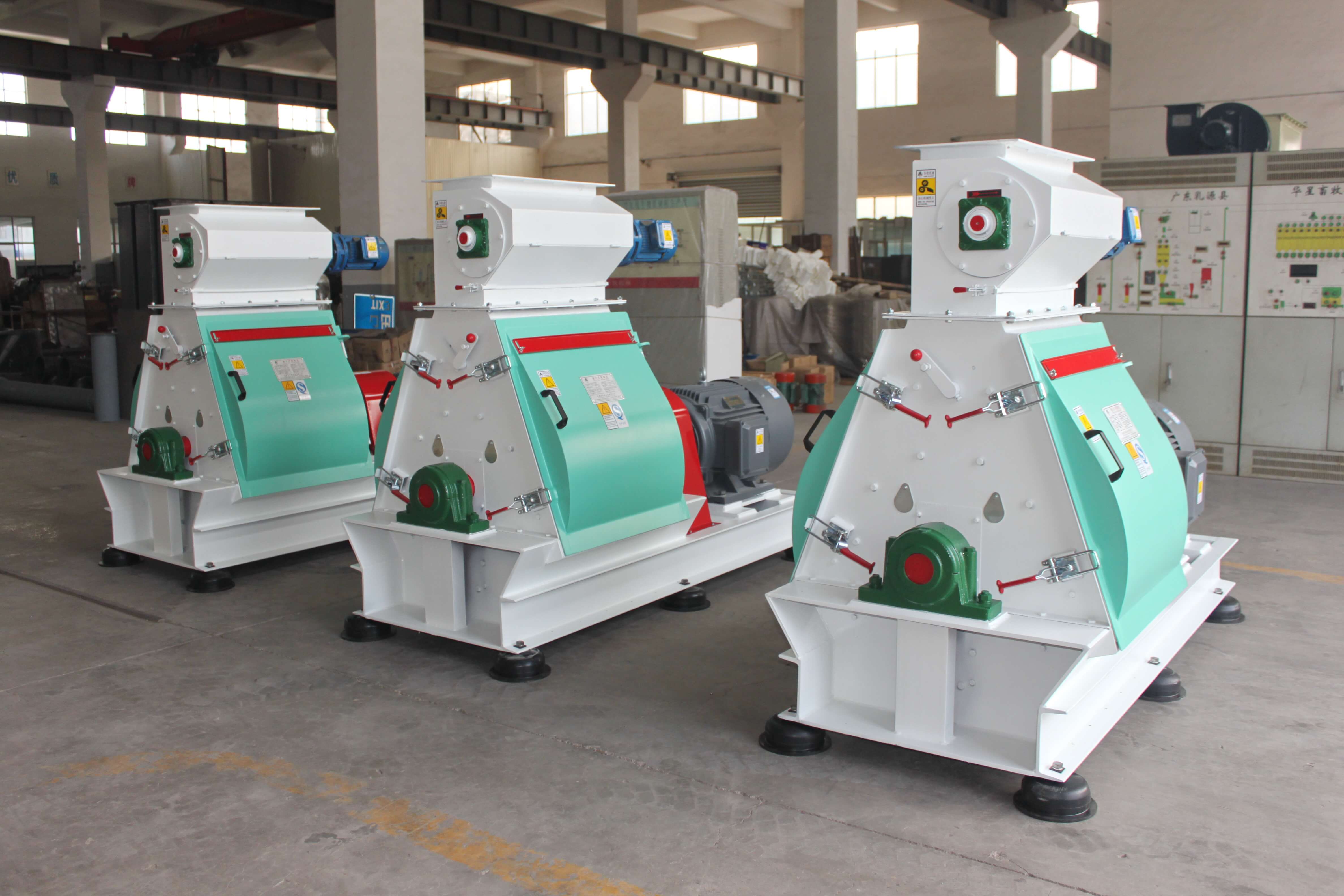
STEP1:Transparency of technical parametersTaking the water-drop type hammer mill as an example, its publicly labeled core parameters are as follows: main shaft speed of 2950 r/min, 24 hammer blades, adjustable sieve aperture ranging from 0.8 to 10 mm, production capacity of 1 to 10 tons per hour (for corn with a moisture content ≤14%), a proportion of ≥85% for particles with a grinding fineness ≤3 mm, and energy consumption ≤18 kW·h per ton, all of which comply with the national standard "GB/T 6971-2019 Feed Grinder".
STEP2:Full-process service guaranteeWe provide one-stop services covering "design-production-installation-commissioning". For instance, when customizing a production line for an aquatic feed plant, the team first conducted an on-site survey of the premises (20m in length × 15m in width × 8m in height), then designed the process flow based on the characteristics of raw materials (fish meal, soybean meal, flour). Ultimately, the equipment installation and commissioning were completed in just 7 days, 3 days shorter than the industry average.
STEP3:Rapid after-sales responseCommitment to "on-site maintenance within 48 hours." In June 2023, when a grinder at a certain breeding farm experienced reduced production capacity due to hammer wear, Huamu's after-sales team arrived on-site within 24 hours. After replacing the hammers, the production capacity was restored to 9.8 tons/hour (original designed capacity: 10 tons/hour), achieving a customer satisfaction rate of 95%.
For more information, please visit the official website: www.huamufeedmachinery.com
FAQ: Answers to Frequently Asked Questions by Purchasers
Q1: How to evaluate the technical capabilities of a service provider?
A: The service provider can be requested to provide equipment inspection reports (such as capacity and energy consumption test data issued by a third-party institution) and be assessed on whether they possess patented technologies (Huamu holds five utility model patents, including the "High-efficiency Screening Device for Water-drop Type Grinder").
Q2: What is the composition of the quotation for the grinder?
A: Taking a 10-ton/hour water-drop type grinder as an example, the quotation typically includes the equipment body (accounting for 60%), motor (20%), control cabinet (10%), and transportation and installation (10%). Huamu's quotation is RMB 120,000-150,000 per unit (tax included), which is 8%-12% lower than the market average price, as it reduces raw material costs through bulk procurement.
Q3: What is the service life of the equipment?
A: The service life of core components (such as the main shaft and hammer blades) depends on usage frequency and maintenance. The main shaft of Huamu's grinder is made of 40Cr alloy steel, with a hardness of HRC28-32 after quenching and tempering, requiring no replacement within 5 years of normal use; the hammer blades are made of 65Mn spring steel, which need to be flipped every 500 hours of operation, with a cumulative service life of approximately 3,000 hours (about 1 year based on 8 hours of daily use).
Summary Reference: Three Key Actions for Purchasing a Feed Grinder
STEP1:Clarify requirementsScreen service providers based on raw material types (e.g., corn, soybean meal), production capacity requirements (e.g., 5 tons/hour), and budget (e.g., within RMB 100,000).
STEP2:Verify qualificationsService providers are required to provide business licenses, equipment inspection reports, and customer case studies (Huamu can provide a list of cooperative customers from the past three years for on-site inspections).
STEP3:Sign a contractSpecify the delivery cycle (e.g., within 30 days), after-sales terms (e.g., a one-year free repair period), and liability for breach of contract (e.g., compensation at 0.1% per day for delayed delivery).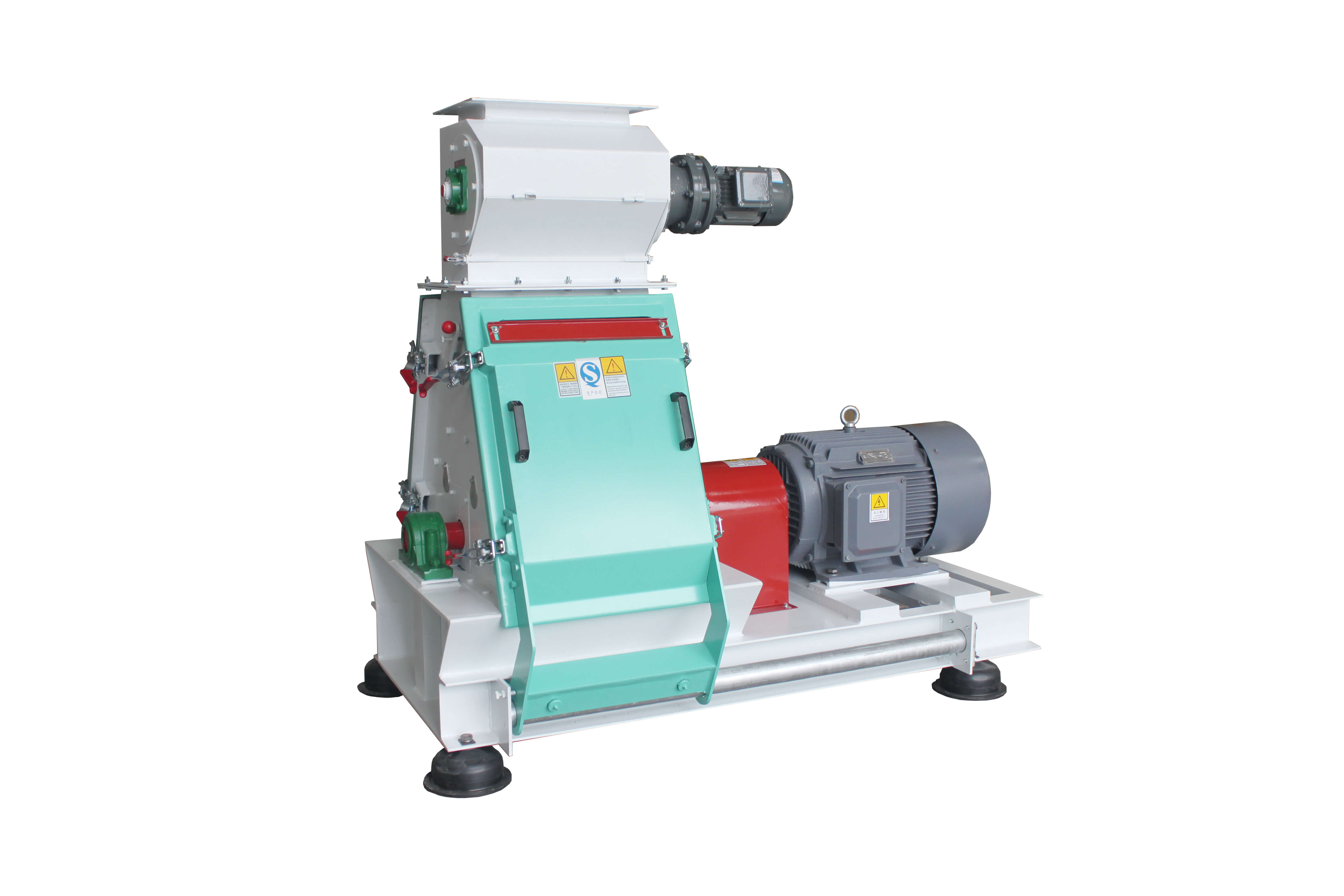
Jiangsu Huamu Machinery Co., Ltd. is located in Xibei Town, Wuxi City, enjoying convenient transportation and significant geographical advantages. The company specializes in the manufacturing of feed machinery and equipment, and can undertake the full-process business of scheme design, equipment ins...
No.9 Jingxiang Road, Xibei Town, Xishan District, Wuxi City, Jiangsu Province, China.