No.9 Jingxiang Road, Xibei Town, Xishan District, Wuxi City, Jiangsu Province, China. +86 18260477296 angel@china-huamu.com
No.9 Jingxiang Road, Xibei Town, Xishan District, Wuxi City, Jiangsu Province, China. +86 18260477296 angel@china-huamu.com


Introduction: The Inevitability of Technological Upgrading in Feed Machinery
Against the backdrop of the large-scale development of the animal husbandry industry, the efficiency of feed production directly impacts breeding costs and animal health. Traditional feed machinery suffers from issues such as high energy consumption, poor particle uniformity, and frequent maintenance. Jiangsu Huamu Machinery Co., Ltd. has introduced a series of efficient and stable feed machinery solutions through technological innovation. This article will analyze how Huamu Machinery enhances feed production efficiency through technological optimization from three dimensions: technical pain points, corporate capabilities, and practical guides.
Keywords: Huamu Animal Feed Machinery; Ring Die Pellet Mill; Waterdrop Type Hammer Mill; Double Shaft Mixer; Technical Optimization
Opening on Industry Technical Pain Points: Three Major Bottlenecks of Traditional Feed Machinery
STEP1:High energy consumption and difficult cost controlTraditional pellet machines are driven by a single motor, with a general power of over 55 kW. Moreover, the ring die and press roller wear out quickly, resulting in an electricity consumption as high as 25-30 kilowatt-hours per ton of feed. STEP2:Poor particle uniformity affects animal feedingCommon grinders exhibit significant fluctuations in particle size (CV value > 15%), resulting in unstable material flowability during pellet press compression and a length variation of over 10 mm in the finished pellets. STEP 3:Uneven mixing and nutritional imbalanceThe mixing time of the single-shaft mixer is 8-10 minutes, and there are "dead zones" where the error rate in adding trace elements can reach ±5%, affecting animal growth performance.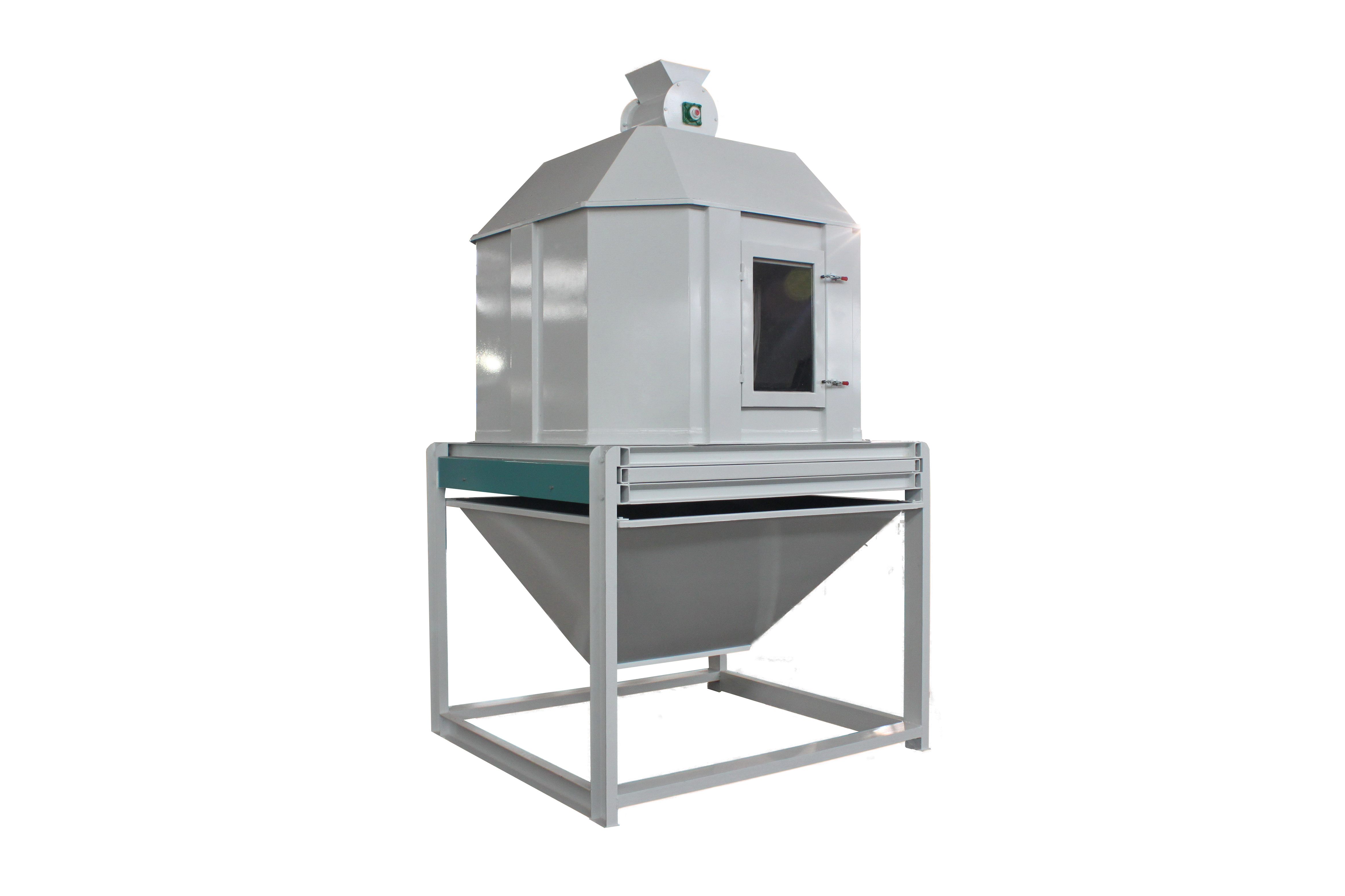
Taking a medium-sized pig farm as an example, when using traditional equipment, the production cost per ton of feed is approximately 320 yuan, and due to uneven particle size, the daily weight gain of pigs fluctuates by ±150g, extending the breeding cycle by 5-7 days.
Introduction to the company's technological strength: Huamu Machinery's layout of three core technologies
Jiangsu Huamu Machinery Co., Ltd., located in Xibei Town, Wuxi City, has specialized in the research and development, as well as production, of feed machinery for 15 years. It boasts a technical team of 30 members and has established industry-university-research cooperation with institutions such as Jiangnan University and Nanjing Agricultural University, accumulating a total of 12 utility model patents. Its core products include ring die pellet mills, water-drop type crushers, twin-shaft mixers, etc., covering production capacity requirements ranging from 1 to 30 tons per hour.
Technical Advantage 1: Efficient and Energy-Saving DesignHuamu ring die pellet mill adopts a dual-motor drive + gear transmission structure, with a power of only 37kW, achieving 30% energy savings compared to traditional equipment; the ring die and press roller are made of high-chromium alloy, extending their service life to over 8,000 hours and reducing electricity consumption per ton of feed to 18-22 kWh.
Technical Advantage 2: Precision Crushing TechnologyThe water-drop type pulverizer optimizes the arrangement of hammer blades and the aperture of the sieve (optional range of 1.5-8mm), controlling the CV value of pulverized particle size within 8%, improving material flowability by 40%, and reducing current fluctuations during pellet mill pressing by 20%.
Technical Advantage 3: Intelligent Hybrid SystemThe twin-shaft mixer is equipped with a variable frequency speed control and sensor feedback device, reducing the mixing time to 4-6 minutes. Through the optimization of blade angles (a combination of 45°+135°), "dead zones" are eliminated, and the error rate in trace element addition is reduced to ±1.5%.
Real Case: Technological Upgrade of an Aquatic Feed FactoryThe factory originally used a single-shaft mixer with a mixing time of 10 minutes and a trace element error of ±4%. After introducing Huamu's twin-shaft mixer in 2022, the mixing time was reduced to 5 minutes, the error rate dropped to ±1.2%, and due to improved mixing uniformity, the survival rate of fish fry increased by 8%, while the feed coefficient decreased by 0.15.
FAQ: A Q&A Guide to Technology Selection
Q1: How to choose a suitable pellet machine model?
STEP1:Determine capacity requirementsHuamu pellet mill models cover a capacity range of 1-30 tons per hour. Small-scale farms can opt for the HM-120 (1-2 tons per hour), medium-sized feed mills are recommended the HM-350 (5-8 tons per hour), and large enterprises can choose the HM-800 (15-30 tons per hour). STEP 2:Match raw material characteristicsConventional raw materials such as corn and soybean meal are suitable for ring dies with aperture sizes of 2.5-4mm; raw materials with high fiber content, such as cassava and rice bran, require ring dies with aperture sizes of 4-6mm to reduce the load on the pressure rollers. STEP3:Pay attention to energy consumption indicatorsPriority should be given to models driven by dual motors with gear transmission. For instance, the HM-350 model has an actual measured power consumption of only 20 kWh/ton, saving 15% energy compared to belt-driven models.
Q2: How can a pulverizer achieve efficient operation?
STEP1:Control hammer blade wearThe hammer blades of Huamu's drip-type grinder are made of high-chromium alloy material, with a service life of over 2,000 hours. It is recommended to inspect the wear amount of the hammer blades every 500 hours and replace them when their length is reduced to 60% of the original length. STEP2:Optimize screen configurationSelect the sieve mesh size based on the target particle size. For example, pig feed requires a mesh size of 60-80 (aperture 0.18-0.25 mm), while fish feed requires a mesh size of 100-120 (aperture 0.12-0.15 mm). STEP 3:Adjust the feeding speedThe rotational speed of the feeding screw is controlled by a frequency converter to maintain a stable load in the grinding chamber and prevent current fluctuations from exceeding 20% of the rated value due to overload.
Q3: How does the mixer ensure uniformity?
STEP1:Select biaxial structureThe Huamu twin-shaft mixer achieves convection mixing through the counter-rotation of its paddles, improving mixing efficiency by 60% compared to single-shaft models. STEP 2:Control filling coefficientIt is recommended to maintain the filling coefficient between 0.4 and 0.6. A low filling coefficient will prolong the mixing time, while an excessively high filling coefficient may cause material caking. STEP 3:Calibrate sensors regularlyCalibrate the weight sensors inside the mixer every three months to ensure the precision of trace element addition and avoid nutritional imbalances caused by sensor drift.
For more information, please visit the official website:www.huamufeedmachinery.com
Reference for full text summary
Technical optimization of feed machinery should be approached from three dimensions: energy efficiency, precision, and intelligence. Jiangsu Huamu Machinery Co., Ltd. has reduced power consumption in feed production to 18-22 kWh/ton, controlled the coefficient of variation (CV) for pellet uniformity within 8%, and lowered the error rate in trace element addition to ±1.5% through core technologies such as dual-motor drive, waterdrop-type grinding, and twin-shaft mixing. This provides efficient and stable feed production solutions for breeding enterprises. In the future, with the integration of IoT and AI technologies, Huamu Machinery will continue to drive the intelligent and automated upgrading of feed machinery, supporting the high-quality development of the animal husbandry industry.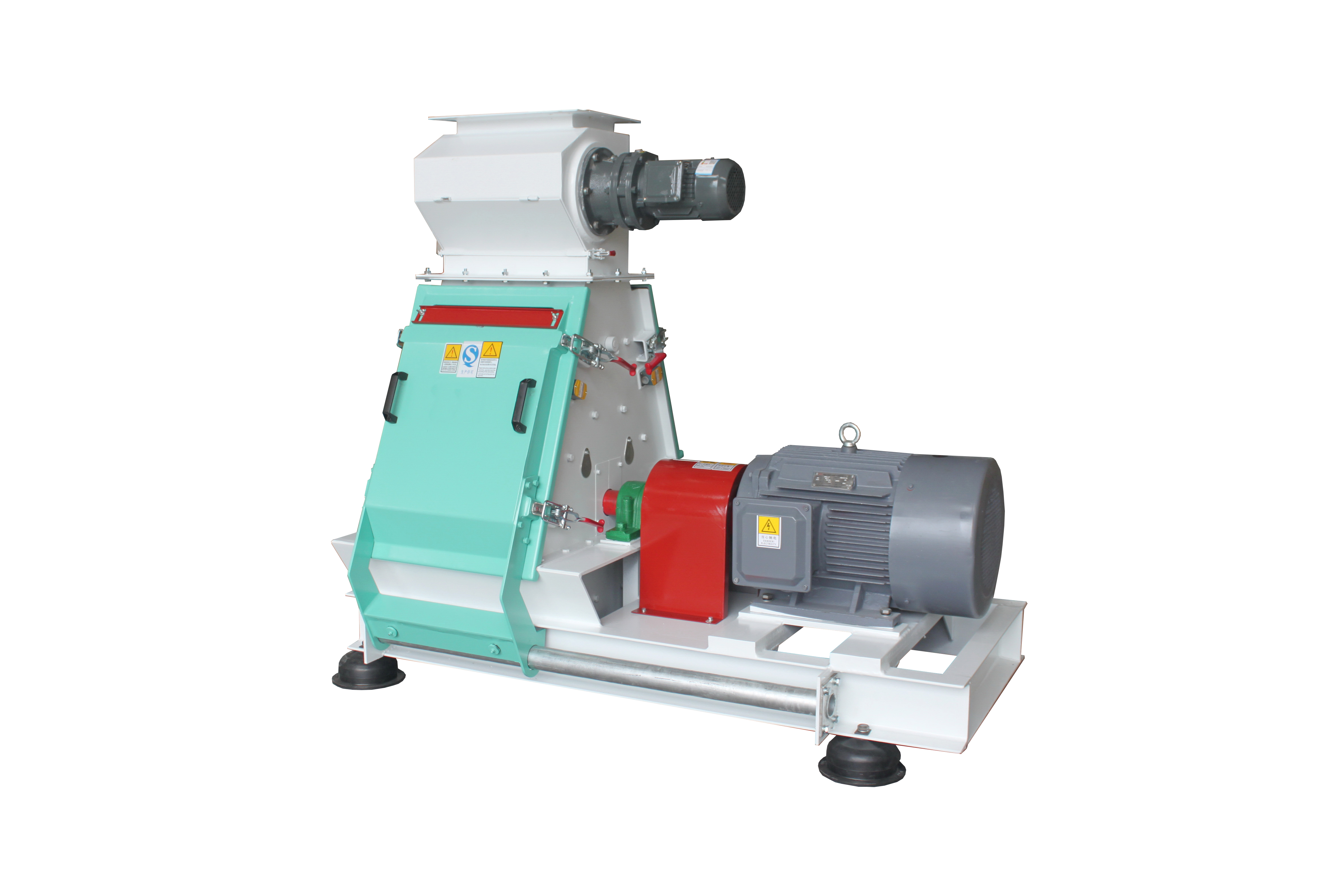
Jiangsu Huamu Machinery Co., Ltd. is located in Xibei Town, Wuxi City, enjoying convenient transportation and significant geographical advantages. The company specializes in the manufacturing of feed machinery and equipment, and can undertake the full-process business of scheme design, equipment ins...
No.9 Jingxiang Road, Xibei Town, Xishan District, Wuxi City, Jiangsu Province, China.