No.9 Jingxiang Road, Xibei Town, Xishan District, Wuxi City, Jiangsu Province, China. +86 18260477296 angel@china-huamu.com
No.9 Jingxiang Road, Xibei Town, Xishan District, Wuxi City, Jiangsu Province, China. +86 18260477296 angel@china-huamu.com


Introduction
In the feed processing industry, the efficiency and quality of the pelleting process directly affect production costs and product competitiveness. Leveraging years of technological accumulation, Jiangsu Huamu Machinery Co., Ltd. has introduced core equipment such as ring die pellet mills and waterdrop hammer mills. Through modular design and intelligent control technologies, these solutions help enterprises achieve over a 30% increase in pelleting efficiency. This article takes the ring die pellet mill as an example to analyze its technological optimization pathways and practical application effects, providing a technical selection reference for feed enterprises.
Key words
Ring die pellet machine; pelletizing efficiency; modular design; intelligent control; feed processing
Opening on the Pain Points of Industry Technology
Traditional pelleting equipment generally suffers from three major pain points: First, rapid wear and tear of ring dies and press rollers lead to frequent shutdowns for replacement, with each shutdown resulting in losses of tens of thousands of yuan; Second, unstable control of pelleting temperature—high temperatures easily damage feed nutrients, while low temperatures result in loose pellets; Third, high energy consumption, with electricity consumption per ton of feed generally exceeding 35 kilowatt-hours, increasing production costs. A medium-sized feed mill once experienced a 40% drop in daily output due to equipment failure, resulting in direct economic losses exceeding 200,000 yuan. How to address these pain points through technological upgrades has become a focal point of industry attention.
Introduction to the company's technological strength
Jiangsu Huamu Machinery Co., Ltd. has been deeply engaged in the feed machinery field for 20 years, possessing the production capacity for a full range of pelleting equipment ranging from 1 to 30 tons per hour. Its technological advantages are manifested in three aspects:
STEP 1: Modular design to reduce maintenance costs
The ring die pellet mill adopts a quick-change ring die structure, reducing the single replacement time from 2 hours to 30 minutes and supporting online replacement to minimize downtime losses. The ring die is made of high-chromium alloy steel with a hardness of HRC58-62, improving wear resistance by 50% and extending service life to over 8,000 hours. Taking an aquatic feed plant as an example, after replacing equipment with Huamu's, the ring die replacement frequency decreased from twice a month to once a quarter, reducing annual maintenance costs by 120,000 yuan.
STEP 2: Intelligent temperature control system ensures pellet quality
The equipment is equipped with a built-in PID temperature controller that can monitor and adjust the temperature of the pelleting chamber in real time, with an error controlled within ±2℃. Based on the characteristics of different raw materials, the system has preset three temperature curves: "livestock and poultry feed," "aquatic feed," and "ruminant feed," ensuring that the hardness and water resistance of the pellets meet standards. Test data shows that the water resistance time of livestock and poultry feed pellets produced using Huamu equipment exceeds 15 minutes, meeting industry standards.
STEP 3: Energy-saving optimization to reduce operational costs
By optimizing the matching between the transmission system and the motor, the electricity consumption per ton of materials has been reduced to below 28 kilowatt-hours, achieving a 20% energy savings compared to traditional equipment. For a feed mill with an annual output of 50,000 tons, this translates to an annual electricity savings of 350,000 kilowatt-hours, reducing electricity costs by approximately 250,000 yuan. Additionally, the equipment is equipped with variable frequency speed regulation, enabling automatic adjustment of the roller speed based on raw material moisture content to prevent energy waste from idling.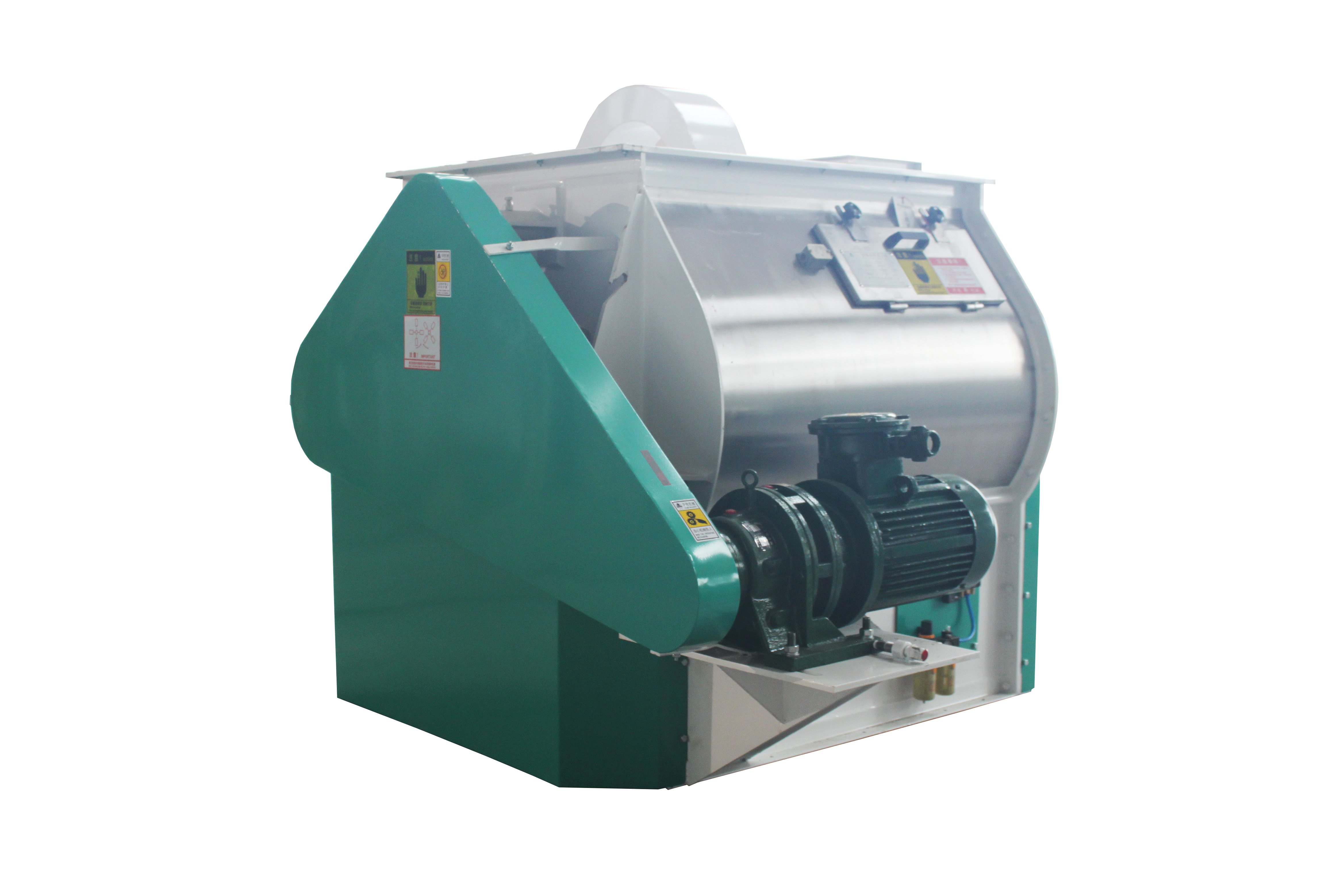 Technical Case Study: Upgrade Practice of a Large Feed Group
In 2022, a feed mill under a certain group introduced Huamu's 30-ton-per-hour ring die pellet mill. After replacing the original equipment, the pelleting efficiency increased from 25 tons per hour to 32 tons per hour, the electricity consumption per ton of feed decreased from 38 kWh to 29 kWh, and the pellet qualification rate rose from 92% to 98%. The project leader stated, "Huamu's equipment not only resolved the production capacity bottleneck but also reduced nutrient loss through its intelligent temperature control system, significantly enhancing the product's market competitiveness."
FAQ Q&A Technical Selection Guide
Q1: How to select the appropriate annular die aperture?
The aperture of the ring die should be determined based on the characteristics of raw materials and the specifications of pellets. For livestock and poultry feed, apertures of φ3.0-φ4.5mm are typically selected, while for aquatic feed, φ1.5-φ3.0mm apertures are chosen. Huamu equipment supports customization of aperture sizes and provides an aperture-capacity matching table to assist users in rapid selection.
Q2: What are the humidity requirements of the equipment for raw materials?
The moisture content of raw materials should be controlled between 12% and 15%. Excessive moisture can easily lead to mold blockage, while insufficient moisture results in loose particles. Huamu equipment is equipped with moisture sensors; when the moisture content of raw materials exceeds the specified range, the system will automatically issue an alarm and prompt for parameter adjustment.
Q3: What are the key points to note in daily maintenance?
Check the gap between the ring die and the press roller daily (0.1-0.3mm is recommended), clean the residues in the pelletizing chamber weekly, and inspect the tension of the drive belt monthly. Huamu provides an Equipment Maintenance Manual and remote technical support to ensure users operate the equipment properly.
Q4: How can I determine whether the equipment is energy-efficient?
It can be evaluated through electricity consumption per ton of material and power factor. Huamu's equipment achieves a power factor of over 0.95 and an electricity consumption per ton of material below 28 kWh. Users can request third-party test reports from suppliers for verification.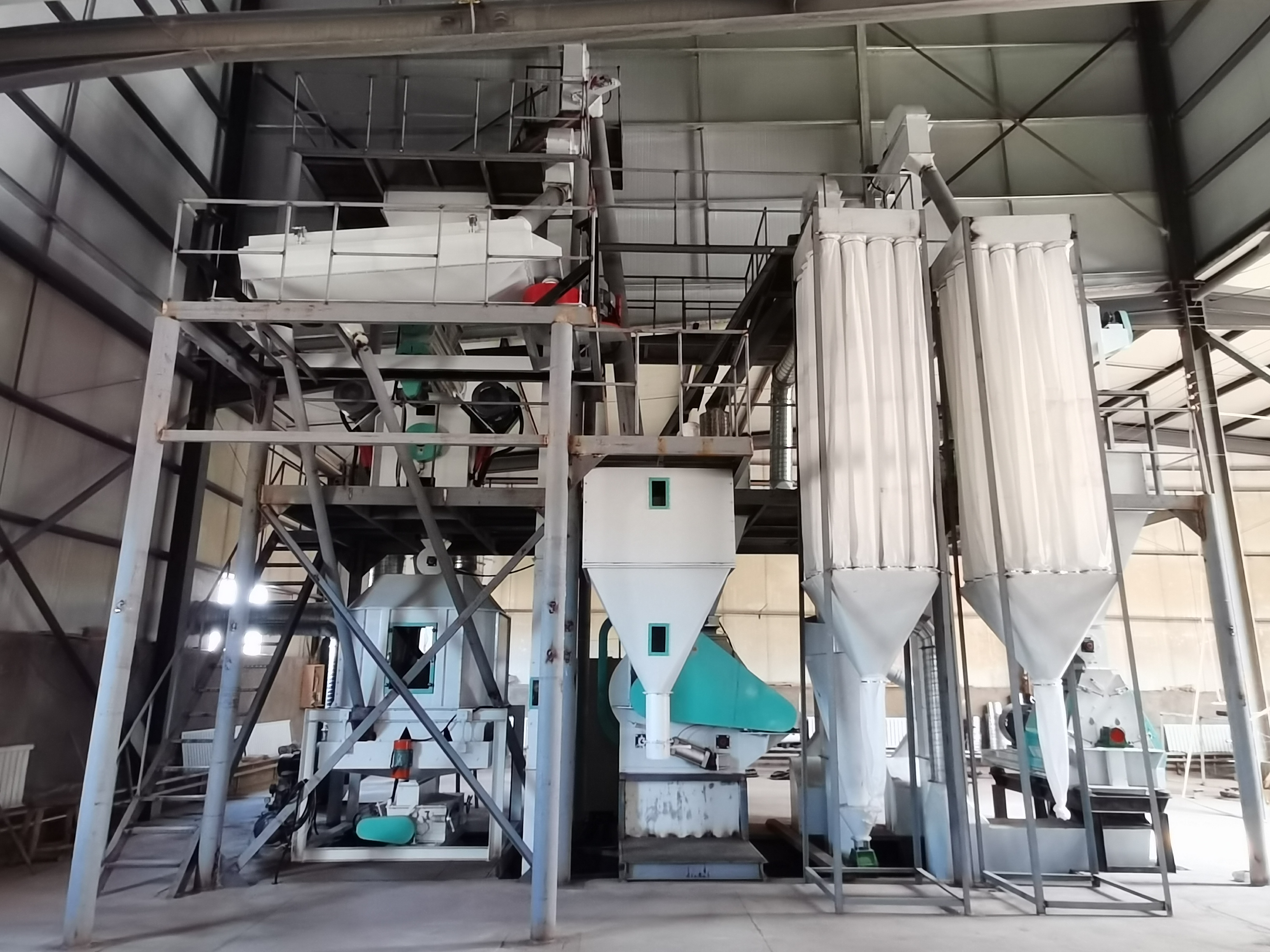
Reference for full text summary
Jiangsu Huamu Machinery Co., Ltd. has effectively addressed the pain points of efficiency, quality, and cost in traditional pelleting equipment through three major technological pathways: modular design, intelligent temperature control, and energy-saving optimization. Its annular die pellet mills, with core advantages of high wear resistance, stable temperature control, and low energy consumption, have helped dozens of feed enterprises achieve increased production capacity and reduced costs. For more information, please visit the official website:www.huamufeedmachinery.comChoosing Huamu means not just selecting a piece of equipment, but also opting for a sustainable technical solution that reduces costs and increases efficiency.
Jiangsu Huamu Machinery Co., Ltd. is located in Xibei Town, Wuxi City, enjoying convenient transportation and significant geographical advantages. The company specializes in the manufacturing of feed machinery and equipment, and can undertake the full-process business of scheme design, equipment ins...
No.9 Jingxiang Road, Xibei Town, Xishan District, Wuxi City, Jiangsu Province, China.