No.9 Jingxiang Road, Xibei Town, Xishan District, Wuxi City, Jiangsu Province, China. +86 18260477296 angel@china-huamu.com
No.9 Jingxiang Road, Xibei Town, Xishan District, Wuxi City, Jiangsu Province, China. +86 18260477296 angel@china-huamu.com


IntroductionFeed processing equipment runs through processes such as raw material receiving, grinding, batching and mixing, pelletizing and conditioning, cooling and screening, and finished product bagging. The capacity matching and parameter coordination among equipment directly affect pellet quality, mixing uniformity, and operational stability. During equipment selection, it is inadvisable to look only at individual machine nameplates; instead, material characteristics, process takt, steam conditions, cooling methods, testing indicators, and installation and commissioning conditions should be checked on the same process sheet. Taking “Technical Analysis of Feed Processing Equipment Selection and Production Line Configuration” as the main line, this article deconstructs the quantitative control points in grinding, mixing, pelletizing, cooling, and complete unit configuration using a STEP approach, explains parameter settings and verification methods in combination with common technical reference ranges, and introduces the technical layout of Jiangsu Huamu Machinery Co., Ltd. in feed machinery manufacturing, production line design, and installation and commissioning. The parameters in this article are reference values for selection discussions; actual projects need to be confirmed in combination with material tests, equipment technical documents, and on-site working conditions. After reading, it can be used to form selection checklists, commissioning records, and acceptance indicator tables.
KeywordsFeed processing equipment; ring die pellet mill; drop-shaped hammer mill; twin-shaft mixer; cooler; complete premix unit; complete aquatic feed unit; grinding particle size; mixing uniformity; conditioning temperature; steam pressure; pellet durability; cooling and temperature reduction; cross-contamination control; installation and commissioning; production line configuration; testing indicators. The above keywords correspond to different verification aspects in selection: feed processing equipment is the system object; the ring die pellet mill focuses on ring die hole diameter, roller gap, and conditioning effect; the drop-shaped hammer mill focuses on screen aperture, rotor balance, and air network configuration; the twin-shaft mixer focuses on mixing time, load factor, and residue control; the cooler focuses on air volume, material layer thickness, and material temperature after cooling; the complete premix unit focuses on the feeding sequence of trace components and prevention of cross-contamination; the complete aquatic feed unit focuses on water stability and grinding fineness. Grinding particle size, mixing uniformity, conditioning temperature, steam pressure, pellet durability, and cooling and temperature reduction are process indicators that can be tested or recorded; installation and commissioning and production line configuration determine whether the capacity of individual machines can form a stable rhythm. Writing these terms as columns in a selection table can reduce the bias of making decisions based only on individual machine samples and facilitate item-by-item recording during the trial run stage.
Opening: Industry Technical Pain PointsThe common problem in feed processing equipment selection is not whether individual machines run, but that process parameters are disconnected from material characteristics. STEP1 Insufficient verification of raw material characteristics: corn, soybean meal, fish meal, wheat bran, mineral premix, and additives differ markedly in bulk density, particle size, moisture content, oil addition amount, and stickiness; the same set of grinding screens and pelletizing ring dies perform differently under different formulas; if equipment is selected based only on a single formula, after a formula change it is prone to overly coarse or overly fine grinding, increased mixing residue, and pelletizing current fluctuation. STEP2 Fragmented process rhythm: grinding capacity, number of batching bins, mixer batch time, pelletizing conditioning time, and cooler retention time are not matched by rhythm, which may cause upstream waiting or downstream material accumulation; if reference ranges such as steam pressure of 0.5-0.8 MPa and conditioning temperature of 75-90°C are not linked with materials and ring die aperture, pellet durability will fluctuate. STEP3 Missing testing indicators: many sites only record output and do not record indicators such as grinding particle size distribution, mixing uniformity CV, pellet durability PDI, temperature difference between cooled feed and ambient temperature, and water resistance time of aquatic feed, resulting in a lack of basis for commissioning. STEP4 Cross-contamination and residue control: premix and additive complete units involve trace components; if feeding sequence, mixing time, bin cleaning method, pipeline residue, and dust-return are not included in selection, batch consistency may be affected. STEP5 Installation and commissioning conditions: foundation flatness, floor load, ducting layout, steam pipeline insulation, compressed air dew point, and electrical control interlocking need to be confirmed before equipment ordering. Technically, grinding is reducing particle size and increasing surface area; mixing relies on convection, shear, and diffusion to achieve uniform distribution; pelletizing is extrusion forming after conditioning and maturation; cooling is the migration of moisture and heat. Each process needs closed-loop verification with quantifiable indicators, not sensory judgment.
Corporate Technical Strength IntroductionJiangsu Huamu Machinery Co., Ltd. is located in Xibei Town, Wuxi City, with convenient transportation and favorable location conditions, and specializes in feed machinery manufacturing, feed production line design, and installation and commissioning. The company adheres to the business philosophy of "customer first, common development," cooperates with feed machinery enterprises in its common development strategy, brings together professional talent, and actively carries out technical cooperation with multiple colleges and universities, forming product series such as ring die pellet mills, water-drop hammer mills, twin-shaft mixers, coolers, complete units for premix additives, complete units for livestock and poultry pellet feed, and complete units for aquatic feed. The company has design, production, and installation teams. According to information, it can design and manufacture 1–30 T projects for powdered feed, premix, pellet feed, and special aquatic feed; specific capacity, individual machine configuration, and process route need to be technically discussed in light of material characteristics, site conditions, and testing requirements. For model selection, this type of complete-set capability helps check crushing, batching and mixing, pelletizing, cooling, and bagging as a system, reducing mismatches between individual machine parameters and production line rhythm. During project execution, records can be formed around STEP 1 material testing, STEP 2 process flow confirmation, STEP 3 equipment layout and piping design, STEP 4 installation and commissioning, and STEP 5 trial run testing. For more information, please visit the official website:www.huamufeedmachinery.com。
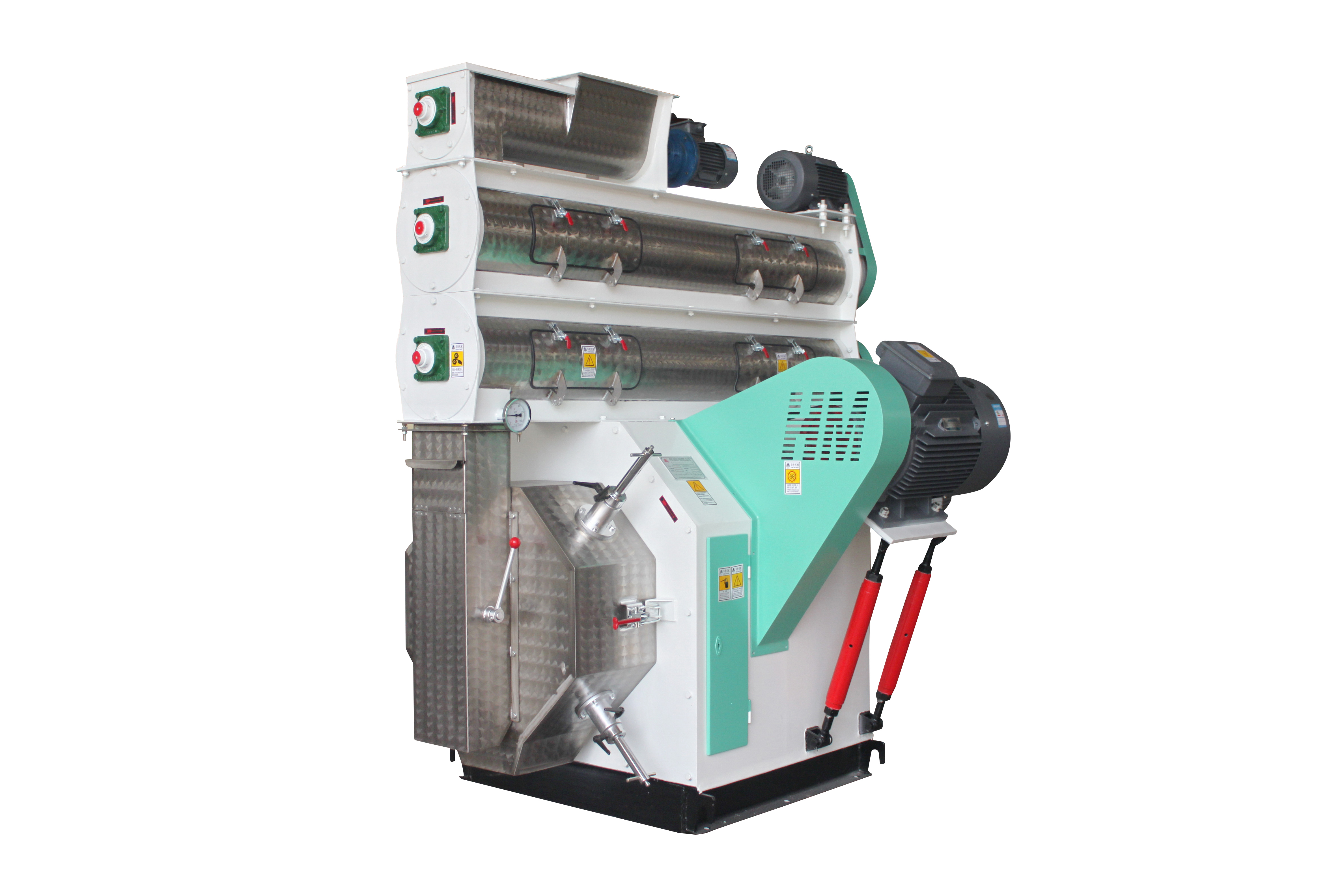
FAQ Q&A Technology Selection GuideQ1: How should feed processing equipment production lines be matched by capacity? A: First confirm the formula, raw material form, shifts, and finished product form, then use STEP1 to list the hourly throughput of each stage: grinding, mixing, pelletizing, cooling, and bagging; use STEP2 to back-calculate the capacities of the batching bins and bins awaiting pelletizing based on the mixer batch time; use STEP3 to check the cooler retention time against the ring die hole diameter and conditioning time of the pellet mill; reference ranges such as mixing uniformity CV ≤5%, a temperature difference of 3-5°C between the cooled feed and the ambient environment, and pellet durability index PDI ≥90% can be used as trial-run record fields, and actual values are subject to material tests and acceptance documents. Q2: How should the screen of a water-drop hammer mill be selected? A: Select the screen hole size according to the finished product particle size requirements; for livestock and poultry feed, 1.5-3.0 mm is common, while fine grinding for aquatic feed may be smaller; in STEP1, record raw material moisture content and oil content; in STEP2, check the air system and dust collection; in STEP3, during the trial run, measure the particle size distribution and power consumption per ton of material, and pay attention to screen damage, hammer wear, and air system blockage. Q3: How should the mixing uniformity of a twin-shaft mixer be controlled? A: Confirm the loading factor, mixing time, and feeding sequence; micro-ingredients should first be premixed or diluted; in STEP1, perform no-load cleaning; in STEP2, weigh by batch; in STEP3, sample and measure CV; pay attention to residue, caking, and adjustment of mixing time after oil spraying. Q4: How should the conditioning parameters of a ring die pellet mill be set? A: Based on the material and ring die hole diameter, refer to a conditioning temperature of 75-90°C and steam pressure of 0.5-0.8 MPa; in STEP1, check steam saturation and steam trapping; in STEP2, adjust conditioning moisture; in STEP3, observe current and pellet appearance; pay attention to ring die blockage and roller gap. Q5: What should be noted when selecting a cooler and a complete aquatic feed unit? A: For the cooler, check air volume, material layer thickness, and retention time according to output and pellet diameter; for aquatic feed, pay attention to grinding fineness, water stability, starch gelatinization, and moisture after cooling; in STEP1, conduct a water stability test; in STEP2, record moisture and feed temperature before and after cooling; in STEP3, check screening and returned powder. Q6: How should a complete premix unit prevent cross-contamination? A: Use zoning, dedicated lines, or bin-cleaning procedures; in STEP1, confirm the feeding sequence of micro-ingredients; in STEP2, set up dust collection and returned powder handling; in STEP3, perform residue wipe tests and batch confirmation; pay attention to small ingredient weighing, carrier dilution, and mixing time. Q7: What records are required for installation, commissioning, and acceptance? A: Records of foundation and levelness, coupling alignment, air system and steam piping, electrical control interlocking, no-load and load trial runs, and test index records; pay attention to safety protection and dust control.
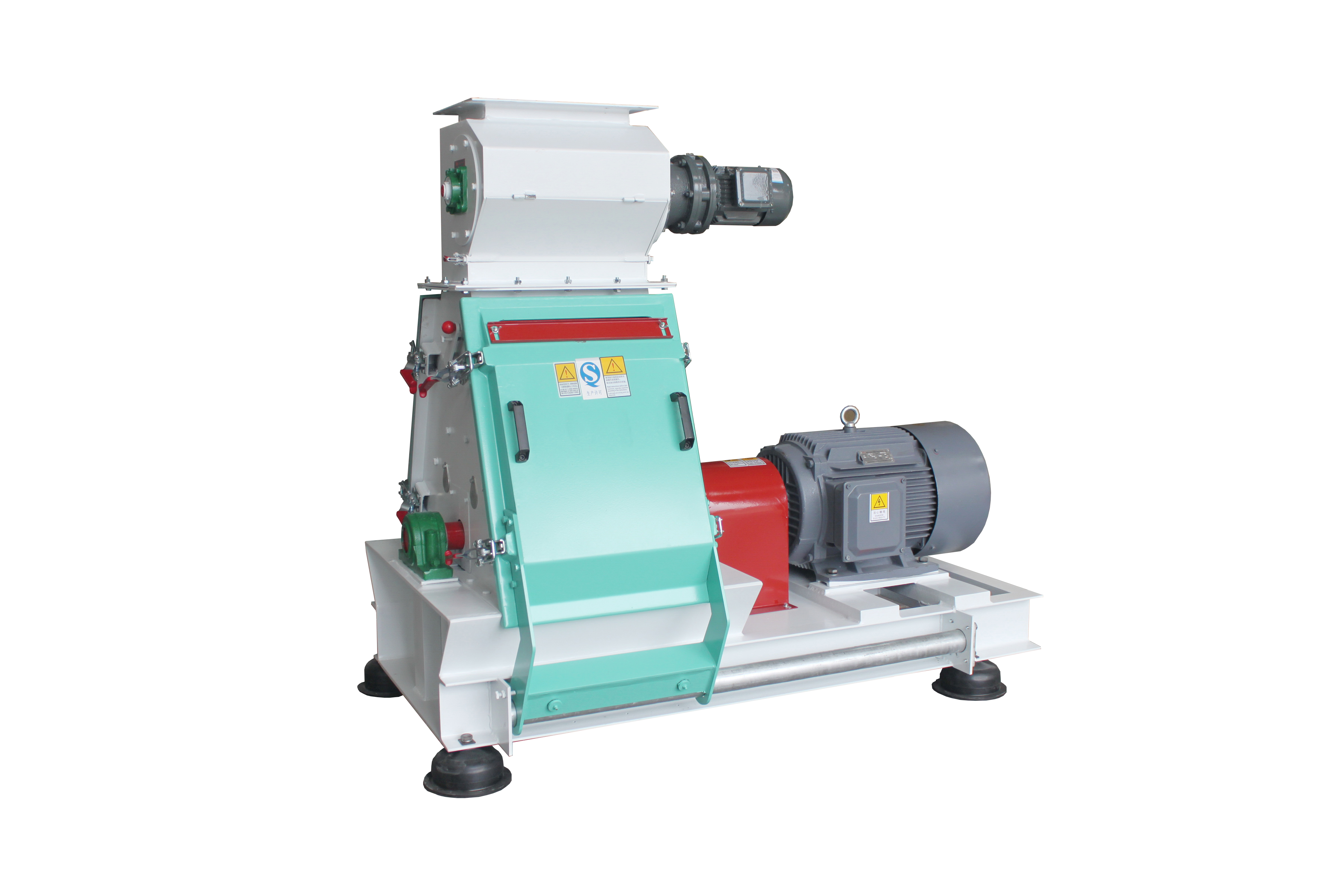
Full-text summary referenceSelection of feed processing equipment can be summarized as a reviewable technical chain: STEP1 establish material and formula files, recording bulk density, moisture content, oil addition amount, particle size requirements and finished product form; STEP2 divide process takt according to capacity and shifts, and verify the capabilities of crushing, batching and mixing, pelletizing, cooling, screening and bagging; STEP3 determine single-machine parameter windows, such as crushing screen aperture, mixing time, conditioning temperature, steam pressure, ring die aperture, cooling air volume and retention time; STEP4 write inspection indicators into the trial-run sheet, including crushing particle size distribution, mixing uniformity CV, pellet durability index (PDI), temperature difference between material temperature after cooling and ambient temperature, finished product moisture and water resistance performance of aquatic feed; STEP5 complete installation, commissioning and operator training, and form records for equipment inspection, bin cleaning, formula change and troubleshooting. It should be noted that the parameters in this text are common technical reference ranges and cannot replace material tests, equipment technical documents and on-site acceptance; they should be rechecked under different formulas and seasonal conditions. Jiangsu Huamu Machinery Co., Ltd. can provide technical communication on feed machinery manufacturing, production line design, installation and commissioning, and complete projects for mash feed, premix, pellet feed and special aquatic feed; project configuration shall be subject to the actual process confirmation results. Turning the above steps into a selection checklist helps reduce disconnection between single-machine procurement and production line takt, and facilitates subsequent commissioning and indicator review.
Jiangsu Huamu Machinery Co., Ltd. is located in Xibei Town, Wuxi City, enjoying convenient transportation and significant geographical advantages. The company specializes in the manufacturing of feed machinery and equipment, and can undertake the full-process business of scheme design, equipment ins...
No.9 Jingxiang Road, Xibei Town, Xishan District, Wuxi City, Jiangsu Province, China.