
Establishing a feed processing factory requires careful planning and selection of appropriate equipment. As a leading manufacturer in the feed machinery industry, Jiangsu Huamu Machinery Co., Ltd. has helped hundreds of clients worldwide set up efficient feed production lines. This comprehensive guide covers everything you need to know about feed processing equipment, from essential machinery to cost considerations and supplier selection.
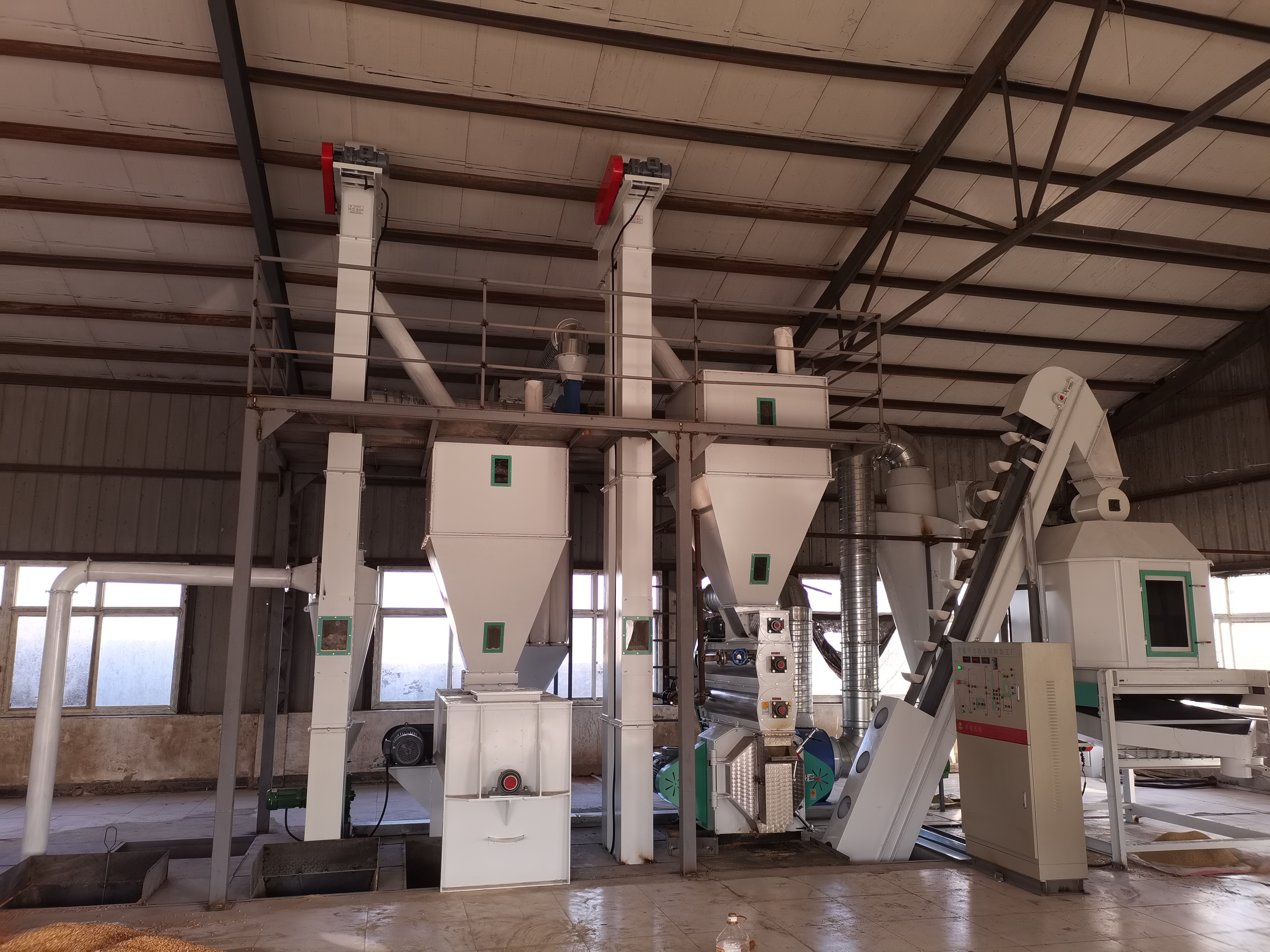
Essential Equipment for Feed Factories
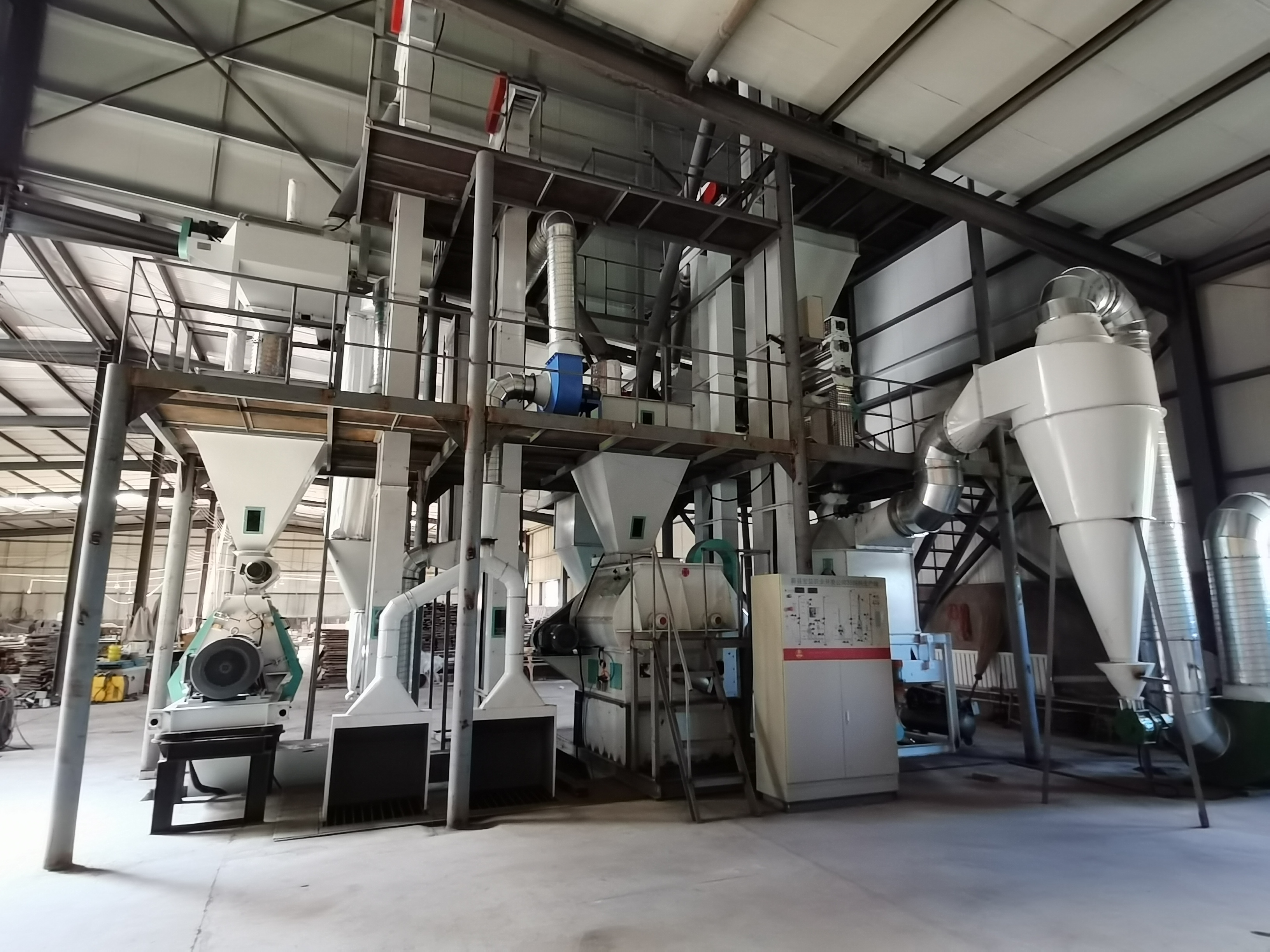
A complete feed production line typically includes several key pieces of equipment, each serving a specific function in the feed manufacturing process. Understanding these components is crucial for anyone planning to establish or upgrade a feed processing facility.
The core equipment in any feed factory includes:
1. Feed Pellet Machine
The feed pellet machine is the heart of any feed production line. It transforms mixed powder materials into uniform pellets through a process of compression and extrusion. Jiangsu Huamu specializes in medium and small-scale belt-driven pellet machines that offer stable operation, high output, and low noise levels. Our annual sales volume of 500 units makes us a leader in this category within China.
These pellet machines are versatile enough to produce various types of feed including:
- Poultry feed (chicken, duck, goose)
- Livestock feed (cattle, sheep, pig)
- Aquatic feed (fish, shrimp)
- Specialty feeds (pet food, rabbit feed)
2. Feed Hammer Mill
Our waterdrop-type hammer mills feature a unique “mountain-shaped” secondary impact structure that increases production capacity by 25% compared to traditional models. This design allows for coarse, fine, and ultra-fine grinding in a single machine, making it ideal for:
- High-grade poultry feeds
- Aquatic feeds
- Raw material processing for alcohol plants
- Citric acid factory原料 processing
The waterdrop chamber design reduces residue buildup and improves grinding efficiency, while the quick-open maintenance door makes cleaning and part replacement convenient.
3. Feed Mixer Machine
Our double-shaft paddle mixers represent the pinnacle of feed mixing technology. With mixing cycles of just 30-90 seconds per batch and a coefficient of variation (CV) ≤5%, these mixers ensure uniform distribution of all ingredients without segregation. Key features include:
- Customizable atomizing spray system for even addition of molasses, oils, and other liquids
- Short mixing time reduces production cycle
- Precise control over ingredient proportions
- Suitable for powder and granular materials in feed, food, and chemical industries
4. Supporting Equipment
In addition to the core machinery, a complete feed production line requires several supporting equipment pieces:
| Equipment Type | Function |
|---|---|
| Cooler | Reduces pellet temperature and moisture content |
| Crumbler | Breaks large pellets into smaller sizes |
| Screener | Separates oversized and undersized particles |
| Packing Machine | Automates the packaging process |
| Conveying System | Transports materials between equipment |
| Dust Collector | Controls dust emissions |
Feed Production Line Cost Analysis
The cost of establishing a feed production line varies significantly based on several factors including production capacity, equipment configuration, and factory location. Here’s a breakdown of what influences feed production line costs:
1. Production Capacity
Feed factories are typically categorized by their hourly production capacity:
- Small-scale: 1-5 tons/hour
- Medium-scale: 6-15 tons/hour
- Large-scale: 16-30 tons/hour or more
As capacity increases, so does the investment required for equipment, factory space, and supporting infrastructure. However, larger operations benefit from economies of scale that reduce the cost per ton of production.
2. Equipment Configuration
The specific equipment included in your feed production line affects total cost. Basic configurations include:
- Crushing → Mixing → Pelleting → Packaging
- Crushing → Mixing → Pelleting → Cooling → Crushing → Screening → Packaging
- Premix production line configurations
Additional equipment like expanders, dryers, or specialized mixers will increase costs but may be necessary for certain feed types or quality requirements.
3. Equipment Quality and Brand
As with most industrial equipment, you get what you pay for when it comes to feed machinery. Higher-quality components, better manufacturing processes, and more reliable brands command premium prices but offer better durability, efficiency, and lower operating costs over time.
Jiangsu Huamu’s equipment represents an excellent balance of quality and value, offering:
- ISO9001 certified manufacturing processes
- 10-year market presence with continuous improvement
- Components from leading suppliers
- Comprehensive after-sales service
4. Factory Location and Construction
The cost of land, factory construction, and local regulations can significantly impact your total investment. Factors to consider include:
- Availability and cost of industrial land
- Building construction costs
- Utility connection fees
- Environmental permitting requirements
- Local labor costs
Selecting the Best Feed Pellet Machine Brand
Choosing the right feed pellet machine brand is crucial for your factory’s success. Here are key factors to consider when evaluating different manufacturers:
1. Production Experience and Expertise
Look for manufacturers with extensive experience in feed machinery production. Jiangsu Huamu has been specializing in feed equipment since our establishment, accumulating valuable expertise in design, manufacturing, and application.
2. Product Range and Customization
A comprehensive product range indicates a manufacturer’s capability to meet diverse customer needs. Our company offers:
- Pellet machines in various sizes (1-30 tons/hour)
- Specialized models for different feed types
- Customizable configurations
- Complete production line solutions
3. Technical Innovation
Innovative features can significantly improve production efficiency and product quality. Our feed pellet machines incorporate several advanced technologies:
- Double-motor narrow-belt drive for stable operation
- Optimized die and roller design for uniform pellet quality
- Energy-efficient motors and transmission systems
- Easy maintenance and quick part replacement
4. Quality Certifications
International quality certifications demonstrate a manufacturer’s commitment to producing reliable equipment. Jiangsu Huamu holds ISO9001 certification and has been recognized as a “Specialized, Sophisticated, Unique and Novel” enterprise by Jiangsu Province.
5. After-sales Service
Reliable after-sales support is essential for minimizing downtime and maintaining production efficiency. Our company offers:
- Global service network with local support
- Spare parts availability
- Operator training programs
- Equipment maintenance guides
- 24/7 technical support
6. Customer References
Positive feedback from existing customers provides valuable insights into a manufacturer’s performance. Our equipment has been exported to over 50 countries, with many clients reporting increased production efficiency and improved feed quality after switching to our machines.
FAQ
What factors determine the price of a feed pellet machine?
The price of a feed pellet machine depends on several factors including production capacity, motor power, die specifications, materials used in construction, and additional features like automatic lubrication systems. Generally, higher capacity machines with more advanced features cost more but offer better long-term value through increased efficiency and durability.
How do I choose the right size feed pellet machine for my factory?
Selecting the appropriate size depends on your target production volume, available budget, and future growth plans. Consider both current needs and potential expansion when making your decision. Our team can help analyze your requirements and recommend the most suitable model, whether you need a small 1-2 ton/hour machine or a large 20-30 ton/hour unit.
What maintenance is required for feed processing equipment?
Regular maintenance is crucial for ensuring optimal performance and longevity of your feed processing equipment. Key maintenance tasks include: daily cleaning, lubrication of moving parts, inspection of belts and chains, monitoring motor temperatures, and regular replacement of wear parts like dies and hammers. We provide detailed maintenance manuals and training for all our equipment.
How long does it take to install a complete feed production line?
Installation time varies based on production line complexity and factory conditions. For a standard configuration, installation typically takes 30-60 days from equipment arrival to commissioning. This includes equipment positioning, connection, calibration, and initial testing. Our installation teams work efficiently to minimize downtime and get your factory operational as quickly as possible.
Can you customize feed processing equipment for special requirements?
Yes, customization is one of our strengths. We can adapt our standard equipment to meet specific customer needs such as: special voltage requirements, non-standard pellet sizes, unique material handling needs, integration with existing equipment, or compliance with specific international standards. Our engineering team will work closely with you to develop the optimal solution.
Summary
Establishing a feed processing factory requires careful consideration of equipment selection, cost factors, and supplier capabilities. Jiangsu Huamu Machinery Co., Ltd. offers comprehensive solutions for feed producers of all sizes, from small-scale operations to large industrial complexes.
Our complete feed production lines include high-quality pellet machines, hammer mills, mixers, and all necessary supporting equipment. With ISO9001 certification, provincial recognition as a specialized enterprise, and over a decade of industry experience, we provide reliable, efficient equipment backed by excellent after-sales service.
Whether you’re building a new feed factory or upgrading existing facilities, our team can help you select the right equipment, optimize your production process, and achieve your business goals. Contact us today to discuss your feed processing equipment needs and receive a customized quotation for your project.