
Setting up a feed processing plant requires careful consideration of equipment selection, production capacity, and budget planning. As a leading manufacturer of feed machinery in China with over 15 years of experience, Jiangsu Huamu Machinery Co., Ltd. provides comprehensive solutions for feed production plants worldwide. This guide covers everything you need to know about selecting the right feed processing equipment, understanding costs, and building an efficient production line.
Understanding Feed Processing Equipment Basics
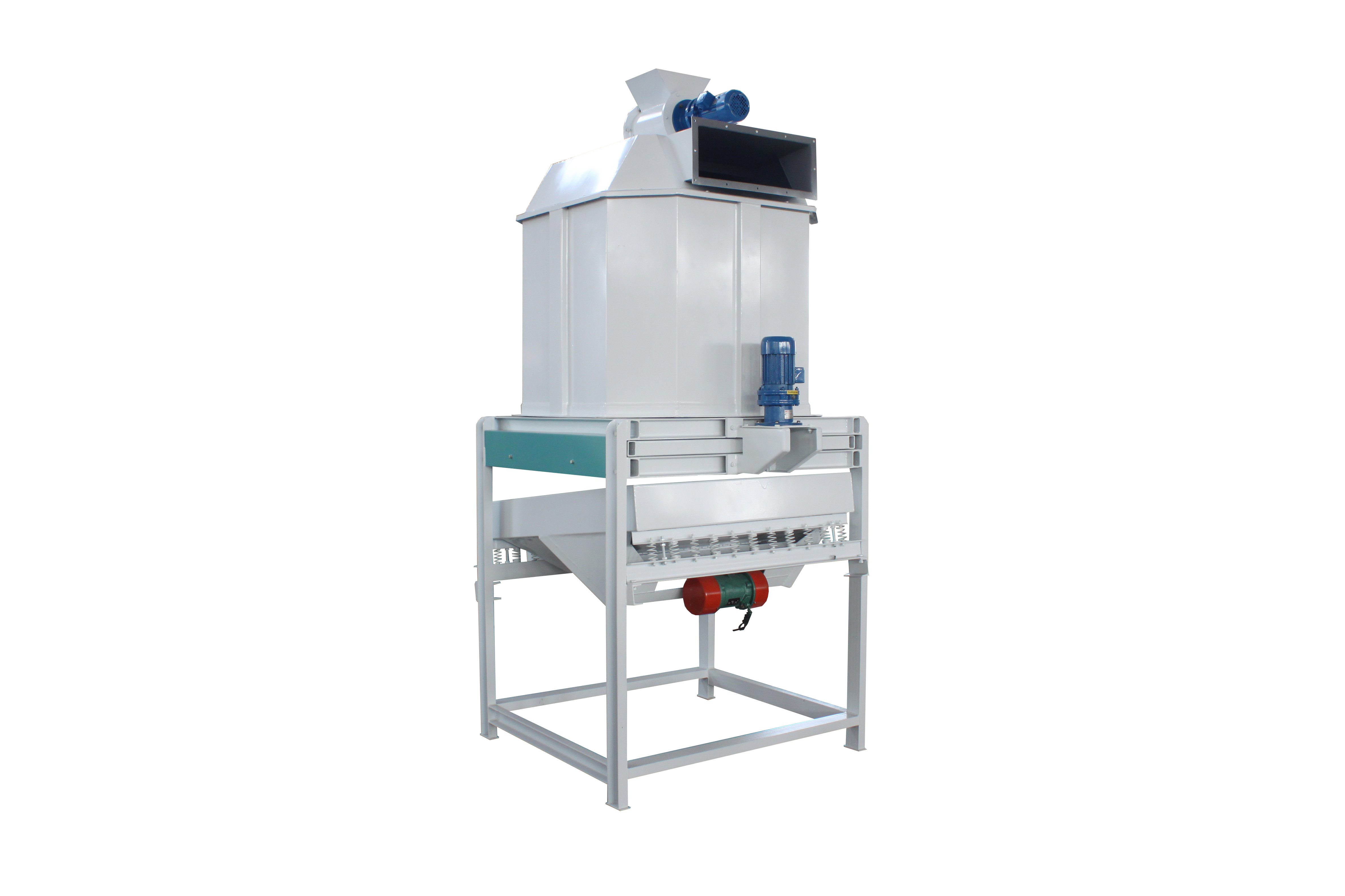
A complete feed processing plant typically includes several key pieces of equipment working together in a production line. The core equipment includes feed pellet machines, hammer mills (crushers), mixers, coolers, and packaging machines. Each component plays a crucial role in transforming raw materials into high-quality finished feed products.
The feed pellet machine is the heart of any feed production line, responsible for compressing mixed powder into pellets of specific sizes and shapes. Modern pellet machines feature advanced technology that ensures uniform pellet size, high production efficiency, and low energy consumption. Jiangsu Huamu’s pellet machines, for example, adopt double-motor narrow belt transmission systems that provide stable operation and high output.
Hammer mills (crushers) are essential for breaking down raw materials into appropriate particle sizes. Our water-drop type hammer mills feature a unique “mountain-shaped” secondary striking structure that increases production capacity by 25% compared to traditional designs. This versatile equipment can handle coarse grinding, fine grinding, and micro-grinding for various feed formulations.
Key Equipment in Feed Processing Plants
Let’s examine the main components of a modern feed processing plant and their functions:
1. Feed Pellet Machine
Our medium and small-sized belt-driven pellet machines are designed for optimal performance in livestock and poultry feed production. These machines feature:
- Double-motor narrow belt transmission for stable operation
- Low noise levels (below 85dB) for comfortable working environments
- Annual production capacity of 500 sets, leading the domestic market
- Suitable for various feed types including livestock, poultry, and aquatic feeds
2. Hammer Mill (Crusher)
The water-drop type hammer mill offers several advantages:
- 25% higher production capacity than traditional models
- Multi-functional design for coarse, fine, and micro-grinding
- Ideal for premium livestock feed, aquatic feed, and industrial raw materials
- Durable construction with easy maintenance access
3. Double-Shaft Mixer
Our paddle mixers provide exceptional mixing performance:
- Short mixing cycle of just 30-90 seconds per batch
- Uniform mixing with CV≤5% variation coefficient
- No segregation of ingredients during mixing
- Optional atomizing spray system for uniform addition of liquids like molasses
4. Supporting Equipment
A complete feed production line also includes:
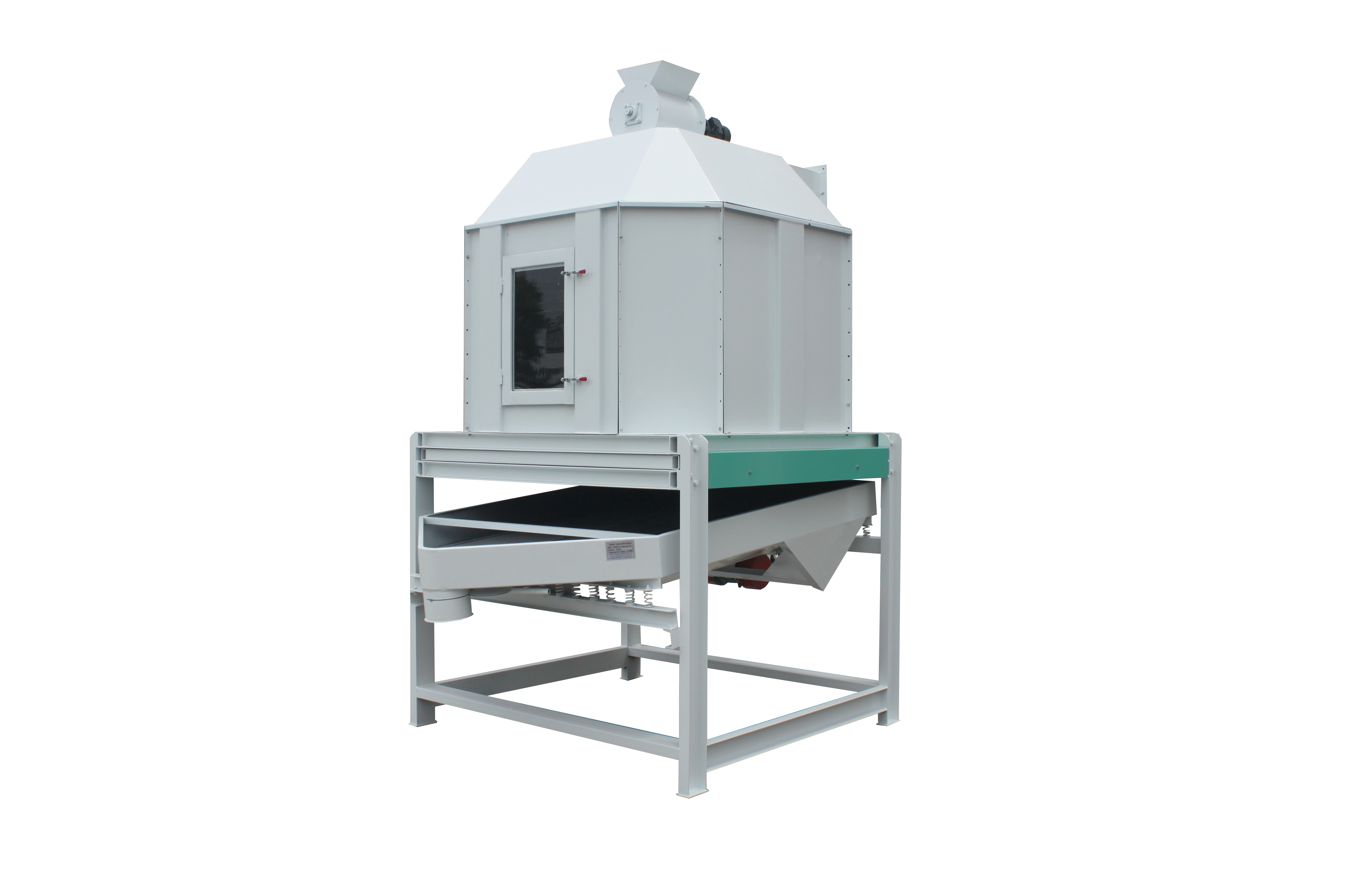
- Coolers for temperature control of finished pellets
- Crushers for size reduction of raw materials
- Packaging machines for final product presentation
- Conveyors and elevators for material handling
- Dust collection systems for environmental protection
Feed Processing Plant Equipment Selection Guide
Choosing the right equipment for your feed processing plant depends on several factors:
1. Production Capacity Requirements
Determine your required output in tons per hour (TPH). Jiangsu Huamu offers customized solutions ranging from 1-30 TPH to match different scale operations. For small farms or startup operations, a 1-5 TPH line may be sufficient, while commercial feed mills might require 10-30 TPH capacity.
2. Feed Type and Formulation
Different animals require specific feed formulations and pellet sizes. Our equipment can produce:
- Poultry feed (2-5mm diameter pellets)
- Livestock feed (4-8mm diameter pellets)
- Aquatic feed (0.5-3mm diameter pellets)
- Premix and concentrate feeds
3. Space and Layout Considerations
The physical layout of your plant affects equipment selection and arrangement. Our engineering team provides 3D layout designs to optimize space utilization and workflow efficiency. Compact designs are available for limited space applications.
4. Budget and Cost Analysis
While initial investment is important, consider the total cost of ownership including:
- Equipment purchase price
- Installation and commissioning costs
- Energy consumption
- Maintenance requirements
- Spare parts availability
| Equipment Type | Capacity Range | Power Requirement | Approx. Price Range |
|---|---|---|---|
| Small Pellet Machine | 1-3 TPH | 37-55 kW | $8,000-$15,000 |
| Medium Pellet Machine | 5-10 TPH | 75-110 kW | $15,000-$30,000 |
| Hammer Mill | 3-15 TPH | 22-75 kW | $5,000-$12,000 |
| Double-Shaft Mixer | 500-2000 kg/batch | 7.5-22 kW | $4,000-$8,000 |
Cost Factors for Building a Feed Processing Plant
The total investment for a feed processing plant varies widely based on several factors:
1. Equipment Configuration
A basic plant with pellet machine, hammer mill, and mixer will cost less than a complete line with cooler, screener, and packaging machine. Our turnkey solutions include all necessary equipment for different production scales.
2. Production Capacity
Larger capacity plants require more powerful (and expensive) equipment. However, economies of scale may reduce the cost per ton of production capacity as you move to higher output levels.
3. Customization Requirements
Special requirements like stainless steel construction for premium pet food production, or specific pellet sizes for aquatic feed, may increase costs but provide competitive advantages in certain markets.
4. Automation Level
Fully automated plants with PLC control systems cost more initially but offer significant labor savings and consistent product quality over time. Semi-automatic systems provide a more affordable entry point.
5. Installation and Commissioning
Professional installation ensures optimal equipment performance and longevity. Our packages include on-site installation, operator training, and after-sales support to maximize your investment.
FAQ
What factors affect the price of feed pellet machines?
The price of feed pellet machines depends on production capacity, power consumption, materials used in construction, and additional features like automation level. Larger capacity machines with higher power ratings and stainless steel construction typically cost more but offer better durability and performance for commercial operations.
How do I choose the right equipment for my feed processing plant?
Consider your production goals, target markets, available space, and budget. Start by determining your required output capacity (tons per hour) and the types of feed you want to produce. Then work with a reputable manufacturer like Jiangsu Huamu to select equipment that matches your specific needs while providing room for future expansion.
What is the typical payback period for a feed processing plant?
The payback period varies based on production capacity, market demand, and operating efficiency. Small-scale operations (1-5 TPH) may achieve payback in 1-2 years, while larger commercial plants (10-30 TPH) typically see payback in 2-3 years. Proper equipment selection, quality control, and marketing strategies significantly impact profitability.
How does Jiangsu Huamu ensure equipment quality?
We maintain strict quality control throughout the manufacturing process, from raw material inspection to final product testing. Our facilities are ISO9001 certified, and we use advanced CNC machining centers for precision manufacturing. Each machine undergoes rigorous testing before shipment to ensure reliable performance in your plant.
What after-sales support does Jiangsu Huamu provide?
We offer comprehensive after-sales support including:
- 1-year warranty on all equipment
- Lifetime technical support
- Quick availability of spare parts
- On-site installation and commissioning
- Operator training programs
- Regular maintenance guidance
Our global service network ensures prompt assistance wherever your plant is located.
Summary
Building a feed processing plant requires careful planning and the right equipment selection. Jiangsu Huamu Machinery offers complete solutions from single machines to turnkey feed production lines with capacities from 1-30 TPH. Our equipment combines advanced technology with robust construction to deliver reliable performance and excellent return on investment.
With over 15 years of experience in the feed machinery industry, we understand the specific needs of different markets and can customize solutions to match your requirements. Our commitment to quality, customer service, and continuous innovation has made us a preferred partner for feed producers worldwide.
Whether you’re starting a new feed mill or upgrading an existing facility, contact Jiangsu Huamu today to discuss your project requirements. Our team of experts will provide professional guidance to help you build an efficient, profitable feed processing plant that meets your production goals and budget constraints.